
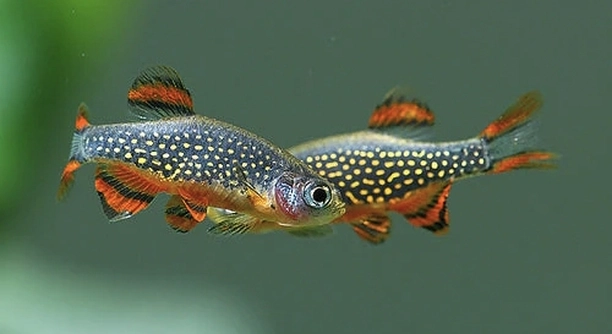
Do you enjoy keeping a vibrant Danio tank but feel it lacks natural charm and cover for your fish? Floating plants can subtly transform the habitat, offering both visual appeal and practical benefits for your aquarium environment.
Floating plants provide multiple advantages in Danio habitats, including shade, improved water quality, oxygenation, and shelter. They reduce stress for fish, prevent excessive algae growth, and create a more stable and natural ecosystem, supporting healthier, more active Danios.
Adding these plants is simple, yet the effects on your tank’s balance and your Danios’ well-being are significant, making it an essential consideration for any fish keeper.
Providing Shade and Reducing Stress
Floating plants create gentle shade across the tank surface, which helps Danios feel safer and more comfortable. Too much direct light can stress these fish, causing them to hide or become less active. Plants like duckweed or frogbit float naturally, breaking up bright light and creating small shaded zones. This shade mimics the natural environments Danios prefer, such as slow-moving streams with overhanging vegetation. In addition to providing visual relief, shaded areas reduce aggressive behavior and territorial disputes. Fish can retreat beneath leaves when feeling vulnerable, supporting a calmer aquarium atmosphere. Over time, the presence of floating plants can lead to healthier and more active fish, as stress is minimized. This simple addition also improves the aesthetic of the tank, giving it a more balanced and natural appearance. Shade from floating plants can also slow down algae growth by limiting sunlight reaching lower surfaces, indirectly supporting water quality.
Shaded areas help Danios stay active and calm, providing both stress relief and a more balanced tank environment for daily life.
Using floating plants to provide shade is an effective method for creating a stable habitat. These plants form a natural canopy on the water surface, reducing harsh light exposure and offering hiding spaces. Danios respond well to this change, becoming more active and exploring the tank rather than remaining hidden. Shade also decreases the risk of sudden stress responses, which can impact their immune system. Over time, this encourages natural behaviors such as schooling, foraging, and interaction with tank mates. A tank with floating plants appears more dynamic and appealing, as the contrast between open water and shaded areas adds depth. Additionally, floating plants absorb nutrients from the water, indirectly reducing algae growth and maintaining cleaner surfaces beneath them. This combination of stress reduction, activity promotion, and water quality improvement makes floating plants an invaluable addition to Danio habitats, supporting both fish health and the overall ecosystem.
Enhancing Oxygen and Water Quality
Floating plants contribute to water oxygenation while helping to filter impurities from the tank naturally.
These plants absorb excess nutrients and release oxygen during photosynthesis, supporting a healthier aquatic environment for Danios.
By absorbing nitrates and other waste compounds, floating plants reduce water pollution and improve clarity. They act as a natural filtration system, limiting the buildup of harmful substances that can stress fish or promote algae growth. The roots hanging beneath the leaves trap debris and provide microhabitats for beneficial microorganisms, further enhancing water quality. Oxygen released from plants stabilizes the tank’s ecosystem, especially during the day, creating a more suitable environment for fish respiration. The combination of nutrient absorption, debris trapping, and oxygen production helps maintain a balanced chemical environment, reducing the need for frequent water changes. Floating plants also prevent sudden swings in water parameters by moderating light exposure and nutrient availability. Over time, tanks with floating plants are easier to maintain, cleaner, and healthier, ensuring Danios thrive in conditions closer to their natural habitat while minimizing stress and disease risks.
Offering Shelter and Hiding Spots
Floating plants give Danios areas to hide when they feel threatened, reducing stress and aggression. The leaves and dangling roots mimic natural cover, helping fish feel secure in a confined aquarium environment.
These plants create microhabitats within the tank, where smaller or more timid Danios can rest safely. Roots hanging beneath the surface form natural tunnels and cover, encouraging natural schooling and exploration behavior. Providing accessible hiding spots prevents dominant fish from chasing others, which often leads to injuries or stunted growth. Over time, these shelters improve overall tank harmony. Fish use these areas not only to rest but also to establish territories without conflict.
Shelter from floating plants also supports breeding, as Danios often seek cover for laying eggs. The floating leaves and roots provide ideal surfaces for eggs, keeping them safe from predators and disturbances, which enhances survival rates. Fish exhibit more natural and less stressed behavior, moving confidently through shaded and protected zones. This simple addition improves both the physical and psychological well-being of the fish while maintaining an organized and visually appealing tank structure.
Controlling Algae Growth
Floating plants reduce light penetration, which limits algae development and keeps the tank cleaner.
By absorbing nutrients from the water, floating plants compete with algae for resources, preventing excessive growth. Their presence shades the tank, minimizing sunlight exposure and slowing the algae lifecycle. This balance supports a healthier environment for Danios and reduces the need for manual cleaning.
Algae control is essential in maintaining water clarity and overall tank health. Floating plants naturally consume nitrates, phosphates, and other compounds that algae rely on, helping to prevent blooms. Shaded areas created by the leaves further inhibit algae on tank surfaces. With less algae, filtration systems work more efficiently, and fish are less exposed to toxins that can accumulate during blooms. This approach reduces chemical interventions, offering a natural solution to a common aquarium issue. Over time, the tank remains clearer, visually appealing, and safer for Danios to thrive, as stable water quality supports their growth and activity levels.
Supporting Natural Behavior
Floating plants encourage Danios to swim naturally around the tank and explore different zones. The leaves and roots mimic a natural environment, making fish more active and engaged.
These plants allow Danios to school safely beneath cover, practice foraging, and interact with their surroundings more confidently, reducing stress and promoting overall health.
Stabilizing Water Temperature
Floating plants help regulate water temperature by providing partial shade, reducing sudden fluctuations. This creates a more stable environment for Danios, protecting them from stress and temperature-related health issues.
Encouraging Breeding
Floating plants offer ideal surfaces and cover for Danios to lay eggs. The roots and leaves protect eggs from predators, improving survival rates and supporting natural reproductive behavior in the tank.
Enhancing Aesthetic Appeal
The gentle movement and greenery of floating plants make the tank visually pleasing while maintaining a natural and calming environment for both fish and observer.
FAQ
What types of floating plants are best for Danio tanks?
Plants like duckweed, frogbit, and water lettuce are excellent choices for Danio habitats. They grow quickly, provide shade, and have roots that hang into the water, giving fish places to hide and explore. These plants are easy to maintain and adapt well to most freshwater tanks.
How many floating plants should I add to my tank?
A good starting point is covering about 25-50% of the water surface. This balance provides enough shade and shelter without overly restricting swimming space. Overcrowding can reduce light for other plants and limit oxygen exchange. Regular trimming helps maintain a healthy balance.
Do floating plants affect water quality?
Yes, floating plants naturally absorb nitrates and phosphates, helping reduce toxins and slow algae growth. They also release oxygen during the day, which benefits fish health. Roots trap debris, supporting microhabitats for beneficial bacteria that further clean the water.
Will Danios eat floating plants?
Danios rarely eat floating plants directly, but they may nibble on delicate leaves or roots. Most plants like duckweed or frogbit are hardy enough to withstand occasional grazing, and any damage is easily repaired by regular plant growth.
Do floating plants require special lighting?
Floating plants generally do well under standard aquarium lighting. They need moderate light for photosynthesis but too much direct light can cause rapid algae growth. Shading from the plants themselves also helps balance light levels in the tank.
How do I prevent floating plants from overcrowding my tank?
Regular maintenance, including thinning and trimming, is essential. Remove excess plants when they multiply quickly. Using floating plant barriers or nets can help control spread and maintain open swimming areas for Danios.
Can floating plants survive without nutrients?
Floating plants absorb nutrients from the water, so tanks with minimal fish waste may require occasional liquid fertilizers. Careful dosing ensures plants stay healthy without impacting water quality or fish health.
Do floating plants help Danios breed?
Yes, floating plants provide ideal cover for eggs and fry. Roots and leaves protect eggs from predation and create microhabitats where fry can hide, improving survival rates and encouraging natural reproductive behavior.
How often should I clean or trim floating plants?
Trimming once every 1-2 weeks is usually sufficient. Remove yellowing or decaying leaves and thin plants that cluster too densely. This ensures proper light penetration, prevents overcrowding, and maintains water flow throughout the tank.
Are floating plants compatible with all aquarium setups?
Floating plants work best in freshwater tanks with gentle water flow. Strong currents can uproot or damage them. They coexist well with most community fish, including Danios, as long as tank size and surface coverage are managed appropriately.
Will floating plants affect other plants in my tank?
Floating plants can reduce light for submerged plants. It’s important to balance coverage so bottom-dwelling plants still receive adequate light. Select plants with complementary light requirements and trim floating plants as needed to maintain healthy growth.
Can floating plants help with algae control long-term?
Yes, by shading water and competing for nutrients, floating plants naturally limit algae growth. Consistent maintenance, nutrient balance, and occasional trimming enhance this effect, creating a cleaner and healthier tank environment for Danios and other inhabitants.
Is it difficult to remove floating plants if needed?
No, floating plants are easy to remove manually. Nets or tweezers work well for small tanks, and a simple scoop can collect excess plants in larger setups. Regular removal also helps prevent overcrowding and maintains water quality.
Do floating plants require CO2 supplementation?
Most floating plants do not need additional CO2. They can thrive on nutrients in the water and natural photosynthesis. CO2 may boost growth in highly planted or densely stocked tanks, but it is usually unnecessary for standard Danio habitats.
Can floating plants survive in low-light conditions?
Some floating plants tolerate low light, but growth will slow. Plants like duckweed adapt better than others. Maintaining moderate lighting ensures consistent growth and healthier coverage for shade and shelter.
Are floating plants safe for all Danio species?
Yes, all common Danio species benefit from floating plants. They provide shade, shelter, and natural surfaces for interaction. Coverage should be adjusted to tank size, ensuring fish have enough swimming space while still offering protection.
How do floating plants impact water circulation?
Floating plants slow surface water movement slightly, creating calmer zones beneath them. This is beneficial for Danios, as it reduces stress and allows natural exploration. Maintaining some open areas ensures proper circulation and oxygen exchange.
Can floating plants coexist with snails or shrimp?
Yes, they often coexist well. Snails and shrimp may use roots for shelter or grazing surfaces. Floating plants provide shade and protection without interfering with invertebrate activity, supporting a diverse and balanced tank ecosystem.
What is the best way to introduce floating plants into a new tank?
Rinse plants to remove debris or pests, then place them gently on the water surface. Allow them to settle and spread naturally. Monitor growth over the first few weeks and trim as necessary to prevent overcrowding.
How long do floating plants typically last?
With proper care, most floating plants thrive for months or even years. Regular trimming, nutrient management, and appropriate lighting are key to maintaining healthy, long-lasting plants in Danio tanks.
Can floating plants help reduce fish aggression?
Yes, by breaking sightlines and providing cover, floating plants reduce territorial disputes and stress. Fish can retreat to shaded areas, promoting calmer behavior and minimizing injuries from chasing or dominance interactions.
Are there any risks to using floating plants?
Excessive coverage can limit swimming space and light penetration for other plants. Decaying plant matter may affect water quality if not removed. Regular maintenance prevents these issues and ensures floating plants remain a beneficial addition.
Do floating plants affect water pH?
Most floating plants have minimal impact on pH. However, heavy growth or decaying plants can slightly alter water chemistry over time. Monitoring water parameters ensures a stable environment for Danios.
How do I propagate floating plants?
Most floating plants propagate quickly through natural division. Remove excess growth and place it elsewhere in the tank or in another tank. Simple propagation ensures continuous coverage without purchasing new plants frequently.
Can floating plants survive in cold-water Danio tanks?
Yes, most floating plants tolerate the typical temperature range of Danio tanks. They may grow more slowly in cooler water but remain effective in providing shelter, shade, and water quality benefits.
Do floating plants require fertilizers?
Supplemental nutrients can help growth in tanks with low fish density. Liquid fertilizers work best, applied carefully to avoid affecting water quality or fish health. Nutrient-rich substrates are generally unnecessary for floating plants.
How do I know if my floating plants are healthy?
Healthy floating plants have vibrant green leaves, minimal yellowing, and strong roots. They spread naturally without overcrowding and do not decay rapidly. Regular trimming and monitoring keep them thriving.
Can floating plants survive in tanks with strong water flow?
Strong currents may damage or move floating plants, reducing their effectiveness. They do best in tanks with gentle to moderate flow. Adjust filtration or placement to protect plants while maintaining water movement for fish.
Are floating plants compatible with livebearers or other fish species?
Yes, they coexist with most community fish, offering shelter and shade without interfering with feeding or swimming patterns. Proper coverage ensures balance for all inhabitants, including livebearers, tetras, and Danios.
How do I prevent floating plants from shading too much light?
Trim plants regularly and maintain partial coverage, leaving open water areas. This ensures submerged plants receive enough light and prevents stagnant zones while keeping shelter for Danios intact.
Do floating plants require special water conditions?
Floating plants adapt to most freshwater tanks, provided water is clean and stable. Avoid extreme hardness or pH fluctuations, which may slow growth or cause stress. Proper maintenance ensures healthy plants and a balanced tank ecosystem.
Can floating plants survive in tanks without fish?
Yes, but growth may be slower due to fewer nutrients in the water. Occasional fertilization helps maintain coverage, ensuring floating plants continue providing shade, shelter, and aesthetic value even in fishless tanks.
Do floating plants affect tank filtration?
Floating plants can reduce surface debris and trap particles, complementing filtration. However, dense coverage may slightly slow water movement, so open areas should remain for proper circulation and efficient filter performance.
How often should I check floating plant health?
Weekly checks are sufficient. Remove decaying leaves, trim overgrowth, and monitor for signs of nutrient deficiency or algae infestation. Consistent care maintains plant health and tank balance.
Can floating plants grow too fast?
Yes, rapid growth may overcrowd the tank, block light, or reduce oxygen exchange. Regular thinning and trimming prevent overgrowth and maintain an optimal balance for Danios.
Do floating plants need soil or substrate?
No, they float on the water surface and absorb nutrients directly from the water. Roots hang freely, providing shelter without the need for soil or planting in the substrate.
Are floating plants safe for fry?
Yes, they provide hiding spots and shelter for fry, increasing survival rates. Roots create natural microhabitats where young fish can avoid adult tankmates and thrive.
Can floating plants survive low-nutrient tanks?
Yes, they can survive but may grow slower. Occasional liquid fertilizers or nutrient supplementation supports healthier growth and coverage in low-nutrient environments.
Do floating plants help with ammonia control?
Floating plants absorb some nitrogen compounds, indirectly reducing ammonia spikes. While they don’t replace filtration, they contribute to overall water stability and safer conditions for Danios.
How long before I see benefits from floating plants?
Effects on shelter, shading, and water quality are noticeable within weeks. Healthier, calmer Danios and reduced algae growth indicate plants are successfully enhancing the tank environment.
Can floating plants survive with strong lighting?
Yes, but excessive direct light may accelerate algae growth. Moderate lighting ensures plants thrive while maintaining water balance and shading for Danios.
Are floating plants affected by CO2 injection in planted tanks?
They benefit slightly but do not require CO2. Plants absorb nutrients efficiently without supplementation, making them low-maintenance even in CO2-injected setups.
Do floating plants provide food for Danios?
Not directly, but they support microfauna in roots, which fish can nibble on. This adds a natural source of enrichment and supplemental nutrition.
Can floating plants be used in breeding tanks only?
Yes, they are highly effective in breeding setups, offering cover for eggs and fry while stabilizing water quality and shading sensitive young fish.
Do floating plants help reduce nitrate levels?
Yes, they absorb nitrates from the water, supporting water quality and reducing stress for Danios while slowing algae growth.
Are floating plants easy to maintain?
Yes, with minimal trimming, nutrient checks, and light management, floating plants remain low-maintenance and provide consistent benefits in Danio tanks.
Can floating plants survive in tanks with turtles or other large animals?
Large, active animals may disturb floating plants, limiting coverage. Smaller, gentle tankmates are more compatible for maintaining healthy plants.
Do floating plants support beneficial bacteria?
Yes, roots create surfaces for bacteria to colonize, contributing to the nitrogen cycle and supporting stable water quality for Danios.
How do I deal with decaying floating plants?
Remove decaying material promptly to prevent water quality issues. Regular trimming keeps plants healthy and maintains the balance of the aquarium ecosystem.
Are floating plants compatible with LED lighting?
Yes, LED lighting is suitable. Ensure moderate intensity to promote plant growth while preventing excessive algae development.
Can floating plants help with water evaporation?
Yes, they reduce surface exposure, slightly slowing evaporation and helping maintain stable water levels.
Do floating plants require special care during winter or cooler months?
No, as long as water temperature remains within the suitable range for Danios. Growth may slow slightly but plants remain functional.
Are floating plants suitable for nano tanks?
Yes, but coverage should be limited to avoid restricting swimming space. Small, fast-growing species like duckweed work well in confined setups.
Can floating plants survive in tanks with strong filtration?
Yes, as long as flow is moderate. Strong currents may move or damage plants, so placement adjustments may be needed.
How do I prevent pests on floating plants?
Rinse new plants before adding to the tank. Regular maintenance and inspection reduce the risk of pests like snails or insects.
Do floating plants need pruning for aesthetics?
Yes, trimming keeps coverage even, prevents overcrowding, and maintains a visually appealing tank while supporting healthy fish behavior.
Can floating plants grow in hard or soft water?
Most species adapt well to both, provided pH and temperature are stable. Growth may vary slightly depending on water conditions.
Do floating plants affect water hardness or mineral content?
Minimal impact. They primarily absorb nutrients and do not significantly alter hardness or mineral levels in typical freshwater tanks.
Are floating plants compatible with filter-fed tanks?
Yes, they work well with filters. Ensure surface coverage does not block intake or reduce water flow significantly.
Can floating plants survive long-term in Danio tanks?
Yes, with proper care, trimming, and nutrient management, floating plants can thrive for years while maintaining benefits for fish and tank health.
Do floating plants need quarantine before adding to a tank?
It is recommended to rinse and inspect them to remove pests or contaminants, but quarantine is usually not required if sourced from trusted suppliers.
Can floating plants reduce water surface agitation?
Yes, they dampen surface movement, creating calmer zones beneath leaves, which Danios often prefer for resting and schooling.
How do floating plants interact with other types of aquatic plants?
They may shade slower-growing plants, so placement and coverage should be managed to balance light availability and overall tank health.
Are floating plants effective in planted tanks with heavy vegetation?
Yes, but coverage should be moderate to prevent shading lower plants while still providing shelter and water quality benefits for Danios.
Do floating plants require specific tank size?
They adapt to most tank sizes. Small tanks need careful coverage management, while larger tanks can accommodate more extensive plant spread without restricting swimming space.
Can floating plants survive periods of low light or limited care?
Yes, many species are resilient, though growth may slow. Occasional trimming and monitoring ensure they remain effective in providing shade, shelter, and water quality benefits.
Are floating plants compatible with heated tanks?
Yes, typical Danio tank temperatures suit floating plants. Heat does not harm them, though excessive temperature fluctuations should be avoided.
Do floating plants need special water flow considerations?
Gentle to moderate flow is ideal. Strong currents can damage plants or move them excessively, reducing coverage and shelter for Danios.
Can floating plants help reduce ammonia spikes?
Indirectly, by absorbing nitrogen compounds and supporting beneficial bacteria, floating plants contribute to a more stable chemical environment, reducing stress on Danios.
Do floating plants require regular monitoring of growth?
Yes, weekly checks prevent overcrowding, yellowing, and excessive shading while ensuring plants continue to benefit fish and maintain tank balance.
How do floating plants affect fish visibility?
They create shaded and protected zones, giving fish privacy and reducing stress while allowing observation in open areas. Balance between coverage and open space is key.
Can floating plants survive with strong aquarium currents?
Strong currents can damage or displace floating plants. Moderate or gentle flow is ideal to maintain plant stability while supporting proper water circulation.
Are floating plants safe for community tanks?
Yes, they coexist well with most community fish, providing shelter, shade, and aesthetic benefits without interfering with swimming or feeding patterns.
Do floating plants need special fertilizers for growth?
Occasional liquid fertilizers can help in low-nutrient tanks, but they generally thrive using nutrients already present from fish waste and natural water chemistry.
Can floating plants be used in breeding and display tanks simultaneously?
Yes, they provide benefits for both breeding and aesthetics, supporting fry survival while enhancing the visual appeal of the aquarium.
Do floating plants require trimming for water circulation?
Yes, trimming prevents overcrowding, maintains open areas for swimming, and ensures proper water flow throughout the tank, supporting fish and plant health.
Are floating plants compatible with live plants that require high light?
Partial coverage from floating plants is fine, but dense coverage may limit light for high-light species. Monitoring and trimming help maintain balance.
Can floating plants survive in aquaponics setups?
Yes, they thrive while absorbing nutrients from water and providing surface coverage. Their roots also support beneficial bacterial growth in aquaponics systems.
Do floating plants help maintain stable tank conditions?
Yes, they moderate light, absorb nutrients, reduce algae growth, and provide shelter, contributing to a balanced and stable environment for Danios and other aquatic life.
How do I choose the right floating plant for my tank size?
Consider growth rate, leaf size, and coverage needs. Smaller tanks benefit from compact, slow-growing plants, while larger tanks can accommodate faster-growing species with extensive spread.
Can floating plants survive sudden water changes?
Yes, they are resilient, though extreme or rapid changes in temperature, pH, or hardness may temporarily slow growth. Gentle acclimation supports plant health.
Are floating plants compatible with low-tech tanks?
Yes, they require minimal equipment and thrive in low-tech setups, providing natural shade, shelter, and water quality benefits without special lighting or CO2 injection.
Do floating plants affect surface gas exchange?
Partial coverage slightly reduces surface agitation but generally does not impede oxygen exchange significantly, especially when open areas are maintained.
Can floating plants survive in tanks with strong lighting and high nutrient levels?
Yes, but rapid growth may require frequent trimming to prevent overcrowding and maintain balance between coverage, swimming space, and light availability.
How do floating plants influence tank maintenance routines?
They reduce algae buildup and absorb nutrients, slightly easing maintenance, but require trimming and monitoring to prevent overcrowding and ensure proper water flow.
Are floating plants safe for all freshwater fish species?
Yes, they are generally compatible with most freshwater fish, providing shelter and shade without harming or stressing the inhabitants.
Do floating plants require regular fertilization in heavily stocked tanks?
Not usually, as fish waste supplies sufficient nutrients. Fertilization is only needed in lightly stocked or nutrient-poor tanks.
Can floating plants help with visual tank aesthetics?
Yes, they add greenery, movement, and depth, creating a more natural and appealing environment while supporting fish behavior and health.
Are floating plants sensitive to water hardness?
Most tolerate a range of hardness levels, though extreme conditions may slow growth or affect leaf health. Regular monitoring ensures optimal plant condition.
Can floating plants survive long periods without trimming?
They survive, but overcrowding may occur. Regular trimming maintains coverage, prevents decay, and ensures light reaches other plants, supporting overall
Floating plants are a simple yet effective addition to any Danio habitat. They provide shade and shelter, creating a more comfortable environment for the fish. The leaves and roots offer hiding spots, which reduce stress and help fish feel secure. This protection is important because Danios are active and social fish that can become stressed if they feel exposed or threatened. By adding floating plants, you create natural zones where fish can retreat when needed, supporting calmer behavior and encouraging natural activity throughout the tank. Over time, these small changes improve the overall well-being of the fish and make the aquarium a more pleasant place to watch.
In addition to shelter, floating plants help maintain water quality. They absorb excess nutrients such as nitrates and phosphates, which are byproducts of fish waste. This nutrient absorption reduces the likelihood of algae growth and helps keep the water cleaner. The roots also provide surfaces for beneficial bacteria to grow, which further supports the balance of the tank’s ecosystem. Floating plants contribute to oxygenation as well, releasing oxygen during the day and supporting healthy respiration for the fish. All of these effects combined create a more stable environment, which is crucial for Danios since sudden changes in water quality or chemistry can cause stress and illness. By providing a natural filtration system, floating plants help maintain a tank that is easier to manage and healthier for its inhabitants.
Beyond practical benefits, floating plants also enhance the appearance of a Danio tank. They add greenery and a sense of depth to the aquarium, making it feel more natural. The gentle movement of leaves on the surface adds visual interest without being overwhelming. Plants like duckweed or frogbit grow quickly and spread across the surface, creating a floating canopy that softens bright lighting and improves the overall aesthetic of the tank. This visual improvement goes hand in hand with the functional benefits of shelter and water quality, giving fish a better environment while making the aquarium more enjoyable to observe. Over time, the combination of shade, protection, improved water conditions, and visual appeal makes floating plants an essential part of a well-maintained Danio habitat. Their presence encourages natural behavior, supports fish health, and creates a more balanced and attractive aquarium ecosystem overall.

Hello,
If you enjoy the content that we create, please consider saying a "Thank You!" by leaving a tip.
Every little bit helps us continue crafting quality advice that supports the health, happiness, and well-being of pets around the world, for pets of all shapes, sizes, and species.
We really appreciate the kindness and support that you show us!