
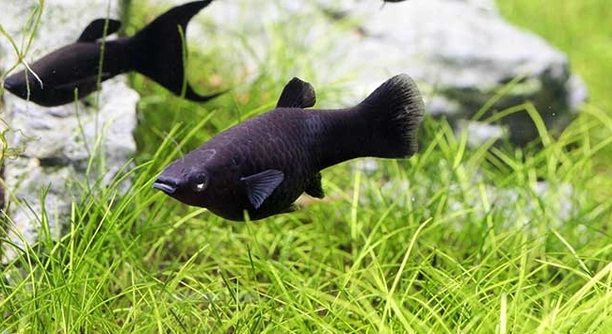
Many fish owners enjoy keeping black mollies for their peaceful nature and striking appearance. These fish are popular in home aquariums and can adapt to different environments, making them a favorite for beginners and experienced hobbyists alike.
Black mollies can tolerate room-temperature water, provided it remains stable between 72 and 78 degrees Fahrenheit. Sudden changes in temperature or exposure to extreme heat or cold can cause stress, affecting their health and overall well-being.
Learning proper care and environmental adjustments is essential for black mollies. We will explore practical tips to maintain a safe and comfortable habitat for these vibrant fish.
Understanding Room-Temperature Water for Black Mollies
Keeping black mollies in room-temperature water can be easier than maintaining a heated tank, especially in a home where temperatures are moderate. These fish prefer stable water, so sudden fluctuations can stress them out. Even small changes in temperature can affect their immune system, making them more prone to disease. While they can tolerate water slightly cooler or warmer than their ideal range, prolonged exposure to extremes is harmful. Monitoring water conditions regularly ensures the fish remain active and healthy. Simple tools like thermometers and gentle water adjustments can help maintain a consistent environment. Proper aeration and filtration are also important, as stagnant water may carry toxins and reduce oxygen levels. Feeding them regularly and observing their behavior will help detect early signs of stress. Overall, black mollies are hardy, but careful attention to water quality and temperature stability ensures they thrive in a home aquarium.
Room-temperature water is generally safe for black mollies if it stays consistent. Avoid sudden shifts to protect their health.
Maintaining stable water conditions also means monitoring other factors, like pH and hardness. Mollies thrive in slightly alkaline water with moderate hardness, so testing these regularly is important. Over time, adjusting water slowly during seasonal changes prevents stress. Providing hiding spots and plants helps them feel secure. A well-maintained tank mimics their natural environment, encouraging natural behaviors and healthy growth.
Signs of Stress in Black Mollies
Stress in black mollies shows through changes in behavior and appearance.
Common signs include reduced activity, clamped fins, loss of color, or skipping meals. Stress can also make them more susceptible to infections or parasites.
Observing your fish closely allows early detection of stress. If water conditions are off, adjusting temperature gradually is key. Providing consistent light cycles, proper nutrition, and regular water changes reduces stress levels. Overcrowding and incompatible tank mates can also cause problems, so maintaining an appropriate population density is important. In addition, black mollies benefit from occasional water enrichment, such as live plants, which provide hiding spaces and a sense of security. Keeping the tank clean and monitoring ammonia, nitrite, and nitrate levels ensures a safe environment. Addressing issues promptly can restore your black mollies’ health, keeping them active, colorful, and happy. With consistent care, they adapt well to room-temperature water and remain resilient in a home aquarium.
Adjusting Black Mollies to Room-Temperature Water
Gradual acclimation is key when introducing black mollies to room-temperature water. Sudden changes can shock them, so small, careful adjustments help them adapt smoothly and reduce stress, ensuring they remain healthy and active.
Start by mixing small amounts of the new water with their current tank water over several hours. Slowly increasing the proportion of room-temperature water allows mollies to adjust without experiencing temperature shock. Observing their behavior during this process is important, as signs of stress may appear if changes are too rapid. Using a thermometer ensures precise monitoring.
Consistency matters more than speed. Avoid rushing acclimation, and ensure all environmental factors remain stable. Proper adjustment helps black mollies maintain normal activity, feeding, and coloration. This approach strengthens their immune system and promotes long-term health in a home aquarium.
Ideal Tank Conditions for Black Mollies
Room-temperature water works best when paired with proper tank setup.
A tank with stable filtration, moderate pH, and regular water changes keeps mollies healthy. Providing hiding spots, plants, and sufficient swimming space supports natural behavior and reduces stress, promoting active and vibrant fish.
Maintaining temperature stability is not the only factor. Mollies thrive in slightly alkaline water with moderate hardness. Consistent water testing for ammonia, nitrite, and nitrate levels prevents toxic buildup. Adequate aeration and gentle currents help maintain oxygen levels. Regularly cleaning the substrate and removing uneaten food reduces bacteria growth. Light cycles should be consistent, mimicking natural day and night periods. Observing the fish for color, activity, and feeding habits allows early detection of problems. Combining stable water temperature with proper tank conditions creates an environment where black mollies can grow, reproduce, and display their full range of behaviors.
Feeding Black Mollies in Room-Temperature Water
Black mollies eat well in room-temperature water, but feeding should be consistent. Overfeeding can pollute the tank and stress the fish, so portion control is important.
High-quality flakes, pellets, and occasional live or frozen foods keep them healthy. Balanced nutrition supports growth and vibrant coloration.
Monitoring Water Quality
Regular testing of water parameters is essential. Even in room-temperature water, ammonia, nitrite, and nitrate levels must remain low. Stable pH and hardness help prevent stress and disease. Keeping a log of measurements can help track trends and detect problems early.
Tank Mates for Black Mollies
Black mollies do well with peaceful fish of similar size. Avoid aggressive or fin-nipping species, which can stress mollies. Proper tank mates ensure harmony and reduce the risk of injury or disease.
Signs of Overheating or Chilling
Fish may show sluggish movement, clamped fins, or loss of appetite when temperatures are unsuitable. Observing their behavior daily allows quick intervention.
FAQ
Can black mollies live in room-temperature water long-term?
Yes, black mollies can live in room-temperature water if it stays stable between 72 and 78 degrees Fahrenheit. Sudden changes in temperature can stress them, so monitoring and maintaining a consistent environment is key. With proper tank care, they adapt well and remain healthy over time.
What is the ideal water temperature for black mollies?
While room-temperature water is acceptable, black mollies thrive in water around 75 degrees Fahrenheit. Temperatures consistently above 80 or below 70 can affect their immune system and make them more susceptible to disease. Using a thermometer ensures the water stays within a safe range.
Do black mollies need a heater in a room-temperature tank?
Not always. If your home maintains stable temperatures between 72 and 78 degrees, a heater may not be necessary. However, in colder months or homes with fluctuating temperatures, a heater helps prevent stress and ensures the fish stay comfortable and active.
How quickly can I change the water temperature for black mollies?
Water temperature should be adjusted gradually. Sudden changes of more than a few degrees can shock black mollies, causing stress or illness. Slow acclimation, over several hours or days, allows them to adjust safely without negative effects on their health.
Can black mollies survive in cooler room-temperature water?
They can tolerate slightly cooler water, but prolonged exposure below 72 degrees may slow metabolism, reduce activity, and make them more prone to disease. Providing stable conditions and avoiding rapid temperature drops helps maintain their health in cooler environments.
What signs indicate temperature stress in black mollies?
Sluggish swimming, clamped fins, loss of appetite, pale coloration, and hiding frequently are common signs of temperature stress. Observing behavior daily helps detect problems early, allowing adjustments to water conditions before health issues develop.
Does room-temperature water affect black mollies’ reproduction?
Yes, reproduction is influenced by water temperature. Slightly warmer water within their ideal range encourages breeding behavior. Room-temperature water that is too cool may delay or reduce spawning, while consistent stable conditions support healthy reproduction cycles.
How often should I check water parameters in a room-temperature tank?
Testing ammonia, nitrite, nitrate, pH, and hardness at least once a week is recommended. Consistent monitoring ensures the water remains safe, preventing stress and disease. Keeping a log of readings helps identify trends and address potential problems early.
Can black mollies live with other fish in room-temperature water?
Yes, as long as tank mates are peaceful and of similar size. Aggressive or fin-nipping species can stress black mollies. Proper selection and observation maintain harmony and reduce the risk of injury or disease in a shared environment.
What else helps black mollies thrive in room-temperature water?
Stable temperature, balanced nutrition, clean water, adequate hiding spots, and proper filtration all contribute to a healthy tank. Observing their behavior, maintaining a consistent schedule, and avoiding sudden environmental changes ensures black mollies remain active, colorful, and healthy over the long term.
How can I prevent stress if my home temperature fluctuates?
Use a heater or insulation to buffer against cold periods, and avoid placing the tank near windows, vents, or drafts. Gradual adjustments and maintaining consistent feeding, lighting, and tank maintenance routines help black mollies stay comfortable despite minor temperature changes.
Is it safe to add new fish to a room-temperature tank?
Yes, but quarantine new fish for a few weeks before adding them. Sudden introduction can introduce disease or stress existing mollies. Acclimating newcomers slowly to the tank temperature and water conditions prevents shocks and maintains overall tank health.
Do black mollies require more oxygen in room-temperature water?
Oxygen levels remain sufficient if the tank is properly aerated and filtered. Room-temperature water generally holds enough oxygen for black mollies, but overcrowding or poor circulation can reduce oxygen availability, causing stress. Adding plants or air stones can help maintain healthy oxygen levels.
How do seasonal changes affect black mollies in room-temperature water?
Seasonal temperature shifts can impact water conditions. Even if room temperature is moderate, extreme cold or heat can reach the tank. Monitoring and adjusting water gradually during seasonal changes ensures black mollies remain comfortable and healthy throughout the year.
Can black mollies adapt to slightly warmer room temperatures?
Yes, black mollies tolerate slightly warmer water up to around 78 degrees Fahrenheit. However, prolonged exposure to higher temperatures can lower oxygen levels and stress the fish. Maintaining moderate and stable temperatures is best for long-term health and activity.
Are live plants beneficial for black mollies in room-temperature water?
Yes, live plants improve water quality, provide hiding spots, and reduce stress. They also support natural behaviors like grazing and exploring. Incorporating plants into the tank creates a more balanced, comfortable environment for black mollies.
How important is regular cleaning in a room-temperature tank?
Regular cleaning prevents toxic buildup, supports oxygen levels, and reduces disease risk. Even in stable room-temperature water, debris, uneaten food, and waste can harm black mollies if left unchecked. Consistent maintenance keeps them healthy and active.
Can black mollies tolerate short temperature spikes?
Short, minor temperature spikes are usually tolerated, but repeated or extreme changes can be harmful. Even brief exposure to water too hot or too cold can trigger stress responses, so maintaining consistency is safer for long-term health.
Is filtered water necessary in a room-temperature tank?
Yes, filtration removes waste, maintains water clarity, and supports oxygen levels. Clean, filtered water reduces stress, promotes healthy growth, and prevents disease, making it essential for black mollies regardless of water temperature.
How does diet impact black mollies in room-temperature water?
Balanced nutrition strengthens immunity and supports energy levels in room-temperature water. High-quality flakes, pellets, and occasional live or frozen foods ensure proper growth, coloration, and overall health, helping mollies cope with environmental conditions and remain active.
What common mistakes should I avoid with black mollies?
Avoid sudden temperature changes, overfeeding, overcrowding, and neglecting water quality. Skipping acclimation or ignoring tank maintenance can stress fish, reduce lifespan, and lead to illness. Consistent care and observation prevent these problems, keeping black mollies healthy and vibrant.
How can I tell if my black mollies are happy?
Active swimming, bright coloration, normal feeding habits, and interaction with tank mates indicate well-being. Observing behavior regularly helps ensure their environment meets all needs and allows quick intervention if issues arise.
Do black mollies need supplemental heating in winter?
If room temperatures drop below their ideal range, supplemental heating helps maintain comfort and health. Gradual temperature adjustments and monitoring prevent stress during colder months.
Can black mollies tolerate slightly hard or soft water?
Yes, they are adaptable to moderate variations in hardness. Stable conditions are more important than precise measurements, but testing regularly ensures they remain within a safe range and maintain overall health.
What is the best way to introduce black mollies to a new tank?
Gradual acclimation is key. Mix small amounts of tank water with transport water over a few hours, monitor behavior, and avoid sudden changes. Providing hiding spots helps them settle quickly.
How do I maintain consistent light cycles for black mollies?
Use a timer to ensure regular day and night periods. Consistent lighting supports feeding behavior, reduces stress, and encourages natural activity, keeping mollies healthy and comfortable.
Can black mollies tolerate minor pH fluctuations?
Yes, minor fluctuations are usually tolerated, but sudden or extreme changes can stress them. Stable water chemistry is essential for long-term health and prevents behavior or immune system problems.
How often should I feed black mollies?
Feed small amounts two to three times daily. Overfeeding pollutes water and causes stress. Balanced portions maintain health, support growth, and prevent obesity while keeping water quality stable.
Do black mollies need a specific tank size in room-temperature water?
Yes, at least 20 gallons for a small group. Adequate space reduces stress, prevents aggression, and allows natural swimming and exploration behaviors. Proper tank size is crucial for their long-term health and happiness.
Can black mollies tolerate city tap water?
Yes, if treated to remove chlorine and chloramines. Testing water quality and conditioning it before adding fish ensures safety, reduces stress, and supports healthy growth and activity.
How do I prevent algae growth in a room-temperature tank?
Maintain proper lighting, avoid overfeeding, and perform regular water changes. Algae compete for nutrients and oxygen, so controlling its growth helps black mollies thrive in a balanced environment.
Are black mollies sensitive to noise or vibrations?
Yes, frequent disturbances can stress them. Placing the tank in a quiet, stable location reduces stress and supports normal behavior, feeding, and overall health.
Can black mollies live with shrimp or snails?
Yes, peaceful invertebrates are compatible. They share the tank without harming mollies and can help maintain cleanliness. Careful monitoring ensures no competition for food or hiding spots.
Is it normal for black mollies to change color in room-temperature water?
Minor color changes are natural and often linked to mood, stress, or breeding. Dramatic fading may indicate poor water quality or illness, requiring prompt attention.
How do I prevent fin damage in black mollies?
Avoid aggressive tank mates, sharp decorations, and overcrowding. Maintaining stable water conditions and proper nutrition supports fin health and overall well-being.
Do black mollies require vitamins or supplements?
Occasional supplementation is beneficial if diet lacks variety. High-quality foods usually provide adequate nutrition, but supplements support immune health and coloration.
Can black mollies tolerate fluctuating light and temperature simultaneously?
Fluctuations in both can be very stressful. Keeping at least one factor stable, preferably temperature, helps reduce stress and maintain healthy behavior.
What is the maximum number of black mollies per tank?
A general rule is one fish per two gallons. Overcrowding increases stress, competition, and disease risk. Adequate space ensures activity, healthy growth, and harmonious social behavior.
How do I know if my tank filtration is adequate?
Clear water, low ammonia, nitrite, and nitrate levels, and healthy fish behavior indicate effective filtration. Regular maintenance ensures continued efficiency and a safe environment.
Can black mollies tolerate slightly acidic water?
They prefer slightly alkaline water, but minor acidity is tolerated. Sudden shifts toward acidic conditions should be avoided to prevent stress, reduced activity, or illness.
Are black mollies compatible with bettas in room-temperature water?
Not ideal. Bettas can be aggressive and may nip fins. Separating species ensures safety and reduces stress for both.
How often should I remove uneaten food?
Daily removal prevents water contamination, reduces bacteria, and protects black mollies’ health. Consistent cleaning maintains water quality and overall tank stability.
Do black mollies require hiding places in room-temperature water?
Yes, plants, decorations, or caves provide security, reduce stress, and encourage natural behavior, supporting mental and physical well-being.
Can black mollies survive in smaller tanks at room temperature?
They can, but restricted space increases stress and reduces activity. Proper tank size ensures healthier, happier fish and prevents behavioral problems.
How do I acclimate black mollies after water changes?
Gradual mixing of new water with existing tank water prevents shock. Observing fish during changes ensures they adjust safely and remain healthy.
Are black mollies prone to specific diseases in room-temperature water?
They are hardy but can develop ich, fin rot, or fungal infections if water quality is poor. Stable, clean water and proper nutrition reduce risks.
Can black mollies tolerate mild salinity in room-temperature water?
Yes, they tolerate slightly brackish conditions, but sudden or high salinity can be harmful. Gradual adjustments are essential for adaptation.
How do I encourage breeding in room-temperature water?
Maintain stable conditions, provide plants for hiding and egg-laying, and offer a varied diet. Slightly warmer water within their ideal range can also stimulate spawning.
Is it normal for black mollies to hide more in cooler room temperatures?
Yes, reduced activity and more hiding is common in cooler water. Providing safe spaces and monitoring temperature helps them adjust without stress.
Can black mollies adapt to new tank setups quickly?
They adapt gradually. Proper acclimation, stable conditions, and hiding places help them settle and reduce stress during transitions.
Do black mollies need weekly water changes in room-temperature tanks?
Yes, weekly partial water changes help maintain cleanliness, remove toxins, and support overall health, even in stable room-temperature water.
Can black mollies survive without live plants?
Yes, but live plants improve water quality, reduce stress, and support natural behavior. Artificial plants provide hiding spots but lack filtration benefits.
How do I treat black mollies for minor infections?
Isolate affected fish, adjust water parameters, and use appropriate medication as recommended. Prompt treatment prevents spread and protects overall tank health.
Can black mollies tolerate soft water?
Yes, moderately soft water is acceptable. Avoid sudden shifts, and ensure stable conditions to prevent stress or disease.
Are black mollies suitable for beginners with room-temperature tanks?
Yes, their hardiness, adaptability, and peaceful nature make them suitable for new aquarists, provided care, feeding, and water monitoring are consistent.
How long can black mollies live in room-temperature water?
With proper care, they can live 3 to 5 years or more. Consistent water conditions, balanced diet, and regular maintenance ensure longevity and health.
Do black mollies require special lighting in room-temperature tanks?
Standard aquarium lighting is sufficient. Consistent day and night cycles support feeding, breeding, and natural behavior without additional requirements.
Can black mollies live in tanks without heaters year-round?
Yes, if room temperature remains stable within their ideal range. In colder or fluctuating conditions, supplemental heating is recommended to prevent stress.
How do I prevent aggression among black mollies?
Provide adequate space, hiding spots, and avoid overcrowding. Observing behavior and separating aggressive individuals ensures peaceful interactions and reduces stress.
Are black mollies sensitive to water changes?
Sudden or large water changes can stress them. Gradual partial changes maintain stability while keeping water quality high.
Can black mollies tolerate slightly chlorinated water?
No, chlorine and chloramines must be removed before adding water. Untreated tap water can harm or kill fish.
How often should I clean the substrate for black mollies?
Weekly or biweekly cleaning removes debris, prevents bacteria buildup, and maintains healthy water conditions. Regular maintenance supports overall fish health.
Can black mollies live in community tanks at room temperature?
Yes, with peaceful species of similar size. Proper monitoring and tank management prevent aggression and stress, creating a harmonious environment.
Do black mollies need regular vet checkups?
Not usually. Observing behavior, appearance, and water quality is typically sufficient. Consult a vet if illness or unusual behavior occurs.
How do I prevent fin rot in black mollies?
Maintain clean water, avoid aggressive tank mates, and ensure proper nutrition. Prompt treatment of minor injuries prevents infection and supports fin health.
Can black mollies live with goldfish?
Not ideal. Goldfish are cold-water fish with different needs and may outcompete mollies for food. Separate tanks are recommended.
How do I maintain proper hardness for black mollies?
Test water regularly and adjust with minerals if necessary. Stable hardness supports healthy development, coloration, and overall fish health.
Are black mollies sensitive to vibration or tapping?
Yes, frequent disturbances can stress them. Placing the tank in a quiet area reduces anxiety and supports normal behavior.
Can black mollies tolerate slightly higher nitrate levels?
Moderate nitrate levels are tolerated, but high concentrations stress fish and can lead to illness. Regular water changes and monitoring prevent buildup.
Do black mollies need specific substrate?
No, they adapt to sand, gravel, or bare-bottom tanks. Smooth surfaces prevent injury and allow natural foraging behavior.
Can black mollies live in tanks with fluctuating water hardness?
Minor fluctuations are tolerated, but sudden or extreme changes can stress them. Gradual adjustments maintain stability and health.
How do I prevent overcrowding in a black molly tank?
Follow recommended stocking levels, usually one fish per two gallons, to reduce stress, aggression, and disease risk. Adequate space ensures healthy growth and activity.
Can black mollies survive a temporary power outage in a room-temperature tank?
Yes, if temperatures remain stable and aeration is sufficient. Short outages are usually safe, but prolonged loss of filtration or aeration can be harmful.
Do black mollies require daily observation?
Yes, daily checks help detect early signs of stress, illness, or environmental issues. Observing feeding, swimming, and coloration ensures quick intervention if needed.
Are black mollies prone to obesity in room-temperature tanks?
Overfeeding or poor diet can lead to obesity. Portion control, balanced food, and monitoring behavior prevent weight-related health problems.
How do I maintain stable pH for black mollies?
Use buffer solutions or stable substrate materials, test regularly, and avoid sudden chemical changes. Stable pH prevents stress and supports overall health.
Can black mollies tolerate slightly cooler winter temperatures indoors?
Yes, minor drops are tolerated if gradual. Prolonged exposure below 72 degrees may slow metabolism and reduce activity. Supplemental heating may be needed.
Do black mollies require isolation when sick?
Yes, isolating ill fish prevents disease spread and allows targeted treatment. Quarantine tanks support recovery and protect healthy fish.
How do I prevent ammonia spikes in a room-temperature tank?
Regular partial water changes, avoiding overfeeding, and proper filtration keep ammonia low. Monitoring levels prevents stress and toxicity in black mollies.
Can black mollies tolerate brief drops in oxygen levels?
Short periods are usually tolerated, but prolonged low oxygen causes stress, lethargy, and potential health issues. Proper aeration and water movement are essential.
Do black mollies need enrichment in room-temperature tanks?
Yes, plants, decorations, and open swimming areas support natural behaviors, reduce stress, and encourage activity. Enrichment improves overall well-being.
Can black mollies adapt to slightly salty water?
Yes, they tolerate mild brackish conditions. Gradual adjustments prevent shock and support long-term health.
How do I prevent disease in black mollies?
Maintain stable water, proper nutrition, regular cleaning, and avoid overcrowding. Monitoring fish behavior and quarantine for new arrivals reduces the risk of illness.
Are black mollies compatible with tetras in room-temperature water?
Yes, peaceful tetras are suitable tank mates. They share similar water preferences and maintain harmony without stress or aggression.
**How long should I acclimate black
Black mollies are surprisingly adaptable fish, and room-temperature water can suit them well when certain conditions are met. Maintaining a stable temperature between 72 and 78 degrees Fahrenheit is key to keeping them healthy. Sudden changes, even by a few degrees, can stress them and affect their immune system. While they tolerate minor fluctuations, consistency is more important than precise control. Proper filtration, aeration, and water testing ensure that the environment remains safe, supporting their overall health. By providing these basic needs, black mollies can remain active, colorful, and resilient without the need for constant temperature adjustments or elaborate equipment.
Diet and feeding habits also play an important role in keeping black mollies thriving in room-temperature water. A balanced mix of high-quality flakes, pellets, and occasional live or frozen foods supports growth, coloration, and energy levels. Overfeeding can cause water pollution, which in turn leads to stress and potential disease. Observing the fish during feeding and adjusting portions based on their activity helps maintain a healthy tank. Additionally, providing hiding spots, plants, and adequate swimming space reduces stress and encourages natural behaviors. A tank that combines stable water, proper nutrition, and environmental enrichment allows black mollies to flourish over the long term.
Monitoring behavior and water conditions regularly ensures that black mollies stay comfortable in room-temperature water. Signs of stress, such as clamped fins, sluggish movement, or loss of appetite, indicate that adjustments may be needed. Regular partial water changes, consistent lighting cycles, and proper tank mates contribute to a peaceful and stable environment. Gradual acclimation for new fish or after water changes prevents shock and maintains health. With careful attention to these factors, black mollies can live full, healthy lives in a home aquarium. They do not require complicated setups to thrive, making them accessible for both beginners and experienced fish keepers alike, while still providing an engaging and visually appealing addition to any tank.

Hello,
If you enjoy the content that we create, please consider saying a "Thank You!" by leaving a tip.
Every little bit helps us continue crafting quality advice that supports the health, happiness, and well-being of pets around the world, for pets of all shapes, sizes, and species.
We really appreciate the kindness and support that you show us!