
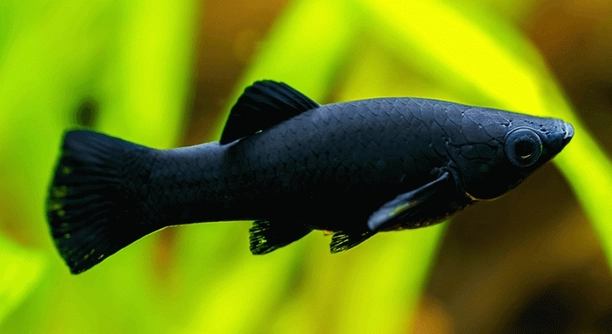
Do you ever notice your black molly swimming around her tank, gently hovering near tiny fry that have just hatched? Observing their interactions can be both calming and fascinating for anyone keeping these lively fish.
Black mollies can recognize their fry to some extent, primarily through visual and chemical cues. They may show protective behaviors initially, though this recognition does not always prevent occasional predation or neglect. Recognition is limited and context-dependent.
Understanding these behaviors can help improve fry survival and overall tank harmony, creating a more balanced and peaceful environment for your fish.
How Black Mollies Identify Their Fry
Black mollies rely on a combination of visual observation and chemical signals to identify their young. In the first few days after birth, fry release subtle pheromones that help adult fish recognize them. Mothers may hover nearby or swim in slow circles around the fry, signaling mild protective behavior. However, this recognition is not perfect. Factors such as tank size, presence of other fish, and stress levels can influence how consistently a mother acknowledges her fry. Observing a black molly carefully in these early days can reveal small gestures like gentle nudges or turning toward fry when they swim nearby. While these actions may seem minimal, they are indications that the fish is aware of her young. Over time, as fry become more mobile, the mother’s attention may decrease, especially if she senses limited resources or potential threats in the environment.
Some black mollies show stronger recognition than others, depending on individual temperament and environmental conditions.
Recognizing fry can be a delicate process. Even when a black molly seems attentive, she may still ignore certain fry or accidentally harm them. Tank conditions play a crucial role in how she interacts with her young. Smaller tanks may increase stress and reduce protective behavior, while tanks with hiding spaces for fry allow mothers to maintain awareness without aggressive interference. Feeding patterns and water quality also affect interactions, as well-fed mothers are generally calmer and more attentive. It’s important to monitor both adult and fry behavior closely. Providing floating plants or dense foliage gives fry safe zones, improving survival chances. By paying attention to these subtle cues, caretakers can better understand the dynamics between black mollies and their fry, creating an environment that supports natural recognition while reducing accidental predation or neglect.
Feeding and Fry Survival
Proper nutrition directly influences a black molly’s interaction with her young.
Adult black mollies with a balanced diet tend to be calmer and more likely to recognize and protect their fry. Fry require small, frequent feedings of micro-pellets, baby brine shrimp, or finely crushed flakes to thrive. Adults may occasionally nibble on these tiny foods but generally leave fry alone if their own nutrition is sufficient. Tank management is crucial; overcrowded or underfed tanks increase stress, leading to less recognition and higher mortality. Maintaining clean water, consistent temperature, and adequate hiding spots supports both adult and fry health. Observing feeding behavior helps gauge if fry are getting enough attention and reduces risk of unintentional harm. Regular monitoring and careful adjustment of diet and tank setup improve fry survival rates, giving black mollies a better chance to nurture their young naturally.
Tank Environment and Fry Interaction
A well-structured tank influences how black mollies behave around their fry. Plants, hiding spots, and calm water conditions reduce stress, making mothers more likely to recognize and avoid harming their young. Open spaces with few shelters can increase accidental predation or neglect.
Providing plenty of floating plants and dense foliage allows fry to hide while adults swim freely. Black mollies seem to notice fry more when they have safe zones. Proper lighting and water flow also affect interactions. Calm areas let mothers focus on their young without distraction, while sudden changes or strong currents can confuse both adults and fry, reducing recognition. Tank layout plays a bigger role than many realize in fry survival.
Water quality directly impacts fry behavior and adult attention. Clean, well-filtered water keeps fry healthy, active, and easier for mothers to identify. Poor conditions can mask chemical cues and reduce visibility, causing adults to ignore or accidentally harm fry. Regular water changes and temperature stability improve both recognition and survival rates.
Observing and Encouraging Protective Behavior
Mothers that are less stressed tend to show more attention toward their fry, even if imperfectly. Small gestures can indicate awareness and mild protection.
Watching black mollies closely helps identify when they are attentive or when fry need extra shelter. Feeding adults well and keeping a consistent tank routine reduces stress, which increases the likelihood of recognition. Gentle interactions with fry, like slowing down water currents and avoiding sudden movements, improve safety. Over time, patterns emerge, showing which adults are more attentive and which fry require extra hiding spots. Recording observations helps predict behavior and manage the tank effectively.
Creating safe zones and monitoring adult interactions allows fry to grow without constant risk. Adding floating plants or small caves gives fry secure spots while adults swim nearby. Consistent feeding schedules for both adults and fry reduce aggressive tendencies. Adjusting tank layout and observing daily behavior lets caretakers intervene when necessary without disrupting natural recognition patterns. Ensuring proper nutrition, space, and hiding options promotes calmer adults, better attention toward fry, and overall higher survival rates in a community tank setting.
Fry Behavior and Recognition
Fry movements and responses help adult black mollies recognize them. Active, healthy fry are easier to notice, while weak or hiding fry may go unrecognized. Their tiny size and quick movements make consistent recognition challenging for adults.
Fry often gather near plants or in corners, which can make them more visible to attentive mothers. Chemical signals from the fry also guide adults, but strong currents or overcrowding can mask these cues. Observing fry patterns can reveal how mothers adjust their swimming and attention based on fry behavior.
Stress Factors Affecting Recognition
Stress in adult black mollies can reduce their ability to identify fry. Overcrowding, poor water quality, or aggressive tankmates increase stress levels. Adults under stress may ignore, chase, or accidentally harm fry. Minimizing these factors encourages more consistent recognition and protective behavior in the mother.
Feeding Frequency and Attention
Regular feeding helps adults maintain focus on their fry. Starved or underfed black mollies may prioritize food over recognition, increasing risk to fry. A balanced diet reduces aggressive tendencies and allows adults to respond more reliably to their young.
Hiding Spots for Fry
Providing dense plants and safe zones is essential for fry survival. Hiding spots reduce stress for both fry and adults, giving mothers an easier time recognizing their young and decreasing accidental predation.
FAQ
Can black mollies completely recognize all of their fry?
Black mollies can recognize their fry to some extent, but recognition is not perfect. They may notice and interact with some fry while ignoring others. Factors like tank size, hiding spots, water quality, and stress levels all influence how consistently a mother identifies her young. Some adults are more attentive, while others may inadvertently harm fry. Recognition is often strongest in the first few days after birth when chemical signals from fry are strongest, but it fades as fry become more independent.
Do black mollies ever eat their own fry?
Yes, black mollies sometimes eat their fry, even if they initially recognized them. This behavior is usually not malicious but a natural response to stress, overcrowding, or insufficient food. Providing plenty of hiding places, proper nutrition, and calm tank conditions can reduce the chances of adults preying on fry. Feeding adult mollies frequently and maintaining a stable tank environment encourages protective behavior, but occasional losses are common and natural in community tanks.
How can I improve fry survival rates?
Fry survival improves with a combination of diet, tank layout, and monitoring. Floating plants, dense foliage, and small caves give fry safe areas to hide. Feeding fry small, frequent meals like baby brine shrimp, micro-pellets, or finely crushed flakes supports their growth. Keeping water clean, stable, and at the right temperature reduces stress for both adults and fry. Limiting tankmates that might harass fry and observing adults’ behavior daily also helps prevent accidental predation. These steps create an environment where fry can thrive while adults maintain natural recognition.
Do adult black mollies show protective behavior?
Some adults do display protective behavior, like hovering near fry, gently nudging them, or swimming slowly around them. These behaviors are often subtle and vary between individuals. Protective actions are more noticeable in calm tanks with plenty of hiding spots. Adults under stress, or in overcrowded tanks, may ignore fry or act unpredictably. While black mollies are not strictly attentive parents, their natural behaviors can still give fry better chances of survival if conditions are favorable.
How does water quality affect fry recognition?
Water quality plays a major role in recognition. Poor water conditions, high ammonia, or sudden temperature changes can mask chemical cues released by fry. Adults under stress from poor water may ignore or accidentally harm their young. Regular water changes, proper filtration, and stable temperatures help adults maintain awareness and respond appropriately to fry signals. Clean water supports overall health, encourages calmer behavior, and improves both recognition and survival rates.
What role does diet play in fry interaction?
Adult diet influences how attentive black mollies are to their fry. Well-fed adults are calmer, more likely to hover near fry, and less likely to eat them. Starved or underfed adults may focus on finding food rather than recognizing or protecting fry. Providing a balanced diet with sufficient protein and nutrients supports healthy behavior and reduces aggression. Fry also need proper nutrition, so small, frequent feedings for fry combined with adult care improve growth and survival.
Can fry recognize their mother?
Fry may detect chemical and visual cues from their mother but do not recognize her in the same way mammals might. They respond primarily to movement, nearby adults, and environmental cues for safety. Fry instinctively hide when they sense nearby adults, especially in open spaces. While recognition is limited, maintaining a calm, predictable tank environment helps fry adapt and survive alongside adults.
Are some black mollies naturally better at recognizing fry?
Yes, temperament plays a role. Some adults are more attentive and hover around fry more often, while others ignore them. Individual behavior can vary based on genetics, early experiences, and environmental conditions. Observing which adults are more careful allows caretakers to adjust tank setup, provide extra hiding spots, and manage fry survival more effectively.
How important are hiding spots for fry?
Hiding spots are critical. Plants, caves, and dense foliage give fry safe zones where they can rest and feed without constant adult interference. Even attentive mothers benefit from hiding spots, as these areas reduce stress and accidental predation. Fry with access to shelters have significantly higher survival rates, and adults in well-planted tanks tend to show more consistent recognition behaviors.
Can tank size affect fry recognition?
Tank size has a strong influence. In small tanks, adults and fry are in constant proximity, which can increase stress and reduce recognition accuracy. Larger tanks with designated hiding areas allow fry to move safely while adults maintain awareness without feeling crowded. Proper space supports calmer adult behavior, better feeding routines, and overall improved fry survival.
Do other fish in the tank affect recognition?
Yes, tankmates can impact recognition. Aggressive or fast-moving fish can stress adults and fry, leading to neglect or accidental predation. Keeping peaceful companions or a dedicated breeding tank allows black mollies to focus on their fry, improving recognition and survival. Observing interactions and adjusting tank composition is important for successful fry rearing.
How long does recognition last?
Recognition is strongest immediately after birth, often lasting several days to a week. As fry grow and become more independent, adults naturally pay less attention. Providing hiding spots, proper feeding, and stable conditions during this period ensures the highest chances of survival until fry are better able to navigate the tank safely.
Can I separate fry to improve survival?
Yes, separating fry into a breeding box or tank can prevent accidental predation. This allows them to grow safely while adults remain in the main tank. Using mesh or floating barriers ensures fry get water flow and feeding opportunities while remaining protected. Separation is a practical strategy when adult recognition is inconsistent or tank conditions are challenging.
Is monitoring necessary for successful fry rearing?
Monitoring is essential. Daily observation helps identify which adults are attentive, which fry are at risk, and whether tank conditions are ideal. Adjusting hiding spots, feeding schedules, and tankmates based on observations improves overall fry survival. Even small changes, like adding floating plants or adjusting water flow, can make a significant difference in recognition and protection.
How do I know if adults are stressed?
Signs of stress include erratic swimming, hiding, frequent chasing, or aggression toward fry. Stress reduces recognition and protective behavior. Addressing stressors like overcrowding, poor water quality, or insufficient food encourages calmer behavior, improving fry survival and increasing the likelihood that adults will notice and respond to their young.
Can recognition be trained or encouraged?
While not “trainable” in a strict sense, recognition can be encouraged by maintaining calm tank conditions, consistent feeding, and ample hiding spots. Adults in a stable, low-stress environment are more likely to display natural protective behaviors. Gradual adjustments in tank layout and diet can influence attentiveness, but patience and observation are key.
What is the best environment for maximizing recognition?
A combination of stable water conditions, proper nutrition, hiding spots, and low-stress tankmates maximizes recognition. Adults are calmer, fry are more visible, and natural interactions are supported. Paying attention to individual adult behavior and tank setup creates an environment where recognition is most consistent and fry survival is highest.
Are there signs that recognition is occurring?
Yes, hovering near fry, slow circling, gentle nudges, and reduced aggression are signs. Adults may occasionally respond to fry movements or remain nearby while they feed. These behaviors indicate awareness, even if inconsistent. Observing subtle actions over time helps caretakers understand which adults are attentive and which fry require extra protection.
Can recognition fail completely?
Yes, it can fail due to stress, poor conditions, or inattention. Even attentive adults may occasionally ignore or harm fry. Providing optimal tank conditions, hiding spots, and proper feeding reduces failures but cannot eliminate all risks. Understanding natural behavior helps set realistic expectations and improve overall fry survival.
How long should I observe adult-fry interactions?
Observation is most critical during the first week after birth. This period has the highest risk for neglect or predation. After fry grow and become more independent, adults naturally pay less attention. Daily checks during this time help caretakers make adjustments to improve survival and ensure both adults and fry are thriving.
Can adult mollies recognize fry from previous clutches?
Recognition from previous clutches is limited. Adults may show familiarity with general fry cues but do not specifically remember individual fry. Recognition is primarily chemical and visual, focused on current young. Providing a consistent environment and attentive care ensures each new batch receives optimal attention regardless of past experiences.
Does water temperature affect recognition?
Yes, temperature influences activity and chemical signaling. Water that is too cold or too warm can stress adults, reducing attention to fry. Stable, appropriate temperatures support normal swimming, feeding, and recognition behaviors, improving fry survival. Consistent temperature also helps fry remain active and easier for adults to notice.
What role does tank lighting play?
Lighting affects visibility and activity levels. Bright, consistent lighting helps adults see fry and detect movement, while too dim or harsh lighting can obscure fry or stress adults. Natural-like lighting that mimics day-night cycles supports calmer adults and improves recognition, helping fry survive in a more predictable environment.
Can chemical signals be blocked?
Strong currents, poor water quality, or the presence of other fish can dilute or mask chemical signals. This may reduce recognition and increase accidental predation. Maintaining clean, stable water with low turbulence helps preserve these cues, allowing adults to detect fry more reliably.
Do black mollies ever show favoritism toward certain fry?
Some adults appear more attentive to stronger or more active fry, likely due to easier detection and movement patterns. Weaker or hiding fry may receive less attention. Providing hiding spots and a calm environment helps reduce disparities, giving all fry better chances to survive.
How does overcrowding impact recognition?
Overcrowding increases stress, reduces visibility, and masks chemical cues, lowering adult recognition. Fry are more likely to be ignored or harmed in crowded tanks. Providing adequate space, hiding areas, and limiting tankmates supports recognition and survival, giving adults and fry room to interact safely.
What are common mistakes in fry care?
Common mistakes include overfeeding, poor water quality, lack of hiding spots, and keeping aggressive tankmates. Neglecting adult nutrition or stress reduction also reduces recognition. Addressing these factors improves survival and ensures adults can display natural attention toward fry.
Can I combine multiple strategies for better results?
Yes, combining proper diet, stable water, hiding spots, tank monitoring, and calm tankmates creates the most favorable environment. Multiple supportive strategies together increase recognition, reduce stress, and improve fry survival, giving the best chance for healthy growth in a community tank.
Is it normal for recognition to vary between clutches?
Yes, variability is common. Different clutches, adult condition, tank setup, and environmental factors all affect recognition. Some batches may receive more attention, while others are partially ignored. Adjusting care practices and tank conditions helps maintain consistent support for each new group of fry.
How long until fry are independent?
Fry become more independent after two to three weeks, depending on tank conditions and feeding. By this stage, adults naturally pay less attention. Ensuring proper nutrition and hiding spots during this period helps them transition safely to full independence.
Do black mollies ever reject their fry entirely?
Yes, complete rejection can happen, especially under stress, poor nutrition, or overcrowding. While partial attention is more common, some adults ignore or chase fry away. Creating a low-stress environment with adequate food and shelters reduces this risk but cannot completely prevent it.
How can observation improve future clutches?
Careful monitoring provides insights into which adults are attentive, which tank conditions support recognition, and what feeding or hiding strategies work best. Learning from one clutch helps optimize conditions for the next, improving overall fry survival and adult-fry interactions in the long term.
Do males recognize fry differently than females?
Males are generally less attentive than females and may even pose a risk to fry, especially in crowded tanks. Females usually show stronger recognition through hovering and gentle nudges. Separating males during the first days or providing ample hiding spots reduces accidental predation and supports fry growth.
Are there signs that fry are stressed?
Fry under stress hide excessively, move erratically, or fail to feed properly. Stress can reduce visibility and chemical signaling, lowering adult recognition. Providing hiding spots, calm water, and proper nutrition helps fry feel secure and encourages natural interactions with adults.
Can recognition improve as adults age?
Recognition may improve slightly with experience, but it largely depends on environmental conditions, adult temperament, and stress levels. Consistently good tank care and stable conditions support attention, though individual variability remains significant. Observation and careful management are key to maximizing recognition over time.
How can I tell if recognition is sufficient for survival?
Signs include fry swimming freely without constant harassment, adults hovering nearby without aggression, and fry feeding regularly. Observing behavior over several days gives the best indication of whether recognition and protective actions are adequate for healthy development.
Does recognition affect long-term fry health?
Indirectly, yes. Proper recognition can reduce accidental predation, stress, and competition, allowing fry to feed and grow steadily. While not essential for survival, attentive adults in a supportive environment improve overall fry growth, health, and development.
What is the single most important factor for fry recognition?
Low-stress tank conditions, including proper water quality, hiding spots, and adequate food, are the most critical factor. Adults are more likely to notice and respond to fry when they are calm, well-fed, and not overwhelmed by environmental pressures. Consistency in these factors greatly improves recognition outcomes.
Are there tools to help monitor recognition?
Observation remains the most reliable tool, though small breeding tanks or mesh containers can help track fry safely. Video monitoring can also reveal subtle adult behaviors that are easy to miss during casual observation. Combining these methods allows for better management of fry survival.
Can recognition fail even in ideal conditions?
Yes, natural variability means some adults may still ignore or harm fry despite optimal conditions. Understanding this helps set realistic expectations and encourages preparation, such as providing hiding spots or temporary separation to ensure fry survival.
How can I balance adult and fry needs?
Providing ample space, hiding spots, consistent feeding, and low-stress tankmates allows adults to remain calm while fry have safe zones. Monitoring behavior and adjusting tank conditions ensures both adults and fry thrive, maximizing recognition and survival without compromising either group.
Do environmental changes disrupt recognition?
Sudden changes in water, lighting, or tank setup can temporarily confuse adults and fry. Gradual adjustments are preferable to maintain recognition, reduce stress, and ensure fry continue receiving attention from adults.
Can recognition influence fry social development?
Yes, fry that experience attentive adults often display more confident swimming and feeding behavior. Calm interactions help fry adapt to their environment, establish routines, and interact with other tankmates more effectively as they grow.
Are there alternative methods if adults do not recognize fry?
Yes, using breeding boxes, separate tanks, or netted enclosures allows fry to grow safely. These methods ensure survival when adult recognition is inconsistent, providing a controlled environment until fry can handle tank life independently.
How frequently should tank conditions be checked for optimal recognition?
Daily checks for water quality, hiding spots, feeding, and adult-fry interactions are ideal. Regular observation helps catch stressors, identify neglected fry, and maintain conditions that support consistent recognition and healthy growth.
Can adults show selective attention to stronger fry?
Yes, active or larger fry often receive more attention, while weaker or hidden fry may be ignored. Providing additional hiding spots and monitoring feeding ensures all fry have a fair chance to survive, even if adults show selective behavior.
Do fry release chemical signals constantly?
Fry release chemical cues most strongly immediately after birth, gradually weakening as they grow. These signals guide adult recognition but can be masked by poor water conditions, overcrowding, or strong currents. Maintaining clean, stable water preserves these cues and improves survival.
Can stress from tankmates affect recognition more than adults’ own stress?
Yes, aggressive or fast-moving tankmates can distract adults, reduce attention to fry, and increase accidental harm. Keeping peaceful companions or a dedicated breeding setup minimizes interference and supports better recognition.
Is partial recognition common?
Yes, adults often recognize some fry while ignoring others. Partial recognition is normal and influenced by temperament, environmental conditions, and fry behavior. Providing hiding spots and reducing stress improves attention across all fry.
How does lighting consistency support recognition?
Stable lighting helps adults detect fry movement, maintain routines, and reduce stress. Sudden bright or dim changes can confuse adults and obscure fry visibility. Mimicking natural light cycles improves calm behavior and consistent recognition.
Are there behavioral cues indicating recognition failure?
Chasing, ignoring, or occasional nibbling on fry signals recognition failure or stress. Observing these behaviors allows caretakers to intervene with hiding spots, diet adjustments, or temporary separation to protect fry and restore safe interactions.
Can recognition patterns be predicted?
Somewhat. Observing adult temperament, tank conditions, and past behavior gives clues about likely recognition patterns. While variability exists, careful monitoring helps anticipate potential risks and implement strategies to support fry survival.
Do all adults in a tank recognize fry equally?
No, individual differences are common. Some adults are attentive, while others ignore or threaten fry. Monitoring each adult’s behavior and adjusting tank setup ensures all fry have access to safe zones and reduces accidental predation.
How long should hiding spots remain in the tank?
Hiding spots should remain until fry are confident swimmers and adults no longer show aggressive tendencies. Typically, this is for the first two to three weeks, after which fry can navigate the tank more independently without constant protection.
Can adult recognition improve if fry are temporarily separated?
Yes, temporary separation can reduce stress and allow adults to regain calm. When fry are reintroduced, adults may show more attentive behaviors if conditions remain stable and stressors are minimized.
Do chemical signals vary between clutches?
Yes, intensity can differ depending on fry health, size, and environmental conditions. Stronger signals increase recognition chances, while weaker signals may reduce adult attention. Clean water and low-stress conditions help maximize these cues.
Can overfeeding affect recognition?
Overfeeding can reduce water quality, increase stress, and mask chemical cues, lowering adult attention to fry. Controlled, balanced feeding supports calm behavior and improves recognition.
How does adult age influence recognition?
Older, experienced adults may be more attentive, but stress, tank conditions, and temperament remain key factors. Experience alone does not guarantee consistent recognition; environmental management is essential.
Is it normal for adults to shift attention between fry?
Yes, adults often alternate focus between more visible or active fry. This natural behavior highlights the importance of hiding spots and even distribution of fry to ensure survival for all young.
Can recognition improve with repeated exposure to fry?
Exposure may help adults become familiar with fry cues, but recognition still depends on stress levels, tank conditions, and individual temperament. Observing behavior across multiple clutches provides insight for better care.
Does water flow impact recognition?
Strong currents can disperse fry and mask chemical cues, making recognition harder. Gentle, stable water flow supports adult awareness and helps fry stay visible, improving survival rates.
**Can recognition vary between day and
Black mollies are fascinating fish to watch, especially when observing the early days of their fry. While they are not perfect parents, they do show some level of recognition and attention to their young. This recognition is usually strongest immediately after the fry are born, when chemical signals and visual cues help adults identify them. Over time, as fry grow and become more mobile, the mother’s attention naturally decreases. Some adults are more attentive than others, and environmental factors like tank size, hiding spots, and water quality play a major role in how well recognition occurs. Even in tanks where adults seem calm and well-fed, occasional accidental predation or neglect can happen. Understanding that this is a natural part of their behavior helps set realistic expectations for anyone caring for black mollies. By observing the adults carefully and noting their behavior toward fry, caretakers can provide better support, such as additional hiding areas or temporary separation when needed.
Tank setup and feeding routines are essential for improving fry survival and adult recognition. Providing plenty of plants, dense foliage, and small shelters gives fry safe areas to hide and reduces stress for both the adults and the young. Adult mollies that are well-fed and live in a low-stress environment are more likely to hover near their fry, swim slowly around them, and occasionally interact gently. Feeding adults a balanced diet and offering small, frequent meals to fry helps maintain a calmer environment and encourages natural interactions. Water quality also has a big impact; clean, stable water preserves chemical cues released by the fry and supports overall health. Temperature, light, and water flow should be consistent to reduce stress and make it easier for adults to recognize their young. Overcrowding or aggressive tankmates can disrupt recognition and increase risks for fry, so monitoring tank conditions and adjusting the environment when necessary is important. With careful observation and thoughtful tank management, most fry can grow safely even when adult attention is partial.
Recognition and protective behavior in black mollies are not absolute, but with the right conditions, survival rates can improve significantly. It is important to remember that each adult behaves differently, and their level of attention can vary from one clutch to another. Providing hiding spots, maintaining a stable and clean tank, and observing interactions closely are practical steps that help both adults and fry thrive. Even partial recognition is valuable because it reduces accidental predation and gives fry the chance to explore, feed, and grow. Understanding the natural behavior of black mollies helps caretakers support both adults and fry without interfering excessively. By maintaining a calm environment, consistent feeding, and proper tank conditions, you create the best opportunity for healthy fry development and more positive interactions between adults and their young. Consistency, observation, and patience are key to helping these fish and their fry flourish together.

Hello,
If you enjoy the content that we create, please consider saying a "Thank You!" by leaving a tip.
Every little bit helps us continue crafting quality advice that supports the health, happiness, and well-being of pets around the world, for pets of all shapes, sizes, and species.
We really appreciate the kindness and support that you show us!