
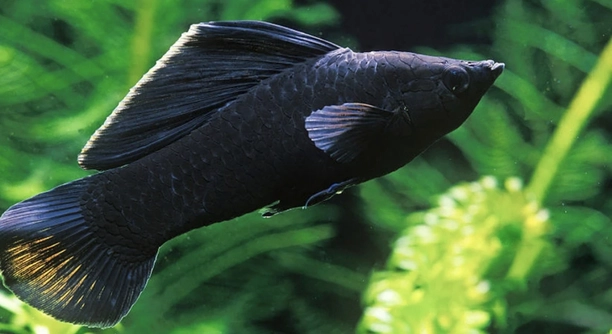
Breeding Black Mollies can be exciting, but sometimes it does not go as smoothly as planned. Many hobbyists face challenges that interfere with the process, leaving their fish less productive than expected. Managing these factors is key.
Several factors can disrupt Black Molly breeding, including poor water quality, unbalanced diet, inconsistent temperatures, overcrowding, stress from tank mates, lack of hiding spots, and improper lighting. Addressing these elements is essential to maintain a healthy and productive breeding environment.
Understanding these common disruptions can help you create a stable environment for your mollies and increase the chances of successful breeding outcomes.
Poor Water Quality
Maintaining clean water is crucial for Black Molly breeding. Dirty or contaminated water can stress the fish and lower fertility rates. High ammonia or nitrite levels are particularly harmful, leading to illness or even death. Regular water changes, proper filtration, and monitoring pH levels help ensure a stable environment. Sudden changes in water parameters can also shock mollies, causing reproductive problems. It’s important to test water weekly and adjust as needed. Mollies thrive in slightly alkaline water with moderate hardness. Using a water conditioner can remove harmful chemicals like chlorine or chloramine. Overfeeding can cloud water, so feeding in moderation helps maintain clarity. Clean gravel and decorations reduce waste buildup. Observing fish behavior can indicate water issues, as lethargy or hiding are common signs of stress. A healthy, stable tank environment supports active swimming, mating behavior, and better fry survival. Consistency is key for long-term breeding success.
Monitoring water regularly prevents stress and disease, ensuring a stable breeding environment for Black Mollies and supporting fry survival.
Keeping the water clean also reduces algae growth and keeps mollies more active. Over time, this creates a balanced ecosystem that encourages mating. Small adjustments, like removing uneaten food or partial water changes, can make a significant difference. Fry are particularly sensitive, so maintaining a steady environment is essential.
Unbalanced Diet
Feeding only one type of food can slow breeding.
A varied diet rich in protein, vegetables, and occasional live food enhances reproductive health. Black Mollies benefit from high-quality flakes, brine shrimp, and blanched vegetables. Nutrients like vitamins A and C support overall vitality. Feeding too little or too much can reduce egg production and fry survival. Rotating foods ensures they get a complete diet, and live foods trigger natural mating behaviors. Overfeeding creates water issues, so small, frequent meals are best. Supplementing with spirulina or daphnia encourages stronger fry and healthier adults. Observing which foods your mollies prefer can help maintain interest and intake. Nutritional balance directly affects energy levels and mating activity, making it easier to spot and address breeding problems. Proper diet also supports immune health, reducing illness-related breeding setbacks. Feeding routines should remain consistent to prevent stress. By managing diet carefully, breeding becomes more predictable and successful.
Inconsistent Temperatures
Temperature swings can stress Black Mollies and reduce breeding success. Maintaining a steady range of 75–80°F encourages mating and fry survival. Sudden drops or spikes can cause illness or prevent females from producing eggs.
Stable temperatures create a comfortable environment for mollies, allowing them to swim actively and interact naturally. Using a reliable heater and thermometer helps maintain consistency. Avoid placing the tank near windows or vents where fluctuations are common. Stress from unstable temperatures can result in reduced appetite and weaker fry. Gradual adjustments are necessary if changes are unavoidable. Mollies respond well to consistent warmth, which supports mating rituals and overall health. Observing behavior can indicate if temperatures are ideal, as lethargy or hiding often signals stress. Keeping the water steady reduces the risk of disease and improves reproductive outcomes.
Even small temperature inconsistencies can have long-term effects on breeding patterns. Monitoring daily and making minor corrections ensures mollies remain healthy, active, and ready to spawn. A stable, warm environment encourages regular mating cycles and increases fry survival rates.
Overcrowding
Too many fish in one tank limits space and increases aggression. Overcrowding causes stress, reduces oxygen levels, and can prevent females from breeding.
High-density tanks make it hard for mollies to establish territory or find mates. Aggression between males increases, often leading to injuries. Fry may be eaten or outcompeted for food, lowering survival rates. Providing adequate space allows natural behaviors, reduces stress, and supports better reproductive outcomes. It is important to maintain recommended stocking levels based on tank size. Dividing fish into separate breeding or community tanks can help. Monitoring interactions helps identify when overcrowding is a problem. Healthy populations are active, eat well, and breed more successfully. Space management directly affects water quality, as overcrowding leads to faster waste buildup. A well-planned tank setup balances numbers with available resources.
Stress from Tank Mates
Aggressive or overly active tank mates can scare Black Mollies and prevent breeding. Constant chasing or nipping stresses females, lowering egg production.
Peaceful community members and hiding spots help mollies feel secure. Stress-free environments encourage natural mating behaviors and higher fry survival.
Lack of Hiding Spots
Fry and pregnant females need places to hide. Plants, caves, and decorations give protection, reducing stress and predation. Without these, fry survival drops, and females may avoid mating areas, slowing reproduction. Providing ample cover ensures a safer and more productive breeding environment.
Improper Lighting
Lighting affects activity and breeding cycles. Too bright or inconsistent light can stress mollies, while a steady day-night schedule encourages natural behaviors. Balanced lighting supports feeding, mating, and fry growth, creating healthier fish and more successful breeding outcomes.
Overfeeding
Overfeeding creates waste that degrades water quality, stressing mollies. Small, controlled portions prevent pollution, keeping fish healthy and more willing to breed.
FAQ
How often should I change the water for Black Mollies?
Water changes are essential for maintaining a healthy tank. Ideally, change 20–25% of the water weekly. This helps remove excess waste, toxins, and uneaten food. Regular water changes keep ammonia and nitrite levels low, ensuring females remain healthy and fry survival rates are higher.
What is the best diet to encourage breeding?
A varied diet works best. Feed high-quality flake food, supplemented with live or frozen foods like brine shrimp, daphnia, and bloodworms. Blanched vegetables such as zucchini or spinach provide vitamins and fiber. Rotate foods to maintain interest and ensure all nutritional needs are met, supporting egg production and fry health.
How many mollies should I keep in a breeding tank?
A good ratio is one male for every two or three females. This reduces stress on females and prevents constant chasing by males. Overcrowding can lead to aggression, disease, and low fertility. Separate tanks for breeding can further improve fry survival and reduce stress.
Do Black Mollies need hiding spots?
Yes, hiding spots are critical for both pregnant females and fry. Plants, caves, and decorations provide shelter from aggressive tank mates and reduce stress. Stress-free fish are more likely to breed, and fry survival improves when they can hide immediately after birth.
How important is water temperature for breeding?
Temperature is very important. Keep the tank between 75–80°F. Fluctuations or sudden changes can stress fish, reducing mating behavior and egg viability. Use a reliable heater and thermometer, and avoid placing the tank near vents or windows where temperature changes frequently.
Can stress from other fish prevent breeding?
Absolutely. Aggressive or overly active tank mates can scare females, reduce egg production, and even cause illness. Keep peaceful species and provide enough space for mollies to swim freely. Monitoring interactions and offering hiding spots helps maintain a calm environment.
How long does it take for Black Mollies to give birth?
After mating, gestation usually lasts 50–60 days. Females give birth to fully formed fry, which can swim and feed immediately. Observing females’ belly size and behavior helps predict when they are close to giving birth.
Is lighting important for breeding?
Yes, consistent lighting supports natural behaviors. Avoid overly bright or inconsistent light, which can stress fish. Aim for a steady day-night cycle, roughly 10–12 hours of light per day. Proper lighting encourages feeding, mating, and healthy fry development.
What should I do if fry keep disappearing?
Fry can be eaten by adults or other tank mates. Provide plenty of hiding spots and consider separating adults from newborns. Feeding small amounts frequently encourages fry growth and reduces competition. Regular monitoring ensures more fry survive to adulthood.
How can I tell if my mollies are ready to breed?
Males display vibrant colors and a pointed anal fin, while females’ bellies swell as they carry eggs. Active swimming, chasing behavior, and courtship displays indicate readiness. Providing a calm, well-maintained environment increases the likelihood of successful mating.
Can overfeeding affect breeding?
Yes, overfeeding leads to excess waste, poor water quality, and stressed fish. Feed small portions multiple times a day, removing uneaten food promptly. A controlled diet keeps mollies healthy, supports breeding activity, and improves fry survival.
Do Black Mollies need live plants in the tank?
Live plants are very helpful. They provide hiding spots, improve water quality, and reduce stress. Fry can hide among leaves, increasing survival rates. Even a few well-placed plants can make a big difference in encouraging natural breeding behaviors.
How often should I monitor water parameters?
Check water at least weekly for pH, ammonia, nitrite, and nitrate levels. Keeping parameters stable is crucial for breeding success. Sudden changes can stress fish, reduce egg production, and affect fry health. Using reliable test kits ensures accurate results and a healthy tank environment.
Can temperature fluctuations cause fry loss?
Yes, sudden drops or spikes in temperature can stress both pregnant females and fry, sometimes leading to death. Maintain a steady range using a heater and thermometer, and avoid exposing the tank to drafts or direct sunlight that could cause fluctuations.
How can I prevent aggression in the tank?
Keep an appropriate male-to-female ratio, provide hiding spots, and avoid overcrowding. Aggressive behaviors often result from stress or lack of space. Observing interactions and making adjustments early prevents injuries and encourages successful breeding.
What is the ideal tank size for breeding?
A 20-gallon tank is a good minimum for a small breeding group. Larger tanks provide more swimming space, reduce stress, and improve water quality. More space allows multiple hiding spots and separate areas for fry to thrive.
Are there signs of stress I should watch for?
Lethargy, hiding, loss of appetite, and frayed fins indicate stress. Stress can prevent mating, reduce fertility, and make fish prone to disease. Address environmental issues like water quality, temperature, and tank mates promptly to maintain breeding success.
How long do Black Mollies live?
With proper care, Black Mollies can live 3–5 years. Maintaining water quality, a balanced diet, and a stress-free environment helps them reach full lifespan while supporting regular breeding cycles. Regular observation ensures early detection of health or breeding issues.
Can I breed Black Mollies in a community tank?
Yes, but success is higher in a dedicated breeding setup. Community tanks increase the risk of fry predation and stress from other fish. Providing hiding spots and monitoring interactions helps, but separating breeding pairs or groups is more reliable for consistent fry survival.
Do Black Mollies need special water hardness?
They prefer slightly hard to moderately hard water. Soft or very hard water can affect fertility and fry development. Maintaining proper hardness levels ensures egg viability and supports overall fish health, leading to more successful breeding outcomes.
How can I increase fry survival rates?
Provide hiding spots, maintain clean water, separate adults if necessary, and feed small nutritious portions. Avoid overcrowding and stress from aggressive tank mates. Observing fry closely and adjusting tank conditions improves growth, health, and long-term survival.
What is the best way to introduce new mollies for breeding?
Acclimate new fish slowly to avoid stress. Float the bag in the tank, gradually mix tank water over 20–30 minutes, then release. Stress-free introduction reduces aggression, encourages mating, and ensures new fish adjust well to the environment.
How can I tell if a female is pregnant?
A rounded belly, darker gravid spot near the anal fin, and changes in behavior indicate pregnancy. She may seek hiding spots and eat more. Monitoring these signs helps prepare for fry birth and ensures a safe environment.
Are there common mistakes that prevent breeding?
Yes, including poor water quality, inconsistent temperature, overcrowding, inadequate diet, lack of hiding spots, and stress from other fish. Addressing these issues ensures healthier adults, higher egg production, and improved fry survival. Consistency is key to reliable breeding.
Can I use artificial plants instead of live plants?
Artificial plants provide hiding spots but don’t improve water quality. They still reduce stress and offer shelter for fry. Combining both live and artificial options can create an effective environment for breeding and protection.
How long should fry stay separate from adults?
Keep fry separate until they are large enough to avoid predation, usually 4–6 weeks. Providing small, safe spaces helps them grow strong, reduces stress, and increases survival rates. Gradually reintroduce them when they are less vulnerable.
Do mollies need additional supplements for breeding?
Supplements like spirulina or vitamin-enriched foods improve overall health and fertility. While not strictly required, they support strong fry and enhance breeding activity, especially in tanks where natural food variety is limited.
What water pH is best for Black Mollies?
Slightly alkaline water, around 7.0–8.0 pH, is ideal. pH outside this range can stress fish, reduce egg production, and affect fry development. Regular testing and adjustments maintain optimal conditions for breeding success.
Can breeding stress cause illness?
Yes, stressed fish are more susceptible to disease. Poor water quality, aggressive tank mates, and inconsistent temperatures can weaken immune systems. Minimizing stress supports overall health and consistent breeding outcomes.
How do I encourage natural mating behavior?
Provide a stable environment, proper diet, hiding spots, and minimal stress. Observing males’ displays and allowing females space to respond encourages natural courtship, increasing the likelihood of successful reproduction.
Is frequent observation necessary?
Yes, daily observation helps detect water issues, stress, aggression, or health problems early. Monitoring behavior ensures timely interventions, maintaining breeding success and fry survival.
Can breeding affect adult mollies’ health?
If conditions are poor, repeated breeding can weaken females. Adequate diet, water quality, and stress reduction prevent exhaustion and support long-term reproductive health. Managing breeding cycles carefully keeps adults strong and productive.
How can I prevent fry from being eaten?
Provide dense plants, breeding nets, or separate tanks. Adults often eat fry if they are accessible. Ensuring hiding spots and limited exposure increases survival rates and allows more fry to reach maturity.
Is it necessary to track fry growth?
Tracking growth ensures proper feeding, detects health issues, and prevents overcrowding. Observing fry size and behavior helps maintain optimal conditions for long-term survival and adult development.
What is the role of tank size in fry development?
Adequate space reduces stress, prevents overcrowding, and allows fry to find food. Larger tanks provide more hiding spots and better water quality, directly improving survival and growth rates.
How can I tell if breeding is successful?
Signs include active courtship, visibly pregnant females, fry appearing in the tank, and consistent egg production. Healthy adults, thriving fry, and ongoing reproduction indicate a successful breeding environment.
Do Black Mollies breed year-round?
Yes, with stable conditions, they can breed continuously. Consistent temperature, clean water, and proper nutrition allow females to produce multiple batches of fry throughout the year.
Are there any special considerations for first-time breeders?
Start with a small, well-maintained tank, provide hiding spots, monitor water parameters, and ensure a balanced diet. Observing fish behavior and addressing stress promptly improves success for first-time breeding attempts.
How can I manage multiple breeding females?
Ensure enough space, hiding spots, and consistent water quality. Rotate feeding and observe interactions to prevent aggression. Managing multiple females carefully increases fry survival and reduces stress.
What should I do if breeding stops unexpectedly?
Check water quality, temperature, diet, tank mates, and stress levels. Addressing these factors often restores breeding activity. Regular monitoring and maintenance prevent prolonged disruptions and support healthy reproduction.
Can seasonal changes affect breeding?
Yes, changes in temperature or light can alter behavior and egg production. Maintaining consistent conditions indoors minimizes seasonal impact, keeping mollies on a regular breeding schedule.
How important is filtration for breeding?
Good filtration maintains water quality, reduces stress, and prevents disease. A reliable filter supports a clean, stable environment, crucial for successful mating, healthy fry, and overall tank balance.
Can Black Mollies breed in a planted tank only?
Yes, planted tanks provide hiding spots, shelter, and improved water quality. Live plants support fry survival and reduce stress, creating a conducive environment for natural breeding behavior.
How do I know if a male is healthy?
Vibrant colors, active swimming, and consistent mating behavior indicate a healthy male. Weak, dull, or inactive males may have lower fertility and reduce breeding success.
Can water hardness changes affect fry?
Yes, sudden changes in hardness can stress fry and adults. Maintaining consistent moderate hardness ensures proper development, egg viability, and overall breeding success.
How often should I feed fry?
Feed small portions multiple times daily. Fry require frequent, nutritious meals for growth. Overfeeding is harmful, so remove uneaten food to maintain water quality. Consistent feeding supports survival and healthy development.
What are the signs of poor breeding conditions?
Stress, lethargy, hiding, low egg production, and fry loss indicate problems. Address water quality, temperature, diet, hiding spots, and aggression promptly to restore successful breeding.
Can I use tank dividers for breeding?
Yes, dividers separate adults from fry, reduce aggression, and allow controlled breeding. They help protect newborns while maintaining a manageable environment for adults.
How do I know if a female is eating enough during pregnancy?
Monitor her appetite and weight. A healthy pregnant female should feed consistently. Loss of appetite or weight may indicate stress, illness, or poor water quality. Adjust diet and environment to support her needs.
Are there specific water additives that help breeding?
Some supplements, like liquid vitamins or probiotics, can support health and fertility. Use sparingly and follow guidelines, as overuse may disrupt water chemistry. Proper diet and stable water conditions remain most important.
Can breeding frequency harm females?
Excessive breeding without recovery periods can weaken females. Rotate breeding cycles, maintain nutrition, and reduce stress to ensure long-term reproductive health and vitality.
Do Black Mollies require a special tank substrate?
No special substrate is required, but smooth gravel or sand helps protect fry and reduces injury. Plants can root easily in soft substrate, providing hiding spots and improving tank quality.
How do I prevent disease during breeding?
Keep water clean, avoid overcrowding, monitor temperature, and provide a balanced diet. Quarantine new fish and remove sick individuals promptly to protect breeding adults and fry.
Can I breed Black Mollies in cold climates?
Yes, with indoor tanks and heaters maintaining 75–80°F. Stable temperature control prevents stress, allowing successful breeding regardless of outdoor conditions.
How long should I wait between breeding cycles?
Allow females to recover after giving birth, usually a few weeks. Proper rest, nutrition, and stable conditions support health and increase success in subsequent breeding attempts.
Do I need special equipment for breeding?
Basic needs include a reliable heater, thermometer, filter, hiding spots, and clean water. Additional items like breeding nets or tanks can improve fry survival and make management easier.
Is it normal for fry to hide most of the time?
Yes, hiding is natural for survival. Dense plants or decorations provide shelter. As fry grow and gain confidence, they become more active and start exploring the tank.
Can Black Mollies breed with other molly varieties?
Yes, they can hybridize with other molly types. Hybrids may have mixed traits, so separate purebred groups if maintaining a specific strain is important.
How do I handle aggressive males?
Reduce stress by adding hiding spots, ensuring enough females, and avoiding overcrowding. In extreme cases, separate overly aggressive males to protect females and fry.
What’s the best way to monitor fry growth?
Observe size, activity, and feeding. Regular checks allow adjustments to diet, space, and tank conditions, ensuring healthy development and reducing mortality.
Can poor water circulation affect breeding?
Yes, stagnant water can reduce oxygen and stress fish. Moderate circulation keeps water healthy, encourages activity, and supports breeding behavior.
How do I maintain consistency in a breeding tank?
Monitor temperature, water quality, feeding, and lighting daily. Regular maintenance, observation, and small adjustments ensure a stable, stress-free environment that promotes successful reproduction.
Can breeding Black Mollies be stressful for owners?
It can be, especially managing water, diet, and fry. Planning carefully and maintaining routines reduces challenges and increases the likelihood of healthy fish and successful breeding.
Are there visual signs of healthy fry?
Active swimming, consistent growth, clear eyes, and regular feeding indicate healthy fry. Weak or lethargic fry may need environmental adjustments or additional food support.
Do I need to remove uneaten food promptly?
Yes, uneaten food degrades water quality and can stress both adults and fry. Removing it maintains a clean tank, supporting health and successful breeding.
How do I avoid mistakes with first-time fry?
Provide hiding spots, maintain clean water, feed appropriately, and monitor interactions with adults. Small, consistent actions prevent common problems and improve survival rates.
Can sudden changes in pH harm fry?
Yes, abrupt pH changes stress fry and may be fatal. Maintain stable, slightly alkaline water for healthy growth and survival.
What is the ideal male-to-female ratio for multiple breeding groups?
One male for two or three females works best. This reduces stress and ensures higher egg production, allowing each female to breed successfully.
Are there long-term health concerns from frequent breeding?
Repeated breeding without proper care can weaken females. Ensure good diet, stable water, and recovery periods to maintain health and fertility over time.
How do I encourage fry to feed independently?
Offer finely crushed flakes, baby brine shrimp, or specialized fry food. Frequent small feedings stimulate natural feeding instincts and ensure healthy growth.
Can Black Mollies breed in low-light tanks?
Yes, but activity and mating behavior may be reduced. Moderate, consistent lighting encourages feeding and reproductive activity without stressing fish.
How often should I clean the breeding tank?
Partial water changes weekly and cleaning decorations as needed maintain water quality. Avoid deep cleaning that disturbs hiding spots or stress fish. Consistency supports breeding success and fry health.
Do fry require special water conditions?
Fry are sensitive to ammonia and nitrite. Maintain stable temperature, clean water, and moderate pH. Regular monitoring ensures optimal growth and survival.
How do I prevent stress when adding new fry?
Introduce slowly, provide hiding spots, and avoid aggressive adults. Gradual acclimation reduces stress and improves survival rates.
Is it normal for some fry not to survive?
Yes, some natural loss occurs even under optimal conditions. Providing hiding spots, proper feeding, and clean water maximizes survival.
Can I breed Black Mollies without live food?
Yes, though live food encourages mating behavior and stronger fry. High-quality flakes or frozen foods can substitute, but variety improves success.
How long do fry take to grow into adults?
Typically 3–4 months under ideal conditions. Growth depends on food quality, water stability, and tank space. Monitoring ensures proper development.
Can I breed Black Mollies in a small tank?
Yes, but limited space increases stress, reduces fry survival, and requires careful monitoring. Adequate hiding spots and water changes are crucial.
Do I need to remove adult mollies after breeding?
Separating adults prevents predation on fry and reduces stress. Adults can be returned after fry grow sufficiently to survive on their own.
What are the signs of poor fry health?
Lethargy, irregular swimming, loss of appetite, and slow growth indicate issues. Adjust water, food, or tank conditions promptly to improve survival.
Can breeding affect water parameters quickly?
Yes, more fish, feeding, and
Breeding Black Mollies can feel challenging at times, but understanding the key factors that influence success makes the process much more manageable. Water quality, diet, temperature, tank space, and stress levels all play significant roles in whether your mollies will reproduce successfully. Clean, stable water provides a safe environment for adults and fry, while a varied diet ensures that both males and females have the energy and nutrients they need to produce healthy offspring. Temperature consistency is equally important because fluctuations can stress the fish and disrupt their natural breeding cycles. When these basic needs are met, mollies are more likely to exhibit mating behavior and produce viable fry.
In addition to environmental factors, the social dynamics within the tank also matter. Overcrowding or aggressive tank mates can prevent females from breeding or even harm fry once they are born. Providing hiding spots with live or artificial plants, caves, or decorations gives both pregnant females and fry a sense of security. Observing your fish carefully can help you spot stress or discomfort early, which allows you to make adjustments before problems escalate. Simple steps, like keeping a balanced male-to-female ratio and monitoring water parameters regularly, can make a significant difference in the overall health and breeding productivity of your mollies. With the right setup, stress is minimized, and the fish are more likely to thrive and reproduce consistently.
Finally, patience and consistency are essential components of successful Black Molly breeding. These fish can reproduce year-round under ideal conditions, but rushing or making frequent sudden changes in the tank can reduce fertility and increase fry mortality. Regular maintenance, attention to diet, and monitoring behavior are all practices that support long-term breeding success. Even with careful management, some fry loss is normal, and occasional challenges should not discourage you. By creating a stable, healthy, and low-stress environment, you can enjoy watching your mollies grow, mate, and thrive over time. This process may take effort, but the reward of seeing healthy fry develop and flourish makes it worthwhile.

Hello,
If you enjoy the content that we create, please consider saying a "Thank You!" by leaving a tip.
Every little bit helps us continue crafting quality advice that supports the health, happiness, and well-being of pets around the world, for pets of all shapes, sizes, and species.
We really appreciate the kindness and support that you show us!