
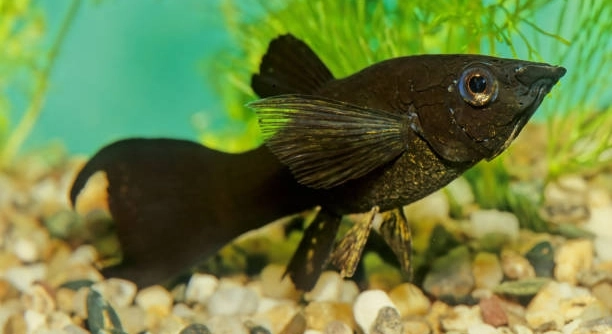
Do you ever find yourself bringing home a new Black Molly and feeling unsure how to help it settle in? Introducing a new fish to your aquarium requires careful planning and attention to ensure a smooth transition.
Acclimating a new Black Molly involves gradually adjusting it to the water conditions of its new tank. This process minimizes stress, reduces the risk of disease, and helps the fish adapt safely, promoting long-term health and stability in the aquarium.
Proper acclimation ensures your Molly thrives in its new environment. Following the right steps will support its health and help maintain harmony in your tank.
Preparing the Tank
Before introducing a new Black Molly, it is essential to ensure the tank is properly prepared. Start by checking water parameters such as temperature, pH, and hardness to match the conditions preferred by the Molly. Cleaning the tank and performing a partial water change helps remove debris and harmful bacteria, creating a safe environment. Make sure the filter is functioning well and consider adding live plants or hiding spots to reduce stress. Avoid overcrowding, as too many fish can increase aggression and disease risk. Adding a gentle aeration source will keep oxygen levels stable, especially in smaller tanks. It is also important to keep lighting consistent to help the fish adjust to day and night cycles. Preparing the tank in advance reduces sudden shocks to the Molly, giving it a higher chance of thriving in its new habitat. A well-prepared tank sets the foundation for a smooth acclimation process.
Proper preparation reduces stress and ensures your Molly adapts more easily to its new surroundings, supporting its overall health.
Taking the time to prepare the tank properly shows in the fish’s behavior. A calm, active Molly is a sign it feels secure. Observing its interactions with other tank mates will help you notice any signs of stress or illness. Gradually adjusting plants and decorations also provides a familiar environment, which can reduce hiding behavior and improve swimming patterns. Regular monitoring of water parameters during the first week is crucial. Minor fluctuations in pH or temperature can cause stress, so testing water frequently helps prevent issues. Feeding small amounts initially encourages the fish to eat and settle. Over time, your Molly will become more confident, exploring the tank and interacting with its surroundings. A prepared tank not only benefits the new Molly but also maintains balance for existing fish, ensuring a healthier aquarium for everyone.
Acclimating the Black Molly
Start by floating the sealed bag in the tank for about 15–20 minutes to equalize temperature and reduce shock.
Next, slowly introduce small amounts of tank water into the bag over 30–45 minutes. This gradual mixing allows the Molly to adjust to the water chemistry without sudden stress. Avoid pouring the fish directly into the tank immediately, as abrupt changes can weaken its immune system. Watch the fish carefully during this period for any signs of distress, such as rapid gill movement or frantic swimming. Once the acclimation period is complete, gently release the Molly into the tank, ensuring minimal disturbance. Keep lights dimmed initially to help the fish feel secure. Monitor it closely over the next few hours to ensure it begins exploring and eating normally. This method reduces the risk of shock and promotes a smoother transition, giving your Molly the best start in its new environment. Proper acclimation is critical for long-term health and adjustment.
Monitoring Behavior
Observe your Black Molly closely during the first few days. Watch for signs of stress, illness, or aggression from tank mates. Early detection helps prevent serious issues.
Newly introduced Mollies may hide or swim cautiously. These behaviors are normal as they adjust. Check for changes in coloration, gill movement, or unusual swimming patterns. Stress can weaken the immune system, making the fish more vulnerable to disease. Feeding small portions and maintaining consistent water conditions encourages natural behavior. Avoid sudden changes in lighting or water flow. Note interactions with other fish, ensuring no bullying occurs. A calm, gradually adapting Molly indicates successful acclimation and a healthy adjustment to the tank environment.
If signs of distress appear, separate the Molly in a quarantine or hospital tank. Address water quality or dietary issues promptly. Continued observation ensures the fish regains confidence, explores freely, and interacts normally with the community. Consistent monitoring in the first week builds a strong foundation for long-term health.
Maintaining Water Quality
Regular water testing is critical to keep your Black Molly healthy. Maintain stable temperature, pH, and hardness. Consistent water changes prevent harmful buildup of nitrates and ammonia.
Using a reliable water testing kit, monitor parameters at least twice a week. Temperature should remain stable within the species’ preferred range. Ammonia and nitrite levels must be zero, while nitrate should stay low. Partial water changes of 20–30 percent weekly remove toxins without shocking the fish. Filter maintenance is equally important. Rinse filter media gently with tank water to preserve beneficial bacteria. Avoid harsh chemicals that disrupt water chemistry. Proper water quality reduces stress, prevents disease, and promotes natural behavior. Maintaining a balanced environment ensures your Molly thrives, swims actively, and shows vibrant coloration consistently.
Water additives like dechlorinators and conditioners support safe water changes. Aeration and gentle circulation maintain oxygen levels. Regular observation of tank inhabitants ensures no one suffers from poor water conditions. Overfeeding or leaving uneaten food in the tank can degrade water quality quickly, so remove leftovers promptly. Monitoring behavior and water together provides a comprehensive approach to maintaining a healthy aquarium. When the water remains stable, your Black Molly adjusts smoothly, shows less hiding, and interacts naturally with other fish. This approach also supports long-term tank stability and reduces the risk of recurring health problems.
Feeding Gradually
Offer small amounts of food at first to prevent overfeeding and stress. Observe the Molly’s appetite and adjust portions gradually.
Use high-quality flakes or pellets suitable for Black Mollies. Avoid sudden changes in diet, as this can upset their digestion and increase stress levels.
Observing Social Interaction
Watch how your Molly interacts with other tank mates. Ensure it is neither bullied nor overly aggressive. Early observation helps maintain a peaceful environment.
Light and Environment
Maintain consistent lighting for the Molly. Gradual changes in light levels help the fish adjust naturally and reduce stress.
Handling Health Issues
Monitor your Molly for signs of illness such as discoloration, fin damage, or unusual behavior. Prompt attention prevents worsening conditions.
FAQ
How often should I feed my Black Molly?
Feed your Black Molly small portions once or twice a day. Overfeeding can pollute the water and cause health problems. Stick to amounts it can consume in two to three minutes, and remove any uneaten food promptly.
What is the ideal water temperature for a Black Molly?
Black Mollies thrive in water between 75 and 82 degrees Fahrenheit. Consistent temperature is important, as sudden drops or rises can stress the fish and weaken its immune system. Use a reliable heater and thermometer to maintain stability.
Can Black Mollies live with other fish?
Yes, Black Mollies are peaceful and can live with other non-aggressive fish. Avoid fin-nipping or overly territorial species. Monitor interactions, especially during the first week, to ensure harmony in the tank. Provide hiding spots to reduce stress.
How do I know if my Molly is stressed?
Signs of stress include rapid gill movement, hiding, loss of appetite, or faded coloration. Stress often comes from poor water quality, sudden changes, or aggressive tank mates. Address these factors immediately to support recovery.
How often should I change the water?
Perform partial water changes of 20–30 percent weekly. This removes waste and maintains stable water chemistry. Always use dechlorinated water at a similar temperature to avoid shocking the fish. Regular monitoring keeps the tank safe and healthy.
What type of food is best for Black Mollies?
High-quality flakes or pellets designed for livebearers work well. Supplement occasionally with blanched vegetables or live foods. A balanced diet ensures proper growth, vibrant coloration, and healthy reproductive function.
Do Black Mollies need live plants in their tank?
Live plants are beneficial but not required. They improve water quality, provide hiding spaces, and reduce stress. Choose hardy plants that tolerate the same water conditions as your Mollies. Artificial plants can also provide shelter if live plants are not an option.
How long does it take for a new Molly to adjust?
Adjustment can take several days to a week, depending on water quality, tank mates, and the fish’s health. Gradual acclimation and careful observation speed up the process and reduce the risk of illness.
Can Black Mollies breed in a community tank?
Yes, they can breed easily if conditions are right. Females give live birth. Provide plants or breeding mops to protect fry from adult fish. Monitor feeding to ensure young fish receive adequate nutrition.
What should I do if my Molly becomes sick?
Isolate the affected fish in a quarantine tank. Check water parameters and consider appropriate treatment. Early intervention increases the chances of recovery and prevents the spread of illness to other fish.
How can I prevent diseases in my Molly?
Maintain stable water parameters, avoid overcrowding, and feed a balanced diet. Quarantine new fish before introducing them to the tank. Regular observation helps catch issues early, keeping your Mollies healthy and active.
How much space does a Black Molly need?
Each Molly requires at least 3-5 gallons of water. A larger tank supports better swimming space and water stability. Adequate space reduces stress and promotes healthier behavior and growth.
Can Mollies tolerate brackish water?
Yes, Black Mollies can handle slightly brackish conditions. Gradually introduce salt if desired, but avoid sudden changes. Monitor the fish for signs of stress when adjusting salinity levels.
Is it necessary to provide a heater in the tank?
Yes, a stable temperature is essential. A heater maintains warmth, preventing stress caused by cold fluctuations. Use a thermometer to ensure accuracy. Consistent heat supports immune function and overall health.
How do I clean the tank without stressing my Molly?
Perform gentle water changes and clean decorations carefully. Avoid disturbing the fish directly. Use siphons and soft brushes to remove debris. Gradual cleaning keeps water quality high without causing unnecessary stress.
Can Black Mollies adapt to new tank mates quickly?
Adaptation varies by individual fish. Introduce tank mates slowly and monitor behavior. Providing hiding spaces and maintaining calm water conditions helps the Molly feel secure and reduces conflicts.
Are Black Mollies sensitive to light changes?
Yes, abrupt changes can stress them. Maintain a consistent day-night cycle with gentle lighting. Gradual adjustments prevent hiding, erratic swimming, and loss of appetite.
How long do Black Mollies typically live?
With proper care, Black Mollies can live three to five years. Maintaining stable water conditions, a balanced diet, and a stress-free environment supports longevity and overall health.
What should I do if my Molly refuses to eat?
Check water quality and temperature first. Offer a variety of high-quality foods in small amounts. If refusal continues, isolate the fish and monitor for illness. Stress, poor water conditions, or disease are common causes.
Can Mollies tolerate other water additives or treatments?
Only use safe, recommended treatments for freshwater fish. Avoid harsh chemicals that alter pH or harm beneficial bacteria. Always follow instructions carefully to protect the health of your Molly and other tank inhabitants.
Final Thoughts
Acclimating a new Black Molly requires careful attention and patience, but it is a rewarding process that sets the stage for a healthy, thriving fish. By preparing the tank in advance, monitoring water quality, and introducing the fish gradually, you provide a stable environment that reduces stress and supports long-term health. Small steps like testing the water, ensuring proper temperature, and adding hiding spots create a secure space for the Molly to explore and adjust. Each measure, although simple, plays an essential role in preventing disease and promoting natural behavior. Over time, you will notice the fish swimming confidently, interacting with other tank mates, and displaying vibrant coloration, which are clear signs that acclimation has been successful. Taking the time to focus on these basics is far more effective than rushing the process, and it strengthens your ability to care for other fish in the future. Consistency is key, as sudden changes in water parameters, lighting, or tank layout can quickly stress a newly introduced Molly, undermining all prior preparation.
Feeding habits, social interaction, and environmental conditions are all part of maintaining a healthy Black Molly. Offering small, frequent meals helps prevent overeating and keeps the water clean, which directly impacts the fish’s well-being. Observing the fish during feeding provides insights into its appetite and general health, allowing you to notice early signs of stress or illness. Social behavior should also be monitored, as a peaceful tank environment is essential for the Molly’s adjustment. Aggression from other fish or excessive hiding indicates a need for additional hiding spots or temporary separation. Environmental factors like lighting, temperature, and water movement all affect how comfortable the fish feels. Maintaining stable conditions helps the Molly establish a routine and reduces stress-related behaviors. These small, ongoing actions may seem simple, but together they create a reliable foundation for long-term success, allowing the fish to thrive both physically and behaviorally in its new home.
Overall, the process of acclimating a Black Molly highlights the importance of careful observation, patience, and consistent care. Paying attention to water quality, feeding, and social dynamics ensures that the fish adapts smoothly and remains healthy. Gradual introduction, monitoring behavior, and maintaining a stable environment all contribute to reducing stress and promoting longevity. Over time, the Molly will become more confident, exploring its surroundings, interacting appropriately with other fish, and showing a natural, vibrant appearance. By following these steps, you create a balanced aquarium that supports not only the new Molly but all inhabitants. Acclimation is not a one-time task but a continuous commitment to observing and adjusting conditions as needed. The effort invested in these careful practices results in a thriving fish and a more enjoyable aquarium experience. Ultimately, a well-acclimated Black Molly is a reflection of thoughtful care, and the knowledge gained from this process strengthens your ability to maintain a healthy, harmonious aquatic environment in the long term.

Hello,
If you enjoy the content that we create, please consider saying a "Thank You!" by leaving a tip.
Every little bit helps us continue crafting quality advice that supports the health, happiness, and well-being of pets around the world, for pets of all shapes, sizes, and species.
We really appreciate the kindness and support that you show us!