
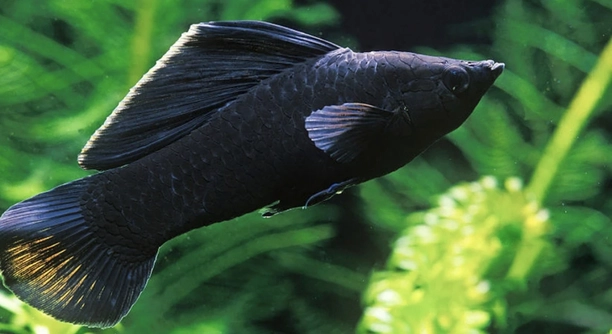
Have you ever wondered how a black molly adjusts to a fresh tank environment that feels unfamiliar, offering new sights, gentle movement and conditions that differ from what it experienced in its previous setup before.
Black mollies generally adapt to a new tank quickly when water parameters match their prior environment. Stable temperature, gentle acclimation and appropriate salinity support a smooth transition, reducing stress and encouraging normal behavior soon after introduction into the aquatic space.
Watching a molly adjust to fresh conditions helps you appreciate progress and understand the small steps guiding its steady comfort
Understanding Black Molly Behavior
Settling a black molly into a new tank feels simple on the surface, but there are small details that shape how smoothly the change unfolds. When I watch a molly enter fresh water conditions, I notice how it reacts to light, flow and space, showing me clues about its comfort. A stable setup helps it explore calmly, allowing the fish to understand its surroundings without feeling pressured. Clean water, steady temperature and gentle filtration support its early adjustment, giving it room to swim in a relaxed way. I also pay attention to how quickly it begins eating, since that signals reduced stress. Feeding lightly and keeping the environment peaceful helps maintain steady behavior. Taking a close look at these signs gives me a clear view of what the molly needs during its first hours. With simple care, the fish settles in and begins showing natural movements that signal healthy adaptation.
Noticing these early reactions makes it easier to support the molly during its first hours in the tank, helping it stay steady. Simple care choices reduce tension and encourage the fish to adjust in a calm way, creating a stable start that supports long term comfort in its new home.
Once the molly begins to explore with steady movements, you can reinforce its comfort by keeping conditions consistent. Avoid changing equipment or lighting during the first days, since stability helps the fish feel secure. Light feeding supports healthy energy without overwhelming its system. I find that giving the molly quiet periods encourages natural behavior, allowing it to rest and gain confidence. Gentle observation helps you understand what it needs while preventing unnecessary stress. When these small steps remain steady, the molly shows bright coloration, steady swimming patterns and appetite, all signs that it has adapted well to its new space.
Key Factors That Influence Adaptation
Several key factors shape how quickly a black molly settles, including stable water chemistry, soft movement in the tank and low noise around the setup. These conditions reduce tension and help the fish feel safe during its first days, supporting a smoother adjustment as it learns the environment calmly today.
Supporting a black molly during adaptation becomes easier when each factor receives careful attention. Stable temperature prevents sudden stress that could interrupt feeding or natural movement. Matching pH to its previous home limits discomfort, allowing the fish to swim with ease. Gentle aeration keeps the water fresh without creating forceful currents that may overwhelm the molly during its first days. I also find that plants offer hiding spots that help it feel secure, especially when placed near corners where the fish can pause and rest. Limiting loud activity around the tank also encourages calm behavior, helping the molly explore without feeling disturbed. Frequent testing helps you correct any shifts in ammonia, nitrite or nitrate before they affect comfort. Feeding lightly during this time supports digestion while avoiding extra waste. Observing how the molly uses open space and covered areas gives you useful clues about its stress level. When all these elements stay balanced, the fish begins showing smooth patterns and steady appetite, clear signs that it has acclimated to the new environment. With consistent attention to these simple needs, you create a space that supports long term stability, allowing the molly to thrive with confidence and maintain healthy behavior today.
xxxxxxxxxxxxxxxxxxx
Maintaining stable water conditions helps a black molly feel secure after entering a new tank. I focus on temperature, pH and cleanliness to prevent sudden stress. Keeping everything steady encourages calm swimming, healthy appetite and predictable behavior that shows the molly is settling into its surroundings with comfort today nicely.
A balanced tank setup supports the molly during its early adjustment by keeping stress low and movement natural. I rely on gentle filtration to maintain fresh water without strong currents, allowing the fish to swim with ease. Moderate lighting prevents overstimulation and encourages steady activity. Adding plants gives the molly places to pause and rest, which helps it regain comfort when observing its surroundings. I also pay attention to breathing patterns and fin movement, since calm behavior reflects improved confidence. As these conditions remain consistent, the molly begins exploring more freely and shows signs of healthy adaptation within its tank.
Feeding practices also influence how smoothly the molly settles, so I choose simple routines that prevent stress. Light meals keep the tank clean and reduce pressure on the fish during its early days. I prefer offering small portions that the molly finishes quickly, avoiding leftovers that could affect water quality. Watching its appetite helps me understand its comfort, since steady eating reflects improved adjustment. I avoid sudden diet changes and instead maintain familiar foods that support digestion. When feeding stays consistent and the environment remains clean, the molly gains confidence, explores more openly and responds well to the stable conditions.
xxxxxxxxxxxxxxxxxxx
Water quality plays a major role in the molly’s comfort, so keeping parameters steady prevents unnecessary stress. I monitor ammonia, nitrite and nitrate closely to avoid spikes that could disrupt its adjustment. Frequent light maintenance keeps the environment stable and helps the fish maintain healthy movement, appetite and coloration throughout its early days. These small actions give the molly steady support that encourages calm behavior and reduces tension as it becomes comfortable in its space.
Maintaining consistent water quality also gives you reliable signs of how well the molly is adapting. I test the water often enough to catch small shifts before they affect comfort, keeping the environment predictable. Stable pH protects the molly from sudden irritation, while steady hardness helps its body function smoothly. Gentle cleaning avoids disturbing the fish while still preventing buildup that could cloud the water. I also watch how the molly reacts during these small tasks, since calm swimming shows that it feels secure. Consistent clarity from the tank indicates that the conditions are supporting healthy behavior. When all these factors continue to stay balanced, the molly becomes more active, shows brighter colors and interacts with its surroundings in a relaxed and steady way today.
xxxxxxxxxxxxxxxxxxx
Soft movement in the tank helps the molly stay relaxed, so I keep the flow gentle enough for steady swimming. Strong currents can unsettle the fish, so maintaining calm water movement supports smoother adjustment and encourages the molly to explore without tension during its early days inside the tank.
Adding plants or small decorations gives the molly places to pause when it needs a moment to feel secure. I notice that these quiet spaces help reduce stress, especially during the first hours. Simple structures provide comfort, allowing the fish to settle in without feeling exposed or overwhelmed.
xxxxxxxxxxxxxxxxxxx
Healthy lighting supports normal behavior, so I choose brightness that feels soft rather than harsh. Strong lighting can cause hesitation, but gentle light allows the molly to move comfortably through the tank. I try to keep the lighting schedule consistent, which helps the fish understand when to rest and when to stay active. Observing how it reacts to changes in brightness tells me whether the lighting feels suitable. When the light remains steady, the molly shows calmer swimming patterns and brighter colors, signs that it is feeling secure. Keeping this part of the environment stable helps maintain comfort as the molly adapts.
xxxxxxxxxxxxxxxxxxx
A quiet environment around the tank supports calm behavior, so I avoid loud activity that could startle the molly. Soft surroundings help it settle faster, encouraging steady movement and normal feeding. Simple attention to noise levels makes the adjustment process easier and supports stable behavior during its early days.
FAQ
How long does a black molly usually take to adjust to a new tank?
A black molly often settles within a few days when conditions stay steady and familiar. I see early signs of comfort when it explores calmly and eats with interest. Stable temperature, clean water and gentle flow help the fish feel safer and more relaxed. When these elements remain consistent, the molly shows smoother movements and brighter color, which suggests it is responding well to its new space without extra tension.
Why does a black molly hide a lot after being moved?
Hiding is a common response to stress, especially during the first hours in a new tank. The fish needs time to understand the layout and find spots that feel safe. I give it plants or small structures to help it feel covered without blocking open swim areas. When the molly becomes more familiar with the surroundings, it usually ventures out more often and displays its natural behavior again.
What signs show that a black molly is stressed in a new tank?
Stress can show through fast breathing, hesitation, hiding for long periods or ignoring food. I also watch for clamped fins or dull color, since those signs help me understand how the fish feels. When I notice these reactions, I check water parameters and make sure nothing changed suddenly. Keeping the environment calm and predictable usually eases the tension and encourages smoother adaptation.
Is it normal for a black molly to eat less right after being moved?
Reduced appetite is common at first because the fish is getting used to new surroundings. I offer small meals without pushing too much food, since a gentle feeding routine helps the molly feel less pressure. Once it feels secure, its appetite usually returns. Watching how it reacts to food helps me understand its comfort level and whether the tank conditions support healthy behavior.
What helps a black molly adjust faster?
Matching water parameters to its previous home supports faster adjustment. Stable pH, moderate hardness and steady temperature ease the transition. I keep lighting consistent and avoid rearranging the tank during the early days. Light feeding keeps the environment clean, which helps the molly swim with ease and settle more smoothly. When conditions stay predictable, the fish gains confidence and begins exploring without hesitation.
Can tank mates influence how well a black molly adapts?
Tank mates play a big role in the molly’s comfort. Peaceful fish help reduce tension, while overly active or aggressive species can create stress. I watch interactions closely to make sure the molly is not being chased or pushed around. If it seems uncomfortable, I adjust the setup or separate the fish. Calm company encourages better adjustment and supports healthy behavior.
Why does a black molly swim near the surface in a new tank?
Swimming near the surface can mean the molly is exploring or responding to water conditions. Sometimes it checks the new flow pattern or looks for calmer spots. However, if it stays at the surface for long periods, I check oxygen levels and water quality to make sure everything is balanced. Once conditions feel steady, the molly usually begins moving throughout the tank with more confidence.
Should I perform water changes while the molly is still adjusting?
Light water changes are fine as long as they do not disturb the tank too much. I keep them small and gentle to avoid sudden shifts that could unsettle the fish. Clean water helps maintain comfort, but changes must stay controlled. Watching the molly during and after the process helps me understand how carefully I should proceed. When handled gently, these small changes support long term stability and keep the environment safe.
Final Thoughts
Caring for a black molly during its adjustment period becomes much easier when you understand how small changes influence its comfort. I notice that the fish reacts strongly to stability, so keeping the environment calm helps it settle without unnecessary stress. Gentle lighting, steady temperature and clean water create a space that supports healthy behavior. When these elements remain stable, the molly begins to explore more confidently, showing movements that feel natural and relaxed. I always pay attention to how it swims, eats and rests, since these simple observations help me understand what it needs. With patience and consistency, the fish grows more secure in its surroundings and shows signs of comfort that reflect healthier adaptation. This steady approach makes the process smoother and encourages long term wellbeing, which becomes clear as the molly moves with ease and shows brighter color each day.
What stands out the most is how much the molly benefits from predictable conditions. Even small disruptions can cause hesitation, so I try to keep everything as steady as possible. Watching where the molly chooses to swim helps me understand which areas of the tank feel comfortable for it. Plants and decorations provide resting places that make the tank feel safer without creating clutter. I avoid loud activity around the tank, since noise often startles the fish during its early days. Light feeding also plays a meaningful role in helping the molly regain confidence, since too much food can cloud the water and create tension. When I keep the environment peaceful, the fish responds with smoother swimming and steady breathing. These small signs tell me that the molly is moving toward comfort. Over time, I see it explore different spaces with more interest, showing that patience and careful observation create the conditions it needs.
Supporting a black molly through its early adjustment is not complicated, but it does require simple, steady attention. I find that focusing on the basics makes the greatest difference, especially when the fish is still learning the layout of its new home. Clean water, gentle flow and predictable light help the molly feel safe enough to show its natural behavior. When I notice it swimming calmly, interacting with its surroundings and eating without hesitation, I know the tank conditions are working in its favor. These signs remind me that consistency matters more than anything else during this stage. With stable care and a peaceful setup, the molly begins to thrive, showing healthy patterns that reflect a strong adjustment to its environment.

Hello,
If you enjoy the content that we create, please consider saying a "Thank You!" by leaving a tip.
Every little bit helps us continue crafting quality advice that supports the health, happiness, and well-being of pets around the world, for pets of all shapes, sizes, and species.
We really appreciate the kindness and support that you show us!