
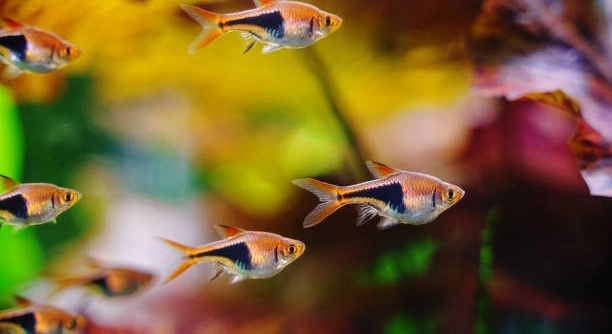
Have you ever set up a peaceful aquarium only to realize one of your fish seems a little too quiet and withdrawn? Watching a single rasbora swim alone can bring up concerns about its well-being and daily comfort.
Rasboras are schooling fish and do not thrive when kept alone. They require the presence of their own kind to feel secure, display natural behaviors, and maintain good health, making solitary living unsuitable for them.
Learning more about their needs will help you create a healthier, more active environment for your rasbora and avoid common mistakes.
Why Rasboras Should Not Live Alone
Rasboras are small, peaceful fish that naturally live in groups. In the wild, they swim together in schools to feel safe, communicate, and stay active. When kept alone in a tank, a rasbora often becomes stressed. You might notice signs like hiding more often, refusing food, or swimming in odd patterns. These behaviors happen because it feels unsafe and unsure without the presence of its own kind. A group of six or more rasboras helps provide the sense of safety and comfort they need. Being in a school also encourages natural behaviors, like playful swimming and better feeding habits. Without these, the fish can grow dull, both in color and activity. A single rasbora may survive for a time, but it will not thrive or feel content in its environment. Keeping rasboras in a group is one of the most important things you can do for their well-being.
A lone rasbora can become anxious, inactive, and even sick over time. This is not ideal for the fish or for the balance of the tank itself.
By adding more rasboras to your tank, you create a more natural and stable space. They become more active, show brighter colors, and live longer. Watching a group of rasboras swim together peacefully adds life and movement to the aquarium. Their natural schooling behavior is calming to observe and gives them a sense of security. Tankmates help reduce stress, which lowers the risk of disease and leads to a healthier tank overall. Even if space is limited, having at least six rasboras is highly recommended. If your tank is too small for a group, consider waiting until you can provide a more suitable setup. It’s better to plan ahead than to keep a rasbora alone and risk its health. Taking the time to understand what they need makes a big difference in how well they live in your care.
What to Do If You Already Have One Alone
If you already have a single rasbora, there are a few things you can do to help while planning for a better setup.
Start by checking the size of your tank and see if it can support more fish. If it’s too small, you might want to upgrade. Once you’ve made sure there’s enough space, consider adding more rasboras—ideally five or more. It’s best to add them all at once, so they can form a school quickly. Choose fish that are around the same size as your current one to avoid any stress or bullying. While waiting, keep the tank peaceful and clean. Add plants and hiding spots to help the lone rasbora feel more secure. Limit sudden changes in lighting or movement near the tank. Observe your fish closely for signs of distress, such as dull colors or odd swimming. These can improve once more rasboras are added. Always introduce new fish slowly, letting them adjust to the tank’s conditions first.
Signs Your Rasbora Is Lonely
A lonely rasbora may swim less, hide more often, or avoid eating. These behaviors usually appear gradually but can become more noticeable over time. Its colors might fade, and it may stop exploring the tank as much as it once did.
You might also notice your rasbora pacing the tank or staying near one corner. It may appear restless or nervous, especially when there are movements outside the tank. These signs are linked to stress and confusion from being alone. Rasboras are social by nature, and the lack of a school affects their confidence and behavior. Even if your tank has hiding spots and plants, it’s not enough to replace the comfort of other rasboras. Loneliness can weaken their immune system and make them more likely to get sick. Over time, these symptoms can get worse if no changes are made to their environment.
Another common sign is a lack of interaction during feeding. Rasboras in groups often swim together and eat more actively, but a single one may ignore food or eat slower. If it’s not engaging with its surroundings, this can point to deeper stress. These small changes in daily behavior are important to notice early. Making a few changes—like adding more fish—can help reverse these symptoms. When they are part of a group again, most rasboras recover quickly, showing brighter colors and more active swimming. Watching for early signs helps prevent bigger problems later on.
Minimum School Size and Tank Setup
Rasboras should always be kept in groups of at least six. This number helps them feel safe and allows their social behaviors to shine. A group this size creates a peaceful and balanced environment where rasboras are more relaxed, active, and healthy.
A school of six or more rasboras needs enough space to swim comfortably. A tank size of 20 gallons is ideal for most small rasbora species, such as harlequins or chili rasboras. Make sure the tank is fully cycled and well-maintained. Soft lighting, live plants, and some shaded areas will help reduce stress. Keep the water clean and within the right temperature range (72–80°F). Rasboras do best in tanks with stable conditions and gentle filtration. Sudden changes in temperature, lighting, or water chemistry can make them feel unsafe—even in a group. Having a peaceful tank setup with plenty of room and stable water will keep your rasboras healthy and stress-free.
Can a Rasbora Be Kept with Other Fish Instead?
Rasboras can live with other peaceful fish, but it doesn’t replace their need for a proper school. While tankmates can offer some activity, they won’t provide the same comfort or communication that other rasboras offer.
Even in a mixed tank, rasboras will still look for their own kind. Without them, the fish may stay shy or act uneasy. Peaceful tankmates are a good addition but not a substitute for a rasbora group.
How Long Can a Rasbora Survive Alone?
A rasbora may survive alone for several months, or even longer, but its quality of life will be poor. It may appear fine at first but can quickly become stressed, withdrawn, and prone to illness. Over time, it may stop eating well and become inactive. Stress weakens its immune system, making it more likely to get sick or suffer from common tank problems. Some rasboras may live out their full lifespan alone, but this isn’t ideal. Their health, behavior, and happiness are all linked to being part of a school. It’s always better to fix the situation rather than hope they adjust.
Is It Ever Okay to Keep Just One Rasbora?
Keeping just one rasbora is not recommended. It may survive, but it will not behave naturally or stay as healthy over time.
Can a single rasbora live happily alone?
No, a single rasbora cannot live happily alone. These fish naturally live in groups and rely on their school for safety and social interaction. When isolated, they often become stressed, which can lead to health problems and unusual behaviors like hiding or reduced activity. Keeping a single rasbora means it misses out on its natural schooling behavior, which affects its mental and physical well-being.
How many rasboras should be kept together?
The ideal number is at least six rasboras. This allows them to form a proper school where they feel secure and can interact naturally. Smaller groups of two or three don’t provide enough social comfort and can still cause stress. Groups larger than six are fine as long as the tank is big enough to support them.
What tank size is best for a group of rasboras?
A 20-gallon tank is recommended for a small school of six rasboras. This size gives them enough room to swim freely and reduces stress. Tanks smaller than 10 gallons are not suitable for groups, as overcrowding can cause aggression and poor water quality. Larger tanks are even better if you want to add plants or other fish.
Can rasboras live with other fish instead of their own kind?
Rasboras can live peacefully with other small, calm fish like tetras or guppies, but other species do not replace their need for a school of their own kind. They still require other rasboras to feel secure and behave naturally. Having tankmates helps keep the environment lively but cannot fulfill their social needs fully.
What signs show a rasbora is stressed from being alone?
Signs include hiding a lot, loss of color, slow or erratic swimming, and refusing to eat. They may also stop schooling behavior, appearing nervous or lethargic. Stress weakens their immune system, making them more prone to illness. Watching for these signs early can help you take action to improve their situation.
How long can a rasbora survive alone without other fish?
A rasbora can survive alone for several months or even years in some cases, but its health and happiness will decline. Long-term isolation causes chronic stress, which reduces lifespan and overall vitality. They might live but will not thrive, making it important to keep them in groups.
Is it ever okay to keep just one rasbora temporarily?
Temporarily keeping one rasbora can be acceptable if it’s for a short time while preparing a suitable tank or acquiring more fish. However, this should be a very brief situation, as prolonged isolation will harm the fish’s well-being. It’s best to plan ahead and avoid keeping a single rasbora for too long.
How should new rasboras be introduced to a tank?
Introduce new rasboras slowly and in groups to reduce stress. Quarantine them first in a separate tank to ensure they are healthy. When adding them to your main tank, float their bag in the water to equalize temperature before releasing them gently. Adding all new fish at once helps them form a school quickly.
What water conditions do rasboras prefer?
Rasboras prefer clean, well-filtered water with a temperature between 72 and 80°F (22-27°C). They thrive in slightly soft to moderately hard water, with a pH around 6.5 to 7.5. Stable water parameters help reduce stress and promote good health. Regular water changes and monitoring are important.
Can stress from loneliness cause diseases in rasboras?
Yes, stress weakens a rasbora’s immune system, making it more susceptible to diseases such as ich, fin rot, or fungal infections. A lonely rasbora under constant stress may develop these illnesses more easily than one living in a comfortable school. Preventing stress through proper social groups is key to keeping them healthy.
What can be done if you find a rasbora alone in a tank?
If you find a rasbora alone, the best solution is to add more rasboras of the same species to form a school. Ensure your tank size can handle a group and check water conditions before adding new fish. Meanwhile, provide plenty of plants and hiding spots to reduce stress. Observe the fish closely for any signs of illness.
Are there any rasbora species more tolerant of being alone?
Most rasboras are schooling fish and do not do well alone, but some species like the dwarf rasbora may tolerate solitude slightly better. However, even these fish show improved health and behavior when kept in groups. It’s safer and kinder to always keep them in schools regardless of species.
Does a lonely rasbora affect the aquarium environment?
A lonely rasbora may become less active, which can reduce the liveliness of your tank. Stress in fish can sometimes lead to poor appetite, affecting the tank’s cleanliness as uneaten food accumulates. Healthy, active fish help maintain a balanced environment, so keeping rasboras in groups supports overall tank health.
When thinking about keeping rasboras, it’s important to remember that these fish are social creatures. They naturally live in groups and depend on one another for safety and comfort. A single rasbora will often feel stressed and uncomfortable, which can lead to health problems or unusual behavior. By providing a school of at least six, you help your fish live more naturally and happily. This also means your tank will be more lively and balanced, with fish that swim actively and show their true colors.
Taking care of rasboras means more than just giving them clean water and food. It also means understanding their social needs. If you already have a lone rasbora, try to add more as soon as possible. Make sure your tank is big enough and well-maintained to support a small group. Adding plants and hiding spots can also help reduce stress while your fish adjust to their new companions. Watching your fish closely will help you notice any changes in behavior or health early, so you can act quickly to keep them comfortable.
Ultimately, keeping rasboras in groups is the best way to ensure they thrive. Their natural schooling behavior is not just a preference but a necessity for their well-being. When they are with their own kind, they feel safer and behave more naturally. This means they live longer, stay healthier, and bring more enjoyment to your aquarium. Planning ahead and creating a proper environment shows care and respect for your fish, making the experience better for both you and your rasboras.

Hello,
If you enjoy the content that we create, please consider saying a "Thank You!" by leaving a tip.
Every little bit helps us continue crafting quality advice that supports the health, happiness, and well-being of pets around the world, for pets of all shapes, sizes, and species.
We really appreciate the kindness and support that you show us!