
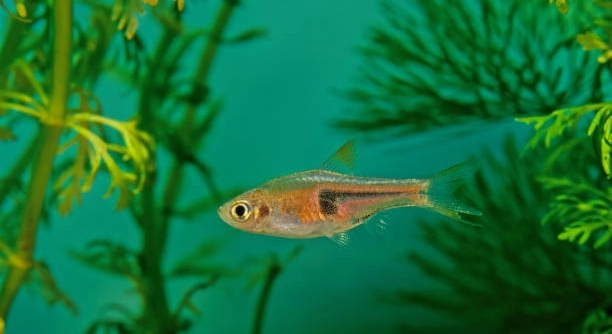
Do you ever find your rasboras swimming restlessly or looking unsettled after the lights go out in their tank? They may be sensitive to small changes that disrupt their peaceful nighttime routine, affecting their comfort and overall health.
Rasboras can be disturbed at night by sudden light exposure, water movement changes, unusual tank vibrations, temperature fluctuations, aggressive tankmates, excessive noise, and inconsistent feeding schedules. These disruptions can cause stress and lead to long-term health issues.
Recognizing these disturbances can help you create a more stable environment, ensuring your rasboras enjoy a calm and stress-free night in their tank.
Sudden Light Exposure
Rasboras thrive in stable lighting conditions, and abrupt changes can disturb their rest. When tank lights are turned on or off too quickly, it can startle them, causing stress. Even small amounts of light from nearby lamps, phone screens, or windows can affect their natural sleep cycle. These fish are sensitive to their surroundings, and nighttime is their recovery period. Any disruption during this time can lead to reduced immunity and sluggish behavior during the day. To help them, it’s important to maintain a consistent lighting schedule and avoid placing the tank where it’s exposed to unpredictable light sources at night.
A consistent day-night cycle helps rasboras regulate their natural rhythms. Leaving a dim light on in the room can help reduce the shock of sudden darkness or brightness. This small step can make a noticeable difference in keeping them calm at night.
When possible, invest in a timer for your aquarium lights. This ensures they turn on and off gradually, simulating a sunrise and sunset effect. Avoid using overhead lights directly above the tank at night, and close curtains to block streetlights. These adjustments not only improve their rest but also keep them feeling safe and less stressed in the long run.
Unusual Tank Vibrations
Tank vibrations may not seem serious, but they can create constant low-level stress for rasboras. Placing the aquarium near a washing machine, television, or heavy foot traffic area can cause subtle yet persistent movement in the water. Even tapping on the glass or setting objects down near the tank can make them uneasy.
Rasboras sense vibrations through their lateral line system, a built-in sensitivity to water movement. This is helpful in nature for detecting predators, but in a home aquarium, it means they can react strongly to harmless disturbances. Repeated exposure to vibrations can make them skittish, interrupt their rest, and lower their immune response. To avoid this, place the tank in a quiet location away from household machinery or frequent activity. Adding a sturdy stand and soft padding under the tank can also help absorb shock. Keeping the environment stable will encourage your rasboras to stay relaxed, active, and healthy.
Temperature Fluctuations
Sudden changes in water temperature can unsettle rasboras quickly. Even a few degrees difference between day and night can cause them to become stressed, affecting their immune system and making them more prone to illness over time.
Rasboras prefer consistent temperatures, usually between 75°F and 80°F. When temperatures drop at night or spike during the day, it disrupts their comfort and can even impact their metabolism. Using an aquarium heater with a thermostat is essential for stability. Avoid placing the tank near windows, vents, or heaters where temperatures can shift unexpectedly. Consistency in water temperature is one of the most important factors for their health.
If your home experiences cooler nights, ensure your heater is functioning properly and positioned for even heat distribution. In warmer weather, keep the room well-ventilated to prevent overheating. Gradual changes are always better than sudden adjustments. Stable water conditions will help your rasboras stay active, stress-free, and healthy year-round.
Aggressive Tankmates
Living with aggressive species can make rasboras anxious. Even if they are not physically harmed, constant chasing or territorial displays can interrupt their rest and cause ongoing stress during both day and night.
Stress from aggression can lead to hiding, loss of appetite, and reduced energy in rasboras. To prevent this, choose peaceful tankmates that share similar temperaments. Avoid species known for fin-nipping or territorial behavior. If aggression occurs, use tank dividers or rearrange decorations to break up sightlines and give your rasboras space to swim freely. A peaceful environment will keep them more relaxed and confident in their surroundings.
Excessive Noise
Loud sounds near the tank can startle rasboras and keep them on edge. Even sudden claps, music bass, or slamming doors can disrupt their rest, causing them to remain alert when they should be calm.
Keeping the tank away from high-traffic areas or noisy electronics helps minimize stress. Soft, steady background noise is less disturbing than irregular loud sounds. Consistent quietness at night allows rasboras to feel secure and recover properly.
Inconsistent Feeding Schedules
Feeding at irregular times can confuse rasboras and cause restlessness. They learn to expect food at certain times, and inconsistency can lead to searching behavior or anxiety when food doesn’t arrive as expected.
Establishing a regular feeding schedule helps keep their energy balanced and their stress low. Feed them at the same time each day, ideally during daylight hours, so they settle into a routine and rest peacefully at night.
Poor Water Quality
Unclean or chemically imbalanced water can irritate rasboras and make them more active at night. Stable, clean water conditions are essential for their comfort and health, especially when they are resting.
What causes rasboras to be restless at night?
Rasboras can become restless at night due to several factors, such as sudden changes in lighting, water temperature fluctuations, vibrations near the tank, or even loud noises. Their natural behavior is to rest during the dark hours, so anything that disrupts their environment can make them uneasy and active when they should be calm. Consistent conditions help them feel safe and secure, reducing nighttime restlessness.
How can I create a stable environment for my rasboras?
Creating a stable environment means controlling light, temperature, and noise levels around the tank. Use a timer for aquarium lights to keep day-night cycles regular, install a reliable heater to maintain water temperature, and place the tank away from noisy appliances or heavy foot traffic. Avoid tapping or shaking the tank, and keep the water clean with regular maintenance. This helps rasboras stay calm and healthy.
Are certain tankmates better for rasboras at night?
Yes, peaceful and non-aggressive fish are best as tankmates for rasboras. Aggressive or territorial fish can chase or stress them, disrupting their rest. Species like small tetras, peaceful danios, or calm bottom dwellers work well. Avoid fin-nippers or larger predatory fish. A harmonious community tank helps rasboras feel safe both day and night.
Can sudden lights really harm rasboras?
Sudden light changes don’t physically harm rasboras but can cause stress by interrupting their natural rest cycle. They are sensitive to abrupt lighting shifts, which can trigger a fight-or-flight response. This stress can weaken their immune system over time, so gradual light transitions using timers or dimming help maintain their well-being.
How important is water quality for rasboras’ nighttime comfort?
Water quality is very important. Poor water conditions with high ammonia or nitrate levels can irritate rasboras and increase their stress, leading to restless behavior. Regular water changes, proper filtration, and monitoring parameters keep the environment healthy. Clean water supports normal behavior and restful nights.
What role does feeding schedule play in rasboras’ behavior?
Feeding schedules help set a routine. Irregular feeding can cause rasboras to search for food even during their resting time, making them more active at night. Feeding once or twice daily at consistent times helps regulate their energy and calmness. Overfeeding should be avoided to prevent water quality issues.
How can I reduce vibrations affecting my tank?
Place your aquarium on a sturdy stand and use padding beneath it to absorb shocks. Keep the tank away from washing machines, heavy foot traffic areas, or speakers. Even small vibrations from tapping or loud noises can unsettle rasboras. Reducing these helps them relax and avoid stress-related problems.
Is it normal for rasboras to be more active at night sometimes?
While rasboras are generally more active during the day, occasional nighttime activity can happen if their environment changes or they are stressed. However, if they consistently swim erratically or don’t rest, it usually signals a problem with lighting, temperature, or tank conditions that should be addressed.
What temperature range should I maintain for rasboras at night?
Keep the water temperature stable between 75°F and 80°F. Avoid sudden drops or rises, as even small changes can stress them. Use a heater with a thermostat for accuracy, and monitor temperature regularly. Stable warmth promotes restful behavior and overall health.
Can noise from household activities really affect rasboras?
Yes, loud or irregular noises can startle rasboras and make them more alert at night. Continuous exposure to sounds like TV volume, music bass, or people moving around near the tank can increase stress levels. Quiet surroundings support a calm, peaceful environment for better rest.
How often should I clean the tank to help rasboras feel comfortable?
Regular cleaning every one to two weeks helps maintain good water quality, removing waste and uneaten food that can cause harmful chemical buildup. Clean water reduces irritation and supports natural behaviors, including peaceful sleep. Avoid cleaning too often or disturbing the tank heavily, as this can cause stress.
Are there signs that rasboras are stressed from nighttime disturbances?
Signs include erratic swimming, hiding more than usual, loss of appetite, and faded colors. If these behaviors continue, it often means their environment is uncomfortable. Checking lighting, temperature, tankmates, and noise levels can help identify the cause and improve their conditions.
Does a night light help rasboras at all?
A dim night light can reduce the shock from sudden darkness or light changes. It mimics moonlight, which is natural in the wild and helps rasboras feel secure. Bright lights should be avoided, but soft, steady light can ease transitions and improve rest quality.
Can rearranging tank decorations reduce stress?
Yes, rearranging plants and hiding spots can break line of sight between aggressive fish and rasboras, offering them safe spaces. This reduces stress and nighttime disturbances. Provide plenty of cover and open swimming areas to balance safety and freedom.
Should I worry if my rasboras occasionally swim near the surface at night?
Occasional surface swimming at night can be normal but frequent activity might indicate low oxygen or stress. Check water quality and aeration. Proper filtration and gentle water movement improve oxygen levels and comfort for rasboras during rest hours.
What’s the best way to monitor my rasboras’ nighttime behavior?
Observe your tank quietly with minimal light during their resting hours. Note changes in activity or appearance. Use a low-intensity red or blue light if needed, as these are less disturbing. Regular observation helps catch problems early and maintain a peaceful environment.
Rasboras are small fish that need a calm and steady environment to feel comfortable, especially at night. Their nighttime routine is very important because it allows them to rest and stay healthy. When something disturbs them after dark, it can cause stress, which affects their overall well-being. Things like sudden lights, loud noises, or changes in water temperature can make them restless. Understanding these factors helps you create a peaceful space where your rasboras can relax. Keeping a steady routine and avoiding sudden changes can make a big difference in how happy and healthy your fish are.
Maintaining good water quality and a consistent feeding schedule also plays a key role in their comfort. Clean water free from harmful chemicals supports their health and prevents irritation. Feeding them regularly, without overfeeding, helps keep their energy balanced. It is important to choose peaceful tankmates that do not chase or bother the rasboras, as aggression can increase stress levels. By paying attention to these details, you reduce the chances of your fish becoming unsettled at night and help them live longer, healthier lives.
Creating the right environment for your rasboras is a matter of small but important steps. Using timers for lights, keeping the tank in a quiet area, and monitoring the temperature are simple ways to improve their habitat. Providing hiding spots and keeping the tank stable helps rasboras feel safe. When you give your fish a calm and steady home, you will notice they swim more calmly and show brighter colors. Taking care of these needs ensures your rasboras enjoy peaceful nights and stay healthy for years to come.

Hello,
If you enjoy the content that we create, please consider saying a "Thank You!" by leaving a tip.
Every little bit helps us continue crafting quality advice that supports the health, happiness, and well-being of pets around the world, for pets of all shapes, sizes, and species.
We really appreciate the kindness and support that you show us!