
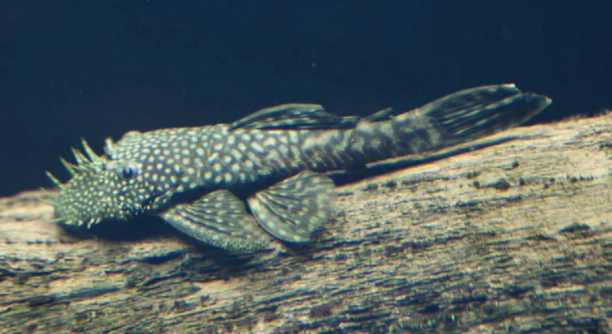
A Plecostomus, also known as a pleco, is a popular freshwater fish often kept in aquariums. They are well-loved for their algae-eating habits and unique appearance. Many people wonder if they can live alone in a tank without other fish companions.
A Plecostomus can live alone, but it is essential to provide proper care, including sufficient space, water conditions, and a proper diet. While they are not overly social fish, they thrive better in larger tanks with hiding spots and proper maintenance.
There are several key factors to consider when deciding if your pleco should be kept alone, such as tank size, water quality, and their individual needs. Keep reading to learn how to ensure your pleco stays happy and healthy!
1. Tank Size and Space Requirements
When considering keeping a Plecostomus alone, the size of the tank is a key factor. These fish can grow quite large, with some species reaching up to 24 inches. A tank of at least 75 gallons is recommended to provide enough space for them to move around. The size of the tank impacts not only their comfort but also their overall health. If they are confined to too small of a space, they may become stressed, which can lead to health problems.
A bigger tank allows for better water quality and provides room for natural behaviors like hiding and exploring. Proper tank maintenance becomes easier with more space, as it reduces the build-up of waste. Plecos are messy eaters, and larger tanks give you more time to manage the filtration system and water changes.
If you’re thinking of keeping a single Plecostomus, be sure your tank is big enough for them to thrive. They need room to grow and a proper environment to feel comfortable.
2. Water Quality and Temperature
Water quality plays a significant role in a Plecostomus’ well-being. Maintaining a stable temperature between 74°F and 80°F and keeping the water clean and well-filtered is crucial for their health. With a single Pleco, it’s important to ensure the filtration system is working efficiently to handle the fish’s waste.
Without proper filtration, waste and debris can quickly accumulate, affecting both the water quality and the health of the fish. Plecos are hardy fish, but they still need good water conditions to prevent illness. Regular water changes and proper monitoring of the water’s pH levels will help keep the Pleco happy.
Consider investing in a quality filtration system and test kits to maintain stable water conditions. A healthy environment will reduce stress and support your Plecostomus in staying healthy. The right water conditions are just as important as the size of the tank in ensuring your Pleco thrives.
3. Plecostomus Diet and Feeding Needs
Plecostomus are primarily algae eaters, but they also need a varied diet to stay healthy. A good mix of algae wafers, vegetables like zucchini and cucumber, and occasional protein sources like shrimp or fish food will help meet their nutritional needs.
Feeding them twice a day with small amounts is ideal. Overfeeding can lead to poor water quality, which stresses the fish. You should monitor their eating habits to make sure they get the right balance of nutrients. If you’re keeping your Plecostomus alone, they will rely on you to provide the necessary food, as they won’t have other fish to scavenge for extra meals.
Adding a variety of foods will also prevent them from becoming picky eaters. They need both plant-based and protein-rich foods to stay healthy. Their diet will also affect their growth, so make sure you offer enough nutrients to keep them in good shape.
4. Social Behavior and Companionship
While Plecostomus are solitary creatures, they can sometimes be territorial, especially with other bottom dwellers. If you’re keeping one alone, you won’t have to worry about aggression toward tank mates, but they still require places to hide.
Hiding spots are essential to keep the Plecostomus calm. You can use driftwood, caves, or rocks to create small spaces for the fish to retreat when it feels threatened or stressed. Even though Plecos do not interact much with other fish, providing them with these shelters helps replicate their natural environment.
Without companions, your Plecostomus will not experience much social interaction, but this doesn’t affect their well-being as long as their space is properly arranged. Be sure that they feel secure in their home with plenty of places to rest.
5. Water Filtration and Tank Maintenance
Proper filtration is vital when keeping a Plecostomus alone. They produce a fair amount of waste, so a strong filtration system is essential to maintain water quality.
Make sure the filter is rated for a tank size larger than what you’re using. This ensures it can handle the waste produced by the Pleco. Regular water changes and filter cleaning will keep the tank clean.
By maintaining the filtration system and water quality, you reduce the risk of illnesses and provide a comfortable environment for your Plecostomus.
6. Tank Decorations and Hiding Spots
Plecostomus enjoy hiding, so providing a tank filled with driftwood, caves, or rocks will help them feel secure.
These hiding spots give the Pleco a chance to retreat when feeling stressed or threatened. Plecos are nocturnal and will often rest in dark, sheltered areas during the day.
Adding natural decorations also mimics their environment and allows them to feel more at home in their space.
FAQ
Can a Plecostomus live in a smaller tank?
Plecostomus are large fish, and they require a spacious environment to thrive. A smaller tank is not ideal because it limits their movement and can cause stress. Ideally, a 75-gallon tank or larger is recommended. A smaller tank can lead to poor water quality and less space for the fish to explore, which can result in health issues.
Do Plecostomus need other fish in the tank?
Plecostomus can live alone, as they are solitary creatures by nature. While they are not social fish, they can coexist with other peaceful fish, especially those that stay in different water levels, like top-dwelling species. It’s important to avoid aggressive or territorial fish, as the Pleco may become stressed or injured.
How often should I feed a Plecostomus?
Plecostomus are bottom dwellers that feed on algae, but you should provide additional food to ensure they get a balanced diet. Feed them once or twice a day with small amounts, and offer a variety of foods such as algae wafers, vegetables, and protein sources. Overfeeding can lead to poor water quality, so monitor their intake.
Can Plecostomus live with other bottom dwellers?
It’s best not to keep multiple bottom-dwelling fish in the same tank. Plecostomus can become territorial, especially when they feel their space is being invaded. If you do keep them with other bottom dwellers, be sure to offer plenty of hiding spots and space to reduce the chances of aggression.
What temperature should the water be for a Plecostomus?
Plecostomus thrive in water temperatures between 74°F and 80°F. This range mimics their natural habitat and promotes their overall health. You can use a heater to maintain a consistent temperature in your tank. Drastic temperature changes can stress the fish, so make sure the water stays within this optimal range.
What size tank is best for a Plecostomus?
As mentioned earlier, a 75-gallon tank is the minimum size for a single Plecostomus. They can grow up to 24 inches, so they need room to move around. A larger tank will also make it easier to maintain water quality, as there’s more space for waste to be dispersed.
Do Plecostomus need a filter?
Yes, Plecostomus need a good filtration system. They produce a significant amount of waste, and the filter helps keep the water clean. Make sure the filter is rated for your tank size and performs well in maintaining water quality. Regular maintenance of the filter is necessary to avoid water buildup and maintain a healthy environment.
How long do Plecostomus live?
Plecostomus can live up to 10-15 years in a well-maintained tank. The lifespan depends on factors such as water quality, diet, and overall care. Providing them with a proper environment and a balanced diet can help them live a long and healthy life.
Do Plecostomus need a lot of light?
Plecostomus do not require intense lighting, and too much light can stress them. They are nocturnal, so they prefer dim lighting or low light during the day. You can provide some lighting, but avoid overly bright tanks. Lighting can also affect the algae growth in the tank, which is a primary food source for your Plecostomus.
What do Plecostomus eat?
Plecostomus primarily eat algae, but they also benefit from a varied diet. Offer them algae wafers, fresh vegetables like zucchini or cucumber, and occasional protein such as shrimp or fish flakes. A varied diet is essential for their health, as it provides the necessary nutrients they wouldn’t get from algae alone.
Do Plecostomus need to be quarantined?
If you are introducing a new Plecostomus into your tank, it’s a good idea to quarantine them for a few weeks. This helps to prevent any potential diseases from spreading to your other fish. During the quarantine period, monitor for signs of illness and ensure the Pleco is healthy before introducing it to the main tank.
Can Plecostomus live without a filter?
While it’s technically possible for a Plecostomus to live in a tank without a filter, it’s not advisable. Plecos produce a lot of waste, and without a filter, the water quality will quickly deteriorate, leading to poor health. A filter is essential for keeping the tank clean and providing your Pleco with a healthy living environment.
Can Plecostomus live with bettas?
It’s not ideal to keep a Plecostomus with bettas. Bettas can be aggressive, especially toward other fish with long fins or similar colors. Although Plecos are peaceful, they may get harassed by the betta. It’s better to keep them with peaceful, non-aggressive tank mates that don’t compete for space or food.
Do Plecostomus need air pumps?
Plecostomus don’t specifically need an air pump, as long as the water is well-oxygenated. The filtration system usually provides enough aeration. However, if your tank doesn’t have good water movement or the water becomes stagnant, an air pump can help improve oxygen levels and overall water circulation.
How can I tell if my Plecostomus is stressed?
A stressed Plecostomus may exhibit signs such as hiding more often, rapid breathing, or a loss of appetite. They may also become less active. Stress in Plecostomus is often caused by poor water quality, overcrowding, or incompatible tank mates. Ensure their tank conditions are ideal, and give them space to reduce stress.
Final Thoughts
A Plecostomus can live alone in an aquarium, but it’s important to provide the right conditions for them to thrive. While they are solitary fish, they still require a spacious tank, clean water, and a balanced diet. If you’re thinking of keeping a single Pleco, it’s essential to pay attention to their needs. They need plenty of room to grow, as well as hiding spots to feel secure. A larger tank is always better to ensure they have enough space to move around comfortably. Keeping the water quality high and monitoring their health will also help them live a long and healthy life.
Feeding a Plecostomus properly is another key factor in their care. Though they primarily feed on algae, they need a variety of foods, such as vegetables and protein, to stay healthy. Offering the right diet and feeding them in moderation will help maintain water quality and prevent overfeeding. Overfeeding can cause water pollution, which can lead to health problems for your Pleco. Regular water changes and cleaning the filter are essential to keep the environment healthy for your fish. With the right care, a Plecostomus can live a long time, possibly up to 10-15 years.
In conclusion, keeping a Plecostomus alone can work well as long as you meet their basic needs. Their solitary nature makes them easy to care for in some ways, but they still require attention to their environment and diet. A large, well-maintained tank with proper water filtration, hiding spots, and a varied diet is key to their well-being. By following these guidelines, you can ensure that your Plecostomus will live comfortably in your aquarium and enjoy a healthy, happy life.

Hello,
If you enjoy the content that we create, please consider saying a "Thank You!" by leaving a tip.
Every little bit helps us continue crafting quality advice that supports the health, happiness, and well-being of pets around the world, for pets of all shapes, sizes, and species.
We really appreciate the kindness and support that you show us!