
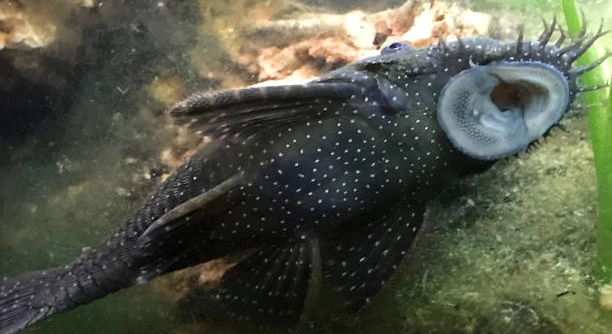
Plecostomus, commonly known as plecos, are popular freshwater fish in many aquariums. While they are excellent algae eaters, it’s important to be mindful of their diet. Certain foods can harm them, and knowing what to avoid can ensure their health.
The diet of a plecostomus should consist mainly of algae, vegetables, and specially formulated fish foods. Some foods, such as high-protein items or processed foods, can cause health problems like digestive issues or obesity.
Understanding the right diet for your plecostomus is key to their well-being. In this article, we’ll cover the seven foods you should avoid feeding your pleco to maintain a healthy aquarium.
1. Processed Foods: Not Ideal for Plecos
Processed foods are a common go-to for many fish owners, but they can be harmful to plecostomus. These foods often contain high levels of fats, additives, and preservatives, which are not suitable for a pleco’s delicate digestive system. While plecos may nibble on these foods, they don’t provide the nutrients that plecos need to stay healthy.
These foods can lead to a variety of health issues like obesity, sluggishness, or even liver problems in plecos. Their digestive systems are designed to break down plant material, not processed fish food filled with unnatural chemicals. Additionally, the unnatural ingredients can cause long-term health problems if fed regularly.
Instead of processed foods, opt for algae wafers or blanched vegetables. These foods are closer to what plecos would eat in the wild and provide better nutrition. A varied diet with fresh produce and algae-based options will keep your pleco in top condition, helping it thrive in your aquarium for years.
2. High-Protein Foods: A Big No for Plecos
Many fish owners mistakenly offer their plecos foods with high protein levels, such as shrimp or meat-based fish food.
High-protein foods are not suitable for plecos and can cause significant digestive problems. Plecos are primarily herbivores, and their systems are not built to process excessive protein. Feeding them protein-rich foods can lead to bloating, swim bladder issues, and other serious health concerns.
Plecostomus should mainly consume vegetables, algae, and a small amount of plant-based protein. Foods like zucchini, cucumber, and spinach are excellent choices. These will help maintain their energy levels and support their digestive health. By focusing on plant-based options, you are aligning with their natural diet and promoting overall well-being.
3. Bread: A Hidden Danger for Plecos
Bread is often a convenient food for humans, but it should never be fed to plecos. It can expand in the stomach, leading to bloating and digestion issues. Additionally, bread contains yeast and gluten, which are not suitable for their system.
Plecostomus lack the ability to break down complex ingredients like yeast and gluten. Feeding them bread can lead to blockages in their intestines, which can be harmful over time. It may also cause them to become sluggish or refuse to eat healthier foods.
It’s best to avoid bread altogether and stick to foods that align with a pleco’s natural diet, like algae wafers, zucchini, or other plant-based options. This will ensure your pleco stays healthy and active in your aquarium.
4. Citrus Fruits: Too Acidic for Plecos
Citrus fruits like oranges, lemons, and limes are highly acidic, making them unsuitable for plecos.
The high acid content in citrus fruits can irritate a pleco’s stomach and lead to digestive discomfort. Their systems aren’t designed to handle acidic foods, and regularly feeding them these fruits could cause long-term health issues. The acid can also affect their delicate gills.
Instead, opt for milder vegetables or algae-based foods. Vegetables like cucumbers, zucchini, and spinach are a safer choice. These foods provide the right nutrients without causing harm. If you want to offer variety, try offering small amounts of fruits like pears or apples, but avoid citrus completely.
5. Iceberg Lettuce: A Poor Choice for Plecos
Iceberg lettuce lacks the nutrients needed to support a healthy pleco. While it may seem like a good option, it offers very little in terms of vitamins and fiber. Feeding it regularly can lead to malnutrition over time.
The lack of fiber in iceberg lettuce can also affect a pleco’s digestive system, causing issues such as constipation. While some plecos may nibble on it, they don’t gain much benefit from eating it. It’s best to replace iceberg lettuce with more nutritious options like romaine lettuce, spinach, or other leafy greens.
6. Human Junk Food: Not for Plecos
Human junk food, including chips or candy, should never be fed to plecos.
These foods are full of additives, preservatives, and unhealthy fats. Feeding them to your pleco can lead to serious health problems like obesity or organ damage. Plecos need natural, nutritious foods, not empty calories.
Stick to fresh vegetables, algae-based foods, and commercial pleco-friendly foods. These options are better suited for your fish’s digestive system and will help keep them healthy and active in your tank. Keep human food away from their diet to avoid long-term health issues.
FAQ
What are some signs that my plecostomus is not eating properly?
If your plecostomus is not eating properly, you may notice it becoming more sluggish or hiding more often than usual. Its body may appear thinner, or it may stop scavenging for algae. A lack of interest in food, especially the foods it typically enjoys, can also be a sign that something’s wrong. In some cases, digestive issues like bloating or difficulty swimming can indicate improper feeding. If you notice these signs, consider checking the water quality and reassessing their diet.
Can I feed my plecostomus fruits?
Plecostomus can eat certain fruits, but they should be offered sparingly. Fruits like pears, apples, and melons can be a nice treat occasionally. However, fruits should not be a regular part of their diet due to their high sugar content. Avoid citrus fruits entirely, as their acidity can harm your pleco’s digestive system. Always cut the fruit into small, manageable pieces before offering it to prevent any choking hazards.
Is it okay to feed plecos algae from outside?
Feeding plecos algae from outside is not recommended unless you are absolutely sure it’s free from pesticides, chemicals, or other contaminants. Wild algae can contain harmful substances that could harm your fish. It’s safer to provide algae-based foods that are specifically made for aquarium fish. These options are more controlled and safe for your pleco to consume.
Can I feed my plecostomus frozen food?
Frozen foods, like bloodworms or brine shrimp, can be offered to plecos occasionally as a treat, but they should not make up the bulk of their diet. These foods are high in protein, which isn’t ideal for a pleco’s digestive system. Always thaw frozen food before feeding it to ensure it is easy for your fish to digest. Stick to algae-based foods or vegetables as the mainstay of your pleco’s diet.
How often should I feed my plecostomus?
Plecostomus are not as hungry as some other fish species and tend to eat slowly over time. It’s recommended to feed them once or twice a day, ensuring they consume the food within a few hours. Overfeeding can lead to poor water quality and health issues like obesity. Always observe how much they are eating and adjust accordingly. If food is left uneaten, it should be removed to prevent water contamination.
What vegetables are best for plecostomus?
Plecostomus do well with a variety of vegetables. Zucchini, cucumber, spinach, and peas are all excellent choices. These vegetables provide necessary fiber and nutrients. It’s important to blanch the vegetables (boiling them briefly) to soften them, making them easier for your pleco to eat. Make sure to remove any uneaten veggies after a few hours to prevent the tank from becoming polluted.
Is it safe to feed plecostomus live food?
Live food, such as worms or small invertebrates, can be fed to plecostomus occasionally. However, it should not be a staple in their diet. Plecos are primarily herbivores and thrive on plant-based foods. Live food can introduce the risk of parasites or diseases, so it’s best to only feed them sparingly and ensure the live food is from a reputable source.
How can I encourage my plecostomus to eat more?
If your plecostomus isn’t eating as much as you’d like, try offering a variety of foods. Some plecos can be picky eaters, and changing up their diet may spark their interest. You can also try sinking pellets or wafers that are designed specifically for plecos. Make sure the water quality in the tank is optimal, as poor conditions can cause stress and loss of appetite. Also, avoid overfeeding other tank mates, as this might reduce the amount of food available to your pleco.
Can I feed my plecostomus algae wafers every day?
Yes, algae wafers are a great food choice for plecostomus and can be offered daily. Algae wafers are specifically designed to mimic the natural diet of plecos, providing them with essential nutrients. However, make sure to vary the diet by introducing other foods like blanched vegetables to prevent boredom and ensure they are getting a balanced diet. Always check that the wafers are consumed within a few hours to maintain water quality.
Can plecostomus survive without eating algae?
While plecostomus naturally thrive on algae, they can survive without it for a short period if provided with alternative food sources. If there isn’t enough algae in your tank, you should supplement their diet with algae wafers, blanched vegetables, or other plant-based options. Without a proper diet, your pleco may become malnourished over time. Keep the tank clean by providing enough algae or other appropriate foods to avoid nutritional deficiencies.
Is it okay to feed plecos meat or fish?
It is not recommended to feed plecos meat or fish regularly. Plecostomus are primarily herbivores and should have a plant-based diet. Feeding them meat can lead to digestive issues and unhealthy weight gain. While they may occasionally nibble on some protein sources in the wild, in captivity, it’s safer to focus on plant matter like algae, vegetables, and algae-based fish food to support their health.
Final Thoughts
Feeding a plecostomus may seem straightforward, but it’s important to remember that their diet should consist mainly of plant-based foods. While plecos are often seen munching on algae in the tank, they still need a variety of vegetables, algae wafers, and the occasional treat to stay healthy. Offering the wrong foods can cause a range of issues like digestive problems, obesity, or even early death. By sticking to what is natural and healthy for them, you ensure they thrive in your aquarium.
One of the best ways to keep your plecostomus healthy is to avoid feeding them processed foods, high-protein items, and human snacks. While it might be tempting to share your leftovers with them, the ingredients in processed foods can be harmful to their digestive systems. Also, avoid foods like iceberg lettuce or citrus fruits, which offer little nutritional value or can cause stomach issues. Always focus on fresh vegetables and algae-based foods, which are better suited to their needs.
Lastly, it’s essential to keep an eye on how much your plecostomus is eating and how it’s behaving. If they’re not eating or seem lethargic, it could indicate that their diet isn’t right. Adjust their food accordingly and remove any uneaten food to prevent tank contamination. With a little care and the right foods, your pleco can stay happy and healthy for many years. Keep their diet simple and natural, and you’ll likely see a more vibrant and active plecostomus in your aquarium.

Hello,
If you enjoy the content that we create, please consider saying a "Thank You!" by leaving a tip.
Every little bit helps us continue crafting quality advice that supports the health, happiness, and well-being of pets around the world, for pets of all shapes, sizes, and species.
We really appreciate the kindness and support that you show us!