
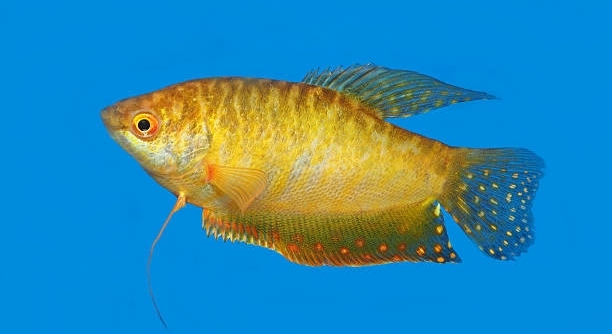
Giant Gouramis are gentle giants in the aquarium world, but they can sometimes get into fights with other fish. These conflicts may leave them injured or stressed, affecting their overall health and behavior in the tank environment.
A Giant Gourami can recover from a fight with proper care and attention. Ensuring a clean tank, providing nutritious food, and reducing stressors helps the fish heal efficiently, while monitoring its behavior and physical condition prevents long-term complications.
Understanding the right steps after a fight is essential for your fish’s wellbeing. Proper care and observation can make a significant difference in their recovery and long-term health.
Recognizing Injuries in Giant Gouramis
After a fight, it’s important to check your Giant Gourami for signs of injury. Look for torn fins, scratches, or discoloration on their body. Stress can also show as hiding, reduced appetite, or sluggish swimming. These signs indicate the fish needs attention. Immediate observation helps prevent infections. Cleaning the tank and removing sharp decorations can reduce further harm. Sometimes, smaller wounds heal on their own, but open wounds may require treatment. Watch for swelling or unusual behavior, which can suggest internal injury or disease. Keeping a close eye during the first few days is crucial. Adjusting water temperature and quality can also reduce stress, allowing the fish to focus energy on healing. Separate aggressive tank mates temporarily to give your Giant Gourami space. Daily observation combined with gentle care improves recovery chances and keeps your fish healthier over time.
Monitoring your fish closely ensures any new problems are caught early. Early action can save them from serious complications.
Proper care involves more than just watching wounds. It includes feeding high-protein foods to support tissue repair, keeping water parameters stable, and maintaining a calm environment. Adding aquarium salt in small amounts can help prevent infections and reduce stress. Avoid overfeeding, as uneaten food can foul the water, worsening recovery conditions. Gentle water changes are better than large, sudden ones, which can shock the fish. Observing interactions with other tank mates is important; even minor aggression can reopen wounds. Recording your fish’s behavior daily helps track progress. Healing takes time, so patience is key. By combining attentive monitoring, optimal nutrition, and a safe environment, your Giant Gourami can recover fully. This care approach also minimizes the chances of recurring fights or injuries, ensuring the fish remains active and healthy in the tank over the long term.
Supporting Recovery Through Environment
Providing a calm and safe tank environment helps the healing process. Reducing aggressive interactions and keeping water clean supports recovery.
Adjusting the tank setup can significantly improve healing outcomes. Introduce hiding spots such as plants or decorations that don’t have sharp edges. This allows your Giant Gourami to retreat and rest without feeling threatened. Maintain consistent water temperature and quality, as fluctuations can cause stress and delay recovery. Avoid adding new fish during this period, since new interactions may trigger aggression. Feeding smaller, frequent meals ensures proper nutrition without overloading the tank with waste. Keep a regular observation schedule to detect subtle changes in behavior or appetite. In some cases, adding a mild stress-relief solution or aquarium salt can help prevent infections and soothe minor injuries. Small adjustments in lighting, filtration flow, and tank layout can also make a noticeable difference. By focusing on environmental stability, you give your Giant Gourami the best chance to heal efficiently, regain strength, and return to normal behavior in a safer, more comfortable space.
Preventing Future Fights
Separating aggressive fish is the simplest way to avoid repeated injuries. Monitor tank behavior and remove any fish that consistently show hostility. Maintaining adequate space and hiding spots also reduces tension and keeps your Giant Gourami safer.
Providing enough space in the tank is essential. Overcrowding can trigger territorial disputes, leading to fights. Giant Gouramis need room to swim freely, with clear territories to reduce stress. Adding tall plants or decorations gives them places to hide and rest. Even small adjustments in tank layout can prevent conflict by creating visual barriers. Observe how fish interact daily, and separate individuals if tension rises. Maintaining clean water and stable temperature further minimizes stress, reducing the likelihood of aggressive encounters.
Balanced feeding routines can also prevent fights. Hungry fish are more likely to compete aggressively for food. Feeding multiple locations at the same time ensures all fish get enough nutrition, lowering tension. Consistent schedules keep fish calmer and more predictable. Avoid sudden changes in diet or portion sizes, as this can provoke food-related disputes. Pairing compatible species and monitoring growth rates helps maintain harmony. Small, proactive steps can significantly reduce the chances of another fight, protecting your Giant Gourami’s health and wellbeing.
Supporting Health During Recovery
Providing high-quality food rich in protein helps tissue repair. Vitamins and minerals strengthen the immune system, supporting faster healing. Avoid overfeeding to keep water clean and stress low.
Including varied foods in the diet improves recovery. Pellets designed for Giant Gouramis, supplemented with vegetables and occasional live or frozen food, provide essential nutrients. Fresh foods like peas or spinach aid digestion and offer vitamins that promote healing. Protein-rich options support muscle recovery and tissue repair after injuries. Monitor appetite carefully; reduced feeding can indicate stress or infection. Keep portions moderate to prevent water pollution, which can worsen wounds. Water conditions and diet work together, so attention to both ensures your fish heals efficiently.
Stress management is equally important. Keep lighting and water flow consistent, and limit sudden changes. Avoid loud noises or excessive activity near the tank, as these can trigger fear responses. Observing interactions with tank mates ensures your fish does not face renewed aggression. By focusing on nutrition, clean water, and a calm environment, your Giant Gourami will regain strength and recover more quickly. Proper care also reduces the chance of illness during the sensitive healing period.
Identifying Stress Signs
Hiding more than usual or refusing food are common stress signs. Rapid gill movement, clamped fins, or erratic swimming also indicate your Giant Gourami needs attention.
Changes in color or lethargy are additional signals. Stress weakens the immune system, making the fish more prone to infections and slowing recovery from injuries.
Using Medication Carefully
Antibacterial treatments can help prevent infection in open wounds. Only use medication as directed and monitor your fish’s response closely to avoid overdosing or unnecessary stress.
Maintaining proper dosage and following instructions ensures effectiveness while minimizing harm. Overmedicating can irritate skin and gills, worsening the fish’s condition. Always isolate injured fish if possible before treatment, allowing for focused care and monitoring. Observe water quality during medication, as some treatments can affect filtration systems or beneficial bacteria. Adjusting treatment based on behavior and healing progress ensures recovery continues smoothly. Combining medication with good nutrition, clean water, and reduced stress provides the best support for your Giant Gourami’s healing process.
When to Seek Professional Help
If wounds worsen, fail to heal, or behavior declines, contacting a vet specializing in fish is necessary. Early intervention prevents complications and ensures proper treatment.
FAQ
Can a Giant Gourami fully recover from serious injuries?
Yes, Giant Gouramis have strong healing abilities, but recovery depends on injury severity, water quality, diet, and stress levels. Minor scratches or fin tears usually heal quickly with proper care, while deep wounds may need more attention, medication, and sometimes isolation to prevent further damage.
How long does it take for a Giant Gourami to heal after a fight?
Healing time varies. Small fin or scale injuries can improve within a few days, but more severe injuries may take several weeks. Consistent observation, proper feeding, clean water, and limited stress all play critical roles in speeding up the healing process.
Should I separate my fish after a fight?
Yes, separating aggressive or injured fish temporarily is highly recommended. This prevents further aggression and allows your Giant Gourami to rest and heal. Use a quarantine tank if possible, or rearrange the main tank to give each fish adequate space and hiding spots.
What kind of food helps recovery?
High-protein foods are essential. Pellets designed for Giant Gouramis, along with vegetables and occasional live or frozen foods, provide nutrients needed for tissue repair. Avoid overfeeding, and give smaller, frequent meals to maintain water quality and prevent stress.
Is medication always necessary after a fight?
Not always. Minor scratches may heal on their own if the water is clean and stress is low. However, open wounds or signs of infection should be treated with antibacterial or antifungal medication as directed, while monitoring the fish closely.
How can I reduce stress during recovery?
Provide hiding places and keep water conditions stable. Limit sudden changes in temperature, lighting, or water flow. Avoid excessive noise and activity near the tank. Reducing stress supports the immune system and speeds up healing.
What are signs that a fish is not recovering well?
Persistent lethargy, refusal to eat, worsening wounds, unusual swimming patterns, or color changes indicate poor recovery. Immediate attention and professional consultation may be necessary to prevent long-term damage or disease.
Can aggressive tank mates affect recovery?
Yes, aggressive fish can reopen wounds or increase stress, slowing healing. Temporary separation or rearranging the tank to create visual barriers helps maintain a calm environment for your Giant Gourami to recover.
Do water changes help in recovery?
Yes, regular small water changes maintain water quality, reduce toxins, and prevent infections. Large or sudden changes can shock a stressed fish, so gradual adjustments are best. Monitoring water parameters ensures a safe environment for healing.
Is it normal for behavior to change after a fight?
Yes, injured or stressed fish may hide more, swim slower, or be less interactive. Gradually, as wounds heal and stress decreases, normal behavior usually returns. Patience and consistent care are key during this period.
How can I prevent future fights?
Providing enough space, hiding spots, compatible tank mates, and consistent feeding routines reduces aggression. Observing interactions and separating aggressive fish early prevents repeated injuries. Adjusting the tank layout can also help establish peaceful territories and minimize stress.
When should I contact a professional?
If injuries worsen, do not heal, or behavior declines, a vet specializing in fish is the best option. Early intervention ensures proper treatment and prevents complications, especially for serious wounds or infections.
Can diet alone speed up recovery?
Diet alone is not enough. While high-protein, nutrient-rich food supports tissue repair, recovery also depends on water quality, stress management, and proper care. Combining all these factors ensures the fastest and safest healing for your Giant Gourami.
Is isolation stressful for Giant Gouramis?
Temporary isolation can be stressful, but it is usually beneficial after a fight. Providing a quiet, well-structured quarantine space with hiding spots helps reduce stress and promotes healing while preventing further injury from tank mates.
Are there natural ways to boost healing?
Maintaining clean water, reducing stress, feeding nutrient-rich foods, and ensuring stable environmental conditions are the most effective natural methods. Small additions like aquarium salt can sometimes help prevent infection, but always follow recommended guidelines.
How often should I check my fish during recovery?
Daily observation is important. Watch for changes in behavior, appetite, and wound condition. Frequent monitoring allows early detection of complications, ensuring timely intervention and a smoother healing process.
Can healed injuries affect future health?
Minor healed injuries typically do not cause long-term problems, but severe wounds or repeated fights may leave scars or fin damage. Maintaining a calm environment and proper care helps prevent long-term effects and supports overall health.
What is the best tank setup to prevent fights?
A tank with ample space, hiding spots, stable water conditions, and compatible fish reduces aggression. Visual barriers and separate territories help maintain harmony and give your Giant Gourami a safer environment, minimizing stress and potential injuries.
Can stress slow healing even if wounds look minor?
Yes, stress weakens the immune system, slows tissue repair, and increases susceptibility to infection. Even minor injuries may take longer to heal if stress is not managed, highlighting the importance of calm conditions and careful observation.
How do I know when my fish is fully recovered?
A fully recovered Giant Gourami will swim normally, eat regularly, regain its color, and show no signs of stress or infection. Wounds should be completely healed, and the fish should resume normal interactions with tank mates, signaling a successful recovery.
Final Thoughts
Taking care of a Giant Gourami after a fight requires attention, patience, and consistency. These fish are resilient, but injuries and stress can slow their recovery if not managed properly. Observing your fish closely in the days following a fight is essential. Minor wounds can heal on their own, but deep scratches or torn fins may require extra care, such as antibacterial treatment or temporary isolation. Daily monitoring of behavior, appetite, and physical condition helps detect early signs of complications. Paying attention to these details ensures your fish recovers safely and avoids long-term health problems that could arise from untreated injuries.
Water quality plays a critical role in recovery. Clean, stable water reduces stress and lowers the risk of infections, which are common after fights. Frequent small water changes are better than large, sudden changes, as abrupt shifts can further stress an already vulnerable fish. Maintaining proper temperature, pH, and filtration supports the fish’s immune system and overall health. Additionally, keeping aggressive tank mates separated, or providing enough hiding spots, prevents further conflict and allows the injured fish to rest. Combining these environmental adjustments with proper feeding and observation ensures that your Giant Gourami has the best chance to heal fully.
Nutrition and stress management also contribute significantly to recovery. High-protein foods help repair damaged tissue and strengthen the fish, while vegetables and other supplements provide vitamins and minerals needed for overall health. Stress can slow healing, so a calm, stable environment is essential. Minimizing sudden movements around the tank, limiting loud noises, and maintaining a predictable feeding schedule all help reduce stress levels. Even small steps, like adjusting tank decorations to create visual barriers or providing gentle water flow, can make a big difference. By focusing on clean water, proper nutrition, stress reduction, and careful monitoring, your Giant Gourami can recover effectively from fights and return to its normal, healthy behavior. This approach not only addresses immediate injuries but also promotes long-term health and resilience for your fish.

Hello,
If you enjoy the content that we create, please consider saying a "Thank You!" by leaving a tip.
Every little bit helps us continue crafting quality advice that supports the health, happiness, and well-being of pets around the world, for pets of all shapes, sizes, and species.
We really appreciate the kindness and support that you show us!