
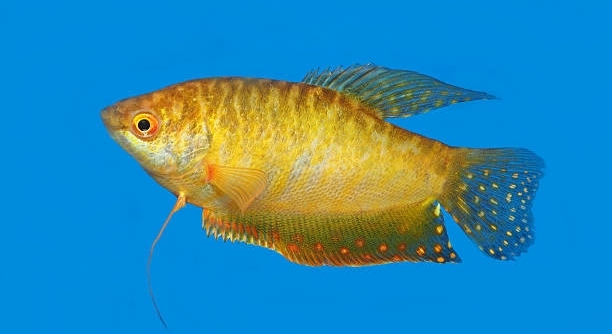
Giant gouramis are beautiful and gentle fish that can become nervous in new surroundings. Their large size and shy nature make them easily stressed, which can affect their eating habits and overall health in a home aquarium.
Managing a nervous giant gourami requires creating a calm environment, maintaining consistent water conditions, and minimizing sudden changes. Providing hiding spots, gentle handling, and a predictable routine helps reduce stress and promotes their well-being and long-term health.
Learning simple strategies to calm your gourami can make caring for them easier and more enjoyable for both you and your fish.
Creating a Calm Aquarium Environment
A calm aquarium is essential for a nervous giant gourami. Sudden movements, loud noises, and frequent disturbances can stress them out quickly. Positioning the tank in a quiet area of the house helps. Adding plants and decorations provides hiding spots where your fish can feel safe. Using gentle filtration and avoiding strong water currents also contributes to a peaceful setting. Lighting should mimic natural day and night cycles, giving the fish a sense of routine. Regular maintenance without abrupt changes in temperature or water chemistry prevents additional stress. Observing the fish from a distance rather than constantly tapping the glass allows them to adjust gradually. Over time, these small adjustments make a noticeable difference in their comfort and confidence. Consistency is key, as giant gouramis are sensitive to sudden environmental changes, and repeated stress can affect their appetite, immune system, and overall behavior.
Creating a calm tank improves feeding habits and encourages normal swimming patterns, which boosts their overall health.
Gentle water movement and strategic placement of plants can help your gourami feel secure, letting them settle and interact naturally.
Gentle Feeding Techniques
Feeding a nervous giant gourami requires patience and routine. Sudden approaches or tossing food from a distance may startle them. Offering food at the same time each day helps them recognize a pattern and reduces anxiety. Hand-feeding or placing food near a hiding spot encourages hesitant fish to eat. Varying diet with high-quality pellets, vegetables, and occasional live foods provides proper nutrition without overwhelming them. Monitoring their intake ensures they are eating enough, and removing uneaten food prevents water quality issues. Sometimes shy gouramis need smaller meals spread throughout the day rather than one large portion. Keeping the tank calm during feeding times supports positive associations with food, reducing fear and hesitation. Over time, your fish learns that mealtime is safe, which improves their confidence and overall behavior. Being consistent and patient in your approach builds trust, helping a nervous giant gourami thrive in a home aquarium.
Observing their reactions during feeding can reveal preferences and comfort levels, allowing you to adjust strategies for better results.
Gentle feeding creates a sense of security for your gourami. Patience and consistent routines ensure they eat properly while reducing stress and supporting long-term health.
Minimizing Sudden Movements
Keeping sudden movements to a minimum helps a nervous giant gourami feel safe. Quick gestures or tapping the tank can startle them, causing stress or hiding for long periods. Calm, deliberate actions create a more secure environment for daily interactions.
Limiting sudden activity around the tank is crucial for maintaining your gourami’s comfort. Avoid walking quickly, moving furniture nearby, or making loud noises that create vibrations. Even small disturbances, like opening doors or clanging dishes, can cause unease. Positioning the tank in a low-traffic area reduces unnecessary stress. Observing quietly and allowing the fish to explore their surroundings at their own pace encourages confidence. Over time, consistent calmness helps your gourami adjust to its environment and develop more predictable behavior patterns.
When interacting with your gourami, keep movements slow and predictable. This consistency reduces anxiety and allows the fish to trust its surroundings, improving feeding and swimming routines.
Providing Hiding Spots
Hiding spots are essential for a nervous giant gourami. Plants, rocks, and decorations give places to retreat when stressed, making them feel more secure.
Offering multiple hiding areas ensures your fish can escape when startled or tired. Live or artificial plants create natural barriers, while caves or tunnels provide shelter. Avoid overcrowding the tank, but strategically place spots so your gourami can choose where to feel safe. Observing their preferences helps adjust decorations over time. These retreats reduce aggression from other fish and help manage stress. Proper hiding spots also encourage natural behaviors, like resting or exploring cautiously, supporting mental well-being. A well-structured environment contributes to healthier, more confident fish, and allows them to interact with the tank at their own pace.
Strategic placement of shelters reduces stress and encourages exploration, helping your gourami stay comfortable and confident in its home environment.
Maintaining Consistent Water Conditions
Stable water conditions are crucial for a nervous giant gourami. Sudden temperature changes, pH fluctuations, or poor water quality can stress them and affect their appetite or health. Regular monitoring ensures a stable environment.
Using a reliable heater, filter, and test kits helps maintain consistent water parameters. Regular partial water changes prevent buildup of toxins and keep the tank safe.
Reducing Tank Disturbances
Minimizing disturbances allows your gourami to feel secure. Avoid tapping the glass, sudden lighting changes, or frequent rearrangement of decorations, which can cause stress and hiding behavior.
Regular tank maintenance should be done gently and quietly. Move slowly, avoid splashing, and keep noise low. Over time, a stable routine helps your fish feel safe and confident in its environment.
Gentle Handling
Handling your giant gourami only when necessary is important. Avoid unnecessary contact, as they are sensitive and can become stressed easily.
How can I tell if my giant gourami is stressed?
A stressed giant gourami may hide frequently, swim erratically, or refuse to eat. Color changes, such as dull or faded scales, are common indicators. Rapid gill movement, clamped fins, or unusual aggression can also signal stress. Observing their normal behavior helps detect early signs and prevents long-term issues.
What is the best way to introduce new decorations or plants?
Introduce new items gradually. Rinse decorations thoroughly and place them in one section of the tank at a time. Avoid sudden rearrangements, as gouramis are sensitive to changes. Watching how your fish reacts allows you to adjust placement and ensure it feels safe without becoming overly stressed.
Can giant gouramis live with other fish?
Yes, but choose tankmates carefully. Avoid aggressive species or very small fish that may be seen as food. Peaceful, similar-sized fish usually coexist well. Monitor interactions for signs of bullying or excessive hiding, and separate fish if stress or aggression occurs. Proper hiding spots reduce conflicts.
How often should I feed my nervous gourami?
Feed small amounts two to three times a day instead of one large meal. This prevents overeating, keeps water quality stable, and encourages hesitant fish to eat. Mixing high-quality pellets with vegetables or occasional live food provides balanced nutrition and maintains interest in feeding.
What water parameters are ideal for a giant gourami?
Maintain a temperature between 24–28°C (75–82°F), pH around 6.5–8.0, and moderate hardness. Consistent parameters reduce stress and support healthy growth. Sudden changes in temperature or chemistry can trigger hiding, lethargy, or loss of appetite. Regular testing ensures stability.
How can I help a nervous gourami feel safe?
Provide multiple hiding spots with plants, caves, or decorations. Keep lighting moderate and avoid loud noises nearby. Position the tank in a quiet area with low foot traffic. Moving slowly during maintenance and feeding supports a sense of security and reduces anxiety.
Is hand-feeding a good idea?
Hand-feeding can be beneficial if done gently. Place food near the fish without sudden movements. Over time, this builds trust and encourages eating. Avoid forcing contact, as it can increase stress. Start with small portions and observe reactions carefully.
How do I prevent my gourami from becoming too shy?
Consistency is key. Keep feeding times, water maintenance, and tank conditions predictable. Limit sudden changes and disturbances. Gradually introduce enrichment like new plants or decorations, allowing your fish to explore at its own pace. Patience helps build confidence and reduces prolonged hiding behavior.
What signs indicate my gourami is healthy?
A healthy giant gourami swims smoothly, has vibrant colors, eats regularly, and responds to its environment. Fins should be open and intact, gills steady, and scales shiny. Consistent behavior, including exploration and interaction with hiding spots, shows comfort and well-being.
Can stress affect growth or lifespan?
Yes, prolonged stress can stunt growth, weaken the immune system, and reduce lifespan. Nervous fish that hide frequently or refuse food are more susceptible to disease. Minimizing stress through calm environments, proper feeding, and hiding spots supports long-term health and natural development.
How should I handle tank cleaning for a nervous gourami?
Perform gentle, partial water changes instead of complete cleaning. Move slowly, avoid splashing, and keep noise low. Clean filters and decorations without sudden shifts. Consistency in maintenance routines allows your gourami to remain confident and reduces stress during necessary care.
Are there specific foods that help reduce stress?
High-quality pellets with added vitamins, fresh vegetables, and occasional live or frozen food support health. Nutritious diets boost the immune system, making the fish more resilient to stress. Offering variety while keeping portions small encourages eating and reduces anxiety.
Can temperature fluctuations make a gourami nervous?
Yes, sudden drops or spikes in temperature can trigger hiding, rapid breathing, and loss of appetite. A reliable heater and thermometer help maintain stable water conditions. Gradual adjustments during water changes prevent shock and keep your gourami comfortable.
How long does it take for a nervous gourami to adjust?
Adjustment times vary. Some fish adapt in a few days, while others may take weeks. Patience, consistent routines, and a calm environment help reduce stress faster. Observing behavior and responding gently ensures your gourami gradually becomes confident and comfortable.
What is the most common mistake owners make?
Frequent disturbances, sudden changes in water conditions, or aggressive tankmates are the most common issues. Overfeeding or inconsistent routines also increase stress. Awareness of these factors and implementing gradual, gentle care strategies significantly improves your gourami’s well-being and overall behavior.
Taking care of a nervous giant gourami requires patience, consistency, and observation. These fish are large and gentle, but they can be easily stressed by sudden changes, loud noises, or aggressive tankmates. Their reactions, like hiding, clamped fins, or refusing food, are signs that something in their environment is making them uncomfortable. By understanding their natural behavior and needs, you can create a calmer and more stable aquarium environment that allows them to feel secure. Small steps, like adding hiding spots, adjusting lighting, or minimizing sudden movements around the tank, make a big difference in reducing stress. Over time, your gourami will respond to these changes and become more confident, showing more natural behaviors such as exploring the tank, interacting with decorations, and eating reliably. Consistency is key, as repeated stress can affect not only their mood but also their health, appetite, and immune system.
Feeding a nervous gourami requires particular attention. Offering food at the same time each day creates a predictable routine that the fish can rely on, which reduces anxiety and encourages regular eating. Using high-quality pellets, vegetables, and occasional live foods provides the nutrition they need while keeping them interested. Smaller, more frequent meals often work better than a single large feeding, especially for shy or hesitant fish. Watching how your gourami reacts during feeding times gives insight into its comfort level and preferences. Gentle feeding, whether by hand or placing food near hiding spots, helps build trust and strengthens the connection between routine care and positive experiences. Over time, a nourished and confident gourami is more likely to display vibrant colors, energetic swimming, and healthy growth. Proper nutrition, combined with a calm environment, is one of the most effective ways to manage stress and promote overall well-being.
Maintaining consistent water conditions is equally important for a nervous giant gourami. Sudden temperature fluctuations, pH shifts, or poor water quality can quickly create stress, affecting behavior and health. Regular water testing, partial water changes, and proper filtration are essential to keep the tank stable. Observing your fish’s behavior, combined with predictable maintenance routines, helps ensure that stress is minimized. Tank placement in a quiet area with low foot traffic and minimal disturbances also plays a crucial role in creating a secure environment. By addressing these factors, you create a setting where your giant gourami can thrive, displaying natural behaviors without fear or hesitation. Patience, observation, and consistent care are the foundations of helping a nervous gourami feel safe, confident, and healthy in its home aquarium. With time and attention, even the most skittish fish can become comfortable and responsive, making the experience of caring for them more rewarding.

Hello,
If you enjoy the content that we create, please consider saying a "Thank You!" by leaving a tip.
Every little bit helps us continue crafting quality advice that supports the health, happiness, and well-being of pets around the world, for pets of all shapes, sizes, and species.
We really appreciate the kindness and support that you show us!