
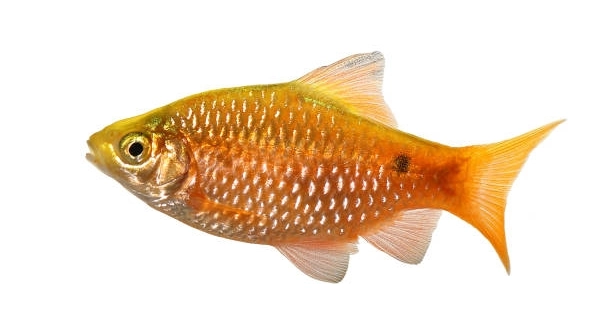
Rosy barbs are popular freshwater fish known for their lively colors and active swimming. Choosing the right tank shape can help them thrive and display their natural behavior. Tank shape influences how these fish move and interact in their environment.
A long tank is generally better for rosy barbs than a tall tank. This shape provides more horizontal swimming space, which suits their active nature and schooling behavior. Tall tanks limit their movement and may cause stress over time.
Understanding tank shape effects will improve your rosy barbs’ comfort and health. This knowledge helps create a better home for your fish’s needs and natural habits.
Why Tank Shape Matters for Rosy Barbs
Rosy barbs are active swimmers that prefer to explore their environment horizontally. A long tank gives them more room to swim side to side, which is closer to their natural behavior in the wild. Tall tanks often limit their movement because they focus on vertical space, which these fish use less. When confined to narrow tanks, rosy barbs may feel stressed or swim less, which can affect their health. Their schooling nature also benefits from horizontal space, allowing them to swim in groups more comfortably. Additionally, a long tank makes it easier to set up decorations and plants in a way that doesn’t block their swimming paths. This setup helps create a natural environment, keeping the fish active and happy. Choosing the right tank shape is a simple but important step to support their well-being and encourage their natural behavior.
The shape of the tank affects both fish activity and tank maintenance. Long tanks are easier to manage and maintain water quality better for rosy barbs.
Proper tank shape supports the fish’s health and daily routine. It also helps in arranging the tank’s layout to suit their needs. Planning your tank shape carefully leads to a more balanced and enjoyable aquarium for your rosy barbs.
Comparing Tall Tanks and Long Tanks for Rosy Barbs
Tall tanks may look impressive but are not ideal for rosy barbs. These fish rarely swim vertically and instead prefer to move horizontally. A tall tank restricts their natural movement, which can cause stress or boredom. Long tanks provide the necessary space for swimming and group movement, allowing the fish to behave naturally. While tall tanks may work for species that prefer vertical swimming, rosy barbs benefit more from extra horizontal space. Tank decorations and plants in long tanks can be arranged to create hiding spots and open swimming paths. This balance makes a long tank the better choice for keeping rosy barbs healthy and active.
A long tank allows rosy barbs to display their full range of movement. This results in healthier, more vibrant fish that enjoy their environment more.
Tank Setup Tips for Rosy Barbs
Choosing the right substrate and plants can make a big difference. Use fine gravel or sand for the bottom to keep it comfortable for the fish. Include hardy plants like Java fern or Anubias that can handle their active swimming.
Plants and decorations should be placed to leave open swimming areas. Rosy barbs like to swim in groups, so space is important. Add some hiding spots like caves or driftwood for security. Avoid overcrowding the tank with too many decorations, as this limits movement and increases stress.
Good water flow helps keep the tank healthy but avoid strong currents that tire out the fish. Regular water changes and good filtration maintain clean water, essential for rosy barbs’ health. Proper tank setup supports their natural behavior and keeps them happy.
Feeding and Care Basics
Feed rosy barbs a balanced diet including flakes, pellets, and occasional live or frozen foods. Overfeeding should be avoided to prevent water quality issues. They thrive on small, frequent meals rather than one large feeding.
Maintain stable water conditions with a temperature between 64-72°F and a pH of 6.5-7.5. Regular tank maintenance, including cleaning and monitoring water parameters, helps prevent illness. Keeping a consistent routine reduces stress and promotes healthy growth. Rosy barbs benefit from social interaction, so keeping them in groups of at least five is ideal.
Common Mistakes to Avoid
Overcrowding the tank is a frequent mistake that harms rosy barbs. Too many fish reduce swimming space and increase waste. It’s best to keep groups small and balanced with tank size.
Ignoring water quality is another issue. Dirty water causes stress and illness. Regular cleaning and testing keep the environment safe for your fish.
Choosing the Right Tank Size
A minimum tank size of 30 gallons is recommended for a small group of rosy barbs. This size provides enough horizontal space for swimming and schooling behavior. Larger tanks are better for bigger groups and reduce maintenance frequency.
Keeping rosy barbs in smaller tanks often leads to stress and health problems. Proper tank size supports their active nature and helps maintain water quality, promoting longer and happier lives.
Decorations and Plants
Use decorations that create hiding spots but do not overcrowd the tank. This balance helps reduce stress while allowing plenty of swimming space.
FAQ
What tank shape is best for rosy barbs?
The best tank shape for rosy barbs is a long, rectangular tank. This shape gives them plenty of horizontal space to swim freely, which fits their active and schooling nature. Tall tanks limit their movement and can cause stress because they rarely swim vertically.
How many rosy barbs should I keep in one tank?
Rosy barbs are social fish and should be kept in groups of at least five to feel secure and display natural behavior. Overcrowding should be avoided, so a 30-gallon tank is a good minimum size for a small group. Larger groups need bigger tanks for enough swimming space.
Can rosy barbs live in a tall tank?
Rosy barbs can live in tall tanks, but it’s not ideal. Tall tanks restrict their horizontal swimming, which they prefer. If a tall tank is your only option, make sure it’s wide enough to allow side-to-side swimming and try to keep the group size small to reduce stress.
What substrate works best for rosy barbs?
Fine gravel or sand is the best substrate for rosy barbs. These substrates are comfortable for the fish and allow plants to root well. Avoid sharp or rough materials, as they can injure the fish while swimming or digging.
Which plants are suitable for a rosy barb tank?
Hardy plants like Java fern, Anubias, and Amazon sword are great for rosy barb tanks. These plants can handle the fish’s active swimming and occasional nibbling. They also provide hiding spots without overcrowding the tank.
How often should I clean the tank?
Regular maintenance is important. Partial water changes of 20-25% every week or two help keep water clean and healthy. Clean the substrate and filter as needed, but avoid deep cleaning that removes too much beneficial bacteria.
What temperature do rosy barbs need?
Rosy barbs thrive in water temperatures between 64°F and 72°F (18°C to 22°C). Keeping the temperature stable helps reduce stress and prevent illness. Avoid sudden changes in temperature.
What do rosy barbs eat?
Rosy barbs eat a variety of foods including flakes, pellets, and live or frozen foods like brine shrimp or bloodworms. Feeding small amounts multiple times a day is better than one large feeding. Avoid overfeeding to keep water quality good.
How can I reduce stress for rosy barbs?
Providing a spacious tank with plenty of swimming room and some hiding spots reduces stress. Keeping them in groups helps them feel secure. Regular water changes and stable water conditions also prevent stress-related problems.
Can rosy barbs live with other fish?
Yes, rosy barbs can live with other peaceful fish of similar size. Avoid slow-moving or long-finned fish, as rosy barbs may nip fins. Compatible tank mates include danios, barbs, and certain tetras that share similar water needs.
What signs show rosy barbs are stressed or unhealthy?
Signs of stress or poor health include clamped fins, reduced activity, loss of color, and staying near the tank bottom. Watch for signs of disease like white spots, sores, or unusual swimming patterns. Prompt action can prevent worsening health.
Is a filter necessary for rosy barb tanks?
Yes, a good filter is important to keep water clean and oxygenated. Rosy barbs produce waste, so filtration helps maintain water quality. Choose a filter that provides gentle flow to avoid tiring the fish.
How important is lighting for rosy barbs?
Moderate lighting helps plants grow and shows off the fish’s colors well. Avoid very bright or direct light, which can stress the fish. Using a timer keeps a consistent day-night cycle, helping maintain their natural rhythm.
Can rosy barbs live in unheated tanks?
In mild climates, rosy barbs can live in unheated tanks if water temperature stays within their preferred range. However, in colder environments, a heater may be necessary to keep the water stable and prevent health problems.
What is the best way to introduce new rosy barbs to a tank?
Float the sealed bag in the tank for 15-20 minutes to match temperature. Slowly mix tank water into the bag to help the fish adjust to water chemistry. Then gently release them to reduce stress and avoid shock.
How long do rosy barbs live?
With proper care, rosy barbs live around 5 to 8 years. Good water quality, a balanced diet, and a suitable tank environment help maximize their lifespan. Regular monitoring and maintenance contribute to their health.
Choosing the right tank shape is important for keeping rosy barbs healthy and happy. These fish are active swimmers that need plenty of horizontal space to move around. A long, rectangular tank provides this space much better than a tall tank. While tall tanks may look nice, they limit how much rosy barbs can swim side to side, which is their natural way of moving. Giving them room to swim freely helps reduce stress and encourages natural behavior. This simple choice makes a big difference in how well your rosy barbs do in their home.
Tank size is also a key factor when caring for rosy barbs. They are social fish and should be kept in groups of at least five. Keeping too many fish in a small tank causes overcrowding, which can lead to poor water quality and stressed fish. A 30-gallon tank is a good minimum for a small group, but bigger tanks are better if you want more fish or to create a more comfortable environment. Along with tank size, the way you set up decorations and plants can affect how much swimming space is available. Leaving open areas for swimming and providing some hiding spots helps your fish feel secure and active.
Maintaining good water quality and feeding your rosy barbs a balanced diet are important parts of care. Regular water changes and proper filtration keep the tank clean and safe. Overfeeding should be avoided because leftover food can pollute the water. Feeding small meals several times a day helps keep the fish healthy and the water stable. Keeping water temperature and pH stable also reduces stress and supports the fish’s well-being. Overall, providing a long tank with enough space, good care, and a balanced diet will help your rosy barbs live longer, healthier lives. Making these choices shows how much you care about your fish’s happiness.

Hello,
If you enjoy the content that we create, please consider saying a "Thank You!" by leaving a tip.
Every little bit helps us continue crafting quality advice that supports the health, happiness, and well-being of pets around the world, for pets of all shapes, sizes, and species.
We really appreciate the kindness and support that you show us!