
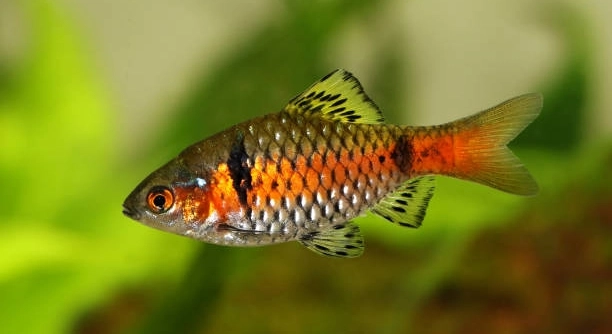
Rosy barbs are popular aquarium fish known for their lively colors and active behavior. Feeding them the right foods is essential to keep them healthy and vibrant. Understanding which foods they will eat quickly can help maintain their well-being.
Rosy barbs readily accept a variety of foods including flakes, pellets, live brine shrimp, bloodworms, daphnia, finely chopped vegetables, and algae wafers. These foods provide balanced nutrition and are typically consumed instantly when offered in appropriate portions.
Knowing which foods your rosy barbs prefer can simplify feeding routines and improve their overall health in the aquarium environment.
Flake Food for Rosy Barbs
Flake food is one of the most common and convenient options for feeding rosy barbs. It is specially formulated to provide essential nutrients and is easily accepted by these fish. Flakes float on the water surface, allowing rosy barbs to feed naturally. The texture is soft enough for their small mouths and contains a balanced mix of proteins, vitamins, and minerals. Regular feeding with quality flakes supports their vibrant color and active behavior. However, flakes should be given in small amounts to avoid overfeeding and water pollution. It is best to offer flakes two to three times a day, allowing the fish to consume the food within a few minutes. Uneaten flakes should be removed to maintain water quality and prevent tank issues.
Flake food remains a staple in most rosy barb diets because it is both nutritious and easy to serve, making it ideal for daily feeding routines.
Providing flakes regularly supports rosy barbs’ health, but variety in diet is important for complete nutrition. Including other foods keeps them interested and thriving.
Live Foods to Boost Health
Live foods such as brine shrimp, bloodworms, and daphnia are excellent supplements to a rosy barb’s diet. These foods offer high protein content and encourage natural hunting behavior, which promotes physical activity. Live foods are particularly beneficial during breeding periods or when fish show signs of low energy or dull coloration. Brine shrimp are small and easy for rosy barbs to consume, while bloodworms add variety and richness to their meals. Daphnia helps with digestion due to its fiber content. Feeding live foods two or three times a week ensures a balanced diet without overfeeding. It is important to source live foods from reputable suppliers to avoid introducing diseases or parasites into the aquarium. Quarantining or rinsing live foods before feeding is a recommended precaution to maintain tank health. Integrating live foods contributes to stronger immune systems and longer lifespans for rosy barbs.
Vegetables and Plant Matter
Vegetables such as peas, spinach, and zucchini are healthy additions to a rosy barb’s diet. These provide essential fiber and vitamins.
Peas are especially useful for preventing digestive issues. Remove the outer skin, blanch them, and cut into small pieces. Spinach and zucchini can be lightly boiled or steamed before feeding to soften them. These vegetables help support digestion and overall health by adding fiber and nutrients not found in processed foods. They also encourage natural grazing behavior. Offering vegetables two or three times a week balances the diet and keeps the fish interested. Avoid overfeeding vegetables to prevent water quality problems.
Plant matter, including algae wafers and blanched greens, complements a rosy barb’s omnivorous diet. These options supply essential nutrients and improve digestion. Providing a mix of plant-based foods ensures variety and supports long-term health.
Pellets for Balanced Nutrition
Pellets offer concentrated nutrition in a convenient form. They are formulated to meet the dietary needs of rosy barbs and usually sink slowly, allowing fish to feed at different water levels.
High-quality pellets contain proteins, vitamins, and minerals in balanced proportions, supporting growth and coloration. Pellets also reduce waste compared to flakes because of their density. Feeding pellets once or twice daily in small amounts prevents overfeeding. It is important to choose pellets specifically designed for small to medium-sized tropical fish to ensure proper nutrition and avoid digestive issues. Using pellets alongside flakes and live foods provides a well-rounded diet that meets all nutritional requirements. Pellets are an efficient way to maintain healthy rosy barbs with minimal effort.
Bloodworms
Bloodworms are a favorite treat for rosy barbs due to their high protein content. They stimulate natural hunting instincts and provide energy.
Feeding bloodworms occasionally helps maintain vibrant coloration and supports growth. It’s best to offer them frozen or freeze-dried to reduce the risk of contamination.
Algae Wafers
Algae wafers are a great source of plant-based nutrition, suitable for omnivorous rosy barbs. They help supplement their diet with essential nutrients and fiber. Including algae wafers helps maintain digestive health and supports natural grazing habits. They can be offered a few times a week alongside other foods to keep the diet balanced and varied.
Finely Chopped Vegetables
Chopped vegetables such as carrots and cucumber provide additional vitamins and minerals. These small pieces are easy for rosy barbs to eat and help diversify their diet.
Daphnia
Daphnia is a nutritious live food option that supports digestion and boosts energy levels in rosy barbs. It is ideal for occasional feeding.
FAQ
What should I feed my rosy barbs daily?
Daily feeding should include high-quality flakes or pellets as the main food source. These provide balanced nutrition with essential proteins, vitamins, and minerals. Feeding small amounts two to three times a day helps prevent overfeeding and keeps the water clean. Supplement with vegetables and live foods occasionally to maintain a varied diet.
Can rosy barbs eat live foods every day?
Live foods are nutritious but should not be given daily to avoid imbalance. Feeding live foods two or three times a week is sufficient. This ensures rosy barbs receive enough protein and stimulation without risking water quality issues or overfeeding.
Are frozen or freeze-dried foods good for rosy barbs?
Yes, frozen and freeze-dried foods like bloodworms and brine shrimp are excellent options. They retain most nutrients and reduce the risk of introducing parasites. Always rinse freeze-dried foods before feeding to prevent water contamination.
Can rosy barbs eat vegetables regularly?
Vegetables should be offered two to three times a week. Peas, spinach, and zucchini provide fiber and vitamins, which aid digestion and overall health. Preparing vegetables by blanching or steaming softens them, making them easier to eat.
How much food do rosy barbs need?
Feed only what rosy barbs can consume within 2 to 3 minutes per feeding. Overfeeding leads to poor water quality and health problems. Monitor their appetite and adjust portions accordingly.
Are pellets better than flakes for rosy barbs?
Both have benefits. Pellets tend to sink slowly and produce less waste, while flakes float and are easy for fish to access. Combining both provides variety and balanced nutrition.
Is it necessary to quarantine live foods?
Quarantining live foods is recommended to avoid introducing diseases. Rinse or soak live foods before feeding, especially if they are wild-caught or from uncertain sources.
Can rosy barbs eat algae wafers?
Yes, algae wafers supplement their diet with plant matter and fiber. They support digestive health and are ideal for feeding a few times per week alongside other foods.
What foods should be avoided for rosy barbs?
Avoid processed human foods, oily leftovers, or anything not formulated for fish. These can harm water quality and cause health issues.
How does diet affect rosy barbs’ color?
A balanced diet rich in protein and vitamins enhances their natural coloration. Live foods and high-quality pellets are especially effective in maintaining bright colors.
Can rosy barbs eat dried foods only?
Relying solely on dried foods may lead to nutrient deficiencies. Variety with live, frozen, and plant-based foods ensures complete nutrition.
How often should I change their diet?
Regularly vary foods to keep rosy barbs interested and healthy. Changing their diet every few days prevents boredom and promotes well-rounded nutrition.
Are homemade foods safe for rosy barbs?
Homemade fish foods can be safe if prepared with proper ingredients and hygiene. They should be balanced and free from harmful additives.
What signs show that rosy barbs are not eating properly?
Lethargy, faded colors, or weight loss can indicate feeding issues. Adjust diet and feeding habits if these signs appear.
Can rosy barbs eat frozen vegetables?
Yes, frozen vegetables like peas and spinach are convenient and nutritious when thawed and prepared properly. They retain most vitamins and fiber needed for digestion.
Final Thoughts
Feeding rosy barbs a varied and balanced diet is essential for their health and well-being. Including a mix of flakes, pellets, live foods, and vegetables ensures they receive the right nutrients for growth, color, and energy. Flakes and pellets serve as the primary food source and provide essential vitamins and proteins. Supplementing their diet with live foods such as bloodworms or brine shrimp adds protein and helps stimulate natural behaviors. Vegetables like peas and spinach contribute fiber and vitamins that support digestion and overall health. Offering different foods also keeps rosy barbs interested during feeding times, preventing boredom and encouraging active behavior.
It is important to feed rosy barbs in moderation to maintain good water quality in the aquarium. Overfeeding can lead to excess waste and poor water conditions, which harm fish health. Feeding small amounts two to three times a day and removing uneaten food helps prevent these problems. When introducing new foods, it is best to do so gradually to observe how the fish respond. Quarantining live foods before feeding reduces the risk of disease. Paying attention to the fish’s appetite and behavior will help determine the right portions and diet variety. Regular feeding routines combined with varied nutrition support the long-term health and vibrancy of rosy barbs.
Maintaining a healthy diet is only one part of caring for rosy barbs. Proper tank conditions, including clean water, adequate space, and compatible tank mates, are equally important. When these factors are combined with good nutrition, rosy barbs thrive and display their natural beauty. Understanding their dietary needs and preferences allows for easier feeding and reduces stress on the fish. This helps them live longer and stay active. Taking time to provide balanced meals shows care for these lively aquarium fish and contributes to a more enjoyable fish-keeping experience.

Hello,
If you enjoy the content that we create, please consider saying a "Thank You!" by leaving a tip.
Every little bit helps us continue crafting quality advice that supports the health, happiness, and well-being of pets around the world, for pets of all shapes, sizes, and species.
We really appreciate the kindness and support that you show us!