7 Creative Tank Layouts for Small Spaces
Small living spaces can present challenges when it comes to creating the perfect aquarium setup. Finding a creative and efficient way to arrange your tank is essential for making the most of your available space. When setting up a tank in a small space, it’s crucial to prioritize both function and aesthetics. Creative tank layouts … Read more
How to Minimize Tank Disruptions for Nervous Turtles

Nervous turtles can be easily startled in their tank, leading to stress that affects their well-being. It’s important to minimize disruptions to help them feel safe and secure. Understanding the causes and solutions can greatly improve their health. To minimize tank disruptions for nervous turtles, it is essential to maintain a calm environment. Keep noise … Read more

7 Techniques to Maintain a Safe Tank Environment

Maintaining a safe environment in your fish tank is essential for the health and well-being of your aquatic life. The right conditions can ensure that your tank flourishes, keeping your fish vibrant and your water clear. Maintaining a safe tank environment requires regular maintenance, proper filtration, consistent water quality, and careful monitoring of temperature, pH, … Read more

Why Is My Turtle Avoiding Its Basking Area?

Turtles are fascinating pets, but sometimes they can act a little strange. If your turtle is avoiding its basking area, it can be confusing. Understanding why this happens is important for their health and happiness. Turtles may avoid basking areas due to various reasons, including temperature issues, stress, or health problems. A consistent basking spot … Read more

7 Best Solutions for Reducing Tank Odor

Tank odors can be a common problem, whether you’re managing a fish tank or a portable water container. The smell may develop due to various factors, but it’s manageable with the right steps. To reduce tank odors effectively, ensure regular cleaning, use proper filtration, and consider adding odor-neutralizing products. Maintaining water quality and monitoring waste … Read more

What Are the Ideal Water Parameters for Turtle Health?

Turtles are fascinating creatures, but to ensure they thrive in a tank, certain water conditions need to be met. The right environment is crucial for their health and overall well-being, from temperature to water quality. Ideal water parameters for turtle health include maintaining a water temperature between 75-80°F, a pH level of 6.5-7.5, and low … Read more

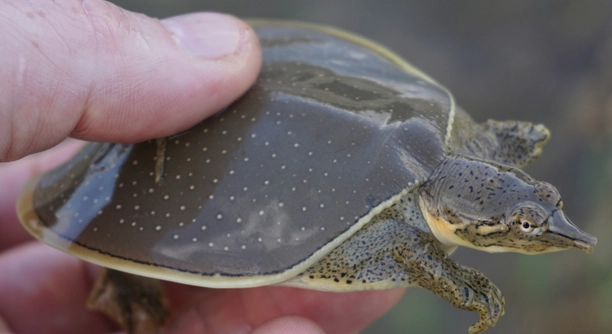
7 Steps to Keep Your Softshell Turtle Happy and Healthy

Keeping your softshell turtle healthy and happy requires more than just providing a proper tank. It involves understanding their needs and ensuring the right environment, diet, and care to maintain their well-being. To keep your softshell turtle healthy, ensure they have a spacious tank, clean water, and a balanced diet. Regular basking areas and proper … Read more

How to Ensure Clean Tank Water Without Frequent Changes

Are your tank water changes becoming more frequent than you’d like? It can feel overwhelming to maintain a healthy aquatic environment without constant water swaps. Finding the right balance is key to keeping your tank clean and your aquatic life thriving. The key to ensuring clean tank water without frequent changes lies in maintaining proper … Read more

7 Tips for Setting Up Outdoor Turtle Habitats

Creating a suitable habitat for your outdoor turtles is essential for their well-being. By making the right adjustments, you can ensure they thrive in a safe and comfortable environment. These tips will guide you through the process. To set up an ideal outdoor turtle habitat, you must provide the proper shelter, water, food, and UV … Read more

Why Is My Softshell Turtle Breathing Heavily?

If you’ve noticed your softshell turtle breathing heavily, you may be concerned about its health. Breathing irregularities in reptiles can be caused by various factors, including environmental conditions and potential health issues. Heavy breathing in softshell turtles can be attributed to stress, respiratory infections, or inadequate tank conditions. High water temperature, poor water quality, or … Read more