7 Steps to Building a Turtle-Friendly Tank Lid
Building a turtle-friendly tank lid is essential for your pet’s safety and comfort. It ensures that your turtle has a secure and proper environment to thrive in while preventing potential escapes or environmental imbalances. The best way to create a turtle-friendly tank lid is by choosing a durable, ventilated material that allows light and airflow … Read more
How to Keep Softshell Turtle Tanks Algae-Free

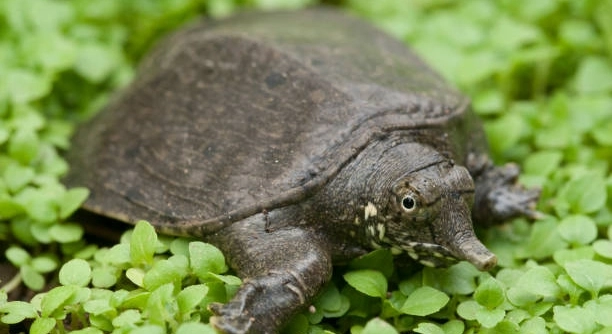
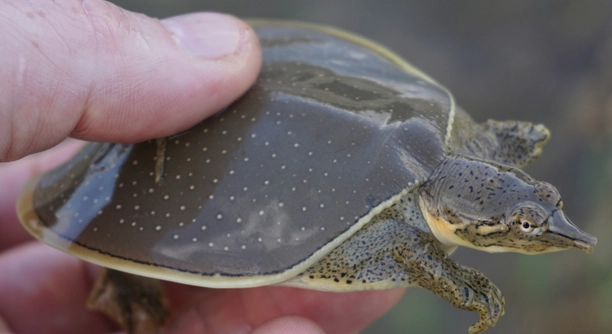
Keeping a softshell turtle tank algae-free can be a challenge. Algae growth not only affects the aesthetic of the tank but can also harm your turtle’s environment. Proper care and maintenance can help maintain a clean, healthy habitat. The simplest way to keep algae at bay is through proper filtration, regular water changes, and controlling … Read more

7 Safe Tank Cleaning Products for Turtle Owners

Keeping your turtle’s habitat clean is essential for their well-being. The right cleaning products can help maintain a healthy tank, but not all products are safe for your pet. Knowing which products to use makes all the difference. The safest tank cleaning products for turtles are those that are non-toxic, gentle, and effective at removing … Read more

Why Is My Turtle Displaying Erratic Swimming Behavior?

Turtles are fascinating creatures, and observing their movements can be an enjoyable experience. However, if your turtle begins to swim erratically, it may leave you puzzled and concerned about its health. Erratic swimming in turtles is often caused by stress, illness, or environmental issues. It can indicate problems such as poor water quality, an unsuitable … Read more

7 Best Practices for Tank Filtration Maintenance

Proper tank filtration maintenance is essential for keeping your aquarium clean and your fish healthy. Regular care helps avoid issues and ensures the water stays clear. A clean tank also promotes the well-being of all its inhabitants. Regular tank filtration maintenance ensures that harmful particles and excess waste are removed from the water. Proper care … Read more

What Causes Turtles to Refuse Tank Companions?

Turtles are known for their calm and solitary nature, but when it comes to sharing their tank with companions, they can be quite picky. Many owners are left wondering why their turtles refuse to interact with tank mates. Turtles often refuse tank companions due to territorial behavior, lack of socialization, and different habitat needs. In … Read more

7 Essential Accessories for Tank Safety

Tank safety is crucial for protecting both people and the environment. Certain accessories can help ensure everything is operating smoothly. With the right tools, you can minimize risks and enhance safety measures when managing tank operations. The most essential accessories for tank safety include pressure relief valves, level gauges, emergency shutoff systems, tank liners, vapor … Read more

How to Prevent Algae Build-Up on Basking Platforms

Algae build-up on basking platforms can be a common problem for those who own aquatic pets. It can affect the cleanliness and health of their habitat. Keeping platforms free from algae is essential for a safe environment. Preventing algae growth on basking platforms involves regular cleaning, managing water quality, controlling light exposure, and ensuring proper … Read more

7 Tips for Preparing Your Turtle Tank for Winter

As the seasons change and temperatures drop, it’s important to ensure your turtle’s home stays comfortable. Winter can be a tricky time for caring for your reptile, but a few adjustments can make all the difference. Preparing your turtle tank for winter involves adjusting water temperature, humidity, and lighting. Ensuring a proper basking area and … Read more

Why Do Softshell Turtles Dig in Their Substrate?

Softshell turtles are fascinating creatures with unique behaviors. One of the most common sights in their habitats is them digging into their substrate. This behavior often raises questions about what motivates them to dig so frequently. Softshell turtles dig in their substrate primarily for nesting, shelter, and thermoregulation. They may also dig to find moisture … Read more