Can Rainbowfish Learn From Each Other?

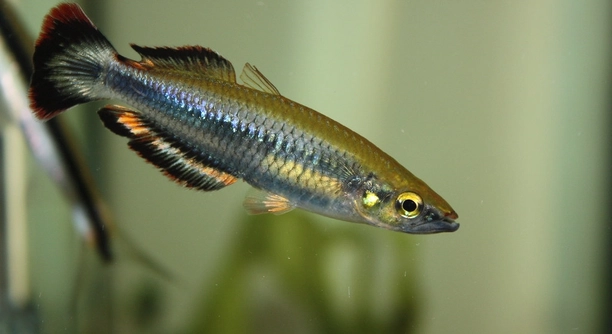
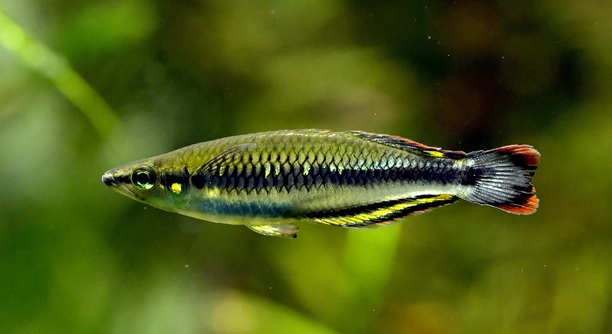
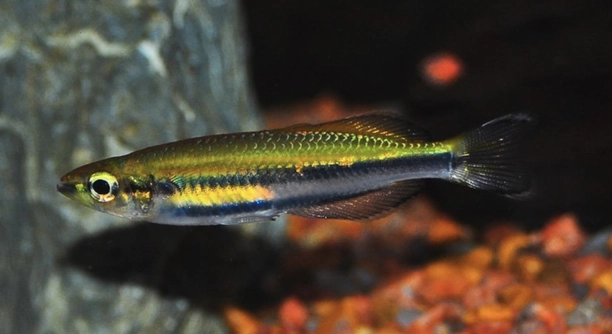
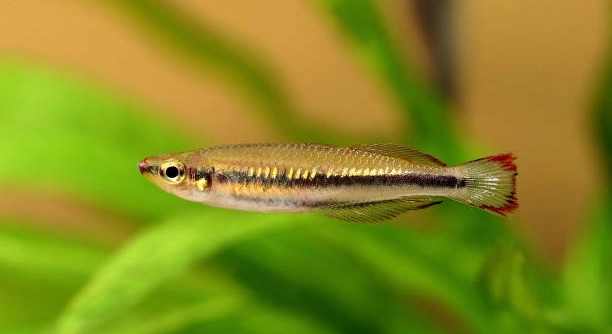
Rainbowfish are small, colorful freshwater fish that brighten home aquariums. They are active swimmers, often moving in groups, and exhibit behaviors that suggest they can interact with one another in interesting ways. Their social nature is noticeable. Research indicates that rainbowfish are capable of learning from each other through observation and imitation. By watching the … Read more

7 Ways to Build Trust With Rainbowfish

Rainbowfish are colorful and lively, yet building a trusting bond with them requires patience and careful observation. Many new owners struggle to understand their behavior and how to create a comfortable environment for these delicate fish. Establishing trust with rainbowfish involves consistent feeding, gentle handling, and maintaining stable water conditions. Providing hiding spots, minimizing sudden … Read more

What to Do If Rainbowfish Stop Swimming

Rainbowfish are lively and colorful additions to any aquarium, often swimming gracefully across the tank. Observing them suddenly stop moving can be alarming, leaving owners concerned about their health and overall wellbeing in their aquatic environment. When rainbowfish stop swimming, it is often due to stress, poor water quality, or illness. Immediate assessment of water … Read more

7 Natural Light Tricks for Healthier Fish

Are your fish showing signs of stress or dull colors despite regular feeding and tank cleaning? Proper lighting is often overlooked, yet it plays a major role in maintaining a healthy aquatic environment. Small adjustments can make a noticeable difference. Natural light significantly impacts fish health by regulating their circadian rhythms, boosting immune function, and … Read more

Do Rainbowfish Like Bright Lights or Dim?

Rainbowfish are popular in home aquariums for their vibrant colors and active swimming. Many aquarium owners enjoy watching them dart through plants and interact with tank mates, creating a lively and visually appealing environment for any fish enthusiast. Rainbowfish generally prefer moderate to dim lighting rather than bright light. Excessively bright lights can stress them, … Read more

What Temperature Do Rainbowfish Prefer?

Have you ever tried caring for rainbowfish and felt uncertain about the conditions they need to thrive, especially when it comes to the temperature that keeps them healthy and comfortable in their vibrant freshwater environment. Rainbowfish prefer warm, stable water between seventy four and seventy eight degrees Fahrenheit, a range that supports healthy metabolism and … Read more

Why Rainbowfish Flash Their Colors Suddenly

Have you ever watched rainbowfish swimming calmly, only to suddenly flash bright colors across their scales? These small, shimmering fish can change appearance in an instant, catching the eye of anyone observing them in their tank or in the wild. Rainbowfish flash their colors suddenly primarily as a form of communication and defense. This rapid … Read more

7 Things That Affect Rainbowfish Social Bonds

Rainbowfish are colorful, active fish that thrive in social groups. Watching them interact can be fascinating, as their relationships affect behavior, feeding, and overall health in the aquarium. Understanding these bonds can improve care. Rainbowfish social bonds are influenced by factors such as tank size, population density, water quality, diet, environmental enrichment, stress levels, and … Read more

Why Rainbowfish Might Become Shy Overnight

Rainbowfish are colorful and lively, often swimming around confidently in aquariums. However, sometimes they suddenly become withdrawn, hiding in corners or behind plants without any obvious reason, leaving owners worried about their sudden change in behavior. Rainbowfish may become shy overnight due to sudden changes in water conditions, overcrowding, or stress from new tank mates. … Read more

7 Warning Signs Your Fish Needs a Water Change

Keeping a fish tank clean can sometimes feel overwhelming, especially when your aquatic friends rely on you for a healthy environment. Regular water changes are essential, yet signs of trouble can appear before the water looks dirty. Poor water quality often affects fish health in subtle ways. Cloudy water, unusual swimming patterns, buildup of algae, … Read more