
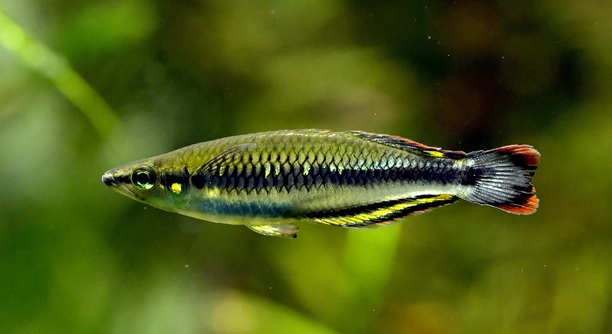
Rainbowfish are popular in home aquariums for their vibrant colors and active swimming. Many aquarium owners enjoy watching them dart through plants and interact with tank mates, creating a lively and visually appealing environment for any fish enthusiast.
Rainbowfish generally prefer moderate to dim lighting rather than bright light. Excessively bright lights can stress them, reduce their natural coloration, and alter their behavior. Providing a balanced light environment helps maintain their health and enhances their vibrant appearance.
Understanding their lighting preferences can improve both their well-being and your aquarium’s aesthetic. Small adjustments can make a noticeable difference in their daily activity and coloration.
Understanding Rainbowfish Lighting Needs
Rainbowfish are sensitive to the type and intensity of light in their aquarium. They naturally inhabit rivers and streams where sunlight is filtered through vegetation, creating a soft, diffused environment. Bright, direct lighting can make them anxious, causing them to hide or swim erratically. Dim to moderate lighting allows them to display their full coloration without stress. Adjusting the light gradually helps them adapt, as sudden changes can be harmful. The tank’s size and decorations also affect light distribution. Floating plants, for example, can reduce intensity and mimic their natural habitat. Observing how your rainbowfish react to light adjustments is crucial. Active swimming, proper feeding, and visible coloration are signs they are comfortable. Conversely, dull colors, lethargy, or hiding indicate the light may be too harsh. Regularly checking the light schedule and intensity ensures a stable environment, supporting both their health and natural behaviors over time.
Dim or moderate lighting is ideal for rainbowfish to thrive and maintain vibrant colors without stress.
Lighting also influences tank plants and algae growth. Overly bright lights can accelerate algae, making maintenance harder. Balancing light supports a healthier ecosystem, benefiting both fish and plants. Proper lighting scheduling and intensity help mimic natural day-night cycles, encouraging normal behavior. Observing your rainbowfish under different lighting conditions allows for fine-tuning and a more visually appealing aquarium. Careful planning creates a stable and calming environment that supports their overall health, reduces stress, and allows them to show their full color potential. Small adjustments in placement or light duration can make noticeable improvements. Over time, understanding how your rainbowfish respond will help maintain a thriving, balanced tank that feels natural to them and satisfying to watch.
Signs Your Rainbowfish Are Comfortable
Rainbowfish that are comfortable swim actively and interact with their surroundings.
Healthy rainbowfish exhibit vibrant colors, swim confidently, and explore their environment. Stress or poor lighting can cause fading, hiding, or sluggish movement. Proper lighting, tank layout, and gentle observation support their natural behavior and long-term well-being.
When rainbowfish are content, their fins are fully extended, and they maintain consistent movement throughout the day. They feed readily and interact with other fish without aggression or fear. Behavioral changes are often the first indication of stress, signaling that adjustments are needed in lighting, water conditions, or tank setup. Observing their daily routines provides insight into what works best for them. A balanced lighting schedule, along with hiding spots and plants, ensures they feel secure. Over time, you will notice patterns in their activity that reflect their comfort level. Maintaining stable conditions, avoiding sudden changes, and providing moderate light intensity allows rainbowfish to thrive naturally. Their vivid coloration, active swimming, and curiosity reflect a healthy, stress-free environment that aligns with their natural instincts.
Adjusting Light for Rainbowfish
Providing the right light intensity helps rainbowfish feel secure and active. Dim to moderate lighting is best, as overly bright light can stress them and make them hide, affecting their health and coloration.
Gradually adjusting light levels allows rainbowfish to acclimate without sudden stress. Start with shorter periods of bright light and slowly reduce intensity until it reaches a comfortable level. Using floating plants or decor can help diffuse light naturally. Observing their behavior during adjustments is essential; active swimming and bright coloration indicate they are comfortable. Tank size and placement of light also affect how much brightness reaches them, so careful planning ensures even distribution and avoids overly illuminated areas.
Timing the light period is equally important. Keeping a consistent day-night schedule mimics natural conditions, supporting their internal rhythms. Automatic timers can maintain regular cycles, reducing stress. Avoid turning lights on and off abruptly, as sudden changes can startle them. A gradual ramp-up in brightness in the morning and a slow dimming at night encourages normal activity patterns. By controlling light intensity, duration, and distribution, you create an environment where rainbowfish thrive naturally, maintaining both vibrant colors and healthy behaviors consistently.
Equipment and Lighting Options
LED lights are ideal for rainbowfish tanks due to energy efficiency and adjustable brightness.
LED systems allow control over intensity and spectrum, making them suitable for creating moderate lighting conditions. Some models include dimming features or programmable schedules, which help maintain consistency and mimic natural daylight cycles effectively.
Selecting the proper light fixture impacts both fish and tank plants. Adjustable LED lights provide flexibility to fine-tune brightness according to the rainbowfish’s needs, avoiding stress and promoting coloration. Choosing lights with a spectrum that enhances natural colors can make the fish look more vivid without increasing intensity excessively. Tank size and depth influence how much light penetrates to lower areas, so matching fixtures to the setup ensures even coverage. Incorporating timers or dimmers helps create predictable day-night cycles, preventing sudden changes that can startle fish. Regular monitoring allows adjustments based on fish behavior and plant growth, ensuring a balanced, healthy tank environment over time. Proper lighting choices enhance the visual appeal while supporting rainbowfish well-being naturally.
Creating a Comfortable Environment
Providing hiding spots helps rainbowfish feel secure under moderate lighting. Plants, rocks, and decorations allow them to retreat when needed, reducing stress and supporting natural behavior.
Balanced lighting combined with a structured environment encourages active swimming. Open swimming areas and shaded spots together create a comfortable space for exploring and resting.
Monitoring Behavior
Active swimming, consistent feeding, and bright coloration indicate rainbowfish are comfortable. Lethargy or hiding suggests adjustments are needed. Observing these signs regularly helps maintain a stable environment and prevent stress-related health issues.
Light Duration Guidelines
Rainbowfish thrive with 8 to 10 hours of light per day. Maintaining a regular schedule prevents stress and supports normal behavior.
Combining Natural and Artificial Light
Combining filtered natural light with LED fixtures can enhance coloration. Avoid direct sunlight to prevent overheating and algae growth, keeping the tank balanced and safe for rainbowfish.
FAQ
How do I know if my rainbowfish is stressed by the light?
Stress signs include hiding for long periods, faded coloration, and sluggish swimming. They may also stop eating or stay close to shaded areas. Observing their daily behavior helps identify whether the lighting is too intense. Adjusting light gradually can reduce stress.
Can rainbowfish adapt to bright lights over time?
They can adjust slightly, but prolonged exposure to bright light is not ideal. Even with gradual acclimation, their natural preference is moderate to dim lighting. Providing shaded areas and controlling light duration helps them feel secure.
Is it necessary to use a timer for aquarium lights?
Yes. A timer ensures a consistent day-night cycle, which supports natural behavior and reduces stress. Rainbowfish thrive with predictable lighting, avoiding sudden changes that could startle them or affect feeding patterns.
What type of lighting is best for a planted rainbowfish tank?
LED lights with adjustable intensity are ideal. They provide adequate light for plants while preventing excessive brightness that can stress fish. Dimmable LEDs or fixtures with programmable schedules allow fine-tuning for optimal balance.
How long should the lights be on each day?
A consistent period of 8 to 10 hours per day is recommended. This duration mimics natural daylight and promotes healthy activity patterns. Avoid longer periods, which can encourage algae growth and stress the fish.
Should I use floating plants to manage light intensity?
Yes. Floating plants diffuse light, providing shaded areas and creating a more natural environment. They also contribute to water quality and give rainbowfish spaces to hide when they feel threatened or stressed.
Can bright lights improve rainbowfish coloration?
Excessive bright light may actually dull their colors due to stress. Moderate lighting allows their natural vibrant colors to appear without causing anxiety. Focus on balanced light, proper nutrition, and tank conditions to enhance coloration safely.
How do I adjust light for a deep tank?
Deep tanks require more careful light placement. Use powerful but adjustable lights and ensure even coverage throughout the tank. Floating or tall plants can diffuse light, preventing overly bright spots while keeping lower areas visible for the fish.
Are there signs that lighting is perfect for rainbowfish?
Yes. Active swimming, full fin extension, normal feeding, and bright coloration are good indicators. The fish should explore the tank confidently and use shaded areas naturally. Regular observation helps maintain these conditions.
Can sudden changes in light harm rainbowfish?
Yes. Abrupt changes can startle them, causing stress and hiding behavior. Gradual adjustments in brightness or timing help the fish acclimate without negative effects. Combining dimmers and timers reduces the risk of sudden environmental shocks.
Does tank size affect light preferences?
It does. Larger tanks may require more powerful lighting to reach all areas evenly, but intensity should still be moderate. Proper placement and distribution prevent bright spots that could stress the fish while maintaining comfortable illumination.
How does light affect rainbowfish interaction with tank mates?
Bright lights can increase stress, leading to hiding or aggression. Moderate, evenly distributed lighting encourages normal social behavior, allowing rainbowfish to swim and interact naturally without territorial disputes or fear-driven retreats.
Can rainbowfish live under dim light alone?
Yes, they can adapt to dim light, especially if hiding spots are available. However, some ambient lighting is needed to maintain activity and coloration. Balancing dim light with occasional moderate brightness supports their well-being effectively.
What are the benefits of using LED lights over fluorescent lights?
LEDs provide adjustable intensity, longer lifespan, and lower heat output. They allow better control over light distribution, prevent overheating, and reduce energy use. Their programmability supports consistent day-night cycles and mimics natural conditions more reliably.
How often should I check lighting conditions?
Regular observation is important. Check weekly to ensure intensity, duration, and distribution remain consistent. Monitor fish behavior and plant growth to detect changes. Adjust lights gradually if needed, keeping the environment stable and comfortable.
Is it okay to combine natural and artificial light?
Yes. Filtered natural light with controlled artificial lighting works well. Avoid direct sunlight, which can overheat the tank and promote algae. Balanced combination enhances coloration, supports plants, and maintains a secure environment for rainbowfish.
How do I prevent algae growth while keeping proper lighting?
Maintain moderate light intensity and proper duration. Incorporate plants that compete with algae for nutrients and clean the tank regularly. Avoid placing the tank in direct sunlight. LED timers help prevent excessive light exposure, reducing algae without stressing the fish.
Can lighting affect breeding in rainbowfish?
Yes. Stable, moderate lighting supports natural behavior, including breeding. Sudden changes or overly bright conditions can stress fish and reduce spawning activity. A predictable light cycle encourages normal mating patterns.
What is the best way to test light intensity for my tank?
Use a light meter to measure intensity at different tank levels. Adjust height or brightness accordingly. Observing fish behavior under different settings helps determine optimal lighting for health, coloration, and activity.
Are there signs my rainbowfish prefer more shade?
If they consistently stay near plants, rocks, or shaded corners, it indicates preference for lower light. Adding more shaded areas or adjusting intensity can make them more comfortable and reduce stress.
How important is gradual light change during the day?
Very important. Gradual increases and decreases in light intensity mimic sunrise and sunset, reducing stress and supporting natural rhythms. Sudden on-off cycles can startle rainbowfish and affect their daily activity patterns.
Can I use colored lighting for rainbowfish?
Subtle spectrum adjustments can enhance coloration, but avoid harsh or unnatural colors. Moderate white or daylight spectrum light provides the best balance for their health and visual appeal. Extreme colors may stress them or distort natural behavior.
How do I combine light management with other tank care?
Lighting should complement water quality, temperature, and tank layout. Maintaining all aspects together ensures a stable environment. Observation, proper feeding, and plant management alongside controlled lighting create a healthy space for rainbowfish to thrive naturally.
Final Thoughts
Rainbowfish are delicate and vibrant fish that respond strongly to their environment. Lighting plays a major role in their overall well-being, influencing behavior, activity, and coloration. Bright lights can stress them, while dim or moderate lighting provides comfort and encourages natural movement. Observing their reactions to different light levels helps determine what works best for the specific tank setup. Proper lighting also interacts with other aspects of care, such as plants, decorations, and tank layout, creating a balanced and stable environment that supports both health and visual appeal. The key is consistency and moderation, which allows rainbowfish to thrive while displaying their full, natural colors.
Gradually adjusting light intensity and using timers can significantly improve their daily routine. Sudden changes can startle them, so gentle transitions help maintain normal activity patterns and reduce stress. Providing shaded areas, such as plants or rock structures, allows rainbowfish to retreat when needed, adding security. Balanced lighting also promotes normal feeding and social behaviors, preventing aggression or hiding tendencies. LED lights are particularly useful because they can be adjusted for intensity and spectrum, giving precise control over the tank environment. Combining these adjustments with a consistent schedule mimics natural conditions, encouraging healthy swimming, full fin extension, and active exploration. Regular monitoring ensures that changes are effective and that the fish remain comfortable throughout different seasons and lighting adjustments.
A well-planned lighting strategy supports both the rainbowfish and the overall aquarium ecosystem. Moderate light intensity not only benefits the fish but also encourages healthy plant growth without excessive algae buildup. Maintaining predictable light periods, around 8 to 10 hours per day, helps reinforce natural day-night cycles, which is essential for their physical and behavioral health. Observing behavior, coloration, and activity provides immediate feedback about the effectiveness of lighting and environmental adjustments. Taking time to refine these details creates a stable, stress-free habitat, allowing rainbowfish to display their vibrant colors and natural behavior. With careful attention and small, consistent changes, the aquarium can remain a comfortable, visually appealing home for rainbowfish over the long term.

Hello,
If you enjoy the content that we create, please consider saying a "Thank You!" by leaving a tip.
Every little bit helps us continue crafting quality advice that supports the health, happiness, and well-being of pets around the world, for pets of all shapes, sizes, and species.
We really appreciate the kindness and support that you show us!