Why Is My Rainbowfish Swimming Sideways?
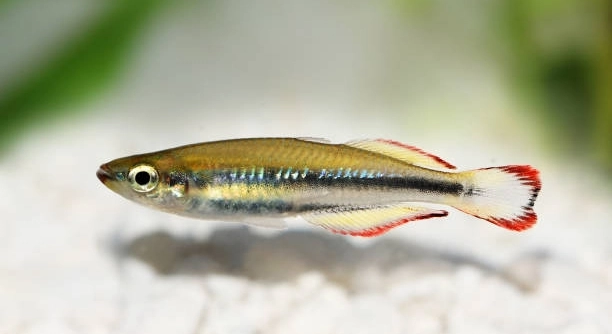
Rainbowfish are vibrant and graceful additions to any home aquarium, bringing color and movement that can brighten a tank. Observing their natural swimming patterns is usually relaxing and enjoyable for aquarium enthusiasts. Swimming sideways in rainbowfish is often a sign of swim bladder disorder, which affects their buoyancy and balance. Causes can include overfeeding, bacterial … Read more

Why Rainbowfish Might Hide After a Water Change

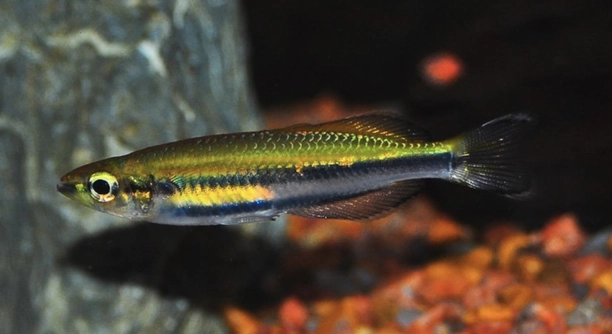
Rainbowfish are known for their vibrant colors and lively swimming, but sometimes they act shy, especially after a water change. Observing them closely can reveal subtle changes in behavior that might indicate stress or discomfort. Rainbowfish often hide after a water change due to sudden shifts in water parameters such as temperature, pH, and hardness. … Read more

7 Ways to Test Rainbowfish Comfort Level

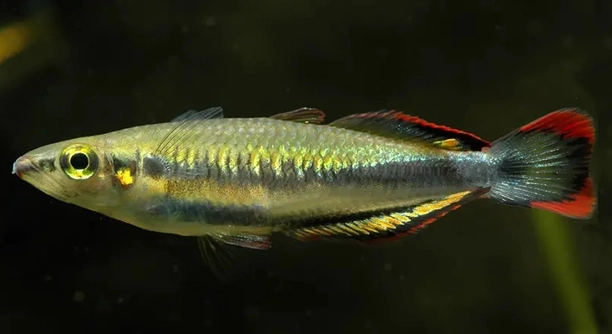
Keeping rainbowfish comfortable matters to me as an aquarist, since calm fish show brighter colors and healthier behavior. This article introduces simple ways to notice comfort signals and reduce stress inside a home aquarium setup. The comfort level of rainbowfish is best evaluated through consistent observation of swimming patterns, coloration, feeding response, and social interaction. … Read more

Why Rainbowfish Might Avoid Certain Foods

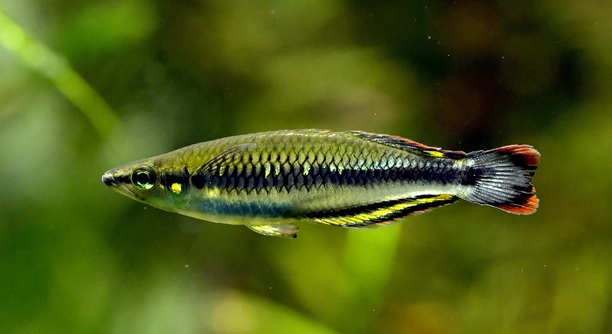
Rainbowfish are vibrant, active fish that add life to any aquarium. Observing their eating habits can be fascinating, especially when they avoid certain foods despite being offered a variety of options. Their preferences are more than just whimsy. Rainbowfish may avoid specific foods due to factors such as taste, texture, nutritional composition, or previous negative … Read more

Are Rainbowfish Easily Startled?

Rainbowfish are bright and lively freshwater fish that bring energy to any aquarium. Their shimmering colors and graceful movements make them popular among hobbyists looking to add beauty and life to their aquatic setups. Rainbowfish can be easily startled due to their naturally skittish behavior and heightened sensitivity to sudden movements, loud noises, or changes … Read more

7 Indicators That Your Fish Isn’t Thriving

Keeping fish healthy is not always simple, even for experienced owners. Subtle signs can indicate that your aquatic pets are under stress or struggling in their environment. Recognizing these early helps prevent serious problems. Indicators that a fish is not thriving often include changes in appetite, unusual swimming patterns, faded coloration, clamped fins, rapid breathing, … Read more

Why Your Fish Might Be Less Social Today

Do your fish seem less interested in swimming together or interacting with their usual companions lately? Many fish owners notice changes in behavior that can seem sudden or confusing at first glance. Stress, illness, or environmental shifts often play a role. Fish often reduce social interactions due to stressors in their environment, illness, or changes … Read more

7 Tricks to Encourage Schooling Behavior

Many fish species naturally form groups as a defense mechanism and to improve their chances of finding food. Observing schooling behavior can be fascinating, yet encouraging this instinct in captivity requires understanding their natural tendencies and environment. Providing the right environment, consistent feeding schedules, and visual or chemical cues can significantly promote schooling behavior. Maintaining … Read more

How to Tell If Rainbowfish Are Pairing Up

Rainbowfish are colorful, lively additions to any aquarium, bringing movement and charm to their environment. Observing their behavior can be rewarding, especially when they begin to form bonds or show signs of pairing with one another. Rainbowfish often display pairing behavior through synchronized swimming, mutual displays of fins and colors, and shared territory or nesting … Read more

Can Rainbowfish Tell Daylight From LEDs?

Rainbowfish are popular in home aquariums because of their vibrant colors and active behavior. Observing how they react to different lighting conditions can help keep them healthy and comfortable in artificial environments. Research indicates that rainbowfish can distinguish between natural daylight and artificial LED lighting. Their visual system is sensitive to specific wavelengths, allowing them … Read more