
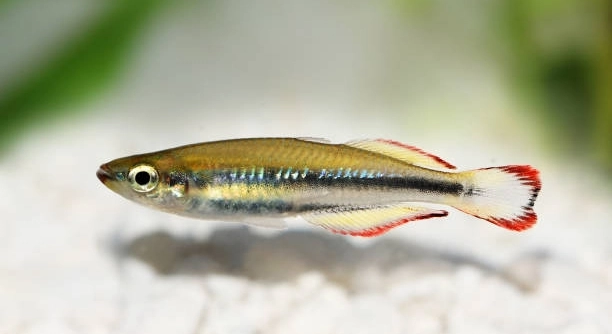
Rainbowfish are bright and lively freshwater fish that bring energy to any aquarium. Their shimmering colors and graceful movements make them popular among hobbyists looking to add beauty and life to their aquatic setups.
Rainbowfish can be easily startled due to their naturally skittish behavior and heightened sensitivity to sudden movements, loud noises, or changes in their environment. This reaction is a defensive mechanism to avoid predators and ensure their safety within the tank.
Understanding these reactions can help maintain a calm aquarium environment. Observing their behavior carefully allows you to support their comfort and wellbeing effectively.
Common Triggers for Startling
Rainbowfish are naturally alert, which means they can be easily startled by sudden changes around them. Movements near the tank, quick hand motions, or even reflections on the glass can cause them to dart around. Bright flashes of light, loud noises, or abrupt water movements also contribute to their stress. Tankmates that are aggressive or overly active can make rainbowfish nervous, as they prefer calm company. Even minor changes in water temperature or quality can trigger their instinctive flight responses. I’ve noticed that when I clean the tank too quickly, my rainbowfish swim frantically for a few moments before settling. Understanding these triggers helps create a more peaceful environment. Adjusting lighting, reducing noise, and moving slowly near the aquarium can minimize sudden stressors. This careful approach encourages a healthier, more relaxed group of rainbowfish, allowing their colors and behavior to shine naturally over time.
Keeping the tank environment consistent reduces stress and prevents unnecessary startling reactions in rainbowfish.
Providing a stable, calm habitat helps them feel secure. Observing patterns in their responses can reveal specific triggers. Adjustments to light, sound, and activity levels significantly improve comfort. Over time, rainbowfish become more confident and less reactive to minor disturbances, creating a smoother experience for both the fish and caretaker.
How to Reduce Startling
Slow, deliberate movements near the aquarium keep rainbowfish calm.
Creating a predictable routine and avoiding sudden changes in the tank helps reduce stress. Feeding at the same times, keeping water quality stable, and maintaining compatible tankmates all contribute to a secure environment. Decorations and plants provide hiding spots, giving the fish a sense of safety. Over time, these measures reduce the frequency of startled reactions and support their natural behaviors.
Observation is key to understanding your rainbowfish’s comfort. Each individual may react differently to changes, so tracking their responses can guide adjustments in care. For instance, if they consistently dart at reflections, repositioning lights or covering reflective surfaces can help. Introducing new tankmates gradually allows them to adapt without overwhelming stress. Maintaining steady water parameters, including temperature, pH, and cleanliness, further ensures stability. Even small, consistent actions, such as feeding gently and avoiding tapping on the glass, significantly reduce startling. Creating an environment that balances activity with calm hiding areas allows rainbowfish to display their full colors confidently. With attention to detail and patience, these fish become less skittish, resulting in a vibrant, harmonious aquarium that is enjoyable to observe.
Tank Setup Considerations
Proper tank setup reduces startling and supports natural behavior in rainbowfish. Decorations, plants, and hiding spots provide safe areas. Avoid overcrowding and keep tankmates compatible. Lighting should be gradual rather than abrupt to prevent sudden reactions. Consistent water parameters are essential for a calm environment.
Arranging the tank with care makes a noticeable difference. Live plants not only add beauty but also give rainbowfish places to retreat when they feel stressed. Smooth decorations without sharp edges reduce injury risks during quick movements. A moderate tank size allows enough swimming space without overwhelming them. Observing how the fish interact with these elements helps fine-tune the setup. Adjusting light gradually rather than switching it on or off suddenly minimizes startle responses. Consistency in routine, feeding, and water maintenance encourages a secure, relaxed habitat, allowing rainbowfish to display their vibrant colors confidently.
Maintaining stable water conditions and creating predictable surroundings significantly reduce unnecessary stress. Proper setup allows rainbowfish to thrive and feel secure in their tank.
Feeding and Interaction
Feeding routines impact how rainbowfish respond to their environment. Sudden movements near the tank can startle them during feeding. Consistency in timing and method helps them feel secure and anticipate meals calmly.
Observing their behavior during feeding reveals individual temperaments. Some rainbowfish may rush to the surface, while others prefer waiting near plants or decorations. Using a gentle hand to distribute food reduces splashing and sudden disturbances. Over time, these consistent routines build trust and minimize startled reactions. Varied diets including flakes, frozen, and live food ensure balanced nutrition. Avoid tapping on the glass to gain attention, as this can heighten their skittish behavior. Gradually introducing new food types helps them adjust without stress. Patience in feeding routines allows rainbowfish to remain relaxed, confident, and healthier overall, reinforcing positive interactions in their habitat.
Minimizing sudden disruptions during feeding strengthens calm behavior and supports overall wellbeing.
Environmental Factors
Water temperature and quality directly influence rainbowfish behavior. Sudden changes can cause them to startle or hide. Keeping a stable environment helps them feel secure and reduces stress responses.
Tank noise and vibrations also impact their reactions. Placing the aquarium away from heavy traffic or appliances minimizes disturbances and supports calmer behavior.
Social Dynamics
Rainbowfish are social creatures that thrive in groups. Overcrowding or aggressive tankmates can heighten stress and startle responses. Observing their interactions helps identify potential issues. Introducing compatible species gradually encourages harmonious behavior. Maintaining proper group sizes allows rainbowfish to feel safe while displaying natural movement patterns.
Observation and Adjustment
Regular observation helps identify specific triggers for startling. Noticing patterns allows small adjustments in tank setup or routines. Monitoring behavior ensures rainbowfish remain comfortable, reducing stress and promoting healthy, vibrant activity.
FAQ
Why do rainbowfish startle easily?
Rainbowfish are naturally alert and have strong survival instincts. In the wild, quick reactions help them avoid predators. In an aquarium, sudden movements, loud noises, or changes in water conditions can trigger the same instinct, causing them to dart or hide.
How can I tell if my rainbowfish is stressed?
Signs of stress include rapid swimming, frequent hiding, clamped fins, or loss of color. Sudden changes in behavior, such as jumping at shadows or freezing in place, also indicate discomfort. Observing patterns helps identify specific stress triggers and adjust care accordingly.
Do tankmates affect their behavior?
Yes. Aggressive or overly active fish can make rainbowfish nervous. Choosing calm, compatible species reduces stress. Overcrowding increases competition and startle responses. Keeping rainbowfish in appropriate group sizes allows them to maintain social stability while exploring their environment.
Does lighting influence startling?
Sudden or intense lighting can startle rainbowfish. Gradual changes or dimmers help them adjust naturally. Reflections on the glass can also confuse them, so careful placement of lights and covering reflective surfaces improves comfort.
How important is water quality for reducing stress?
Stable water parameters are essential. Fluctuations in temperature, pH, or chemical levels can trigger flight responses. Regular monitoring, proper filtration, and consistent maintenance support a calm environment. Rainbowfish thrive in clean, stable conditions, which reduces unnecessary startling.
Can decorations help reduce startling?
Yes. Plants, rocks, and hiding spots give rainbowfish safe areas to retreat. Open swimming spaces combined with sheltered areas balance activity with security. Decorations also reduce stress from sudden movements, providing both physical and visual comfort in the tank.
Does feeding routine affect their startle response?
Feeding at consistent times with gentle movements prevents unnecessary stress. Sudden hand motions or tapping on the glass can scare them. Offering a mix of flakes, frozen, and live food helps maintain interest without creating panic during meals.
Do rainbowfish get used to human presence?
Over time, rainbowfish can become accustomed to careful observation. Slow movements and predictable interactions reduce fear. They may even approach the glass calmly during feeding if routines are consistent, though some individuals remain naturally cautious.
Is overcrowding a problem?
Overcrowding increases competition and stress. Each rainbowfish needs space to swim and hide. Crowded tanks result in frequent startling, as fish constantly react to close movements from others. Maintaining proper group sizes promotes calm and natural behavior.
How can I minimize accidental startling?
Keep routines consistent, reduce loud noises near the tank, avoid sudden movements, and provide hiding spots. Gradually introducing changes, like new tankmates or decorations, helps rainbowfish adapt without frequent stress reactions. Patience and observation are key to a peaceful tank.
Can rainbowfish become less skittish over time?
Yes, with stable conditions and careful handling, rainbowfish may become more confident. Consistent feeding schedules, calm environments, and gentle interaction gradually reduce startle responses. However, their natural alertness always remains, so occasional reactions are normal.
Do temperature changes cause startling?
Rapid temperature shifts can startle rainbowfish and stress their system. Using a reliable heater and monitoring devices ensures water remains stable, preventing sudden reactions. Even small fluctuations can affect activity and comfort levels.
Are certain rainbowfish species more sensitive?
Some species, like the Boesemani or Red Rainbowfish, tend to be more reactive than others. Knowing the temperament of each species helps in choosing compatible tankmates and setting up a suitable environment.
Can reflections in the tank scare them?
Yes. Reflections can appear as threats or other fish, causing darting or hiding. Covering reflective surfaces, adjusting lighting, and arranging plants strategically reduce confusion and stress.
Do rainbowfish react differently when alone versus in a group?
They are more confident in groups. Alone, they may be more skittish and prone to startle at minor disturbances. Grouped properly, they feel secure, which encourages natural swimming patterns and calmer behavior.
Does tapping the glass affect them?
Tapping creates vibrations and noise, which startle rainbowfish. Repeated tapping can increase stress over time. Avoiding this habit and using gentle feeding or observation methods supports a relaxed environment.
How long does it take for rainbowfish to settle in?
Adjustment varies. Most rainbowfish begin calming within a few days if conditions are stable. Full acclimation can take several weeks, depending on individual temperament, tank size, and consistency of care.
Are sudden decorations changes stressful?
Yes. Rearranging plants, rocks, or hiding spots quickly can cause panic. Gradual adjustments allow rainbowfish to explore new areas without heightened stress. Observation during changes ensures they adapt safely.
Does noise from outside the room matter?
Loud noises, vibrations, or household activity can startle rainbowfish. Placing the tank in a quiet location and minimizing external disturbances reduces stress and encourages calmer behavior.
What is the best way to introduce new fish?
Acclimate slowly using float or drip methods. Introducing new fish gradually prevents sudden reactions. Ensuring compatible temperaments and providing hiding spots supports smooth integration and reduces startle responses in both new and existing rainbowfish.
Can water flow cause startling?
Strong currents or abrupt changes in flow can frighten rainbowfish. Moderate, steady water movement replicates natural conditions without overwhelming them. Adjusting filters and pumps carefully ensures comfort while maintaining water quality.
Do rainbowfish recognize their environment over time?
Yes. Familiar surroundings make them feel secure. They learn safe zones, hiding spots, and feeding areas, which reduces startle reactions. Consistency in layout and routines reinforces this sense of security.
Are some times of day more stressful?
Sudden changes in light at dawn or dusk, household activity, or feeding times can influence startle responses. Gradual transitions and consistent routines help rainbowfish adapt without unnecessary stress.
How do I know if startle behavior is abnormal?
Frequent, frantic darting, prolonged hiding, or loss of appetite may indicate ongoing stress or health issues. Monitoring water conditions, tankmates, and feeding routines helps identify causes and resolve problems.
Does tank size matter for startle behavior?
Yes. A tank that is too small limits swimming space and hiding options, increasing stress and startle responses. Adequate space allows rainbowfish to move freely and find comfort zones, promoting calmer behavior.
Can seasonal changes affect them?
Shifts in temperature, lighting, or household activity during seasons may influence behavior. Maintaining stable tank conditions minimizes stress and supports consistent, calm activity.
Are live plants better than artificial for reducing stress?
Live plants provide natural hiding spots, oxygenation, and visual comfort. They encourage exploration and reduce fear, whereas artificial plants may offer less environmental enrichment, though they still provide some security if arranged thoughtfully.
Do rainbowfish need a routine?
Yes. Regular feeding, light cycles, and consistent interactions help rainbowfish feel secure. Predictable routines reduce startling and promote healthy, confident behavior.
Can handling water or tank equipment startle them?
Yes. Sudden movements during cleaning or equipment adjustment can frighten rainbowfish. Moving slowly, using minimal disturbance, and performing tasks quietly supports a calm environment.
Are younger fish more sensitive?
Juvenile rainbowfish are often more reactive than adults. They adapt gradually with consistent care and secure surroundings, becoming less easily startled over time.
Does overcrowding increase disease risk and stress?
Yes. Overcrowding heightens stress, startle responses, and susceptibility to illness. Adequate space, proper filtration, and compatible tankmates ensure both health and calm behavior.
How long should I observe new rainbowfish for stress signs?
At least several days after introduction. Continuous observation helps identify triggers, adjust the environment, and ensure proper acclimation without unnecessary stress.
Can sudden feeding changes cause panic?
Yes. Switching food types abruptly or feeding at inconsistent times may startle rainbowfish. Gradual changes and predictable schedules reduce stress during mealtime.
Do rainbowfish react to reflections of humans?
Yes. Quick hand movements or bright clothing reflected on glass can startle them. Slower movements and minimizing reflective surfaces support calm behavior.
Are certain colors or movements more alarming?
Bright or contrasting colors moving quickly near the tank may trigger flight responses. Gentle movements and muted surroundings reduce unnecessary reactions.
Can startle behavior indicate illness?
Frequent or extreme startle responses may signal underlying health issues. Observing other signs like discoloration, lethargy, or appetite loss helps determine if medical attention is needed.
Is consistency more important than tank size?
Both matter, but stable conditions often have a bigger impact. Even in a moderately sized tank, predictable routines and calm surroundings greatly reduce stress and startle responses.
How can I combine all tips effectively?
Stable water parameters, compatible tankmates, hiding spots, gentle feeding, gradual changes, and observation create a secure environment. Combining these strategies minimizes startling and supports rainbowfish wellbeing, comfort, and natural behavior over time.
Rainbowfish are naturally alert and sensitive creatures, which means they can startle easily. Their reactions are instinctive and serve as a way to protect themselves from potential threats. In a home aquarium, many everyday factors can trigger these responses, from sudden movements near the tank to changes in lighting or water conditions. Understanding their nature is key to creating a comfortable environment that minimizes stress. By paying attention to their behavior and identifying what causes them to react, you can take steps to reduce unnecessary startling and help your rainbowfish feel more secure in their habitat. Observing their patterns carefully allows for adjustments that improve their overall wellbeing while supporting natural behavior.
Creating a stable and predictable environment is one of the most important ways to support rainbowfish. Consistent water quality, temperature, and feeding routines reduce stress and provide a sense of security. Gradual changes in lighting, thoughtful tank arrangements with hiding spots, and selecting compatible tankmates all contribute to calmer behavior. Even small details, such as reducing loud noises near the aquarium or avoiding tapping on the glass, can make a noticeable difference. Over time, rainbowfish that experience consistent care and a stable environment tend to become more confident and less prone to sudden reactions. The combination of these strategies allows them to thrive while displaying their vibrant colors and active personalities.
Patience and observation are essential for maintaining a peaceful aquarium. Rainbowfish respond well to gentle handling, careful feeding routines, and gradual introductions to new tankmates or decorations. Each individual may have slightly different sensitivities, so taking the time to notice their reactions helps fine-tune the setup and care routines. Encouraging calm behavior and reducing startling not only improves the quality of life for the fish but also enhances the overall enjoyment of the aquarium. By creating a secure, stable, and thoughtfully arranged environment, rainbowfish can express their natural behaviors with confidence. Providing consistent care and understanding their instincts ensures a healthy, vibrant tank where both the fish and caretaker benefit from a harmonious, stress-free space.

Hello,
If you enjoy the content that we create, please consider saying a "Thank You!" by leaving a tip.
Every little bit helps us continue crafting quality advice that supports the health, happiness, and well-being of pets around the world, for pets of all shapes, sizes, and species.
We really appreciate the kindness and support that you show us!