Do Zebra Danios Get Bored of Their Tank Layout?
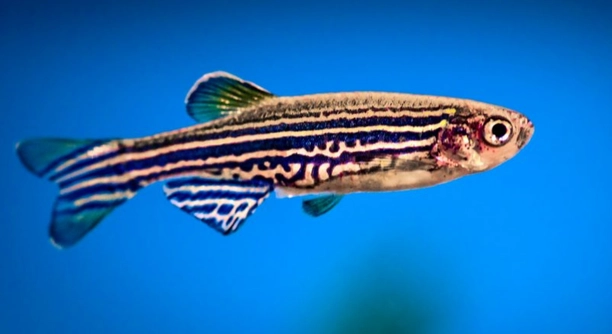
Have you ever rearranged your zebra danios’ tank and wondered if they notice or care about the changes you make? Zebra danios can become less stimulated by an unchanging tank environment over time. Although they are hardy and adaptable, a monotonous layout may limit their natural behaviors, affecting their activity levels and overall mental engagement. … Read more
Do Zebra Danios Communicate Through Movement?

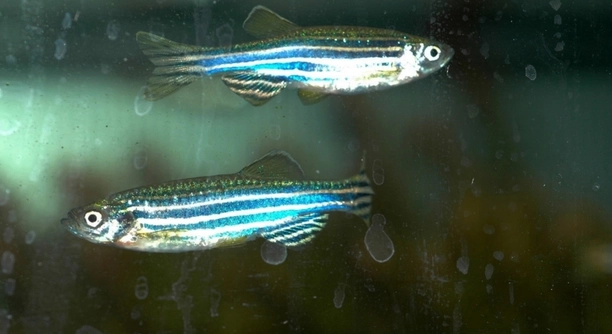
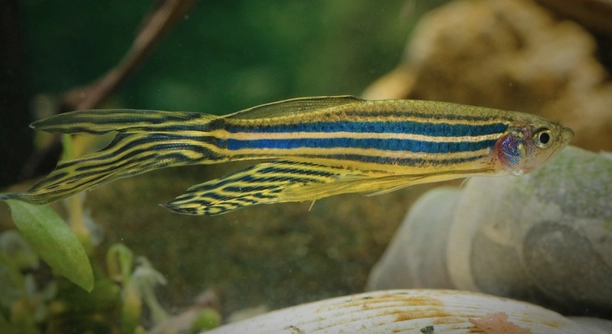
Zebra Danios are a popular fish species in aquariums, known for their vibrant stripes and energetic movements. They are often studied for their behavior, which can reveal fascinating insights about their communication methods in their natural habitat. Zebra Danios use their movements, such as swimming patterns and body postures, to communicate with each other. These … Read more

Why Is Your Zebra Danio Darting Around So Fast?

Zebra Danios are known for their energetic movements and quick darting behavior. If you’ve noticed your fish swimming around at high speed, you may be wondering what’s causing such a burst of energy. Zebra Danios may dart around quickly due to factors like excitement, environmental changes, or stress. They are naturally active fish, but sudden … Read more

7 Feeding Habits That Can Harm Zebra Danios

Zebra Danios are lively and active fish that require proper care to thrive in your aquarium. One crucial aspect of their health is their feeding habits, which can easily be overlooked. Feeding Zebra Danios too much or the wrong types of food can lead to health problems such as bloating, poor water quality, and even … Read more

Why Zebra Danios Might Jump Out at Night

Zebra Danios are active fish that can display various behaviors, including jumping. These jumps often happen during the night when the aquarium is quieter and the lights are off, making it an intriguing occurrence for fish owners. Zebra Danios are more likely to jump at night due to their natural instincts and environmental factors. These … Read more

7 Ways to Enrich Your Zebra Danio’s Tank

A healthy and thriving aquarium relies on the environment you create for its inhabitants. Zebra Danios, lively and easy to care for, benefit greatly from tank enhancements. Learn how to make your tank more enriching for them. To improve your Zebra Danio’s environment, consider adding live plants, providing appropriate tank mates, and maintaining water quality. … Read more

Can Zebra Danios Get Depressed? (Behavior Explained)

Zebra Danios are lively and active fish, popular in many aquariums. Their behavior can be fascinating, but it is important to understand their needs and how changes in their environment might affect their well-being. Zebra Danios can experience signs of depression due to stress, inadequate tank conditions, or poor water quality. While these fish do … Read more

Why Zebra Danios Might Pace Along the Front Glass

Zebra Danios are active swimmers that often display unique behaviors in their tank. One common habit they exhibit is pacing along the front glass of their aquarium. This behavior may have various underlying causes. The pacing behavior is typically due to stress or boredom. Zebra Danios are intelligent and active fish, and when they are … Read more

Why Zebra Danios Might Start Ignoring New Fish

Zebra Danios are popular aquarium fish known for their playful behavior. However, you may notice that these active little swimmers sometimes ignore new additions to their tank. This behavior can be puzzling to many fish keepers. Zebra Danios may begin ignoring new fish due to territorial instincts, social hierarchies, or simply adjusting to new tankmates. … Read more

7 Visual Clues Zebra Danios Use to Communicate

Zebra Danios are fascinating fish with unique ways of communicating. These small, active creatures use visual signals to express emotions and share information with each other. Understanding their communication can deepen your appreciation for these colorful swimmers. Zebra Danios rely on several visual cues to communicate, including body coloration, fin movements, and eye movements. These … Read more