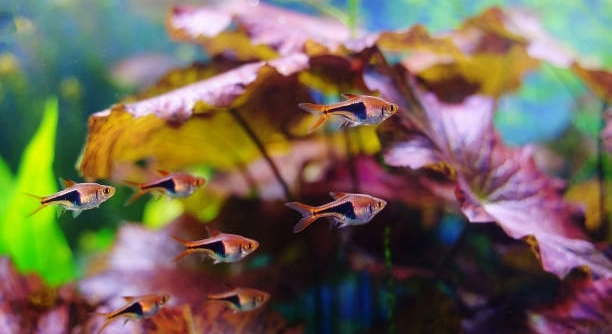
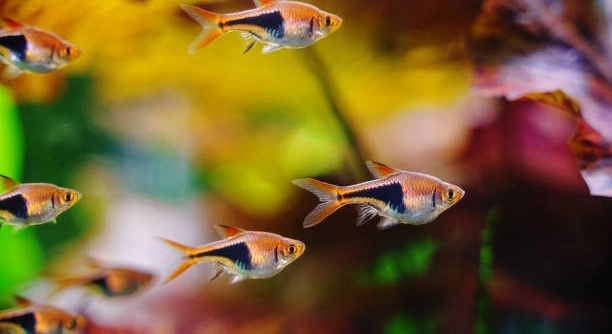
7 Benefits of Adding Snails with Rasboras
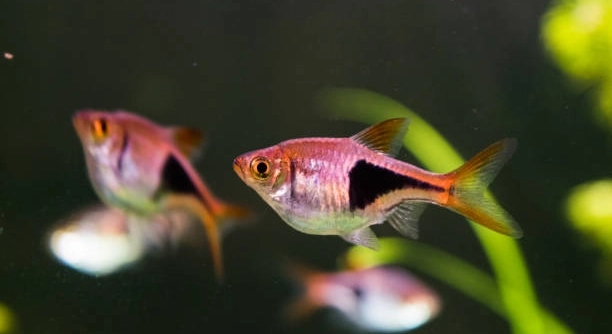
Adding snails to a tank with rasboras can create a more dynamic and balanced environment. Their slow movements and gentle presence bring a sense of calm, while they help maintain cleanliness and overall tank harmony. Snails provide multiple benefits when paired with rasboras, including algae control, leftover food consumption, and maintaining water quality. Their activity … Read more

7 Signs Rasboras Dislike the Tank Setup

Keeping rasboras happy in their tank requires attention to detail and understanding their natural behavior. Small changes in environment or tank setup can affect their health and mood, sometimes without obvious signs for beginners. Rasboras often show dislike for their tank setup through changes in swimming patterns, hiding behavior, reduced feeding, color fading, aggression, erratic … Read more

Why Do Rasboras Avoid the Substrate?

Rasboras are small, active fish that often brighten up home aquariums. Many aquarists notice that these fish rarely touch the substrate, seeming to prefer swimming in open water near the middle or upper levels of the tank. Rasboras avoid the substrate primarily due to their natural behavior and habitat preferences. They are mid- to upper-level … Read more

7 Signs of Tank Harmony for Rasboras

Rasboras are small, colorful fish that often bring life to home aquariums. Watching them interact can be both calming and fascinating as they move together across the tank in graceful patterns. Tank harmony for rasboras is indicated by consistent schooling behavior, minimal aggression, balanced feeding habits, and healthy coloration. Proper water conditions, sufficient space, and … Read more

Why Do Rasboras Sometimes Ignore Food?

Do you ever notice your rasboras swimming around without interest in their food? Watching them ignore meals can feel a bit frustrating, especially when you carefully prepare their favorite flakes or live treats. Rasboras may ignore food due to stress, illness, water quality issues, or inappropriate feeding schedules. These factors can reduce appetite, affect digestion, … Read more

7 Fun Tankmates That Won’t Stress Rasboras

Keeping a community tank can be rewarding, but it requires careful planning. Rasboras are peaceful fish that can get stressed around aggressive or overly active tankmates. Choosing companions wisely ensures harmony in your aquarium. Seven species are commonly recommended as compatible tankmates for rasboras due to their calm nature, similar water requirements, and non-aggressive behavior. … Read more

Do Rasboras Get More Social Over Time?

Do your rasboras seem shy when first introduced to a new tank? Over time, their behavior may change as they adjust to their environment and form social bonds with other fish. Observing these patterns can be rewarding. Rasboras tend to become more social as they acclimate to their environment. Familiarity with tank mates, consistent feeding … Read more

Are Rasboras More Active in Groups of 7+?

Are your rasboras acting more lively than usual? Many fish owners notice that these small, colorful swimmers seem to move differently depending on how many are in the tank. Observing their group behavior can be quite engaging. Rasboras show significantly higher activity levels when kept in groups of seven or more. Increased numbers reduce stress, … Read more

7 Natural Hiding Spots Rasboras Prefer

Rasboras are small, peaceful fish that enjoy calm and secure spaces in their aquarium. Their natural behavior leads them to seek spots where they feel safe, hidden from potential threats or bright lighting conditions. Rasboras prefer natural hiding spots such as dense plants, driftwood crevices, rock overhangs, and leaf litter. These areas provide shelter, reduce … Read more

Can Rasboras React to Their Reflection?

Rasboras are small, colorful freshwater fish often kept in home aquariums. They are active swimmers and enjoy social interaction, both with other fish and their surroundings, making them interesting to observe in their tanks. Rasboras can recognize their reflection, often reacting as if it is another fish. This behavior may include chasing, flaring, or ignoring … Read more