
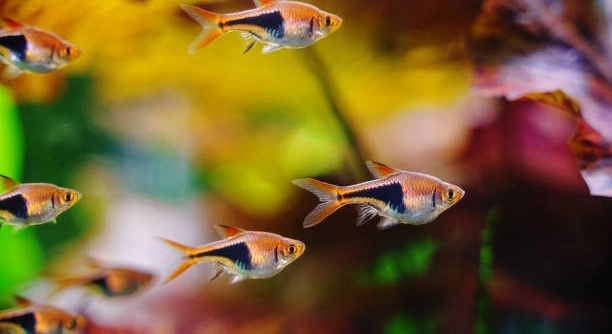
Are your rasboras acting more lively than usual? Many fish owners notice that these small, colorful swimmers seem to move differently depending on how many are in the tank. Observing their group behavior can be quite engaging.
Rasboras show significantly higher activity levels when kept in groups of seven or more. Increased numbers reduce stress, encourage natural schooling behaviors, and stimulate more consistent swimming patterns, resulting in healthier, more dynamic fish within a well-balanced aquarium environment.
Understanding how group size affects behavior can improve tank management and help you create a more vibrant, harmonious aquatic environment for your rasboras.
Why Rasboras Prefer Groups
Rasboras are naturally social fish. When kept alone or in very small numbers, they can appear shy or inactive. Observing them in a group of seven or more, however, shows a noticeable change. Their movements become synchronized, and they swim more confidently throughout the tank. This behavior isn’t just entertaining; it’s a sign of reduced stress. In larger groups, rasboras establish a loose hierarchy, helping them feel secure. They are more likely to explore new areas and interact with tank mates, which keeps them healthier. Smaller groups often lead to hiding or erratic swimming. Providing plenty of space, plants, and hiding spots enhances the effect. Watching these fish swim together creates a lively display, making the aquarium more engaging. Group dynamics play a major role in their well-being, showing that social interaction is essential for these small, vibrant creatures to thrive and display their natural behaviors.
In smaller groups, rasboras tend to hide more and show less activity. Their confidence grows with numbers.
The behavior changes are striking when comparing different group sizes. A group of seven or more moves in coordinated patterns, often gliding through plants or open spaces with ease. Smaller groups lack this rhythm, and individual fish may become stressed or withdrawn. The social interaction in larger numbers promotes natural behaviors, making feeding and swimming more consistent. Even subtle changes, like sudden bursts of movement or playful chasing, are more common in bigger groups. These interactions improve overall health, reduce aggression, and encourage a more balanced tank environment. Observing this difference can help you adjust group sizes to maximize your rasboras’ activity and happiness.
Tank Setup Tips for Active Rasboras
Proper tank setup is key to maintaining active fish. Size, decorations, and water quality all matter.
A well-structured tank provides enough space for swimming and exploration. Rasboras need at least 20 gallons for a small school, with gentle filtration and stable temperature. Plants, rocks, and hiding spots encourage natural behavior while preventing stress. Open areas are also important for free swimming. Lighting should mimic a natural day-night cycle, as consistent light helps regulate activity levels. Regular water changes and testing for pH, ammonia, and nitrate keep the environment healthy. Avoid overcrowding, as it can cause aggression and reduce movement. Observing your fish regularly will indicate whether the setup meets their needs. Adjust decorations and group size as needed to promote lively behavior. Combining proper tank design with a suitable social environment ensures that your rasboras remain energetic, confident, and visually engaging, reflecting the natural patterns these fish exhibit in larger groups.
Feeding Patterns in Groups
Rasboras eat more consistently in larger groups. When seven or more are together, they approach food quickly and swim actively around feeding areas. Smaller groups may hesitate, leading to uneven feeding and wasted flakes or pellets.
In larger groups, competition and social cues encourage every fish to participate in feeding. You’ll notice coordinated movements as they search for food, often following each other and reacting quickly to additions in the tank. This behavior reduces stress during feeding times and promotes healthier growth. Smaller groups can appear sluggish or hesitant, which sometimes results in one fish dominating the food, leaving others undernourished. Group feeding also encourages natural hunting instincts, making mealtimes more dynamic and engaging. Providing small, frequent portions helps maintain energy and reduces aggression. Over time, larger groups develop smoother, more predictable feeding patterns that benefit both the fish and the overall tank environment.
Feeding in social groups also improves digestion and activity levels. Active fish expend more energy and tend to eat more efficiently. A school of seven or more moves as a unit during feeding, ensuring each fish gets attention and nutrients. Even shy or slower individuals become more confident, motivated by the presence of others. Watching these interactions provides insight into natural behavior and can guide adjustments to feeding schedules. The improvement in both activity and appetite in larger groups shows how essential social dynamics are to the daily health of rasboras.
Observing Stress and Comfort
Rasboras display fewer stress signals when in larger groups. Hiding, erratic swimming, and fin clamping decrease noticeably with seven or more companions, creating a calmer tank environment.
Stress reduction in groups is clear through consistent behavior and vibrant coloration. Fish in larger numbers move fluidly and maintain a steady rhythm throughout the tank, exploring open spaces while occasionally gliding through plants. Smaller groups often exhibit nervous behavior, darting quickly or avoiding certain areas. Group dynamics create a sense of security, which is vital for long-term health. Social interaction reduces cortisol levels, promoting stronger immune systems and better overall activity. Even subtle signs, such as synchronized swimming and gentle chasing, indicate comfort. Ensuring a supportive group size not only enhances visibility and movement but also contributes to happier, more resilient rasboras that display natural, confident behaviors in their aquatic environment.
Lighting and Activity Levels
Rasboras are more active under consistent, moderate lighting. Bright or fluctuating light can make them hide, while steady illumination encourages swimming and interaction within the group.
A well-lit tank highlights their colors and improves visibility, helping them stay coordinated. Groups of seven or more respond to light changes together, moving confidently and exploring the aquarium more frequently.
Water Quality Impact
Stable water parameters are essential for active behavior. Sudden shifts in temperature, pH, or ammonia levels can stress rasboras, reducing movement and causing hiding. Regular monitoring and gentle filtration maintain comfort.
Plants and Hiding Spots
Dense plants and small decorations provide security while allowing free swimming. Larger groups use these areas for short rests, then return to open spaces, maintaining consistent activity.
Monitoring Health
Active behavior often reflects good health. Lethargy or erratic swimming may indicate illness or stress, signaling the need for water testing and careful observation.
FAQ
How many rasboras should I keep together?
Rasboras are schooling fish and feel most comfortable in groups of seven or more. Smaller groups may appear timid, hide frequently, or swim erratically. A group of seven encourages natural behavior, synchronized movement, and reduces stress, making the tank more lively and balanced.
Can rasboras live alone?
Keeping a single rasbora is not recommended. Alone, they can become shy, stressed, and less active. They may hide for long periods or fail to display normal swimming behavior. Social interaction is essential for their well-being, so a minimum group is necessary for healthy, active fish.
What tank size is best for a school of rasboras?
A tank of at least 20 gallons is ideal for a small school. Larger tanks allow more space for swimming, plants, and hiding spots. Proper water movement, gentle filtration, and consistent temperature contribute to overall comfort and activity in groups.
Do rasboras become aggressive in large groups?
Rasboras are generally peaceful. In groups of seven or more, aggression is rare because social hierarchy is naturally balanced. Overcrowding, however, can increase stress and competition. Maintaining adequate space and hiding areas prevents conflicts and keeps activity positive and healthy.
How does group size affect feeding behavior?
Groups of seven or more feed more consistently. Fish follow each other and react quickly to added food, reducing waste and ensuring everyone eats. Smaller groups may show hesitation or dominance behavior, where one fish takes most of the food, leaving others undernourished. Frequent, small portions work best.
Will water changes affect activity levels?
Yes, stable water parameters are important. Frequent or drastic changes can stress rasboras, reducing movement and causing hiding. Regular, gentle water changes help maintain proper pH, temperature, and cleanliness, encouraging active swimming and social behavior.
Do rasboras need plants and decorations to stay active?
Plants and decorations are important for security and exploration. Larger groups use plants for short rests, then return to open swimming areas. Proper setup encourages natural behavior, provides hiding spots, and reduces stress, promoting continuous activity in the tank.
How can I tell if my rasboras are stressed?
Signs of stress include hiding, clamped fins, erratic swimming, or loss of color. Groups of seven or more display smoother movement and less hiding. Monitoring these behaviors regularly helps ensure water quality, group size, and tank conditions support comfort and active behavior.
Do lighting conditions affect rasbora activity?
Yes, consistent, moderate lighting encourages swimming and interaction. Sudden bright light can cause hiding or erratic movements, while steady illumination keeps fish confident. Observing groups of seven or more shows coordinated movement, exploration, and healthy social dynamics under stable lighting.
Is it okay to mix rasboras with other fish?
Rasboras are peaceful and can live with other non-aggressive species. Large groups help them feel secure, reducing stress from tank mates. Avoid highly aggressive fish that may intimidate or outcompete them, as this can disrupt schooling behavior and reduce activity.
How often should I monitor my rasboras’ behavior?
Daily observation is best. Watching group dynamics, feeding patterns, and activity levels helps detect stress, illness, or environmental issues early. Larger groups provide visible cues of comfort, allowing for timely adjustments to tank setup, feeding, or water conditions.
Can rasboras reproduce in a small group?
Breeding is more successful with adequate numbers, generally more than seven. Social interaction stimulates natural behavior, including mating rituals. Proper tank setup, plants, and water conditions also support spawning, making group size an important factor in reproduction.
How does temperature influence activity?
Rasboras prefer stable temperatures within their ideal range. Sudden drops or increases can slow swimming, reduce appetite, or cause hiding. Larger groups maintain activity more consistently when temperature is steady, as social cues encourage movement even if some fish react slower to changes.
Are all rasbora species equally social?
Most rasboras are schooling fish, though some species vary slightly in social needs. Checking species-specific guidelines ensures proper group size. In general, seven or more individuals provide security, reduce stress, and promote natural activity patterns across species.
What is the easiest way to keep them active?
Maintaining a group of seven or more in a well-planted, appropriately sized tank with stable water and moderate lighting encourages natural swimming and social behavior. Regular feeding, gentle filtration, and monitoring stress signs support consistent activity and healthy interactions within the group.
Rasboras are small, peaceful fish that thrive in social environments. Observing their behavior in a group shows just how important numbers are for their activity levels. Groups of seven or more naturally swim together, exploring the tank with confidence. Smaller groups or solitary fish often hide, appear timid, or swim erratically. Social interaction is essential for their comfort, reducing stress and encouraging natural behavior. When kept in appropriate numbers, rasboras display coordinated swimming patterns, chase each other playfully, and maintain consistent energy throughout the day. These behaviors are not just entertaining—they are signs of a healthy, balanced school. Watching them move as a unit highlights their social instincts and provides a more dynamic and lively aquarium experience.
Tank setup also plays a key role in supporting active behavior. Rasboras need enough space to swim freely, plants for resting and security, and open areas for coordinated movement. Lighting should be moderate and consistent to encourage natural activity, and water quality must remain stable to prevent stress. Regular feeding of small portions ensures all fish receive enough nutrients, which supports energy and activity levels. Even decorations and hiding spots contribute to overall comfort, allowing fish to rest briefly and then return to swimming. Groups of seven or more respond particularly well to these conditions, moving confidently around the tank and interacting naturally. Attention to the tank environment enhances their energy, prevents aggression, and promotes long-term health, making it easier to maintain a vibrant and harmonious aquarium.
Understanding the social needs of rasboras is essential for keeping them healthy and active. Larger groups reduce stress, encourage feeding participation, and stimulate natural schooling behavior. Observing the differences between smaller and larger groups shows how much impact numbers have on their behavior. Providing the right group size, a well-structured tank, and stable conditions supports their well-being and keeps them energetic throughout the day. Active rasboras in a comfortable environment are more likely to display vivid colors, swim in coordinated patterns, and engage with their surroundings. Focusing on social dynamics, tank setup, and overall care ensures that these small fish live happy, healthy lives, and allows their natural behavior to shine. With careful attention to these factors, rasboras become not only more active but also more enjoyable to watch, creating a lively and balanced aquarium for any home.

Hello,
If you enjoy the content that we create, please consider saying a "Thank You!" by leaving a tip.
Every little bit helps us continue crafting quality advice that supports the health, happiness, and well-being of pets around the world, for pets of all shapes, sizes, and species.
We really appreciate the kindness and support that you show us!