
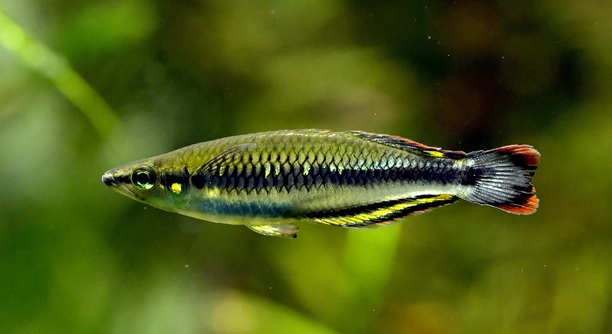
Rainbowfish are small, colorful freshwater fish that often brighten home aquariums. They are active and social, swimming together in groups. Many owners notice them spending time near glass walls, often reflecting light and color beautifully.
Rainbowfish can become distracted by their reflection, frequently interacting with mirrored surfaces. This behavior is typically linked to territorial instincts and social interaction cues. They may respond to their reflection as if it were another fish, leading to increased activity near reflective areas.
Observing these behaviors can help you understand your fish better. Learning how reflections affect their actions may improve their well-being in your aquarium.
Why Rainbowfish Respond to Reflections
Rainbowfish often react to reflections because they mistake them for other fish in their environment. In home aquariums, mirrored surfaces or even shiny equipment can trigger this behavior. The fish may swim toward the reflection, display bright colors, or even chase the “intruder.” This is particularly noticeable in males, who are more territorial and eager to assert dominance. Their natural instinct is to protect their space and show off their colors to rivals. Sometimes, the behavior seems playful, but it is rooted in social instincts. Repeated interaction with reflections can lead to stress if the fish cannot distinguish the reflection from a real opponent. Watching these interactions closely can give you insight into their social hierarchy and activity levels. By observing how your rainbowfish respond, you can adjust the tank setup to reduce unnecessary stress and encourage healthy swimming patterns.
Managing reflections in your tank helps maintain calmer behavior among your fish.
Some owners use plants or decorations to break up reflective surfaces. This reduces constant attention toward reflections and allows rainbowfish to focus on swimming and interacting with actual tank mates, improving overall well-being.
Tips for Reducing Reflection Stress
Minimizing reflective surfaces can prevent rainbowfish from becoming overly distracted.
Adding background images, matte decorations, and avoiding shiny equipment reduces reflections. Placing the tank away from direct sunlight or bright room lights also helps. By changing tank positioning and using natural-looking décor, rainbowfish can feel more secure, reducing repeated chasing behavior. Plants and hiding spots give them areas to retreat, which is important for less dominant fish. Regular observation ensures any aggressive or anxious behavior is noticed early. Additionally, using multiple fish rather than a single rainbowfish can balance social interactions, as the fish focus on each other instead of reflections. Tank design and careful management of reflective areas play a key role in maintaining a peaceful environment. Small changes, like adjusting lighting or rearranging decorations, can significantly improve the daily routine and stress levels of your rainbowfish, allowing them to display natural behaviors calmly and consistently.
Common Behaviors Near Reflections
Rainbowfish often hover near glass or shiny surfaces, seemingly observing their own image. They may swim back and forth, flare their fins, or display bright colors. These actions are instinctive, linked to social interaction and territory, rather than true self-recognition.
Males are particularly active near reflections, often showing off their colors to the “other fish.” Chasing movements and flaring fins are common, while females may simply watch or swim cautiously. The intensity of these behaviors can vary depending on tank size, number of fish, and presence of hiding spots. Excessive attention to reflections may indicate stress, boredom, or insufficient stimulation. Providing natural decorations, plants, and enough companions helps redirect their focus toward actual social interactions. Observing these patterns over time can help determine if adjustments are needed to reduce stress and encourage healthy activity levels.
Rainbowfish may also use reflections to practice territorial displays without direct confrontation. This can reduce aggressive interactions but may tire some individuals if constant. Monitoring tank behavior allows you to balance stimulation and rest, ensuring the fish remain active but not overexcited.
Managing Reflections Effectively
Adjusting tank setup and decoration reduces distraction from reflections.
Covering or repositioning reflective surfaces can prevent repeated attention toward mirrored areas. Using matte backgrounds, plants, and hiding spots allows rainbowfish to explore and interact naturally. Strategic placement of décor breaks up reflective views and helps fish focus on companions. Consistent monitoring of behavior ensures that no fish is stressed or isolated due to reflections. These simple steps improve daily activity and promote calmer, healthier fish.
Keeping rainbowfish comfortable requires attention to both social and environmental factors. Reflections often trigger instinctive responses, but tank design can control the intensity of these behaviors. Providing multiple fish, natural hiding places, and low-reflection surfaces encourages normal social interaction while reducing stress. Adjusting lighting and removing unnecessary shiny objects also helps limit unnecessary stimulation. Over time, fish become accustomed to their environment, allowing natural patterns to emerge without constant distraction. Regular observation and small changes can make a noticeable difference in behavior, leading to a healthier, more harmonious aquarium.
Reflection and Social Interaction
Rainbowfish use reflections to gauge their surroundings and react socially. They may display brighter colors or swim more actively near mirrored surfaces. This behavior is a form of instinctive interaction rather than conscious recognition.
Reflections can simulate the presence of other fish, influencing territorial or playful behaviors. Fish may chase or observe their mirrored image as if it were a real companion or rival, adjusting their movements accordingly.
Signs of Stress from Reflections
When rainbowfish spend excessive time near reflections, it can indicate stress. Restless swimming, constant chasing, or avoiding other fish are common signs. Monitoring these behaviors helps ensure the fish remain comfortable and balanced in their environment.
Adjusting Tank Conditions
Small changes, like repositioning lights and decorations, can reduce reflection stress. Providing hiding spots allows rainbowfish to retreat and feel secure.
FAQ
Why do rainbowfish stare at their reflection?
Rainbowfish often stare at their reflection because they mistake it for another fish. This behavior is instinctive, tied to social interaction and territorial displays. Males are more likely to exhibit these behaviors as they assert dominance, show off colors, or practice chasing movements without an actual opponent.
Is it harmful for rainbowfish to interact with their reflection?
In moderation, interacting with a reflection is not harmful. However, if a fish spends excessive time fixated on its reflection, it can become stressed or fatigued. Stress may lead to decreased appetite, lower immune response, or unusual swimming patterns. Proper tank setup and decoration help reduce excessive focus on mirrors or shiny surfaces.
How can I reduce reflection stress in my tank?
Using matte backgrounds, placing decorations strategically, and adding plants or hiding spots breaks up reflective surfaces. Adjusting lighting to reduce glare and avoiding direct sunlight on the aquarium also helps. Providing enough tank mates for social interaction ensures fish focus on each other rather than their own reflection.
Do rainbowfish recognize themselves in a mirror?
Rainbowfish do not have true self-recognition. Their responses to reflections are instinctive, treating the mirrored image as another fish. Behaviors like chasing, flaring, or displaying colors are social and territorial responses rather than conscious recognition of themselves.
Can reflections cause aggression among rainbowfish?
Yes, reflections can trigger aggressive displays, especially in males. A fish may repeatedly chase or flare at its reflection, perceiving it as a rival. This is more likely in smaller tanks where space is limited and hiding spots are scarce. Introducing visual barriers and providing adequate space helps prevent unnecessary aggression.
How can I tell if my fish is stressed by reflections?
Signs of stress include constant hovering near reflective surfaces, chasing behavior without interacting with real fish, flaring fins excessively, rapid or erratic swimming, and reduced interaction with other fish. Observing these patterns over time allows you to make adjustments before stress becomes serious.
Does tank size affect how rainbowfish respond to reflections?
Yes, smaller tanks often intensify reflection behaviors because there is limited space to explore, and mirrored surfaces are more prominent. Larger tanks with natural decorations give fish areas to retreat and interact socially, which reduces constant attention to reflections.
Will adding more rainbowfish reduce reflection behavior?
Adding more fish can help because they provide real social interaction. Rainbowfish tend to focus on actual companions rather than their reflection when there are multiple fish in the tank. However, overcrowding should be avoided, as it can create new stressors.
Are certain types of decorations better for reducing reflection issues?
Natural plants, rocks, driftwood, and textured backgrounds help break up reflective surfaces. Matte or dark-colored backgrounds minimize mirror effects, while strategically placed décor allows fish to hide or explore without being constantly distracted by reflections.
Can lighting adjustments influence reflection behavior?
Yes, bright lighting and direct sunlight increase reflections, which may attract the fish’s attention. Using softer lighting, positioning the tank away from windows, or adjusting overhead lights reduces glare and encourages more natural behavior.
Do all rainbowfish react the same way to reflections?
Behavior varies by species, individual temperament, and tank conditions. Males are usually more territorial, while females may show milder interest or avoid reflections. Observing your fish over time helps understand their unique response patterns.
How long should rainbowfish interact with their reflection safely?
Short interactions are normal and typically harmless. Prolonged, repetitive behavior may indicate stress or boredom. Providing environmental enrichment and companions ensures that reflection interactions remain a small part of daily activity.
Can reflections be used for enrichment?
Reflections can simulate the presence of other fish, offering mild stimulation. Occasional interaction is fine, but it should not replace social interaction with actual companions. Balancing enrichment with proper tank setup keeps rainbowfish healthy and mentally engaged.
What role does water clarity play in reflection behavior?
Clear water makes reflections more visible and appealing to rainbowfish. Maintaining clean water helps overall health but may increase reflection interactions. Balancing clarity with tank decorations and social companions can reduce excessive focus on mirrors or shiny surfaces.
Are certain times of day more likely to trigger reflection behavior?
Rainbowfish are more active during daylight hours, so reflections are more likely to attract their attention when lights are on. Observing their daily routine helps identify patterns and determine when adjustments to lighting or tank arrangement may be needed.
Does reflection behavior indicate intelligence or self-awareness?
No, reflection behavior is not a sign of self-awareness. It is instinctive, rooted in social and territorial instincts. Rainbowfish respond to what they perceive as another fish, rather than recognizing themselves or demonstrating conscious thought.
Can stress from reflections impact growth or health?
Chronic stress from constant reflection interaction may affect appetite, immune function, and energy levels. Reducing reflective surfaces, providing companions, and creating a comfortable environment helps maintain healthy growth and overall well-being.
Should I use mirrors intentionally for training or observation?
Occasional use of mirrors for short observation or enrichment is acceptable. Continuous exposure should be avoided to prevent stress. Short sessions allow rainbowfish to display natural behaviors safely without overexertion or anxiety.
Do juvenile rainbowfish react differently to reflections than adults?
Juveniles may be less territorial and show milder responses, while adults, particularly males, display stronger color, chasing, and flaring behaviors. Tank setup and decoration should consider the age and social dynamics of the fish to minimize stress for all individuals.
Can reflection behavior be completely eliminated?
It is unlikely to completely remove reflection behavior because it is instinctive. However, careful tank management, proper decoration, adequate companions, and lighting adjustments can significantly reduce excessive interaction with reflections, keeping rainbowfish calm and focused on real social interactions.
This FAQ provides a detailed look at rainbowfish and reflection behavior, helping manage their environment for healthier, calmer fish.
Would you like me to continue with the next section headers now?
Final Thoughts
Rainbowfish are active, social fish whose behavior can be influenced by many factors in their environment. Reflections are one of the most common triggers for noticeable activity in these fish. When they encounter a mirrored surface or shiny equipment, they often react as if another fish is present. Males tend to display brighter colors, chase the reflection, and flare their fins to assert dominance or establish territory. While these actions are natural, repeated interactions with reflections can sometimes create stress if the fish cannot distinguish between the reflection and a real opponent. Paying attention to how your rainbowfish respond helps in creating a more comfortable and balanced environment. By observing their patterns, you can see which behaviors are normal and which may signal discomfort or agitation.
Proper tank setup plays an important role in managing reflection-related behavior. Using plants, rocks, and decorations to break up reflective surfaces reduces constant attention to mirrors and allows rainbowfish to focus on actual companions. Matte backgrounds and natural décor can make reflective surfaces less noticeable, while strategically placed hiding spots give the fish safe areas to retreat. Tank size also affects behavior, as smaller aquariums may intensify reflection interactions due to limited space and fewer distractions. Lighting is another factor to consider; direct sunlight or bright overhead lights can increase glare and reflections, attracting more attention from the fish. Adjusting lighting, décor, and tank placement helps create a calmer environment where rainbowfish can interact naturally without being overly distracted or stressed by their own reflections.
Understanding rainbowfish behavior is a combination of observing instincts, adjusting the environment, and providing proper social interaction. Adding companions allows the fish to focus on real social engagement rather than mirrored images. Monitoring their activity ensures that they are not overexerting themselves chasing reflections or displaying constant aggression. While reflection behavior is instinctive and cannot be completely eliminated, thoughtful tank management minimizes stress and supports healthy, active fish. With careful observation, you can maintain a balanced aquarium where rainbowfish display their natural colors and behaviors safely. Over time, these small changes make a meaningful difference in their well-being, encouraging calm, healthy, and socially interactive fish.

Hello,
If you enjoy the content that we create, please consider saying a "Thank You!" by leaving a tip.
Every little bit helps us continue crafting quality advice that supports the health, happiness, and well-being of pets around the world, for pets of all shapes, sizes, and species.
We really appreciate the kindness and support that you show us!