
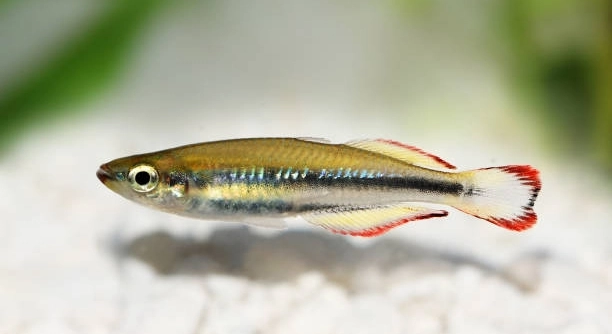
Do you ever watch your rainbowfish swim and wonder if they are expressing their natural behaviors fully? Observing these colorful freshwater fish can be rewarding, yet it requires understanding their habits and creating the right environment.
Encouraging natural rainbowfish behavior involves providing a habitat that mimics their natural environment, including appropriate tank size, water parameters, plants, hiding spots, and compatible tank mates. Structured feeding schedules and stimulating surroundings promote their health, activity, and natural social interactions.
Creating the ideal conditions goes beyond simple care. Small adjustments in their environment can significantly influence how freely and actively your rainbowfish behave.
Creating a Natural Habitat
Providing a habitat that closely resembles their natural environment is key to encouraging rainbowfish behavior. Use a tank that is spacious enough for swimming and include plants, rocks, and driftwood. Floating plants can offer shade and shelter, while open swimming areas give them room to interact. Water parameters should be carefully monitored. Rainbowfish thrive in slightly acidic to neutral water with temperatures between 24°C and 28°C. Gentle filtration and a steady current mimic river conditions, promoting natural swimming patterns. Lighting should reflect a natural day-night cycle to regulate their activity. Regular partial water changes help maintain cleanliness and stability. Adding sand or fine gravel as a substrate allows them to explore and forage naturally. Observing them closely helps identify preferred hiding spots and social structures. Incorporating these elements can transform a basic tank into an engaging, comfortable environment that encourages natural behaviors.
Setting up the right habitat not only improves activity but also reduces stress, making your rainbowfish healthier and more vibrant.
A proper habitat fosters natural behavior by providing environmental cues similar to their original ecosystems. Plants, hiding spots, and a balanced water current stimulate swimming, foraging, and social interactions. Consistent lighting and clean water support daily routines, ensuring they feel safe and active. The right space allows rainbowfish to display their colors fully, establish territories, and interact naturally with each other.
Balanced Diet and Feeding Practices
A balanced diet is crucial for promoting active and healthy behavior in rainbowfish.
Feeding a mix of high-quality flakes, frozen foods, and occasional live foods ensures they receive essential nutrients, keeping them energetic and colorful.
Rainbowfish display more natural behaviors when their nutritional needs are met. Providing a variety of foods supports their growth, strengthens their immune system, and enhances their vibrant coloration. Feeding multiple small portions throughout the day encourages natural foraging and reduces aggression. Observation during feeding can indicate social hierarchies and individual health. Live or frozen foods such as brine shrimp or daphnia stimulate hunting instincts, while plant-based flakes supplement vitamins and minerals. Rotating food types prevents dietary deficiencies and maintains interest. Overfeeding can lead to water quality issues, so careful portioning is necessary. Combining nutritional care with environmental enrichment allows rainbowfish to swim, explore, and interact more naturally. Structured feeding routines, combined with proper tank conditions, directly influence their overall activity levels and well-being, ensuring they thrive in a home aquarium setting.
Encouraging Social Interaction
Rainbowfish are naturally social and feel more secure in groups of six or more. Keeping them in compatible schools reduces stress and encourages active swimming and natural schooling behavior.
Grouping rainbowfish promotes healthy interactions and reduces aggressive tendencies. Observing their hierarchy and movements within the school can provide insights into their behavior patterns. Social environments encourage chasing, playful movements, and coordinated swimming. Avoid mixing aggressive or very different species that may intimidate them. Monitoring interactions helps ensure weaker fish are not harassed, maintaining a stable group dynamic. Providing open swimming areas along with hiding spots allows all fish to feel safe while interacting. Proper social structures stimulate confidence, reduce stress, and maintain overall tank harmony.
Regularly observing your rainbowfish during group interactions helps you notice subtle behavioral changes. You can adjust tank layout, plant density, or school size to promote optimal activity. Social engagement impacts feeding response, coloration, and general vitality. The more natural their social setting, the more expressive and active they become, displaying natural courtship and playful behaviors.
Environmental Enrichment
Adding objects like plants, driftwood, and caves encourages natural exploration and curiosity. Movement and hiding spots keep rainbowfish active and engaged.
Environmental enrichment stimulates mental and physical activity in rainbowfish. Plants, both floating and rooted, offer shade and mimic natural conditions. Driftwood and rocks provide hiding places and resting spots. Varying decorations prevents boredom and encourages swimming through different areas. Observing how fish interact with their environment can guide placement and adjustments to create more engaging spaces. Enrichment supports natural behaviors, including foraging, chasing, and territorial displays. Simple modifications like adding new plants or rearranging existing features can revitalize their activity levels, promoting mental stimulation.
Rotating and adding enrichment items regularly helps maintain consistent interest. Changing plant positions or introducing new structures can mimic seasonal variations, encouraging natural instincts. Enriched tanks reduce lethargy and stress, supporting color vibrancy and overall health. Combining open areas with dense hiding spots allows rainbowfish to exercise freely while feeling secure. Environmental enrichment complements diet, social interaction, and proper water conditions, creating a complete framework for natural behavior. Careful observation ensures modifications benefit all fish, maintaining a balanced, stimulating habitat that encourages active, healthy, and expressive rainbowfish behavior.
Proper Lighting
Consistent lighting helps regulate rainbowfish activity and natural rhythms. Providing a 10–12 hour light cycle supports feeding, swimming, and coloration.
Avoid sudden changes in light intensity, as it can stress the fish and reduce activity. Using adjustable or gradual lighting helps mimic natural conditions and keeps them comfortable.
Maintaining Water Quality
Regular water changes and proper filtration are essential for healthy rainbowfish. Stable water parameters prevent stress and support natural behaviors. Temperature, pH, and hardness should be monitored consistently. Keeping nitrate and ammonia levels low ensures active swimming, feeding, and social interactions, allowing fish to thrive in a stable environment.
Observing and Adjusting Behavior
Careful observation allows you to notice changes in activity, interactions, and health. Adjusting tank conditions based on behavior encourages natural routines.
Maintaining a close watch on your rainbowfish helps identify subtle signs of stress or discomfort. Rearranging plants, modifying water flow, or adjusting feeding can improve activity levels. Observing their interactions ensures the school remains balanced and all fish feel secure. Small adjustments based on behavior help rainbowfish exhibit more natural swimming, foraging, and social habits, creating a healthier and more vibrant tank environment.
FAQ
How many rainbowfish should I keep together?
Rainbowfish are social and thrive in groups. A minimum of six is recommended to ensure they feel secure and display natural schooling behaviors. Smaller groups can lead to stress, reduced activity, and potential aggression, especially in confined tanks. Observing group dynamics helps maintain a balanced social structure.
What is the ideal tank size for rainbowfish?
A tank of at least 30 gallons is recommended for a small school. Larger tanks provide more swimming space, reduce stress, and allow for proper territorial behaviors. Open swimming areas combined with planted sections create a balanced environment that supports natural activity and exploration.
Which plants and decorations are best for encouraging natural behavior?
Live plants like Java fern, Anubias, and floating species provide hiding spots and shade. Driftwood, rocks, and caves offer resting and exploration areas. Mixing open swimming zones with dense plant clusters allows rainbowfish to interact naturally, forage, and feel secure while minimizing territorial conflicts.
How often should I feed my rainbowfish?
Feeding two to three small portions daily is ideal. This schedule mimics natural foraging, keeps them active, and prevents overeating. A mix of high-quality flakes, frozen foods, and occasional live foods ensures balanced nutrition, promotes coloration, and encourages natural hunting and feeding behaviors.
What water conditions do rainbowfish need?
Rainbowfish prefer slightly acidic to neutral pH (6.5–7.5) and temperatures between 24°C and 28°C. Stable water hardness and minimal ammonia or nitrate levels are important. Regular testing and partial water changes maintain quality, reduce stress, and support healthy, natural activity.
How can I tell if my rainbowfish are stressed?
Signs include hiding excessively, loss of color, reduced swimming, or aggression. Stress often results from poor water quality, improper group size, or insufficient hiding spots. Monitoring behavior and adjusting conditions promptly can restore comfort and encourage normal, active behavior.
Can rainbowfish live with other fish species?
Yes, but compatibility matters. Peaceful, similarly sized species work best. Avoid aggressive or overly timid fish. Introducing compatible species gradually while observing interactions ensures a harmonious environment that allows rainbowfish to display natural social behaviors without fear or dominance issues.
What role does lighting play in rainbowfish behavior?
Lighting regulates activity, feeding patterns, and coloration. A 10–12 hour light cycle simulates natural conditions. Gradual adjustments prevent stress and maintain normal daily routines. Both too little and overly intense lighting can reduce activity or encourage hiding, so consistent, moderate lighting is ideal.
How can I encourage breeding behavior?
Provide dense plants or spawning mops for egg-laying. Stable water conditions, proper nutrition, and a peaceful environment stimulate natural courtship. Males display brighter colors, and observing their interactions allows you to ensure a safe, supportive space for breeding while maintaining overall school harmony.
What maintenance practices support natural behavior?
Regular water changes, filter cleaning, and monitoring water parameters are essential. Rearranging plants occasionally and adding enrichment items prevents boredom and encourages exploration. Consistent routines, stable conditions, and a balanced diet together create an environment where rainbowfish can swim, forage, and interact naturally.
How do I handle aggressive individuals in a school?
Isolate overly aggressive fish temporarily or adjust group composition. Providing extra hiding spots and rearranging plants can reduce conflict. Maintaining an even number of fish and avoiding overcrowding helps preserve harmony, ensuring all rainbowfish can swim freely and exhibit normal social behaviors.
Can stress affect rainbowfish coloration?
Yes, stress often causes fading or dulling of colors. Ensuring proper diet, water quality, and social structure helps maintain vibrant coloration. Observing changes in color can serve as an early indicator of environmental or health issues, allowing for timely intervention.
How do I know if my enrichment setup is effective?
Effective enrichment results in active swimming, exploration, and natural behaviors like foraging or hiding. Fish that interact with plants, decorations, and open spaces indicate a stimulating environment. Rotating items or adding new features prevents boredom and keeps behaviors consistent and engaging.
How important is observation in maintaining rainbowfish behavior?
Observation is crucial. Monitoring interactions, feeding, and activity patterns allows you to make adjustments that support natural behavior. Noticing subtle changes early helps prevent stress, aggression, or illness. Consistent observation ensures a healthy, active, and well-adjusted school of rainbowfish that thrives in a home tank.
Final Thoughts
Encouraging natural rainbowfish behavior requires attention to multiple aspects of their care, from the tank environment to social structure and diet. A well-planned habitat provides both open swimming areas and hiding spots, allowing the fish to move freely while feeling secure. Including live plants, rocks, and driftwood replicates conditions similar to their natural rivers and streams. Consistent water parameters, such as stable temperature, pH, and hardness, are essential for reducing stress and supporting activity. Gentle filtration and a moderate water current encourage natural swimming patterns, while regular partial water changes help maintain a clean and healthy environment. Observing how rainbowfish use these spaces can guide adjustments, ensuring they display their natural behaviors, like foraging, chasing, and schooling, in a way that reflects their instincts and personality.
Diet plays a central role in maintaining activity and vitality. A variety of foods, including high-quality flakes, frozen options, and occasional live foods, provides essential nutrients while stimulating hunting and foraging behaviors. Feeding multiple small portions throughout the day keeps rainbowfish active and supports natural routines. Providing enrichment in the form of varied tank decorations or rearranging plants occasionally keeps them engaged and curious, preventing boredom and encouraging exploration. Social interaction is equally important. Rainbowfish are naturally schooling fish, and keeping them in appropriately sized groups allows them to exhibit coordinated swimming, playful chasing, and natural social hierarchies. Careful observation of these interactions helps identify issues such as aggression or stress and allows adjustments to group composition or tank layout.
Maintaining consistent lighting, proper water quality, and a stable environment ensures rainbowfish remain healthy and active over time. Paying attention to subtle behavioral changes, such as reduced swimming, hiding, or color dulling, helps catch potential issues early. Small adjustments, like adding new plants, modifying the flow, or adjusting feeding routines, can have a significant impact on their behavior and overall well-being. Ultimately, encouraging natural rainbowfish behavior is about creating a supportive environment where they feel safe, nourished, and stimulated. Combining appropriate habitat design, balanced nutrition, social structure, and environmental enrichment allows rainbowfish to thrive and display the full range of behaviors that make them engaging and colorful additions to a home aquarium.

Hello,
If you enjoy the content that we create, please consider saying a "Thank You!" by leaving a tip.
Every little bit helps us continue crafting quality advice that supports the health, happiness, and well-being of pets around the world, for pets of all shapes, sizes, and species.
We really appreciate the kindness and support that you show us!