
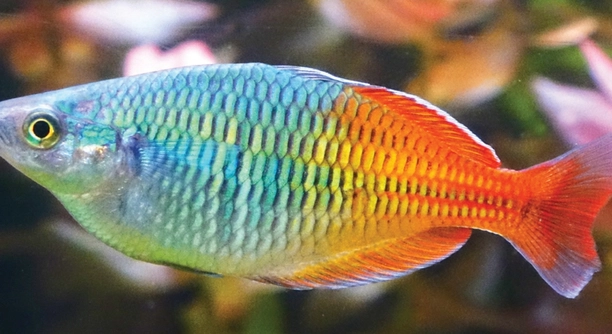
Are your rainbow fish showing signs of stress, and you’re not quite sure what might be causing the change in their behavior?
Rainbow fish are sensitive to pH changes, which can impact their health and behavior. Sudden or extreme shifts in water pH may lead to stress, weakened immune systems, or even reduced lifespan in these freshwater fish.
Learning how pH affects their environment can help you maintain a stable, comfortable tank that supports their vibrant colors and active nature.
Why pH Levels Matter for Rainbow Fish
Rainbow fish come from natural habitats where the pH level stays fairly stable. In a home aquarium, big swings in pH can cause them stress. These fish thrive best in water with a pH between 6.5 and 8.0. If the level is too low or too high, it can affect how they breathe, eat, and move. You may notice them becoming less active or losing some of their bright color. Poor pH balance can also lead to more sickness. When the water becomes too acidic or too basic, it puts strain on their body. That’s why it’s important to test the water regularly and make small, slow changes if needed. Sudden changes can do more harm than good. Using natural methods like adding driftwood or crushed coral can help adjust pH levels safely. Clean water and a steady pH can make a big difference in their health.
Rainbow fish are more sensitive to change than many people expect. That’s why stability is so important when caring for them.
Check your aquarium’s pH at least once a week. This helps catch problems early before they begin to affect your fish. It’s a simple habit that can lead to a healthier tank overall.
Signs of pH Stress in Rainbow Fish
Look out for small changes in your rainbow fish’s behavior or appearance. These signs often point to pH levels being off.
When the pH level in your tank changes too much, rainbow fish may start to act differently. They may swim less or hide more. Some may eat less than usual, or you might see clamped fins and faded colors. These are ways their body responds to the stress of poor water quality. In more serious cases, the fish may even gasp at the surface or stay near the bottom of the tank. These signs usually show up before major health problems. That’s why it helps to know what to watch for. Early action makes it easier to get things back to normal. Always test the water first if something seems off. Avoid using harsh chemicals to fix things quickly—those can cause even more stress. Instead, make small changes, like partial water changes or adding pH stabilizers meant for freshwater tanks.
How to Keep pH Levels Stable
Test your water regularly using a reliable aquarium test kit. Even if everything looks fine, the pH can shift without warning. Weekly checks help prevent sudden problems before they affect your rainbow fish.
To avoid major pH swings, always condition tap water before adding it to the tank. Tap water often contains chlorine or other chemicals that can impact pH. Use a water conditioner made for freshwater aquariums and match the temperature before adding it. It’s also a good idea to keep your tank clean by doing partial water changes every week. Don’t clean everything at once—this helps keep the beneficial bacteria that support stable water conditions. Stick to changing about 25% of the water at a time. Sudden, large water changes can cause more stress than help.
Adding natural elements like driftwood or almond leaves can slowly lower pH, while crushed coral or limestone can raise it gradually. These options work best over time and are gentle on fish. Avoid chemical products that promise fast pH changes—they often create instability. A steady routine with your tank maintenance is better than trying to fix things quickly. If your pH is always unstable, double-check your substrate, decorations, and filtration system, as they can also play a role.
Best Water Conditions for Rainbow Fish
Rainbow fish need clean, stable water to stay healthy and active. A pH between 6.5 and 8.0 is ideal, and the water should be clear, well-filtered, and oxygen-rich. Keep the temperature between 74°F and 78°F for best results.
Use a good-quality aquarium filter that fits the size of your tank. A filter helps keep the water clean and supports the bacteria that break down waste. Also, avoid overcrowding your tank, as too many fish can cause waste to build up quickly. Try to stick to a regular feeding schedule and don’t overfeed—leftover food breaks down and affects water quality. If you’re adding plants, go for live ones. They can help absorb waste and improve oxygen levels. Stable water conditions make a big difference in how bright and active your rainbow fish appear. It’s not just about pH—it’s about keeping the entire environment balanced and clean.
Common Mistakes to Avoid
Using untested tap water can change your tank’s pH without you realizing it. Always test and treat it before adding it to the aquarium to avoid unexpected stress for your rainbow fish.
Avoid cleaning everything in your tank at once. Over-cleaning removes helpful bacteria that keep your water conditions stable.
What to Do If pH Is Too High or Low
If your pH is too high, try adding driftwood, peat moss, or almond leaves to naturally lower it over time. If it’s too low, crushed coral or limestone can raise it gradually. Never adjust pH quickly—rapid changes can hurt your fish more than the original problem. Do partial water changes over several days, not all at once. Always check that new water matches the tank’s temperature and general conditions. Use a log or notebook to track any changes you make, so you can see what works best for your setup over time.
Final Tips for a Healthy Tank
Watch your fish daily and trust your instincts. If something feels off, check the water first. Small changes can make a big difference.
FAQ
Can rainbow fish survive in slightly acidic water?
Yes, rainbow fish can usually handle slightly acidic water, as long as the pH does not fall below 6.5. While they prefer neutral to slightly alkaline conditions, a mild dip into acidic territory is not usually harmful if the change happens slowly. Rapid drops in pH, however, can stress them out and may lead to health problems. Always test your water regularly and use gentle methods like almond leaves to adjust pH gradually if needed. Keeping the pH stable is more important than trying to hit a perfect number every time.
How often should I test the pH in my rainbow fish tank?
It’s best to test the pH once a week, especially if your tank is still new or recently changed. Regular testing helps catch any problems before they affect your fish. If you notice behavior changes—like hiding, clamped fins, or gasping at the surface—test the water immediately. You should also check after water changes or if you add anything new, like plants, decorations, or driftwood. Using liquid test kits gives more accurate results than paper strips, though both can work for basic tracking. Consistency is key to maintaining a healthy tank.
What should I do if the pH drops suddenly?
Start with a partial water change using properly treated tap water that’s closer to your ideal pH range. Make sure the new water matches the tank’s temperature and is added slowly. Don’t panic and add chemicals right away. Use natural methods like adding crushed coral or adjusting aeration if needed. Check your filter and substrate—sometimes decaying matter or low oxygen can affect pH. After the change, monitor your fish closely for a day or two. Keep testing every few hours to make sure things are leveling out. Sudden pH drops usually come from underlying issues.
Can certain plants or decorations affect pH?
Yes, both plants and decorations can impact pH. Driftwood tends to lower pH slowly over time, which can help if your levels are too high. On the other hand, crushed coral and limestone decorations can raise pH. Even some substrates, like aragonite sand, will shift your tank’s pH upward. Live plants may also have a mild effect on pH, especially when they’re growing actively. Always research new materials before adding them to your tank. It’s also a good idea to rinse decorations before placing them in your aquarium, to remove dust or residue that could affect water quality.
Is it okay to use pH adjuster chemicals from the pet store?
They can work, but they’re not always the best first choice. pH adjuster chemicals often cause fast shifts in water chemistry, which can be stressful for rainbow fish. These products may also wear off quickly, making your pH bounce up and down. Instead of quick fixes, it’s better to focus on steady maintenance, using natural methods or improving filtration and water quality. If you do choose to use pH adjusters, do it very slowly, in small amounts, and test between each dose. Make sure you’re also addressing the root cause of the imbalance.
Why does my pH keep changing even though I do regular water changes?
There could be a few reasons. Your tap water might have a different pH than your tank, and over time, it shifts the balance. Also, things like leftover food, waste buildup, or too many fish can affect water chemistry. If your tank lacks buffering materials like crushed coral, it may not be able to hold a stable pH. Check the hardness of your water—softer water tends to change more easily. You may need to adjust your routine or add materials to stabilize the tank’s conditions. Logging test results can help track patterns and find solutions faster.
What’s the safest way to raise the pH for rainbow fish?
The safest method is to use natural materials that release minerals slowly, like crushed coral, aragonite, or limestone. These work gradually and are much easier on the fish. Add small amounts to your filter or substrate, and monitor the pH over a few days. Another option is using baking soda in very small doses, but this should only be done with careful testing and tracking. Keep water changes consistent and avoid overfeeding, as decaying waste can make the pH drop again. Patience and small adjustments are better than fast fixes.
Do rainbow fish act differently when the pH is off?
Yes, changes in behavior are often the first signs. They might hide more, swim less, or show duller colors. Some may stop eating, gasp for air near the surface, or clamp their fins close to their body. These signs usually appear before any visible health issues. If you notice anything unusual, test your water immediately. A pH imbalance can affect their ability to absorb oxygen or handle stress. By catching these signs early, you can fix the problem before it turns into something more serious. Watching your fish daily helps you notice these changes quickly.
Final Thoughts
Keeping rainbow fish healthy starts with understanding how pH affects their environment. These fish are sensitive to changes in water conditions, and even small shifts in pH can impact their health and behavior. A stable pH between 6.5 and 8.0 gives them the best chance to thrive. When the water stays within this range, your fish are more likely to stay active, colorful, and strong. This means less stress for them and fewer health issues over time. Testing your water weekly is one of the easiest ways to stay ahead of problems. It helps you catch small changes before they become big ones.
There are many simple ways to keep your tank’s pH steady. Avoid fast changes and chemical fixes whenever possible. Instead, focus on creating a routine that includes partial water changes, regular testing, and safe materials like driftwood or crushed coral when needed. Clean your tank without removing too much beneficial bacteria, and avoid overfeeding, which can cause waste to build up and affect the water. Always treat new tap water before adding it to your tank. With time, you’ll learn how your specific setup reacts to changes, and you’ll get better at keeping everything balanced.
Watching your fish closely also plays an important role. If they’re acting different—like swimming less, hiding more, or losing their bright colors—it could be a sign that something in the water is off. These early clues are helpful and give you time to act before things get worse. A calm, stable tank environment helps your rainbow fish stay happy and healthy. You don’t need a lot of fancy equipment or complicated steps—just a consistent routine and a little attention to detail. In the end, stable pH and clean water will lead to a more peaceful tank and longer-living fish. It’s worth the time and effort, especially when you see your rainbow fish swimming around full of color and energy.

Hello,
If you enjoy the content that we create, please consider saying a "Thank You!" by leaving a tip.
Every little bit helps us continue crafting quality advice that supports the health, happiness, and well-being of pets around the world, for pets of all shapes, sizes, and species.
We really appreciate the kindness and support that you show us!