
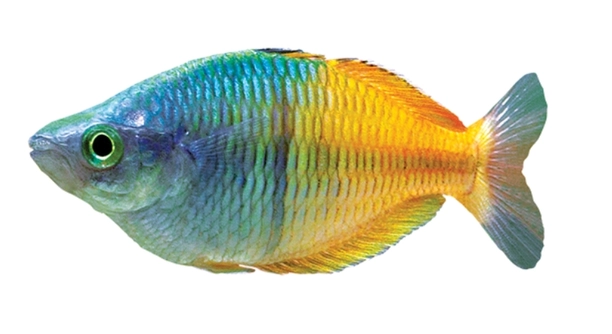
Do you ever find yourself worrying if your rainbow fish are feeling too stressed or unsettled in your aquarium? These colorful swimmers can be sensitive, and having the right tankmates really does make a difference.
The best way to calm rainbow fish is by introducing peaceful, compatible tankmates such as corydoras, rasboras, or certain tetras. These fish share similar temperaments and water needs, reducing stress and creating a more harmonious environment.
Learning about these specific species will help you build a tank that supports both the health and happiness of your rainbow fish.
Corydoras Catfish
Corydoras catfish are one of the most reliable choices when it comes to peaceful tankmates for rainbow fish. These bottom dwellers are calm, gentle, and do not compete for the same space or food as rainbow fish. Corydoras like to stay close to the substrate, quietly foraging for leftover food and algae. This makes them ideal in community setups, especially since rainbow fish prefer the middle and upper water layers. They are also social and thrive best in small groups, usually six or more. Their peaceful behavior helps maintain a relaxed atmosphere in the tank. On top of that, they’re hardy, adaptable, and can live comfortably in the same temperature and pH range as rainbow fish. Just make sure the substrate is soft and smooth to avoid injury to their delicate barbels. Their calm presence and non-aggressive nature can have a stabilizing effect on more active species like rainbow fish.
Corydoras require a soft substrate, consistent water conditions, and a peaceful environment. Avoid housing them with larger, aggressive fish.
Corydoras are especially helpful in keeping the tank floor clean, as they eat leftover food and prevent buildup. Their calm swimming behavior and social nature promote a low-stress environment that complements the energy of rainbow fish.
Harlequin Rasboras
Harlequin rasboras are small, peaceful fish that blend well with rainbow fish due to their size and temperament. They’re active swimmers but not aggressive, making them a great calming influence.
Harlequin rasboras tend to school together, which creates a beautiful visual dynamic without overwhelming the tank. They prefer the same water parameters as rainbow fish, including slightly warmer water and a stable pH. Their predictable movements and lack of aggressive behavior can help reduce anxiety in more skittish rainbow fish. It’s best to keep them in groups of at least eight, as this brings out their most confident and natural behavior. When housed with rainbow fish, they often remain in the mid-water range, just below where rainbow fish prefer to swim. This separation in space helps avoid stress or competition. Their vivid coloring and ease of care make them a smart choice for aquarists looking to build a well-balanced and attractive community tank.
Boesemani Rainbowfish
Boesemani rainbowfish are a good match for other rainbow fish because they share similar behavior and environmental needs. They are active but not aggressive and do well in larger community tanks with plenty of swimming space.
These fish are known for their bright coloring and peaceful nature. While they are active swimmers, they don’t usually nip or chase other fish, especially when kept in small groups of five or more. Their similar size and habits make them a natural fit with other rainbow fish varieties, helping to reduce tension and maintain a calm atmosphere. Keeping the tank well-planted with open swimming areas gives Boesemani rainbowfish space to move freely while also offering cover when they feel the need to retreat. This balance creates a stress-free tank dynamic that benefits all the fish.
Boesemani rainbowfish do best in clean water with steady parameters. They enjoy a varied diet and appreciate moderate water movement. Their presence helps maintain a healthy social balance in the aquarium. Keeping them in a school adds to their comfort and allows natural behaviors to emerge. Their energetic swimming style doesn’t overwhelm calmer species and brings a lively but steady rhythm to the tank that can help soothe more nervous fish.
Cherry Barbs
Cherry barbs are peaceful and stay out of the way of larger, more active fish like rainbow fish. They swim in small groups and mostly stay in the middle to lower parts of the tank.
Cherry barbs are a good option if you want to add color and calm to your aquarium. They are less active than rainbow fish and tend to stick together in small, tight groups. Their presence can help rainbow fish feel more secure, as they see other peaceful fish around them. These barbs don’t compete aggressively for food and are not territorial. A group of six or more cherry barbs usually displays a calm and stable behavior. Their size also makes them a non-threatening addition. If your tank is planted, cherry barbs will enjoy swimming through the leaves and hiding when needed, which adds visual interest and provides mental stimulation for other fish.
Neon Tetras
Neon tetras are small and peaceful, making them a great match for rainbow fish. Their calm nature and tendency to school together help reduce stress in more active tankmates.
They prefer soft lighting and planted tanks, which creates a relaxed environment. Their quiet presence supports a more balanced and peaceful tank.
Pearl Gouramis
Pearl gouramis are gentle, slow-moving fish that get along well with rainbow fish. They tend to stay near the top of the tank and prefer calm waters. Their peaceful behavior and non-aggressive feeding habits make them ideal companions. To reduce stress, it’s best to keep them in small groups. Gouramis also enjoy having plenty of plants around to rest under or hide when needed. Their unique, pearly pattern adds beauty without disturbing the social balance. They rarely show aggression and adapt well to the same temperature and pH ranges as rainbow fish, which helps maintain stability in the tank.
Platies
Platies are active but peaceful fish that do not bother rainbow fish. They come in many colors and prefer community tanks with calm tankmates and clean water.
FAQ
What are the best tankmates for rainbow fish?
The best tankmates for rainbow fish are peaceful, non-aggressive species that share similar water requirements. Some great options include corydoras catfish, rasboras, cherry barbs, and Boesemani rainbowfish. These species have compatible temperaments and can coexist with rainbow fish without causing stress. It’s important to avoid larger, more aggressive fish that might bully rainbow fish or outcompete them for food. Keeping the tank well-planted with plenty of space for swimming will also help ensure peaceful interactions.
Can rainbow fish live with bettas?
Rainbow fish and bettas generally don’t make the best tankmates. Betta fish are territorial and aggressive, especially males. They might see the rainbow fish as a threat, which could lead to aggression or stress. However, if the tank is large enough with plenty of hiding spaces and plants, it may be possible to keep both species together, but caution is advised. For the best results, it’s usually safer to house rainbow fish with other peaceful, non-aggressive species that won’t provoke a betta.
Do rainbow fish get along with guppies?
Rainbow fish and guppies can usually coexist peacefully in the same tank. Both species have similar temperature and water parameter needs, and guppies’ small size makes them less likely to be a threat to rainbow fish. Guppies are also very peaceful and not territorial, which helps avoid stress for the rainbow fish. Just make sure the tank has plenty of plants and hiding spots, as guppies may sometimes get nervous around larger fish. Keeping a school of guppies and rainbow fish will help ensure a more harmonious environment.
What water conditions do rainbow fish need?
Rainbow fish prefer warm water, typically between 75°F and 80°F (24°C to 27°C). They also thrive in slightly acidic to neutral water, with a pH range of 6.5 to 7.5. Keeping the water clean with a good filtration system is essential to avoid stress or disease. Regular water changes (about 25% per week) help maintain stable water conditions. Rainbow fish also appreciate moderate water movement, but it shouldn’t be too strong, as they are not strong swimmers. Additionally, they do best in tanks with plants and plenty of swimming space.
Are rainbow fish hardy?
Yes, rainbow fish are generally hardy, making them a good choice for beginner aquarists. They are adaptable to a wide range of water conditions, provided the environment is stable and well-maintained. However, they can be sensitive to sudden changes in water quality or temperature, so it’s important to keep the tank parameters consistent. Regular water testing and maintenance will help keep the fish healthy. While they are relatively low-maintenance, providing them with appropriate tankmates and proper care will ensure they thrive long-term.
Can rainbow fish live with shrimp?
Rainbow fish and shrimp can usually coexist peacefully, though it depends on the size of the shrimp and the species of rainbow fish. Small shrimp like cherry shrimp or ghost shrimp often do well with rainbow fish, as the rainbows typically won’t bother them. However, it’s important to note that larger or more aggressive rainbow fish may nip at shrimp or even see them as food. Keeping the tank well-planted and providing hiding spots will help protect the shrimp. Be sure to avoid species of rainbow fish that are known to be more aggressive.
Do rainbow fish need a school?
Rainbow fish are social creatures and thrive in groups. Keeping them in schools of at least five to seven individuals helps them feel secure and reduces stress. In smaller groups, rainbow fish may become anxious or territorial. Larger schools also allow for more natural behavior, as rainbow fish are more active and confident when surrounded by others of their kind. A school of rainbow fish can create a visually stunning display and improve the overall atmosphere of the aquarium, benefiting both the rainbow fish and any tankmates.
How big do rainbow fish get?
The size of rainbow fish varies depending on the species, but most can grow between 3 to 6 inches (7.5 to 15 cm) in length. For example, the Boesemani rainbowfish typically grows to around 4 inches (10 cm), while the larger species like the Murray River rainbowfish can reach 6 inches (15 cm). Providing plenty of swimming space is important to accommodate their size. Regular tank maintenance, including ensuring enough room for each fish to swim freely, will help them thrive in your aquarium. Larger tanks are usually better suited for larger species.
What is the lifespan of rainbow fish?
Rainbow fish have a relatively long lifespan compared to many other freshwater species. On average, they live between 5 to 8 years, though some can live even longer if kept in optimal conditions. To maximize their lifespan, it’s important to provide a stable environment with appropriate water parameters, a healthy diet, and a stress-free atmosphere. Proper tank care and avoiding overcrowding will also help ensure the fish remain healthy throughout their life. Regular water changes and good tank maintenance are key to their longevity.
How do I know if my rainbow fish are stressed?
Stressed rainbow fish may display a few noticeable signs. These can include faded coloration, rapid or erratic swimming, hiding more than usual, or reduced appetite. If your rainbow fish are stressed, it could be due to water quality issues, incompatible tankmates, or environmental factors such as too much light or strong water currents. To address this, check your water parameters, ensure that your tankmates are peaceful, and try to eliminate any sources of stress. Stress can also make the fish more vulnerable to disease, so it’s important to resolve issues as soon as possible.
Can rainbow fish live with goldfish?
Rainbow fish and goldfish are generally not a good match due to differences in their temperature preferences. Goldfish thrive in cooler water, while rainbow fish prefer warmer temperatures. Additionally, goldfish are often slow eaters, and they may compete with the faster-moving rainbow fish for food. If kept together, goldfish can outcompete rainbow fish, leading to malnourishment. It’s usually best to house goldfish and rainbow fish in separate tanks that cater to their individual needs for a healthier and stress-free environment.
Final Thoughts
Choosing the right tankmates for your rainbow fish is crucial to creating a peaceful and balanced aquarium. Rainbow fish are generally peaceful, but they can become stressed if kept with aggressive or overly active species. By selecting compatible tankmates, like peaceful bottom dwellers or other calm, small species, you can help ensure that your rainbow fish thrive. Each species mentioned, from corydoras catfish to cherry barbs, brings its own benefits to the tank. They share similar water conditions and temperaments, which reduces the likelihood of stress or territorial disputes. The right tankmates will not only create a calming environment for your rainbow fish but also help maintain a healthy, vibrant tank.
It’s important to remember that while rainbow fish are relatively hardy, they still require specific care. Consistent water parameters, a clean tank, and a balanced diet are essential for their health. Adding the right tankmates will help alleviate any stress and contribute to a harmonious atmosphere. Avoid overcrowding the tank, and ensure that there is enough space for each fish to swim comfortably. With the right companions, rainbow fish will feel secure and confident in their environment, which can lead to brighter colors and more natural behaviors. Keep in mind that not all fish are suitable companions, so always research the species you want to introduce to the tank.
Finally, when selecting tankmates for your rainbow fish, always consider their long-term well-being. A peaceful community tank with compatible species will make caring for your fish more enjoyable. As you create a balanced ecosystem, you’ll notice how the fish interact with one another and how their personalities shine. A healthy tank not only benefits your rainbow fish but also creates an environment where all species can flourish. Take your time choosing the right tankmates and ensure that you’re providing a stable, calm environment for your rainbow fish to live happily in.

Hello,
If you enjoy the content that we create, please consider saying a "Thank You!" by leaving a tip.
Every little bit helps us continue crafting quality advice that supports the health, happiness, and well-being of pets around the world, for pets of all shapes, sizes, and species.
We really appreciate the kindness and support that you show us!