
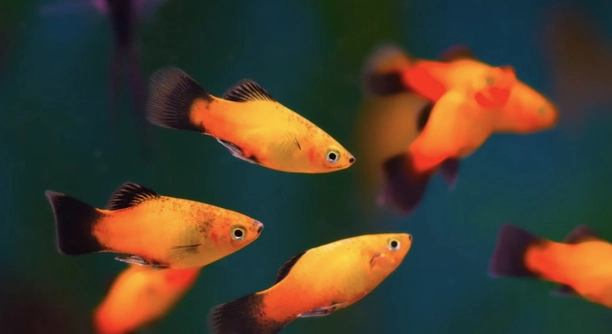
Are your platies suddenly showing signs of pairing off, chasing one another, or hiding in the plants more often than usual?
Platies may begin breeding due to favorable tank conditions, the presence of both sexes, and their natural reproductive cycle. These fish are livebearers, meaning they breed easily when stress levels are low and water quality is stable.
A few small changes in your aquarium could be encouraging breeding without you realizing it. Understanding these reasons will help you manage their behavior and tank population better.
Stable Tank Conditions Encourage Breeding
When your platies live in a clean, stable tank with the right temperature and pH levels, they feel safe and relaxed. This comfort can lead to natural breeding behavior. Platies prefer slightly alkaline water and temperatures around 72–78°F. Good filtration, regular water changes, and minimal stress from other fish all play a role. Once platies feel secure, they often begin mating. Males may chase females, and females may start to hide more as they prepare to give birth. Stable conditions help platies thrive, and breeding is a natural result of that thriving environment.
Platies won’t usually breed if they’re stressed or uncomfortable. A peaceful tank with consistent care is key.
You don’t need to do much once your tank is set up well. Keep the conditions steady, feed your fish a balanced diet, and give them places to hide. This makes it easier for platies to breed naturally and often.
Males and Females in the Same Tank
Platies will only breed when both sexes are present in the same tank. Males often outnumber females, which can cause some stress.
If you have at least one male and one female platy in a calm, balanced tank, breeding is likely. Most breeders recommend a ratio of one male to two or three females. This helps prevent females from being overwhelmed by attention from males. Males are usually more active, constantly following and nudging females. When they’re ready to mate, the male fertilizes the female internally. The female will then carry the fertilized eggs inside her until they develop into live fry. Unlike egg-laying fish, platies give birth to free-swimming babies, which means the population can grow quickly if not managed. Keeping both sexes together is the most straightforward reason why your platies are breeding.
Increased Protein in Their Diet
A protein-rich diet can trigger breeding in platies by supporting reproductive health and energy levels. Foods like brine shrimp, daphnia, or high-quality flakes encourage growth, color, and natural behavior, including mating.
When platies receive more protein than usual, it mimics seasonal changes in the wild where food becomes more abundant. This abundance signals a good time for reproduction. The increased nutrients help females produce healthier fry and support male activity. Feeding live or frozen protein sources a few times a week is enough. You might notice more chasing, hiding, and even females developing a rounder belly. These signs usually appear within a couple of weeks. Just be careful not to overfeed—extra food can foul the water and harm your tank’s balance.
Feeding your platies better doesn’t just help with breeding. It also improves their overall health. If your fish are brighter, more active, and engaging in new behavior, it might be the diet.
Natural Mating Instincts
Platies have strong instincts that drive them to reproduce regularly when conditions allow it. As livebearers, they don’t need much prompting to mate. Once mature, they tend to breed often, especially in stress-free environments.
They also mature quickly—often within three to four months. Males will start chasing females around the tank, while females might hide or become slightly withdrawn as they prepare to give birth. These behaviors aren’t signs of aggression, but part of their normal breeding cycle. Even without any special triggers, platies may reproduce simply because it’s what they’re biologically programmed to do. This is especially true in well-kept home aquariums, where danger is low and food is available.
Because of this natural tendency, platy owners often find themselves with more fish than expected. Breeding is not a rare event with platies—it’s typical. If you don’t want a crowded tank, it’s worth separating males and females.
Warmer Temperatures Boost Activity
Warmer water naturally increases the metabolism and activity level of platies. When the tank temperature stays between 75–78°F, it encourages more movement, feeding, and interaction—conditions that often lead to breeding behavior in healthy, adult fish.
These warmer temperatures mimic their native habitat during the breeding season. It signals that it’s a good time to reproduce.
Frequent Water Changes Mimic Rainfall
Regular water changes not only keep the tank clean but also simulate natural rainfall. In the wild, rain often triggers breeding. A sudden change in water chemistry and temperature can signal fish to start reproducing, especially after a large water change. This subtle environmental shift can be enough to stimulate mating behavior in platies. Clean water also reduces stress, supports immunity, and gives fish the best chance to stay healthy while breeding. If you’re changing the water more often and noticing more fry, the two are likely connected.
Female Platies Store Sperm
Female platies can store sperm for several months after mating. Even if there’s no male present, they may still give birth multiple times.
How often do platies breed?
Platies are known for breeding frequently. Under good conditions, females can give birth every 4 to 6 weeks. Since female platies can store sperm from one mating, they may have multiple batches of fry without needing a male each time. This means once breeding starts, it can continue regularly as long as the environment remains stable and food is available.
What should I do if I don’t want my platies to breed?
The easiest way to prevent breeding is to keep only one sex in your tank. Most often, keeping only females helps reduce aggressive chasing and stops breeding. Another option is to separate males and females when possible. You can also lower the tank temperature slightly or reduce protein-rich foods, as these factors encourage breeding. Regular water changes are important but avoid large sudden changes, which can trigger mating behavior.
How can I care for the baby platies (fry)?
Fry need very fine food to grow, such as crushed flakes, baby brine shrimp, or specialized fry food. They are small and vulnerable, so providing hiding places like plants or breeding nets is helpful. Avoid adult fish in the same tank as they may eat the fry. Keeping the water clean and warm, around 75–78°F, supports healthy growth.
Will my platies stop breeding at some point?
Yes, platies usually breed less as they age. Most platies are most active breeders in their first year. After that, their fertility tends to decline. Stress, illness, or poor water conditions can also reduce breeding. However, if conditions remain ideal, they can continue producing fry for many months.
Can platies breed with other fish species?
Platies are known to hybridize with other livebearers like swordtails and mollies. Crossbreeding can occur if different species share a tank. This may result in offspring with mixed traits. If you want pure platies, it’s best to keep them separate from closely related species.
Is it okay to keep so many platies in one tank?
Platies breed quickly, and without population control, your tank can become overcrowded. Overcrowding causes stress, poor water quality, and disease. It’s important to have a plan for managing fry. You can separate them, give them away, or set up a larger tank. Proper filtration and frequent water changes help, but space is the best way to keep a healthy environment.
Do male platies fight over females?
Male platies can compete for females, but their behavior is usually limited to chasing and displaying fins. Unlike some fish, they don’t cause serious harm. If you notice excessive chasing or stress on females, increasing the number of females in the tank or providing more hiding spots can help balance interactions.
What signs show a female is pregnant?
Pregnant females develop a noticeably rounder belly, especially near the rear. The gravid spot near the anal fin darkens as the fry develop inside. Females may hide more often before giving birth. These signs usually appear 3–4 weeks after mating.
How long is the gestation period for platies?
The gestation period for platies lasts about 24 to 30 days. This varies slightly depending on temperature and water conditions. Warmer water can speed up development, while cooler water slows it down. Once ready, the female gives birth to live, free-swimming fry, often between 20 and 50 at a time.
Can platies breed year-round?
Yes, in home aquariums with stable conditions, platies can breed year-round. Without seasonal changes or natural predators, their breeding cycle can continue as long as food and water quality remain good. This is different from wild environments, where breeding is usually seasonal.
Platies are popular fish partly because they breed easily and often. Understanding why they start breeding helps you manage their care better. When tank conditions are right—like stable water quality, proper temperature, and the presence of both males and females—platies naturally begin reproducing. This behavior is normal and shows your fish are comfortable in their environment. Keeping an eye on water changes, diet, and tank setup will help maintain a healthy balance between fish growth and tank space.
Breeding in platies happens quickly because females can store sperm and give birth multiple times without needing to mate again right away. This means populations can increase fast if you don’t control it. Providing hiding spaces for fry and separating them from adults can improve their survival chances. However, if too many fish overcrowd the tank, it can cause stress and water quality problems, which affect all the fish. Taking simple steps like managing the number of males and females, feeding the right diet, and regular maintenance will make it easier to keep your aquarium healthy.
Finally, it’s important to remember that breeding is a natural part of platy behavior. Even if you don’t plan to raise fry, breeding indicates your fish are well cared for and thriving. By understanding these breeding triggers, you can adjust your tank conditions to suit your goals. Whether you want more fish or prefer to limit breeding, knowing what causes these changes will help you create the best environment for your platies. This knowledge supports long-term health and happiness for your fish.

Hello,
If you enjoy the content that we create, please consider saying a "Thank You!" by leaving a tip.
Every little bit helps us continue crafting quality advice that supports the health, happiness, and well-being of pets around the world, for pets of all shapes, sizes, and species.
We really appreciate the kindness and support that you show us!