
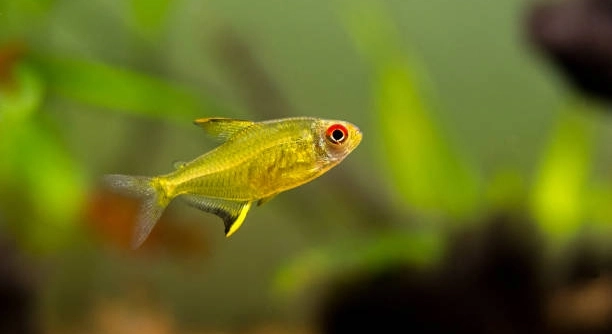
Lemon tetras are small, colorful fish that brighten any freshwater aquarium. Their calm appearance can make them seem peaceful, yet their behavior in groups sometimes surprises even experienced fish keepers. Observing them closely reveals subtle patterns.
Lemon tetras are not strongly territorial. They may show minor dominance behaviors when establishing social order, but they generally coexist peacefully in well-planted tanks with adequate space and hiding spots, minimizing aggressive interactions among individuals.
Learning their social habits will help you create a balanced aquarium and maintain harmony among your lemon tetras for long-term enjoyment.
Understanding Lemon Tetra Behavior
Lemon tetras are small, peaceful fish, but like any species, they have their own social dynamics. Observing them in a community tank, you might notice subtle chasing or fin nipping, especially when they are first introduced to new tankmates. These behaviors are usually mild and short-lived. They are more about establishing hierarchy than true aggression. Providing enough swimming space, plants, and hiding spots reduces tension and prevents stress-related behavior. Overcrowding or lack of cover can make them act more aggressively than they naturally would. Pairing lemon tetras with similarly peaceful species ensures harmony. Feeding them properly also helps, as competition for food can trigger temporary skirmishes. By watching their patterns and adjusting tank conditions, you can create an environment where lemon tetras display their bright colors and active swimming without conflict. Their behavior becomes predictable and manageable once you understand their subtle social cues.
Minor chasing is natural but usually doesn’t harm other fish if conditions are right.
Proper tank setup and group size are crucial. Lemon tetras thrive in groups of six or more, which helps distribute minor dominance displays and reduces stress on individual fish. Choosing compatible tankmates like rasboras, small tetras, or peaceful bottom dwellers ensures that interactions remain calm. By maintaining clean water, regular feeding schedules, and adequate space, these fish can exhibit natural behaviors without becoming aggressive. Observing them during feeding and movement patterns allows you to notice if a fish is being harassed or isolated. Plants and decorations give them options to retreat, helping to keep the social balance. Over time, their minor territorial displays fade as they settle into their hierarchy, letting their peaceful nature shine. Keeping an eye on tank conditions and social dynamics makes a noticeable difference in maintaining a calm, colorful aquarium where lemon tetras can thrive without stress or injury.
Signs of Territorial Behavior
Lemon tetras rarely show strong territorial behavior. Signs are subtle and often involve minor chasing or fin displays rather than serious fighting.
If you notice repeated chasing or cornering, it’s usually linked to insufficient space or hiding places rather than the species being naturally aggressive. In community tanks, lemon tetras may briefly assert themselves, but these moments are short and usually stop once the hierarchy is clear. Overcrowding increases stress, making even peaceful fish display more defensive behavior. Observing their interactions over days helps you distinguish between normal social behavior and actual aggression. Adding plants, driftwood, or rock structures can diffuse tension by providing refuge spots. Grouping them with compatible species further minimizes conflicts. Feeding multiple areas of the tank reduces competition and helps maintain calm. Understanding these patterns ensures a healthier, more harmonious environment for your lemon tetras while allowing you to enjoy their vibrant activity and schooling behavior without worry about persistent territorial issues.
Tank Setup for Lemon Tetras
Lemon tetras need space to swim and places to hide. Plants, driftwood, and small caves help reduce stress and prevent minor skirmishes among them. Proper filtration and regular water changes keep their environment healthy.
A group of six or more lemon tetras allows natural social behavior and reduces aggression. They swim in schools, which helps balance minor chasing or fin displays. Overcrowding increases stress and may trigger unnecessary territorial behavior. Using tall and bushy plants gives them areas to retreat when needed. Decorations like rocks or driftwood create visual boundaries, helping them feel secure. Water temperature and pH should be kept stable, as fluctuations make them more defensive. Observing their interactions regularly allows adjustments to group size or tank layout to maintain harmony.
Spacing and structure in the tank affect behavior directly. Lemon tetras in cramped tanks may chase each other more, while adequate hiding spots reduce tension. Proper setup ensures they stay active and display vibrant colors, making them easier to enjoy. Maintaining water quality, feeding schedules, and social grouping also supports their well-being, keeping minor dominance displays under control.
Feeding and Social Dynamics
Feeding lemon tetras properly reduces competition and stress. Small, frequent meals prevent dominance disputes over food.
Overfeeding can lead to poor water quality, increasing stress and aggression. Feeding multiple spots helps all fish get access without constant chasing. A varied diet of flakes, micro pellets, and occasional live or frozen foods ensures balanced nutrition and supports their health. Social interactions during feeding reveal subtle hierarchy, but proper distribution keeps it calm. Observing their behavior while feeding shows if any fish is being isolated or bullied. Adjusting food type or portion sizes helps maintain balance, keeping all fish active, healthy, and brightly colored in a peaceful environment.
Common Signs of Stress
Lemon tetras show stress through clamped fins, hiding often, or erratic swimming. These behaviors usually indicate overcrowding, poor water quality, or aggressive tankmates.
Color fading or loss of appetite can also signal stress. Monitoring their environment and interactions helps identify and correct problems early, keeping the school calm and healthy.
Managing Minor Aggression
Even peaceful lemon tetras can show occasional chasing. Providing enough space, plants, and hiding spots helps reduce tension. Adjusting group size and observing interactions regularly ensures minor skirmishes do not escalate into harm.
Choosing Compatible Tankmates
Peaceful species like rasboras, small tetras, or Corydoras catfish pair well with lemon tetras. Avoid aggressive or territorial fish that may trigger stress or fights within the group.
Monitoring Tank Conditions
Stable water parameters prevent stress-related behaviors. Regular testing and consistent maintenance support healthy, calm lemon tetras.
FAQ
Are lemon tetras aggressive toward each other?
Lemon tetras are mostly peaceful. Occasionally, they may chase or nudge each other when establishing a social order, but this behavior is mild and usually does not cause injury. Maintaining a group of six or more helps spread out any minor dominance displays, reducing stress and conflict.
Do lemon tetras need hiding spots to prevent aggression?
Yes, hiding spots are important. Plants, rocks, and driftwood give them areas to retreat when minor chasing occurs. Even peaceful fish benefit from visual boundaries, which reduce tension and make the tank feel safer. Without cover, small displays of dominance can escalate unnecessarily.
Can lemon tetras live with other fish without issues?
They do well with peaceful species. Small tetras, rasboras, and Corydoras catfish are good choices. Avoid aggressive or territorial fish that may stress them or trigger skirmishes. Observing new tankmates during the first days helps ensure compatibility and smooth integration.
How many lemon tetras should I keep together?
Groups of six or more are recommended. Smaller groups can increase minor aggression and stress. Larger groups allow natural schooling behavior, which balances dominance displays and keeps the fish active, confident, and vibrant.
Do lemon tetras defend specific areas in the tank?
Not strongly. They may show brief chasing or fin displays but do not claim territories like some other species. Most of their behavior is social hierarchy-related, not territorial defense. Adequate space and plants reduce these minor displays.
What triggers aggression in lemon tetras?
Common triggers include overcrowding, lack of hiding spots, or poor water quality. Stress from incompatible tankmates or irregular feeding schedules can also cause temporary chasing or nudging. Correcting these conditions usually stops aggressive behavior.
How can I tell if minor aggression is harmful?
Look for torn fins, persistent chasing, or fish hiding constantly. These signs indicate that stress or aggression is affecting health. Adjusting tank layout, group size, or food distribution usually resolves the problem quickly.
Do lemon tetras fight over food?
They may show brief chasing during feeding if space is limited. Feeding small portions in multiple areas helps all fish eat without competition. A balanced diet of flakes, micro pellets, and occasional live or frozen foods reduces stress and supports healthy social behavior.
How do lemon tetras behave when stressed?
Signs include clamped fins, hiding, color fading, or erratic swimming. Stress often results from poor water quality, overcrowding, or aggressive tankmates. Observing their behavior allows quick adjustments, keeping the fish calm, healthy, and active.
Is tank size important for controlling behavior?
Yes, a properly sized tank is crucial. Overcrowding can increase chasing and stress. A larger tank with plants and decorations allows lemon tetras to establish social order without constant conflict, helping them remain peaceful and display natural schooling behavior.
Can lemon tetras change behavior over time?
Yes, they often settle into a hierarchy after a few weeks. Minor chasing decreases as fish recognize their place in the group. Providing stable conditions and observing interactions ensures that their calm, peaceful nature becomes consistent.
Do males and females behave differently?
Males may show slightly more chasing during social displays, especially when a hierarchy is forming. Females are generally more passive. Group dynamics balance out as long as the tank is properly sized and contains enough hiding spots for all fish.
Will lemon tetras harm weaker or smaller fish?
They rarely harm other fish if the tank is well-managed. Temporary nudges or chasing may occur, but true injury is uncommon. Choosing compatible species and providing space prevents stress-related behavior and ensures peaceful coexistence.
How often should I check their behavior?
Regular observation is important. Daily checks allow early detection of stress, minor aggression, or health issues. This helps you adjust group size, feeding, or tank layout before problems escalate. Consistent monitoring ensures a calm, vibrant school of lemon tetras.
Can tank decorations reduce aggression?
Yes, decorations like plants, rocks, and driftwood create visual barriers and hiding spots. This allows fish to retreat during minor displays, reducing stress and preventing escalation of chasing or nudging. A well-structured tank encourages natural schooling behavior and social balance.
What’s the best way to introduce new lemon tetras?
Introduce several at once rather than a single fish. Adding one fish to an established group can increase chasing or stress. Quarantine new fish, ensure water parameters match, and observe interactions closely during the first days to ensure smooth integration.
Do lemon tetras need a specific water temperature to stay calm?
Yes, stable temperatures between 72°F and 79°F help them remain active and reduce stress. Sudden fluctuations can trigger minor aggression or hiding. Consistent maintenance of water parameters supports peaceful social behavior.
Can stress affect their color?
Yes, stressed lemon tetras often show duller colors. Proper tank setup, stable water quality, and adequate social groups help maintain vibrant coloration and overall health. Monitoring their environment ensures they stay bright and active.
Is it normal for lemon tetras to chase each other briefly?
Yes, brief chasing is a natural part of establishing hierarchy. It rarely causes injury when the tank has enough space, plants, and hiding spots. Observing these interactions helps determine whether behavior is normal or needs adjustment.
How long does it take for them to settle?
Usually a few weeks. Minor displays of dominance decrease as the group establishes a social hierarchy. Providing stable conditions, proper tank setup, and adequate group size ensures a peaceful, harmonious environment for long-term care.
Can lemon tetras live peacefully in a community tank long-term?
Yes, with proper planning. Appropriate tankmates, space, hiding spots, and good water quality allow lemon tetras to coexist peacefully. Observing their behavior and adjusting conditions as needed ensures a calm and healthy aquarium where they can thrive for years.
Final Thoughts
Lemon tetras are small, peaceful fish that can brighten any freshwater aquarium. While they may show brief chasing or fin displays, these behaviors are usually part of establishing a social hierarchy rather than true aggression. Observing them over time makes it clear that they are not naturally territorial. Most of their behavior revolves around schooling and maintaining balance within the group. Providing a proper tank environment, including enough space, plants, and hiding spots, significantly reduces tension. Overcrowding or limited cover can make even peaceful species display minor dominance behaviors, so attention to tank setup is important. When cared for correctly, lemon tetras coexist calmly with compatible fish, creating a lively yet harmonious community.
Proper group size plays a critical role in maintaining peaceful behavior. Lemon tetras thrive in schools of six or more, which helps distribute any minor chasing among the fish rather than targeting a single individual. Smaller groups may increase stress and lead to more frequent displays of dominance. Choosing compatible tankmates is equally important. Peaceful species such as other small tetras, rasboras, and bottom dwellers like Corydoras catfish reduce the risk of conflicts. Observing the interactions of all fish in the tank allows for adjustments if minor skirmishes become more frequent. Feeding practices also matter. Providing food in multiple locations and maintaining a balanced diet ensures that competition does not trigger stress-related behavior. With consistent care and attention, lemon tetras remain active, vibrant, and healthy.
Monitoring water conditions and tank layout ensures long-term well-being. Stable water parameters, including temperature, pH, and cleanliness, prevent stress and help maintain natural behavior. Decorations and plants offer visual boundaries and retreat areas, which are especially useful during minor dominance displays. Over time, most lemon tetras settle into their hierarchy, and chasing behavior becomes minimal. Observing their patterns and understanding their social dynamics helps maintain a peaceful environment. With careful planning, proper group size, and thoughtful tank design, lemon tetras can live happily in a community tank for years, displaying bright colors and active schooling behavior that make them a visually pleasing and enjoyable addition to any aquarium.

Hello,
If you enjoy the content that we create, please consider saying a "Thank You!" by leaving a tip.
Every little bit helps us continue crafting quality advice that supports the health, happiness, and well-being of pets around the world, for pets of all shapes, sizes, and species.
We really appreciate the kindness and support that you show us!