
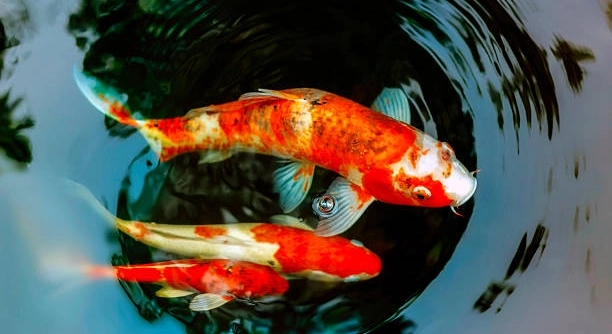
Are your koi showing new behaviors that seem different from before? Sometimes, these peaceful fish start acting more possessive about their space. Recognizing this change can help you care for them better and maintain harmony in your pond.
Koi become territorial when they start defending a specific area, often leading to chasing or blocking other fish. This behavior usually arises from competition for food, mates, or shelter and signals shifts in their social dynamics.
Knowing these signs early will help you manage your pond environment to keep your koi comfortable and stress-free.
Changes in Swimming Patterns
When koi start becoming territorial, you might notice changes in how they swim. Instead of leisurely gliding through the pond, they may stick to one area more often. Some koi will patrol their chosen spot, moving back and forth like they are guarding it. This behavior is a clear sign that they see this space as their own. You may also see sudden, quick movements when another fish comes close. The territorial koi may chase or block others from entering their zone. These changes can disrupt the usual peaceful flow of the pond and might cause stress among the fish. Paying attention to these swimming habits can help you understand which koi are starting to act territorial.
Swimming changes are an early and visible sign of territorial behavior. Observing these shifts is important for maintaining balance in your pond.
If you notice one koi controlling a section of your pond, consider adjusting feeding times or adding hiding spots to reduce tension. This helps spread out activity and keeps the pond calmer overall.
Increased Aggression and Chasing
Aggressive behavior often follows when koi become territorial. You might see chasing or even light nipping between fish. This behavior is usually aimed at keeping other koi away from their space. The aggression can vary from subtle pushes to more forceful actions. It usually happens near feeding times or in favorite resting spots. Aggression helps the dominant koi secure access to resources, but it can also cause injury if it escalates. Monitoring these behaviors closely is necessary to prevent harm. If left unchecked, territorial aggression can stress the entire pond community. Creating multiple feeding areas and adding plants or decorations can reduce direct confrontations. These changes give koi more places to hide and lessen competition. Managing aggression early helps maintain a healthy environment for all the fish in your care.
Marking Their Territory
Koi use their bodies to mark territory by rubbing against rocks, plants, or pond edges. This behavior leaves their scent and signals ownership to other fish.
Rubbing against objects helps koi establish boundaries without direct fighting. It’s a subtle way to communicate dominance or claim space. This action may increase during breeding season when koi are more protective. The scent left behind can deter other koi from entering the area. If your koi are doing this often, it might be a sign they feel the need to defend their space. Observing where they rub most can show you which parts of the pond are important to them. Adjusting the layout or adding more hiding spots can ease tension and reduce marking behavior.
Besides rubbing, koi sometimes create small disturbances in the gravel or plants near their territory. This can make their area feel more defined and discourage intruders. Maintaining a balanced pond environment can help reduce this marking and keep peace among your fish.
Changes in Feeding Behavior
Territorial koi may become more aggressive or protective during feeding times. They often try to get more food and chase others away.
When koi become territorial, feeding times can turn competitive. Dominant fish might rush to the food first and block others. This behavior ensures they get the most nutrition but can stress less aggressive koi. You might notice some koi eating alone while others wait their turn. In some cases, smaller fish may even hide to avoid conflict. Offering food in several places around the pond can help reduce fights and give all koi better access. Using sinking pellets or spreading food over a wider area can encourage more peaceful feeding. Feeding at consistent times also helps koi feel secure and lowers competition. Managing feeding behavior carefully supports a healthier social balance among your fish.
Visible Physical Changes
Territorial koi may show signs of stress through changes in appearance. Their fins might look torn or clamped, and colors can fade slightly.
These physical signs often result from frequent chasing or fighting. It’s important to watch for injuries or unusual marks that suggest aggression. Addressing the root cause early can prevent more serious harm to your fish.
Increased Hiding Behavior
Some koi react to territorial disputes by hiding more often. They may retreat to plants, caves, or corners to avoid conflict.
Hiding helps less dominant koi feel safer but can also limit their access to food and space. Ensuring plenty of hiding spots around the pond reduces stress and promotes balance among all fish.
Use of Bubble Nests
Male koi sometimes build bubble nests during breeding, marking their territory. These nests are small clusters of bubbles on the water’s surface.
This behavior signals readiness to breed and shows dominance in that area. Recognizing bubble nests helps identify territorial males and understand pond dynamics better.
FAQ
How can I tell if my koi are becoming territorial?
Territorial koi often change their behavior noticeably. They may swim in a specific area more often, chase other fish, or rub against objects to mark their space. Increased aggression during feeding and physical signs like torn fins are also common. Watching for these behaviors over time will help you identify territorial koi early.
What causes territorial behavior in koi?
Territorial behavior usually stems from competition over resources such as food, shelter, or mates. When koi feel the need to protect a valuable spot, they become more aggressive. Changes in the pond, like overcrowding or lack of hiding places, can also increase territorial instincts. Breeding season tends to heighten this behavior as well.
Is territorial behavior harmful to koi?
Mild territorial behavior is natural, but if it escalates, it can cause stress or injury. Constant chasing or fighting may lead to torn fins, weakened immune systems, or even death in extreme cases. Keeping the pond environment balanced helps minimize harmful effects.
How can I reduce territorial aggression in my pond?
To reduce aggression, provide plenty of hiding spots and spread food across multiple locations. Avoid overcrowding and maintain good water quality. Regularly observe koi behavior and intervene if aggression becomes severe. Rearranging pond decorations can also help break up established territories.
Should I separate aggressive koi from the rest?
Separating overly aggressive koi is an option if they harm others repeatedly. A separate tank or pond area can give stressed fish a break. However, try to adjust the pond environment first, as changes in space and feeding can reduce aggression significantly.
Does the size of the pond affect territorial behavior?
Yes, smaller ponds tend to increase territorial disputes because koi have less space to spread out. Larger ponds provide more room for each fish to claim its own area, reducing conflict. Ensuring your pond is appropriately sized for the number of koi helps maintain peace.
Do koi become more territorial during breeding season?
Yes, male koi especially become more protective during breeding season. They build bubble nests and defend their chosen territory aggressively. This behavior is temporary but can be intense, so providing extra space and hiding spots helps manage stress during this time.
Can territorial behavior cause koi to stop eating?
Less dominant koi may hide or avoid feeding areas when territorial fish dominate. This can lead to reduced food intake and weight loss. Offering food in several spots and feeding at consistent times helps ensure all koi get enough nutrition despite territorial disputes.
How do I know when aggression is serious enough to take action?
If you notice injuries, torn fins, or constant chasing that causes stress, it’s time to act. Behavioral changes like hiding too much or refusing food also indicate problems. Early intervention prevents serious harm and keeps your pond healthy.
What changes can I make to the pond environment to help?
Add plants, rocks, or decorations to create more hiding places and break up open spaces. Spread food over wider areas to reduce competition. Avoid overcrowding by limiting the number of koi in your pond. These adjustments promote a calmer environment.
Can changing feeding routines affect territorial behavior?
Yes, feeding smaller amounts more frequently or in multiple spots can reduce aggressive competition. Koi won’t need to guard a single food source if they find food easily around the pond. Consistent feeding times also reduce stress by creating routine.
Is territorial behavior permanent?
Territorial behavior can fluctuate depending on the environment, season, and social hierarchy. Some koi settle into calmer roles over time, especially if the pond conditions improve. Others may remain territorial, but with proper management, their aggression can be controlled.
Are some koi breeds more territorial than others?
Certain koi may show stronger territorial instincts, but behavior mainly depends on individual personality and environment. Stress, pond size, and social groups influence aggression more than breed. Understanding your koi’s habits helps in managing any territorial tendencies.
Can water quality impact territorial behavior?
Poor water quality stresses koi, making them more likely to act aggressively. Maintaining clean, well-oxygenated water supports calm behavior and overall health. Regular testing and water changes reduce tension and prevent fights caused by discomfort.
When should I consult a professional about koi aggression?
If aggression leads to severe injuries, repeated stress, or you cannot control the behavior through environment changes, seek advice from a koi specialist or vet. They can help diagnose health issues or recommend specific solutions tailored to your pond’s needs.
Understanding koi behavior is important for keeping a peaceful and healthy pond. Territorial behavior is a natural part of how koi interact with each other. When koi feel the need to protect space, food, or mates, they may act more aggressively or guard specific areas. This change can be subtle at first, like swimming in one spot more often, or more obvious with chasing and physical signs like rubbing or fin damage. Recognizing these behaviors early allows you to take steps to help your koi live comfortably together.
Managing territorial koi involves creating a balanced environment that meets the needs of all your fish. Providing enough space, hiding spots, and multiple feeding areas can reduce competition and stress. Keeping water clean and stable also helps koi stay calm and healthy. If aggression becomes a problem, rearranging the pond layout or even separating the most aggressive koi may be necessary. Regular observation is key, as it helps you spot problems before they cause harm. Small changes in care can make a big difference in reducing tension among your koi.
Every pond is different, and koi have unique personalities that affect how they behave. Some koi will naturally be more territorial, especially during breeding season. While you can’t completely stop this instinct, you can manage it with patience and thoughtful care. Your goal should be to create a safe and comfortable environment where all your koi can thrive. Paying attention to their behavior and making adjustments when needed will support their health and happiness over time. Understanding and responding to territorial signs helps you enjoy a lively but peaceful pond.

Hello,
If you enjoy the content that we create, please consider saying a "Thank You!" by leaving a tip.
Every little bit helps us continue crafting quality advice that supports the health, happiness, and well-being of pets around the world, for pets of all shapes, sizes, and species.
We really appreciate the kindness and support that you show us!