
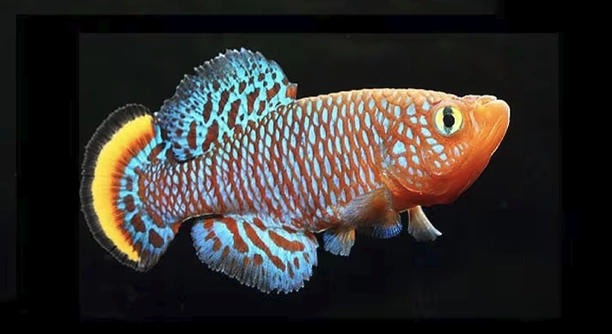
Killi fish are popular among aquarium enthusiasts for their vibrant colors and peaceful nature. Many keepers wonder if live plants are essential for their well-being. Understanding their needs helps in creating a comfortable environment for these delicate fish.
Killi fish can survive without live plants, but plants contribute to their health by improving water quality, offering hiding spots, and mimicking their natural habitat. Without plants, extra care is needed to maintain water conditions and provide shelter.
Knowing how plants affect killi fish can improve your aquarium setup. This article explains the benefits and alternatives to live plants for these unique fish.
Why Live Plants Benefit Killi Fish
Live plants create a more natural environment for killi fish, closely resembling their native habitats. They help maintain water quality by absorbing nitrates and producing oxygen, which supports healthier fish. Plants also provide places for killi fish to hide, reducing their stress and giving them a sense of security. Additionally, some species use plants for breeding, laying eggs on the leaves. Without plants, tanks can feel empty and less stimulating, which might affect the fish’s behavior. However, live plants require care, such as regular trimming and monitoring water conditions to prevent algae growth. Choosing hardy plants like java moss or anubias can make maintenance easier. While plants are beneficial, it is important to balance their presence with proper tank upkeep to keep killi fish healthy.
A tank with live plants mimics the natural environment, which benefits the fish’s mental and physical health. Plants reduce stress and improve water quality.
Proper care of live plants ensures a balanced tank, supporting the health and comfort of your killi fish. This balance helps maintain a stable environment that meets their needs effectively.
Alternatives to Live Plants in Killi Fish Tanks
Artificial plants can serve as a substitute for live plants, providing shelter and hiding spots without the maintenance. They do not improve water quality but are easy to clean and last longer. Decorations like rocks, driftwood, and caves can also create hiding spaces that reduce stress. To keep water conditions safe without live plants, frequent water changes and a good filtration system are necessary. Using floating plants or moss balls can offer some natural benefits with minimal care. Lighting should mimic a natural day-night cycle to support the fish’s well-being. Though artificial setups require less effort, paying close attention to water quality is vital. Proper tank maintenance and careful selection of decorations ensure killi fish remain healthy and comfortable.
Artificial plants and decorations provide hiding places but do not aid in water quality. Regular maintenance is essential.
Choosing the right alternatives to live plants depends on your time and tank setup. With consistent care, artificial plants and other décor can create a safe and stimulating home for your killi fish. Maintaining clean water and stable conditions will keep your fish healthy even without live plants.
Common Challenges Without Live Plants
Without live plants, algae growth can become a common problem in killi fish tanks. Algae can cloud the water and cover decorations, making the tank look dirty. Managing algae requires regular cleaning and monitoring nutrient levels to keep it under control.
Algae thrive when there is excess light and nutrients in the water. Without plants to absorb these nutrients, algae can spread quickly. Frequent water changes and limiting feeding amounts help reduce algae growth. Using a good filter also assists in maintaining clear water. Regular tank maintenance becomes essential to keep the environment healthy for killi fish. Keeping algae in check prevents water quality issues that could stress the fish or lead to disease.
Fish may also become stressed in barren tanks lacking hiding spots. Stress weakens their immune system and increases vulnerability to illness. Providing ample shelter is crucial for their well-being. Even with artificial décor, ensuring there are enough places for fish to retreat can help reduce stress and support healthier behavior.
Feeding and Behavior Adjustments
Killi fish may behave differently without plants to interact with in their tank. They tend to explore more openly but also need safe spaces to feel secure. Adjusting tank décor to include hiding spots can encourage natural behaviors and reduce stress.
Feeding habits remain the same regardless of plant presence, but watch for leftovers since there is no plant debris to help break down waste. Uneaten food can pollute the water quickly, so feed in small amounts and remove excess. Observe your fish closely to ensure they are eating well and not showing signs of stress or aggression. Keeping a clean tank and providing enrichment through décor helps maintain healthy feeding and behavior patterns.
Water Quality Maintenance
Without live plants, water quality depends heavily on regular tank upkeep. Frequent water changes and proper filtration become essential to keep harmful substances low.
Monitoring water parameters like ammonia, nitrites, and nitrates is critical. This helps prevent toxic buildup that can harm killi fish.
Suitable Tank Decorations
Choosing decorations that provide hiding places is important. Driftwood, caves, and smooth rocks offer shelter and reduce fish stress.
Artificial plants can add color and texture while creating secure spots. These help replicate the benefits of live plants without extra care.
Lighting Considerations
Proper lighting supports killi fish health and behavior. Avoid excessive brightness, which can cause stress and encourage algae growth.
Use a timer to mimic natural day-night cycles. This routine supports a balanced environment and promotes natural activity patterns.
FAQ
Can killi fish live happily without live plants?
Yes, killi fish can live without live plants if their environment is properly maintained. They need clean water, hiding spots, and stable conditions to thrive. Without live plants, extra care is necessary to keep the water quality high and reduce stress. Providing decorations like rocks or artificial plants helps them feel secure and behave naturally.
What are the main challenges when keeping killi fish without live plants?
The biggest challenges include controlling algae growth, maintaining water quality, and providing adequate shelter. Without plants, algae can grow faster because there are fewer natural competitors for nutrients. Water can become unstable if not changed regularly. Also, fish may become stressed without enough hiding places. Regular tank cleaning and careful decoration choices are key to overcoming these issues.
How often should water be changed without live plants?
Water should be changed more frequently, usually about 25-30% once a week. This helps remove waste and toxins that would otherwise be absorbed by live plants. Frequent water changes keep ammonia and nitrate levels low, ensuring a healthier environment for killi fish. Monitoring water parameters regularly will guide if more frequent changes are needed.
Can artificial plants fully replace live plants for killi fish?
Artificial plants can provide hiding spots and reduce stress but do not improve water quality. They don’t absorb nitrates or produce oxygen. Therefore, tank maintenance must be more thorough. Using artificial plants alongside other decorations can create a safe environment, but they should not be seen as a full replacement for the natural benefits of live plants.
Are there any live plants that require very low maintenance?
Yes, some live plants are easier to care for and suitable for beginners. Java moss, anubias, and java fern grow slowly and don’t need much light or fertilization. These plants help improve water quality and provide shelter without requiring much effort. Including such hardy plants can benefit killi fish without adding too much work.
How can I prevent algae from taking over without live plants?
Limiting light exposure and avoiding overfeeding are important. Algae thrive on excess nutrients and light. Keeping a consistent light schedule using a timer helps control algae growth. Also, regular water changes and cleaning decorations reduce algae buildup. Avoiding leftover food in the tank prevents nutrient spikes that encourage algae.
Do killi fish need hiding spots if live plants are present?
Yes, hiding spots are always important. Even with live plants, killi fish feel more secure with places to retreat. Natural or artificial decorations provide shelter and reduce stress. Hiding spots help fish feel safe, which promotes healthy behavior and breeding activity.
Will killi fish breed without live plants?
Killi fish can breed without live plants but may prefer spawning on plant leaves or similar surfaces. If live plants aren’t available, providing flat rocks or artificial spawning mops can encourage breeding. Ensuring a calm environment with proper nutrition supports successful spawning regardless of plant presence.
What type of filtration is best without live plants?
A reliable filter that provides mechanical, biological, and chemical filtration is essential. Without plants to absorb waste, the filter plays a larger role in keeping water clean. Choose filters rated for your tank size and maintain them regularly to prevent buildup of harmful substances.
Can I use floating plants instead of rooted live plants?
Floating plants like duckweed or frogbit are a good option for tanks without rooted plants. They absorb nutrients, shade the tank, and provide some shelter. These plants are easier to maintain and do not require substrate. They help improve water quality and reduce algae growth while offering some natural benefits.
Final Thoughts
Killi fish can live without live plants, but their care needs to be a bit more careful. Live plants naturally improve water quality and give fish places to hide, which helps reduce stress. Without these plants, you have to work harder to keep the tank clean and provide enough shelter. Regular water changes and good filtration become very important. Decorations like rocks, caves, or artificial plants can help create safe spaces where the fish feel comfortable. Paying close attention to water parameters and tank conditions will support the health of your killi fish when live plants are not an option.
Choosing to keep a tank without live plants means understanding the extra responsibilities involved. Algae growth tends to increase without plants competing for nutrients, so frequent cleaning is needed to keep the tank clear. Feeding should be done carefully to avoid leftover food that can pollute the water. Lighting should also be managed well, as too much light can encourage algae and stress the fish. Even though live plants offer many natural benefits, with proper care and attention, a tank without them can still be a healthy environment for killi fish.
Whether you use live plants or alternatives, the key is maintaining a stable, clean, and secure habitat for your killi fish. Observing their behavior and water quality regularly helps catch any issues early. With thoughtful tank setup and consistent maintenance, killi fish can thrive in a variety of environments. The goal is always to provide a space that meets their needs and allows them to display their natural colors and behaviors. Your efforts will make a positive difference in their well-being, no matter the presence of live plants.

Hello,
If you enjoy the content that we create, please consider saying a "Thank You!" by leaving a tip.
Every little bit helps us continue crafting quality advice that supports the health, happiness, and well-being of pets around the world, for pets of all shapes, sizes, and species.
We really appreciate the kindness and support that you show us!