
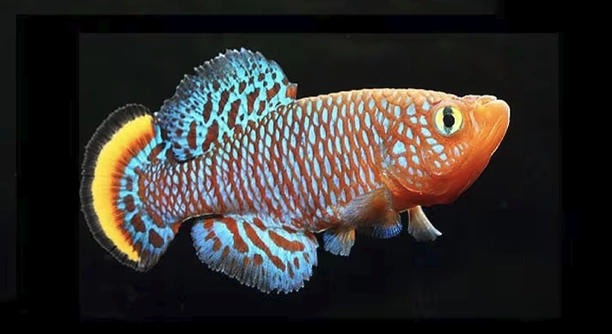
Killi fish are popular among aquarium hobbyists because of their vibrant colors and interesting behaviors. Breeding them naturally can be rewarding but sometimes challenging. Understanding how to encourage their natural breeding habits can improve success in your tank.
Encouraging killi breeding naturally involves creating a suitable environment that mimics their natural habitat, including proper water conditions, temperature, lighting, and providing appropriate plants or spawning sites. Ensuring a balanced diet and minimizing stress are also essential factors.
Learning these natural breeding methods helps create a healthier environment for your killi fish and supports sustainable breeding practices in your home aquarium.
Creating the Ideal Environment
Providing the right environment is crucial for encouraging natural killi breeding. Killi fish prefer soft, slightly acidic water, typically with a pH between 6.0 and 7.0. The temperature should be kept steady, generally around 72 to 75°F (22 to 24°C). It is important to replicate their natural habitat by adding plenty of fine-leaved plants or spawning mops where they can lay eggs safely. Good filtration and gentle water flow help maintain water quality without stressing the fish. Bright but indirect lighting supports their natural rhythms. Avoid sudden changes in the environment, as killi fish can be sensitive. Maintaining stable conditions reduces stress and improves breeding success. Regular water changes also keep the tank clean and healthy, further encouraging natural behavior. Keeping these factors consistent can make a significant difference in seeing your killi fish reproduce naturally.
Stable and natural environments reduce stress, which is key for successful breeding and healthy offspring.
Killi fish rely heavily on environmental cues for breeding. Plants provide shelter for eggs and fry, helping protect them from adults or other tank mates. Soft water and proper temperature encourage spawning activity. Consistent conditions foster regular breeding cycles, increasing the chances of success.
Feeding for Breeding Success
A balanced diet supports the health and breeding readiness of killi fish. They thrive on live or frozen foods like daphnia, brine shrimp, and mosquito larvae, which provide essential nutrients and stimulate breeding behavior. Feeding small amounts multiple times a day mimics their natural feeding patterns and keeps them in optimal condition. Avoid overfeeding, as leftover food can degrade water quality. Including high-quality flakes or pellets supplements their diet but should not replace live food entirely. Nutritional variety improves overall vitality, which is necessary for successful spawning. Well-nourished fish display brighter colors and more active courtship, increasing the likelihood of natural breeding. Monitoring their diet carefully will support their reproductive health and increase egg production.
Live food is vital for conditioning killi fish and triggering their natural spawning instincts.
Feeding a varied and nutrient-rich diet directly influences killi fish’s reproductive health. Live foods are rich in proteins and stimulate natural feeding behavior, which in turn promotes hormonal changes necessary for breeding. A carefully balanced feeding schedule encourages regular spawning. Overfeeding or poor nutrition can lead to health issues and reduce breeding chances. Observing fish behavior during feeding times helps determine their readiness to breed. Healthy, well-fed fish show more vigorous courtship displays and increased spawning activity. Ensuring your killi fish receive the right nutrition plays a central role in achieving natural breeding success.
Managing Tank Mates
Choosing the right tank mates is essential to protect eggs and fry. Avoid aggressive or large fish that may eat the young or stress the breeding pair. Small, peaceful species or a species-only tank works best to ensure safety during breeding.
Tank mates can either support or hinder the breeding process. Aggressive or fast-moving fish can scare killi fish, reducing spawning activity. Even smaller species may disturb the spawning sites or eat eggs and fry. Keeping the tank dedicated to killi fish or using gentle companions helps maintain calm conditions. This reduces stress and increases breeding chances. When selecting companions, consider their temperament, size, and diet to avoid competition or aggression.
A quiet, peaceful tank environment encourages killi fish to display natural breeding behaviors. Stress-free conditions are vital for spawning success and fry survival, so careful tank mate selection is critical for natural breeding.
Monitoring Water Quality
Regularly testing water quality helps maintain optimal conditions for breeding. Parameters such as ammonia, nitrite, nitrate, pH, and temperature should be checked and kept within safe ranges. Clean water supports healthy fish and encourages spawning.
Poor water quality can cause stress, illness, and reduced fertility. Ammonia and nitrite must be kept at zero, while nitrate should remain below 20 ppm. Consistent pH and temperature prevent disruptions in breeding cycles. Frequent water changes, along with monitoring, keep the tank environment stable. Filtration should be efficient but gentle to avoid disturbing eggs or fry. Good water quality promotes the overall health and reproductive readiness of killi fish, making it a crucial part of natural breeding management. A well-maintained tank increases the likelihood of successful spawning and survival of offspring.
Lighting and Photoperiod
Lighting affects breeding by regulating the fish’s natural rhythms. Killi fish need a consistent day-night cycle with moderate lighting. Too bright or too dim lighting can stress them and disrupt spawning.
A stable photoperiod, usually around 10 to 12 hours of light per day, supports breeding. Gradual changes in light help simulate natural conditions, encouraging spawning behavior and healthy development of eggs.
Spawning Sites
Providing specific spawning sites encourages natural egg laying. Use fine-leaved plants or spawning mops to give fish secure places for depositing eggs.
Reducing Stress
Minimizing disturbances in the tank helps killi fish feel secure. Stress inhibits breeding and affects overall health, so keep the environment calm and stable.
FAQ
What is the best water temperature for killi breeding?
The ideal temperature range for killi breeding is between 72°F and 75°F (22°C to 24°C). Maintaining a stable temperature within this range helps stimulate spawning behavior. Sudden changes can stress the fish and reduce breeding success.
How often should I change the water during breeding?
Regular water changes of about 20-30% weekly are recommended to keep water clean and stable. Frequent changes prevent buildup of harmful substances that could stress the fish or harm eggs and fry. Avoid large or sudden water changes during breeding to prevent disturbance.
Can killi fish breed in a community tank?
Killi fish can breed in community tanks if the tank mates are peaceful and do not threaten the eggs or fry. However, it is usually easier and more successful to breed them in a species-only tank to protect the young from being eaten or stressed.
What kind of food encourages killi fish to breed?
Live foods like daphnia, brine shrimp, and mosquito larvae are excellent for conditioning killi fish for breeding. These foods are rich in nutrients and stimulate natural hunting behaviors that trigger spawning. Frozen foods can supplement but should not replace live food entirely.
How do I know if my killi fish are ready to breed?
Signs of readiness include brighter coloration, increased activity, and courtship behavior such as chasing or displaying fins. Females will appear fuller when carrying eggs. Males may show territorial or protective behavior around spawning sites.
What kind of plants should I use for spawning?
Fine-leaved plants like Java moss, hornwort, or spawning mops are preferred because they provide safe hiding places for eggs. These plants allow eggs to attach and stay protected from adults or other fish that might eat them.
How long does it take for killi eggs to hatch?
Killi eggs usually hatch within 10 to 14 days, depending on water temperature and species. Warmer water speeds up hatching, but temperatures should remain within the recommended range to ensure healthy development.
Should I remove adult killi fish after spawning?
In some species, adults may eat their eggs or fry, so removing them after spawning can improve survival rates. However, some killis care for their eggs. Observing their behavior can help decide whether to separate adults or leave them in the breeding tank.
How can I reduce stress in breeding tanks?
Keep the environment stable with minimal noise, consistent lighting, and gentle water flow. Avoid overcrowding and sudden changes in water parameters. Providing plenty of hiding spots also helps fish feel secure and reduces stress.
Is it necessary to isolate breeding pairs?
Isolating pairs can increase breeding success by reducing competition and stress. However, if the tank is well-planted and peaceful, pairs may breed naturally without isolation. Watch for signs of aggression or stress to decide if separation is needed.
Can I breed killi fish without live food?
While some breeding is possible with frozen or high-quality dry food, live food greatly improves conditioning and stimulates natural behaviors. Live food encourages better health and increases the chances of successful spawning.
How do I care for killi fry?
Killi fry should be fed tiny live foods like infusoria or newly hatched brine shrimp. Keep the water clean and maintain gentle filtration. Avoid sudden changes in temperature or water chemistry, as fry are very sensitive during early development.
What are common problems during killi breeding?
Common issues include poor water quality, inappropriate tank mates, lack of suitable spawning sites, and insufficient diet. Stress from disturbances or improper lighting can also prevent successful breeding. Addressing these factors improves results.
Can killi fish breed year-round?
With stable conditions and proper care, some species of killi fish can breed year-round in captivity. However, mimicking natural seasonal changes often encourages more consistent and healthier breeding cycles.
How important is tank size for breeding?
Tank size matters less than proper setup. A well-planted, quiet environment in a small tank can be better than a large, overcrowded tank. Around 10 to 20 gallons is sufficient for breeding pairs, as it is easier to maintain water quality and control conditions.
Final Thoughts
Encouraging killi fish to breed naturally takes time, patience, and attention to detail. Creating the right environment is the foundation of success. Maintaining stable water conditions, proper temperature, and soft, slightly acidic water helps mimic their natural habitat. Adding fine-leaved plants or spawning mops provides safe places for eggs, which increases the chances of survival for the young. Feeding a balanced diet rich in live foods supports the health and readiness of your fish to spawn. These basic steps work together to create a stress-free environment that encourages natural breeding behavior.
Managing tank mates carefully is another important factor. Avoiding aggressive or large fish protects the eggs and fry from harm. Peaceful companions or a species-only tank give killi fish the space they need to carry out their breeding rituals. Regular water testing and maintaining good water quality help keep the fish healthy and reduce the risk of disease or stress. Lighting and photoperiod also play a key role by supporting the fish’s natural cycles. Consistency and gentle care are essential for helping killi fish reproduce successfully.
Patience is key when working with killi fish breeding. It may take some time for the fish to adjust and begin spawning naturally. Observing their behavior and making small adjustments to the environment can lead to better results. Reducing stress, providing adequate nutrition, and ensuring a safe space for eggs will improve breeding success. Following these natural methods not only helps you breed killi fish effectively but also promotes the health and well-being of your fish in the long run. With steady care, you can enjoy watching your killi fish thrive and reproduce naturally.

Hello,
If you enjoy the content that we create, please consider saying a "Thank You!" by leaving a tip.
Every little bit helps us continue crafting quality advice that supports the health, happiness, and well-being of pets around the world, for pets of all shapes, sizes, and species.
We really appreciate the kindness and support that you show us!