
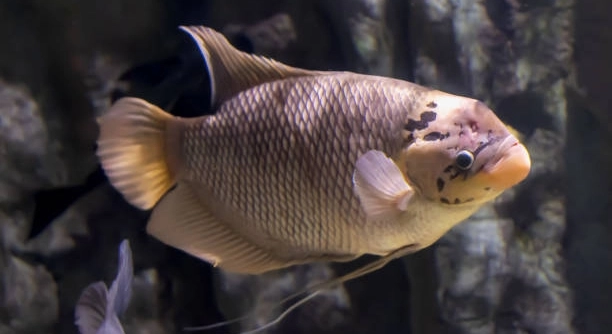
Gourami are popular freshwater fish known for their vibrant colors and peaceful nature. Many aquarium owners notice reflections on the glass at night and wonder if these affect the fish’s behavior. Understanding how gourami respond to reflections can improve their care.
Gourami can be affected by reflections at night as they may perceive their own image as another fish. This can cause stress or territorial behavior, disrupting their normal activity and well-being in the aquarium environment.
Knowing how reflections influence gourami helps ensure a calm and healthy tank. This article explores the effects and offers practical tips for better aquarium management.
How Reflections Form in Aquariums
Reflections in aquariums occur primarily due to light bouncing off the glass surfaces. At night, when the room is dark and the aquarium is lit, the glass acts like a mirror. This causes the fish to see their own image clearly. Gourami, like many other fish, rely heavily on visual cues to recognize other fish and assess their surroundings. When they see a reflection, they might mistake it for another fish invading their space. This can lead to increased activity, chasing behavior, or hiding. The intensity of reflections depends on factors such as the tank lighting, room brightness, and angle of viewing. Even small shifts in lighting can alter how strong the reflections appear. Aquarium owners often do not realize how these reflections impact fish behavior, especially during nighttime when external light is minimal, making reflections more noticeable to the fish.
Understanding how and why reflections form is essential for managing fish stress and tank environment effectively.
Reducing reflections can create a more stable and comfortable habitat for gourami and other fish.
Managing reflections is one key step in improving the aquarium experience for both fish and owner.
Signs Gourami Are Stressed by Reflections
Gourami stressed by reflections often show clear behavioral changes. They may repeatedly swim toward the glass or display aggression by flaring their fins. Some may hide more frequently or become less active, indicating discomfort. Stress can also weaken their immune system, making them vulnerable to illness. Watching these signs early allows for adjustments in the tank setup to reduce reflections. Using tank backgrounds, adjusting lighting, or repositioning the aquarium can help minimize these effects. Proper care requires attention to both water quality and environmental stressors like reflections.
Observing your gourami’s behavior closely is important to maintain their health and happiness in the tank.
Stress from reflections is preventable with simple changes to tank lighting and decoration.
Taking steps to limit reflections helps gourami stay calm and reduces aggression in the aquarium.
Preventing Reflection Stress
One of the easiest ways to prevent stress from reflections is by controlling lighting. Using dimmer lights at night or turning off aquarium lights completely can help. Covering parts of the tank glass with a dark background also reduces reflections.
Adjusting the aquarium’s lighting schedule to mimic natural day and night cycles minimizes reflections and helps gourami feel secure. Using blackout curtains or reducing external light sources around the tank at night further prevents unwanted reflections. Sometimes repositioning the tank away from windows or bright indoor lights can make a big difference. Tank accessories like plants and decorations also break up reflections by blocking direct lines of sight.
Another effective method is applying a non-reflective film on the inside of the glass, which cuts down glare without affecting visibility. Combining several of these tactics creates a calmer environment for gourami and reduces their stress caused by reflections during nighttime hours.
Choosing the Right Tank Setup
Tank placement affects how much reflection gourami experience. Positioning the aquarium in a low-light room or away from bright lights reduces glare significantly. Avoid placing the tank opposite windows or shiny surfaces. Using a solid or darker-colored background on at least one side of the tank can prevent reflections inside the glass, limiting stress for the fish.
Adding live or artificial plants inside the tank helps by breaking up reflective surfaces and providing hiding spots for gourami. Plants also create natural shadows, which can make reflections less noticeable. The right tank setup balances light and decoration, ensuring gourami have areas to retreat when disturbed by reflections. Regular observation of fish behavior helps identify if reflections or tank setup might be causing discomfort.
Maintaining a stable environment with appropriate lighting, background, and decor is crucial for minimizing reflection stress in gourami aquariums.
Impact of Nighttime Reflections on Gourami Sleep
Nighttime reflections can disrupt gourami’s natural rest. The fish may become restless or alert, mistaking their reflection for another fish. This interruption affects their ability to relax and sleep properly, which is essential for their health and well-being.
Sleep disruption can lead to increased stress and reduced immune function over time. Consistent disturbance from reflections at night may cause long-term behavioral changes, including aggression or hiding more often. Maintaining a dark, reflection-free environment during the night supports normal sleep cycles and helps keep gourami healthy.
How to Adjust Lighting for Gourami
Lowering light intensity gradually in the evening helps gourami adjust naturally to nighttime. Using timers for aquarium lights creates a consistent day-night cycle. Avoid bright or flashing lights at night to reduce stress.
Reflective Surfaces to Avoid
Mirrored or glossy surfaces near the tank increase reflection. Avoid placing shiny objects or glass tables nearby to limit glare and reflections affecting gourami.
FAQ
Do reflections really stress gourami?
Yes, reflections can stress gourami because they often mistake their reflection for another fish. This can trigger territorial or aggressive behavior, causing them to chase or hide. Stress weakens their immune system and affects overall health. Minimizing reflections helps gourami stay calm and comfortable.
How can I tell if my gourami is stressed by reflections?
Signs include frantic swimming near the glass, repeated chasing behavior, hiding more than usual, or reduced activity. Some gourami might flare their fins or change color slightly. Watching their behavior closely, especially at night when reflections are strongest, can help identify stress from reflections early.
What is the best way to reduce reflections at night?
The best way is to control lighting by turning off or dimming aquarium lights at night. Using a dark tank background and covering bright room lights can reduce glare. Positioning the tank away from windows or reflective surfaces also helps lower reflection levels.
Will reflections harm my gourami physically?
Reflections do not directly harm gourami physically, but the stress caused by repeated exposure can affect their health over time. Chronic stress may lead to weakened immunity, making fish prone to diseases. Managing reflections supports their long-term health.
Can reflections affect other fish in my tank?
Yes, many fish besides gourami can react to reflections. Territorial species may become aggressive or stressed, while shy fish may hide more. It is important to consider all tank inhabitants when managing reflections for a peaceful aquarium.
Are reflections worse at night than during the day?
Reflections tend to be worse at night because the tank lighting creates a strong mirror effect against the darker room environment. During the day, natural light usually reduces the intensity of reflections, making them less noticeable to fish.
Should I keep aquarium lights off at night?
Yes, turning off aquarium lights at night is recommended. It mimics a natural day-night cycle, reduces reflections, and allows gourami to rest properly. If some light is necessary, use very dim or red-tinted lighting to minimize disturbance.
Can tank decorations reduce reflections?
Decorations like plants, rocks, and driftwood can break up reflective surfaces and provide hiding spots. These elements reduce direct reflections and help gourami feel secure. Including sufficient cover in the tank improves overall fish comfort.
Is a dark background better for reducing reflections?
A dark or solid background helps absorb light rather than reflect it, which lowers the intensity of reflections on the glass. This simple adjustment can make a significant difference in reducing stress caused by reflections.
Are there special films or coatings for glass to reduce reflections?
Yes, non-reflective films or anti-glare coatings can be applied inside the tank glass. These reduce glare without affecting visibility. They are a useful tool for managing reflections, especially in brightly lit rooms or at night.
Can repositioning the tank help with reflections?
Moving the aquarium away from windows, bright lights, or shiny surfaces reduces reflections by changing the angle of light hitting the glass. Sometimes a small repositioning can dramatically lower the reflection effect experienced by gourami.
How often should I observe my gourami for reflection stress?
Regular observation is important, especially during evening hours when reflections are strongest. Checking for changes in behavior weekly or more often helps catch stress early and allows for timely adjustments to the tank environment.
Does the size of the tank affect reflections?
Larger tanks with more glass surfaces may have more potential for reflections, but proper lighting and background choices can manage this. Smaller tanks might show reflections more clearly due to less space, so each setup requires attention.
What other factors can cause stress similar to reflections?
Other stressors include poor water quality, overcrowding, improper tank mates, and sudden changes in lighting or temperature. Reflections add to these stresses, so overall tank care should focus on minimizing all potential causes.
Can reflections cause long-term behavioral changes?
Yes, prolonged exposure to reflections can lead to chronic stress and altered behavior such as increased aggression, constant hiding, or lethargy. These changes affect fish welfare, making it essential to address reflection issues promptly.
Is it okay to cover the tank at night to reduce reflections?
Covering the tank with a cloth or cover that blocks light can reduce external reflections and help gourami rest. Make sure the cover allows for air circulation to maintain good water quality and oxygen levels.
Do all gourami species react the same way to reflections?
Different gourami species may vary in their sensitivity to reflections. Some are more territorial and reactive, while others are calmer. Observing your specific species helps determine how much reflections affect them.
Can reflections affect breeding behavior?
Yes, reflections may disrupt normal breeding behaviors by causing stress or aggression. Fish might mistake reflections for rivals, which can interfere with mating rituals and nesting. Reducing reflections supports healthier breeding conditions.
Is it necessary to change my lighting setup if reflections bother my gourami?
Adjusting lighting is often necessary to reduce reflection stress. Using softer or indirect light sources and avoiding harsh, direct lighting at night helps maintain a calm environment and supports gourami well-being.
Are reflections harmful during feeding times?
Reflections can cause distraction or aggression during feeding, making fish competitive or nervous. Reducing reflections around feeding time helps gourami eat peacefully and reduces stress-related conflicts.
How can I balance visibility for viewing with reducing reflections?
Use backgrounds and decorations strategically to block reflections while keeping viewing clear. Adjust lighting angles and intensity to minimize glare without darkening the tank too much. This balance improves fish comfort and viewing pleasure.
Final Thoughts
Reflections at night can affect gourami in several ways, mostly by causing stress and disrupting their rest. Gourami rely on a calm and stable environment to maintain their health and natural behaviors. When they see their own reflection, especially in low light or darkness, they may mistake it for another fish. This can make them act defensively or become restless, which interrupts their sleep and causes unnecessary stress. Consistent exposure to reflections without proper management can weaken their immune system and lead to long-term behavioral problems.
Creating a proper environment is essential to minimize these effects. Controlling the lighting by turning off aquarium lights at night or using very dim lighting helps reduce the mirror-like effect on the glass. Using a dark background and adding plants or decorations can break up reflective surfaces and provide hiding places, making the gourami feel more secure. Positioning the tank away from windows and shiny objects further lowers the chances of unwanted reflections. These small adjustments help gourami maintain their natural rhythm and reduce stress caused by visual disturbances.
Overall, keeping gourami comfortable at night requires attention to lighting and tank setup. Stress from reflections is avoidable with thoughtful care. Regular observation of your gourami’s behavior helps identify any issues early so changes can be made quickly. By maintaining a reflection-free environment, gourami are more likely to rest well, stay healthy, and exhibit natural behavior. This ensures a better experience for both the fish and the person caring for them.

Hello,
If you enjoy the content that we create, please consider saying a "Thank You!" by leaving a tip.
Every little bit helps us continue crafting quality advice that supports the health, happiness, and well-being of pets around the world, for pets of all shapes, sizes, and species.
We really appreciate the kindness and support that you show us!