
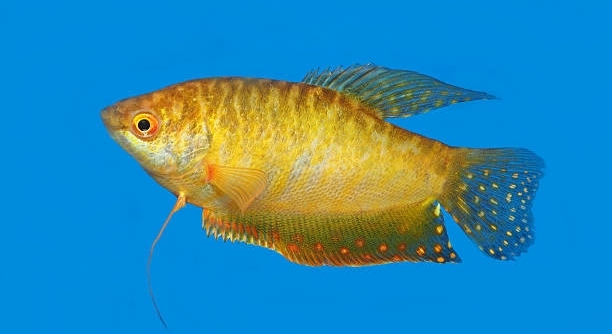
Is your gourami acting differently lately, swimming erratically or hiding more than usual? These behaviors might be signs of stress or anxiety in your fish. Understanding their actions can help create a better tank environment.
Anxiety in gouramis is often linked to specific tank behaviors such as excessive hiding, glass surfing, or aggression. These actions are usually responses to poor water conditions, lack of shelter, overcrowding, or incompatible tank mates, indicating heightened stress levels.
Recognizing these signs early can make a big difference in your gourami’s overall well-being and comfort within their tank.
Constant Hiding and Avoiding Open Areas
Gouramis often retreat to hiding spots when they feel insecure. If your fish is always staying behind plants or decorations, it may be experiencing anxiety. This behavior usually comes from stress caused by tank overcrowding, sudden movements, or the presence of aggressive tank mates. A consistent hiding pattern is a clear signal that something in the tank setup or environment is making your gourami feel unsafe. Adding more plants and shelter can help, but it’s also important to assess other factors like noise, lighting, and water quality. These elements all affect how secure a fish feels in its environment.
Avoiding open swimming areas isn’t typical for gouramis. If your fish rarely comes out, that’s often a sign of unease.
Make sure your tank has enough cover and low-stress zones where your gourami can feel at ease. If the hiding continues, consider rearranging the decor or separating aggressive fish.
Glass Surfing and Erratic Swimming
Glass surfing looks like your gourami is pacing the tank walls. It may swim up and down one section repeatedly, usually without rest. This is commonly seen in tanks that are too small or poorly cycled. Fish often behave this way when they sense something is off, such as fluctuating water parameters or an unstable environment. It’s important to check ammonia, nitrite, and nitrate levels, along with temperature and pH. Erratic swimming can also happen due to boredom or lack of stimulation, especially in a plain setup. In such cases, adding live plants or rearranging decor can provide enrichment and reduce stress.
The best way to reduce this behavior is to improve tank conditions. Regular water changes, steady parameters, and a well-planted setup are key. Also, ensure the tank isn’t near a loud area or in constant motion, as vibrations and light shifts can disturb fish.
Loss of Appetite and Refusing Food
When a gourami stops eating or ignores food, it’s often linked to stress or discomfort in the tank. Appetite loss may also be triggered by poor water quality, sudden environmental changes, or intimidation by other fish during feeding times.
If your gourami was previously eating well and now shows no interest in food, observe its behavior closely. Refusing meals for more than a day or two isn’t normal and should be addressed quickly. Check your water parameters first, then watch how other tank mates behave during feeding. Aggressive fish may be pushing your gourami away. Consider feeding at multiple spots or using floating plants to create food zones. Changing food types—like switching from flakes to frozen or live options—can sometimes help. Consistent feeding times also help anxious fish feel secure.
Stress-related appetite loss may also be triggered by overhandling, new tank additions, or a lack of routine. Keeping the tank quiet and consistent helps. Gouramis appreciate stable conditions, so avoid changing too much at once. Keep lights on a regular cycle and avoid tapping the glass or sudden temperature shifts. If appetite doesn’t return, observe for signs of illness. Sometimes underlying health issues can mimic stress behaviors, so a close watch is important.
Aggressive Outbursts Toward Tank Mates
Aggression in gouramis often appears when they feel insecure or threatened. This stress-induced behavior may involve chasing, fin-nipping, or guarding certain areas of the tank more aggressively than usual. It’s not just a territorial habit—it can be a sign of anxiety.
When a normally peaceful gourami becomes hostile, it’s worth checking the environment for changes. New tank mates, overcrowding, or even a mirror reflection can trigger this shift. A lack of hiding spots or swimming room can also increase tension. Males especially become aggressive in cramped tanks or during breeding attempts. Adding more plants or visual barriers can calm things down. Avoid pairing them with overly active or fin-nipping species. Balanced groupings matter—having too many males or the wrong mix of species may raise stress levels. Always monitor closely after introducing any new fish. Early signs of aggression should be managed before injuries occur.
Frequent Gulping at the Surface
Gouramis have a labyrinth organ, so occasional surface breathing is normal. But if they’re doing it constantly, it may mean poor oxygen levels or stress. Stagnant water, high temperatures, or poor filtration can all contribute to this behavior.
Frequent gulping can also suggest ammonia buildup or low aeration. Adding an airstone or increasing surface movement can help. Make sure your filter is strong enough and water changes are regular.
Faded Colors and Pale Appearance
A gourami’s color often fades when it’s stressed or anxious. Dull scales may reflect poor water quality, temperature swings, or a lack of shelter. Bright, healthy colors are usually a sign that your fish is relaxed and thriving. If your gourami looks pale for more than a day or two, test your water right away. Consider reducing bright lighting, adding cover, and making sure no tank mates are causing constant tension. A well-decorated, stable environment will support color vibrancy. Feeding color-enhancing foods like quality pellets or frozen brine shrimp can also help, but it’s the stress reduction that makes the biggest difference.
Staying Completely Motionless
When a gourami stays still for long periods, it’s often not resting—it may be reacting to stress or shock. This behavior can appear after sudden water changes, temperature drops, or loud external disturbances.
What causes anxiety in gouramis?
Anxiety in gouramis is usually caused by environmental stressors such as poor water quality, inadequate tank size, and aggressive tank mates. Sudden changes in temperature, inconsistent lighting, or overcrowding can also make gouramis feel unsafe. Lack of hiding spots or shelter often contributes to stress, as these fish need secure areas to retreat. Noise and vibrations outside the tank may disturb them as well. Monitoring water parameters and providing a stable, calm environment is essential to reduce anxiety in gouramis.
How can I tell if my gourami is stressed?
Signs of stress include hiding frequently, glass surfing, refusing food, and aggressive behavior. Color fading, erratic swimming, and excessive surface gulping also point to anxiety. If your gourami suddenly changes its usual behavior, it’s likely under stress. Observe your fish carefully for these signs, and check tank conditions to find potential causes. Early detection helps prevent serious health problems caused by prolonged anxiety.
Is hiding always a bad sign?
Not necessarily. Gouramis naturally enjoy hiding and resting among plants or decorations. However, if hiding becomes excessive or the fish avoids open swimming areas entirely, it could indicate stress or fear. Occasional hiding is normal, but constant avoidance of the open tank area should be addressed.
Can water quality affect gourami behavior?
Yes, water quality greatly impacts gourami health and behavior. Poor water conditions with high ammonia, nitrite, or nitrate levels cause discomfort and anxiety. Temperature fluctuations and incorrect pH also stress gouramis. Maintaining regular water changes and testing parameters helps keep the environment stable and reduces anxiety-related behaviors.
Why does my gourami surf the glass?
Glass surfing often results from boredom, stress, or an inadequate tank environment. Small tanks, lack of plants, or unstable water conditions can trigger this repetitive behavior. Improving tank size, adding live plants, and stabilizing water quality usually decrease glass surfing. It may also happen if gouramis see their reflection and perceive it as a rival.
What should I do if my gourami refuses food?
Loss of appetite can be due to stress, illness, or poor water conditions. First, check water parameters and tank mates. Try offering different foods like frozen or live options to entice feeding. Feed smaller amounts more frequently to reduce competition. If refusal continues beyond a couple of days, observe for illness signs and consider consulting a specialist.
How can I reduce aggression in my gourami tank?
To reduce aggression, ensure the tank is large enough with plenty of hiding spots. Avoid overcrowding and incompatible species. Introducing visual barriers and maintaining peaceful tank mates helps. Males tend to be more aggressive, so keeping fewer males or separating them can calm the environment.
Is surface gulping always a sign of anxiety?
Not always. Gouramis have a labyrinth organ allowing them to breathe air at the surface naturally. However, frequent gulping may indicate low oxygen or poor water quality. Check aeration, water flow, and parameters to ensure proper tank conditions.
Can lighting affect my gourami’s stress levels?
Bright or inconsistent lighting can stress gouramis. They prefer moderate lighting with areas of shade. Sudden changes in light intensity or duration may cause anxiety. Using a timer for consistent light cycles and providing plants or decor for shaded spots improves comfort.
What role does tank size play in gourami anxiety?
Small tanks limit swimming space and increase territorial disputes, which raises stress. Gouramis need enough room to explore and establish territory comfortably. A tank size of at least 20 gallons is recommended for most gouramis to reduce anxiety and promote natural behaviors.
How important is a regular routine for gouramis?
Gouramis thrive with a consistent daily routine including feeding times, light cycles, and maintenance. Sudden changes or irregular schedules can cause stress. Keeping a stable routine helps gouramis feel secure and reduces anxiety-related behaviors.
When should I consider separating my gourami?
If aggression or stress signs persist despite environmental improvements, separating your gourami may be necessary. This is especially true if injuries occur or one fish is consistently bullied. Quarantine tanks or separate aquariums can provide relief and prevent further harm.
Final thoughts on gourami anxiety highlight the importance of maintaining a stable and comfortable environment for these fish. Gouramis are sensitive to changes in their surroundings, and their behavior often reflects how well their needs are being met. Observing the signs of anxiety early can help prevent serious health issues. Many tank behaviors linked to anxiety, such as aggression, loss of appetite, or unusual swimming patterns, are signals that adjustments are needed. Addressing water quality, tank size, and tank mates are crucial steps in reducing stress for gouramis. Consistency in care routines also plays a significant role in keeping these fish calm and healthy.
It is important to remember that anxiety in gouramis is not always caused by a single factor but often results from a combination of environmental stressors. Poor water conditions, overcrowding, and lack of hiding places all contribute to their discomfort. Even small changes in temperature or lighting can impact their well-being. Providing an environment with ample space, plants, and stable water parameters allows gouramis to exhibit natural behaviors and feel secure. Taking time to monitor and understand your gourami’s behavior will help in identifying problems before they become serious. A well-maintained tank reduces anxiety and supports the fish’s overall health.
Ultimately, keeping gouramis healthy and stress-free requires attention and patience. Regular water testing, appropriate feeding practices, and careful selection of tank mates are essential. Creating a peaceful environment helps gouramis avoid anxiety-linked behaviors and live longer, happier lives. While some behaviors may seem concerning, they often serve as important clues to the fish’s condition. Responding promptly and thoughtfully to these signals improves the quality of care and fosters a better relationship between the keeper and the fish. Careful observation and consistent maintenance remain the best ways to prevent and manage anxiety in gouramis.

Hello,
If you enjoy the content that we create, please consider saying a "Thank You!" by leaving a tip.
Every little bit helps us continue crafting quality advice that supports the health, happiness, and well-being of pets around the world, for pets of all shapes, sizes, and species.
We really appreciate the kindness and support that you show us!