
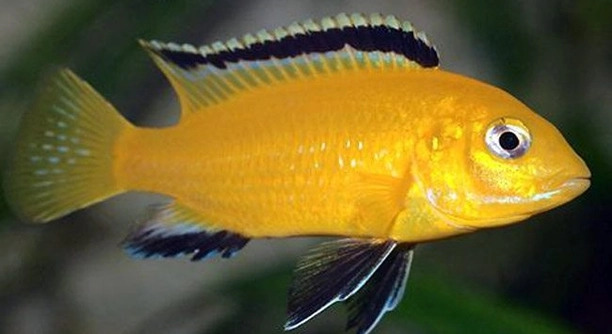
Are you interested in keeping a vibrant and colorful fish in your home aquarium? Electric yellow cichlids are known for their bright yellow hues and lively behavior, making them an appealing choice for many hobbyists.
Electric yellow cichlids are suitable for beginners due to their hardy nature, relatively peaceful temperament, and adaptability to standard freshwater aquarium conditions. Proper tank setup, regular water maintenance, and a balanced diet are essential for their health and growth.
Learning about their care requirements will help you maintain a healthy, thriving aquarium with minimal stress and challenges for both the fish and yourself.
Tank Setup and Environment
Creating the right environment for electric yellow cichlids is essential for their well-being. These fish thrive in a tank of at least 30 gallons, with plenty of hiding spaces like rocks and caves to reduce stress. A sandy substrate is preferable since cichlids enjoy digging. Maintaining stable water conditions is critical. Keep the temperature between 74 and 80°F and pH around 7.5 to 8.5. Regular water changes of 20-25% weekly help maintain water quality. Filtration should be strong enough to handle biological waste but avoid strong currents that can tire the fish. Lighting should mimic natural daylight but avoid extremes. Adding live plants can improve oxygen levels, though some cichlids may uproot them. Observe your fish daily to ensure they are active and healthy. A well-structured tank reduces aggression and helps cichlids display their natural behaviors.
Proper tank setup ensures your cichlids remain healthy and active while reducing stress-related issues and aggression.
A balanced tank environment not only supports their health but also encourages natural behavior. Cichlids feel more secure when they have space to explore, hiding spots for resting, and clear areas for swimming. Rocks and caves allow territorial behavior to develop naturally without constant conflict. Stable water parameters prevent common illnesses and help them grow strong and vibrant. Lighting and plants contribute to a realistic habitat, promoting a calm and enriched environment. Paying attention to these details from the beginning makes maintenance easier and the fish more resilient.
Diet and Feeding
Electric yellow cichlids are omnivores and need a varied diet to stay healthy.
Providing a mix of high-quality flakes, pellets, and occasional live or frozen foods ensures proper nutrition. Avoid overfeeding, as leftover food can pollute the tank. Feed small amounts 2-3 times daily. Include vegetables like spinach or peas to support digestion and color enhancement. Monitor how much your fish eat and remove uneaten portions promptly. Nutritional variety strengthens their immune system and encourages natural behavior. Treats should be occasional and balanced with regular meals. Feeding consistency also promotes better coloration and energy levels. Understanding their dietary needs is critical for long-term health. Overfeeding or poor diet can lead to disease, aggression, or stunted growth. By observing their eating habits, you can adjust portions and food types to suit individual fish, ensuring all cichlids in the tank get proper nutrition and thrive.
Behavior and Temperament
Electric yellow cichlids are generally peaceful but can show territorial behavior, especially during breeding. They interact well with other similar-sized fish if the tank is spacious. Understanding their social dynamics reduces conflicts.
They establish territories and display mild aggression to protect their space. Observing interactions helps prevent bullying, as dominant fish may chase or nip weaker ones. Providing rocks, caves, and hiding spots allows subordinate fish to escape, minimizing stress. Mixing with compatible species reduces boredom and encourages natural behaviors like exploring and foraging. Regular monitoring ensures the tank remains balanced, maintaining harmony among all fish while keeping aggression at a manageable level.
Proper attention to behavior ensures stress is minimized and fish coexist peacefully. Recognizing early signs of aggression allows timely adjustments, whether rearranging decorations or separating overly dominant individuals, creating a stable environment for everyone in the tank.
Health and Common Issues
Regular observation of electric yellow cichlids is crucial for detecting health problems early. Maintaining clean water and stable parameters prevents most common illnesses.
Common issues include fin rot, ich, and swim bladder problems. Fin rot often arises from poor water quality or injury, requiring immediate water changes and sometimes medication. Ich, a parasitic infection, causes white spots and lethargy, treated with elevated temperature and anti-parasitic solutions. Swim bladder problems may result from overfeeding or constipation, corrected by fasting or feeding peas. Stress from aggressive tankmates or sudden environmental changes can weaken immunity, making fish more susceptible to disease. Consistent care, a balanced diet, and clean water are key preventive measures to avoid these health concerns.
Monitoring behavior, appearance, and eating patterns helps identify problems before they worsen. Early intervention and maintaining stable water conditions significantly improve recovery chances. Regular tank cleaning, proper filtration, and careful selection of tankmates keep cichlids healthy, reducing stress-induced illnesses and promoting longevity. Observing each fish’s coloration, activity, and appetite provides valuable insights, allowing adjustments in diet, environment, or treatment as needed. These practices create a stable, thriving aquarium environment that supports their natural behaviors and overall well-being.
Tank Mates
Electric yellow cichlids do best with other cichlids or similarly sized, non-aggressive fish. Avoid very small fish that can be harassed or eaten.
Choosing compatible tank mates reduces stress and prevents constant fighting. Providing space and hiding spots helps maintain peace among all fish.
Breeding Tips
Breeding electric yellow cichlids requires a separate, well-maintained tank with stable water parameters. A pair should have adequate space and hiding spots for eggs. Both parents actively guard the eggs and fry, showing strong parental behavior. Providing high-quality food before and during breeding improves fertility. Regular monitoring ensures eggs remain safe from fungus or accidental disturbance. Once fry become free-swimming, they require finely crushed food or specialized fry flakes. Maintaining clean water and monitoring growth supports healthy development. Breeding pairs may show increased aggression, so separating them from other tankmates is often necessary to protect both the fry and adults.
Lifespan
With proper care, electric yellow cichlids can live up to ten years in a home aquarium.
FAQ
How many electric yellow cichlids should I keep in one tank?
A minimum of five to six cichlids is recommended to distribute aggression. Keeping only one or two may lead to territorial fights, as dominant fish can target weaker individuals. A larger group encourages a more balanced social structure.
Can electric yellow cichlids live with other types of fish?
Yes, they can live with similar-sized, non-aggressive fish. Avoid very small species that can be bullied or eaten. Tank mates like other peaceful African cichlids or robust community fish work best. Always provide hiding spaces to reduce stress.
What is the ideal tank size for these cichlids?
A 30-gallon tank is the minimum for a small group. Larger tanks are better to accommodate territorial behavior and swimming space. More room helps reduce aggression and allows for a natural hierarchy to develop among fish.
How often should I feed electric yellow cichlids?
Feed them two to three times per day in small amounts they can consume within a few minutes. Overfeeding can pollute water and cause health issues. A mix of flakes, pellets, and occasional vegetables ensures balanced nutrition.
Do electric yellow cichlids require special water conditions?
They thrive in a pH between 7.5 and 8.5, with temperatures ranging from 74 to 80°F. Stable water parameters and regular changes are essential to prevent disease. Using a reliable filter and monitoring water quality helps maintain a healthy tank.
How do I know if my cichlids are stressed or sick?
Signs include loss of appetite, faded color, hiding excessively, or erratic swimming. Early observation is key. Treating water quality issues, adjusting diet, or consulting with an experienced aquarist can prevent further problems.
Can electric yellow cichlids breed in a home aquarium?
Yes, they breed readily in well-maintained tanks. Provide hiding spots for eggs and monitor parental behavior. Both parents care for the fry, but aggression may increase during this period, so consider separating the breeding pair if needed.
What should I do if a cichlid becomes aggressive?
Aggression is often territorial. Rearrange rocks or add hiding spots to break up established territories. In severe cases, separating the aggressive fish temporarily may be necessary. Maintaining proper tank size and a balanced group reduces frequent fights.
How long do electric yellow cichlids live?
With proper care, they can live up to ten years. Maintaining stable water, a nutritious diet, and a stress-free environment contributes to longevity. Regular observation helps catch health issues early, ensuring a longer, healthier life for your fish.
Are live plants suitable for their tank?
Some plants work, but many may be uprooted. Hardy species like Java fern or Anubias attached to rocks are better. Plants help oxygenate the water and provide additional hiding spots, contributing to a healthier environment for cichlids.
What type of substrate is best for electric yellow cichlids?
Sandy substrate is ideal, as cichlids like to dig and sift through it. Fine gravel can work but may trap waste. Sand supports natural behaviors and makes cleaning easier, keeping the tank environment stable and comfortable.
How often should I perform water changes?
Weekly water changes of 20-25% are recommended. This helps maintain water quality and reduces the buildup of harmful chemicals. Regular maintenance keeps fish healthy and minimizes the risk of disease.
Can I feed them frozen or live food?
Yes, frozen or live foods like brine shrimp or bloodworms are beneficial for variety and nutrition. Use them in moderation alongside flakes and pellets to provide balanced meals. Overfeeding live food can cause water quality issues.
What is the best way to introduce new fish?
Quarantine new fish for at least two weeks to prevent disease introduction. Introduce them gradually, ensuring sufficient hiding spaces. Observe interactions closely to prevent aggression and allow the established cichlids to adjust to newcomers.
Are electric yellow cichlids suitable for beginners?
Yes, they are hardy, adaptable, and colorful, making them a good choice for beginner aquarists. Consistent care, proper tank setup, and observation are essential for success. They provide a rewarding experience with relatively manageable maintenance compared to more delicate species.
This FAQ section provides detailed answers to the most common concerns about electric yellow cichlids, offering practical guidance for maintaining a healthy, vibrant tank and reducing potential challenges for beginners.
Electric yellow cichlids are an attractive and relatively manageable choice for home aquariums. Their bright yellow color adds vibrancy, and their active, social nature makes them enjoyable to watch. While they display territorial behavior, this is typical for many cichlid species and can be managed with proper tank setup. Providing sufficient space, hiding spots, and a balanced group of fish helps reduce stress and aggression, creating a calmer environment. Observing their behavior regularly allows you to notice early signs of illness or conflict, ensuring the overall health of your tank. These fish are hardy and adaptable, which makes them less demanding than more delicate species, but attention to water quality and diet is still essential. Consistency in care, including regular water changes, appropriate feeding schedules, and careful monitoring, supports their long-term health and well-being.
A key factor in keeping electric yellow cichlids healthy is maintaining stable water conditions. They prefer slightly alkaline water with a pH between 7.5 and 8.5 and temperatures ranging from 74 to 80°F. A reliable filtration system helps remove waste and maintain water clarity, while regular partial water changes prevent the buildup of harmful chemicals. The substrate and tank decorations also influence their behavior and comfort. Sand or fine gravel allows them to dig naturally, while rocks and caves provide essential hiding spaces and territories. Adding hardy plants can enhance oxygen levels and offer additional cover, though some cichlids may uproot them. Attention to these details creates an environment where electric yellow cichlids can thrive, express natural behaviors, and interact without excessive stress. Proper planning and observation make managing these fish more straightforward, even for those new to cichlids.
Feeding is another important component of their care. Electric yellow cichlids are omnivorous and require a varied diet to maintain health, coloration, and energy. High-quality flakes or pellets should form the base of their diet, complemented by occasional live or frozen foods such as brine shrimp or bloodworms. Including vegetables like peas or spinach helps digestion and provides additional nutrients. Feeding small amounts two to three times daily prevents overfeeding and water contamination. Monitoring how much your fish eat and adjusting portions accordingly ensures all individuals receive proper nutrition. Attention to both diet and environment contributes to their long lifespan, which can extend up to ten years with consistent care. With proper maintenance, these cichlids are not only visually appealing but also engaging, resilient, and suitable for a beginner or intermediate fish keeper looking to maintain a lively, balanced aquarium.

Hello,
If you enjoy the content that we create, please consider saying a "Thank You!" by leaving a tip.
Every little bit helps us continue crafting quality advice that supports the health, happiness, and well-being of pets around the world, for pets of all shapes, sizes, and species.
We really appreciate the kindness and support that you show us!