
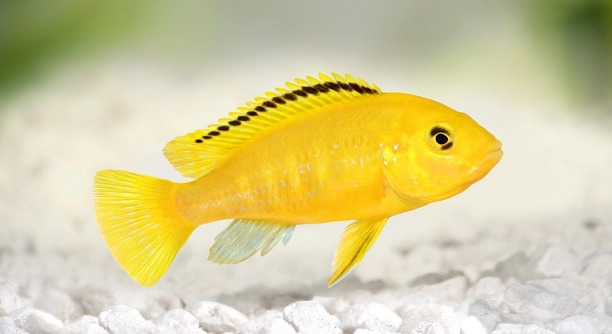
Keeping a cichlid community harmonious can be a challenge, especially when territorial behavior begins to surface among your fish. Aggression can disrupt the tank environment and affect the overall health of your aquatic companions.
Managing aggression in cichlid communities requires attention to tank size, proper decoration placement, balanced stocking, compatible species selection, regular feeding schedules, environmental enrichment, and monitoring of social hierarchies. Implementing these strategies can significantly reduce conflicts and maintain a stable aquarium ecosystem.
Maintaining peace among your cichlids improves their well-being and creates a visually appealing, calm aquarium that thrives under proper care.
Understanding Cichlid Behavior
Cichlids are naturally territorial, and their behavior can change depending on tank conditions, species, and social dynamics. Some species establish strong hierarchies, while others may show sudden bursts of aggression. Recognizing these behaviors early helps prevent stress and injuries among your fish. Aggression can manifest through chasing, nipping, or dominating certain areas of the tank. Even small tanks can trigger conflicts if space is limited, decorations are sparse, or hiding spots are inadequate. Observing how fish interact during feeding and movement allows you to identify patterns. It is important to note that some aggression is natural and helps establish boundaries. Overcrowding often intensifies these behaviors, while too few fish can leave dominant individuals unchecked. Environmental enrichment, such as rocks, plants, or caves, provides visual barriers and creates territories that reduce tension. Consistent monitoring, combined with thoughtful adjustments to tank layout, can greatly improve harmony. By understanding each species’ tendencies, you can better manage interactions.
Territorial behavior is not always harmful, but it requires attention and proper tank management to maintain balance and health.
Regularly assessing fish interactions ensures aggression is controlled and promotes a healthier environment.
Tank Size and Layout
Tank size directly affects aggression levels. Smaller tanks often leave less space for hiding or retreat.
Providing adequate space is essential. A larger tank allows fish to establish territories naturally and reduces constant conflict.
The layout of your tank can influence interactions significantly. Rocks, plants, and caves help create boundaries that fish can claim as their own. Open swimming areas combined with secluded spots reduce tension. Grouping aggressive species with compatible companions can also prevent dominance struggles. Rearranging decorations periodically changes territories and prevents long-term domination by a single fish. Vertical space matters as much as horizontal, so consider taller decorations or plants that provide multiple levels. Substrate choice and water flow can impact behavior too. Observing your fish during feeding and daily activity helps you understand where conflicts may arise. Adjusting tank layout in response to aggression ensures each fish has enough room and reduces stress. These practical changes support a calmer, more stable community, where all cichlids can coexist comfortably without constant fights or injuries.
Selecting Compatible Species
Choosing species that coexist well reduces frequent aggression. Some cichlids are naturally peaceful, while others are more territorial and may not mix well.
Compatibility depends on size, temperament, and environmental needs. Pairing fish with similar aggression levels helps prevent constant chasing or stress. Researching species traits before adding them ensures harmony. Avoid combining highly aggressive fish with passive ones, as this often leads to injuries or long-term stress. Community tanks thrive when all species have clear space and established territories. Observing interactions after introducing new fish allows adjustments if conflicts arise. Sometimes even compatible species may need monitoring to maintain balance. Thoughtful planning in species selection is the simplest preventive measure.
Even with careful selection, watching behavior regularly is necessary. Minor adjustments can prevent escalation and maintain peace in the tank environment.
Aggression levels can also be influenced by environmental enrichment, feeding routines, and group dynamics. Adding plants, rocks, or hiding spots allows shy fish to escape dominant ones. Feeding multiple areas reduces competition and lowers tension. Group sizes matter, as smaller groups often increase stress on weaker fish, while larger groups spread aggression more evenly. Monitoring social hierarchies helps identify if certain fish need separation. Tank maintenance, water quality, and consistent schedules contribute to calmer behavior. By combining species selection with proper environment and observation, you can significantly reduce conflicts and create a more stable and peaceful aquarium.
Feeding Strategies
Feeding methods impact aggression significantly. Unequal access to food can trigger chasing and dominance displays.
Distributing food across multiple spots prevents competition and ensures all fish get adequate nutrition. Consistent schedules create predictability, which lowers stress and reduces aggressive tendencies. Feeding smaller portions several times a day also helps maintain peace.
High-quality food supports health and minimizes conflicts. Some cichlids may become territorial around feeding zones, so observing behavior during meals is important. Rotating food types and providing enrichment, like floating or sinking pellets, engages fish and reduces boredom-related aggression. Overfeeding can cause water quality issues, increasing stress and irritability, so balance is key. Adjusting feeding routines to accommodate all species ensures calmer interactions and promotes even growth and health. Consistent attention to how fish respond during feeding allows small tweaks that prevent long-term aggression and create a more harmonious environment.
Environmental Enrichment
Adding plants, rocks, and caves gives cichlids areas to claim as territory. These barriers reduce direct confrontations and give shy fish safe spaces.
Varying decoration placement creates new territories and keeps dominant fish from controlling the entire tank. This simple adjustment lowers tension and encourages natural behavior.
Monitoring Social Hierarchies
Observing how cichlids interact helps identify dominant and submissive fish. Early detection of conflicts allows for timely intervention, preventing injuries. Understanding each fish’s role in the hierarchy makes it easier to manage aggression. Maintaining awareness ensures a balanced and stable tank environment.
Consistent Maintenance
Regular water changes and cleaning support a calm aquarium. Poor water quality increases stress, which can trigger aggression.
FAQ
How can I tell if my cichlids are too aggressive?
Aggression in cichlids is usually visible through chasing, nipping, or guarding specific areas. If some fish hide constantly or have torn fins, it indicates tension. Observing their daily interactions during feeding and swimming can help you detect problem behaviors early before injuries occur.
Can tank size alone reduce aggression?
A larger tank provides more space for territories and movement, which naturally lowers aggression. However, tank size alone is not enough. Proper decorations, compatible species, and feeding strategies are also essential to maintain a calm environment. Overcrowding or empty tanks can both trigger conflicts.
What decorations work best for reducing conflicts?
Rocks, caves, and live or artificial plants create visual barriers that fish can claim as their own space. Hiding spots allow shy or weaker fish to escape dominant ones. Rearranging these elements periodically helps prevent long-term dominance by aggressive individuals.
How often should I feed my cichlids to prevent aggression?
Feeding multiple small portions throughout the day reduces competition. Distributing food to different areas of the tank ensures all fish have access. Consistent feeding schedules also reduce stress and the need for fish to fight over resources, promoting a more balanced community.
Are all cichlid species compatible in one tank?
Not all species are compatible. Aggression levels, size, and temperament vary. Pairing similarly tempered species works best. Avoid mixing highly territorial species with passive ones. Researching species traits before introduction helps prevent conflicts and ensures long-term stability in your tank.
How can I monitor social hierarchies effectively?
Observe daily interactions and note which fish dominate specific areas or others. Submissive fish may retreat or avoid direct contact. Recognizing these roles early helps decide if adjustments are needed, such as adding hiding spots or separating aggressive individuals, maintaining balance in the community.
Does water quality affect aggression?
Yes, poor water conditions can increase stress, which often triggers aggressive behavior. Regular water changes, filtration maintenance, and monitoring chemical levels help keep fish calm. A stable environment reduces territorial disputes and supports overall health and well-being.
When should I consider separating aggressive fish?
If aggression results in repeated injuries, persistent chasing, or stressed fish, separation may be necessary. Quarantine tanks or dividers can give subordinate fish a safe area, while allowing dominant fish to maintain their territory without constant conflict. Timely action prevents long-term harm.
Can enrichment alone solve aggression problems?
Enrichment reduces tension but does not replace other management strategies. Proper species selection, tank size, feeding, and maintenance must all work together. Enrichment supports calmer behavior and creates escape routes, but consistent observation and adjustments remain essential.
How do I know if my intervention is working?
After changes such as rearranging decorations, adding hiding spots, or adjusting feeding routines, monitor interactions for a few weeks. Reduced chasing, fewer injuries, and calmer overall behavior indicate that measures are effective. Continuous observation ensures that improvements last.
Are group sizes important for reducing aggression?
Yes, larger groups often distribute aggression more evenly, while very small groups can lead to constant harassment of weaker fish. Maintaining an appropriate number of individuals for each species helps balance social dynamics and reduces stress-related conflicts.
What role does diet play in aggression management?
A balanced diet prevents hunger-driven competition. Offering high-quality food, varying types, and providing enough portions for all fish helps reduce fights. Ensuring nutritional needs are met keeps fish healthy and less prone to stress-induced aggression.
Is it normal for some aggression to persist?
Yes, mild aggression is natural for establishing territories and social order. The goal is to manage it so it does not harm fish or cause constant stress. Monitoring and small interventions help maintain a peaceful community without removing natural behavior.
Can I prevent aggression when adding new fish?
Introduce new fish slowly and observe their reactions. Adding decorations to break up sight lines and providing hiding spots helps newcomers acclimate. Feeding multiple areas and monitoring interactions reduces the chance of immediate conflicts and supports a smoother integration.
How long does it take to see improvements after adjustments?
Improvements vary depending on the severity of aggression and the changes made. Minor adjustments can show results within days, while more significant interventions may take weeks. Consistent monitoring ensures that progress continues and conflicts remain under control.
Are there signs of stress beyond visible aggression?
Yes, stressed fish may lose appetite, hide constantly, show color fading, or have torn fins. Monitoring these indicators alongside behavior provides a complete view of tank health. Addressing both aggression and stress promotes a balanced, thriving aquarium environment.
Can breeding behavior increase aggression?
Yes, breeding pairs can become highly territorial, especially around nesting sites. During this period, additional hiding spots for other fish are important. Temporary separation or careful observation can prevent injuries while allowing natural breeding behaviors to occur safely.
Is it necessary to rotate decorations regularly?
Rotating decorations prevents long-term domination of specific areas by aggressive fish. It forces fish to adjust and re-establish territories, reducing chronic stress and keeping interactions balanced. Even small changes can have a significant impact on overall tank harmony.
Do environmental changes affect aggression quickly?
Yes, sudden changes in water temperature, lighting, or decorations can trigger short-term aggression. Gradual adjustments and consistent routines help minimize stress responses, ensuring fish remain calm and reducing the likelihood of conflicts escalating.
What is the best approach to long-term aggression management?
Combine proper tank size, species compatibility, enrichment, feeding strategies, water maintenance, and careful observation. Each factor supports others, creating a stable environment. Regular monitoring and timely interventions maintain balance, ensuring all cichlids can coexist with minimal stress or conflict.
Final Thoughts
Maintaining harmony in a cichlid community takes consistent effort, but it is achievable with careful planning. Understanding the natural behavior of each species is the first step toward a balanced tank. Aggression is often a normal part of life for cichlids, but when it becomes excessive, it can lead to injuries, stress, and poor health. Observing your fish regularly helps identify early signs of tension. Small changes, such as adjusting tank layout, adding hiding spots, or redistributing food, can make a noticeable difference. Over time, these efforts create a calmer environment where fish can establish territories without constant conflict. Paying attention to each fish’s role in the social hierarchy also allows you to intervene before problems escalate. By combining observation with practical strategies, you can maintain a peaceful community that supports both the physical health and mental well-being of your cichlids.
Tank size, species selection, and environmental enrichment play major roles in reducing aggression. Larger tanks give fish room to establish territories, and decorations like rocks, plants, and caves create visual barriers that minimize conflicts. Grouping compatible species helps ensure that dominant individuals do not constantly harass weaker ones. Feeding strategies, including multiple feeding points and consistent schedules, reduce competition and prevent fights over food. Regular maintenance, such as water changes and monitoring chemical levels, also supports calmer behavior. Even small adjustments, like moving decorations or adding new hiding spots, can help balance interactions and prevent long-term stress. These combined measures create a structured environment where natural behaviors occur without causing harm. Over time, the tank becomes more stable, with less tension and a healthier, more peaceful community overall.
Managing aggression in cichlid communities is an ongoing process that requires attention and care. While some aggression is natural, minimizing harmful conflicts ensures all fish can thrive. Consistent observation, careful species selection, environmental adjustments, and proper feeding routines all contribute to a calmer tank. Monitoring behavior and responding quickly to changes helps maintain harmony and prevents minor issues from turning into major problems. By implementing these strategies thoughtfully, your cichlid community can coexist successfully. A well-maintained, balanced tank not only promotes physical health but also creates a visually appealing and stable environment. Over time, you will see the benefits of your efforts reflected in calmer interactions, reduced stress, and a thriving aquatic community that reflects careful planning and attentive care.

Hello,
If you enjoy the content that we create, please consider saying a "Thank You!" by leaving a tip.
Every little bit helps us continue crafting quality advice that supports the health, happiness, and well-being of pets around the world, for pets of all shapes, sizes, and species.
We really appreciate the kindness and support that you show us!