
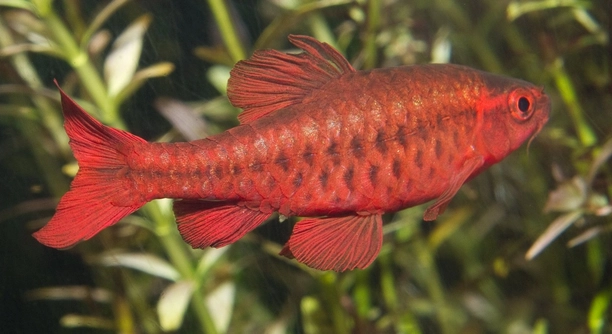
Cherry barbs are popular aquarium fish known for their vibrant colors and active nature. Many fish owners enjoy watching their behavior, especially during breeding seasons. Understanding how they behave during this time can help ensure they thrive in a peaceful tank environment.
Cherry barbs are generally peaceful fish, but during breeding, males may become more territorial and competitive. This behavior can occasionally cause mild aggression, particularly towards other males. However, once breeding is over, they typically return to their calm demeanor.
Managing your aquarium during the breeding period can help create a more harmonious environment. By keeping the tank conditions stable and observing their interactions, you can maintain peace among your fish.
Behavior of Cherry Barbs During Breeding
Cherry barbs can be very active when breeding, with males often showing off more vibrant colors. Their energy can lead to some territorial behavior, especially when competing for the attention of females. While females are generally more peaceful, they might become more involved in the breeding process. The males, during this time, will chase and display to impress them, sometimes showing aggression towards other males.
This increased activity can make the tank feel more chaotic than usual. It’s important to have enough space and hiding spots to ensure everyone remains safe. Adding plants or decorations can help reduce any stress caused by the males’ behavior.
In some cases, males might chase each other aggressively. However, this rarely escalates into serious fighting. It’s more of a way to establish dominance during the breeding season. After the breeding is complete, these aggressive tendencies usually subside. Keeping an eye on their interactions is key to ensuring the peace returns once the breeding process is over.
How to Handle Breeding Behavior
To manage the breeding behavior, providing ample space in the tank is essential. A well-planted aquarium allows fish to retreat when needed, which can help reduce territorial conflicts.
You can also consider separating the males if aggression becomes too intense. This helps keep the environment calm and gives the females a break. It’s also important to monitor water conditions during this time since stress can affect their health. Regular water changes will support a better breeding environment for the cherry barbs.
Impact of Tank Size on Breeding Behavior
The size of the tank plays a significant role in how cherry barbs behave during breeding. In smaller tanks, the limited space can cause stress, especially for males who may become more territorial. Larger tanks offer more room for swimming and hiding, leading to less aggression.
If your tank is on the smaller side, you might see more chasing and territorial displays between males. They’re trying to establish dominance, and the limited space can heighten this behavior. A bigger tank allows the fish to spread out, reducing competition and stress. Additionally, more space encourages the females to feel safer and more comfortable.
When setting up a breeding tank, consider the number of fish. If you have too many, overcrowding can also increase aggression. Ideally, aim for a tank that gives each fish enough personal space to move around freely. This can help maintain peace throughout the breeding process.
Water Quality and Temperature
Water quality and temperature are vital when breeding cherry barbs. They prefer stable, clean water with temperatures ranging from 72°F to 80°F. Any drastic changes can increase stress, which may lead to more aggressive behavior.
In a breeding environment, water parameters need to be closely monitored. Too high or too low of a temperature can disrupt the process. Cherry barbs thrive in slightly acidic to neutral water (pH 6.5–7.5). Keeping the water clean is equally important. Regular water changes will prevent harmful bacteria or algae growth that could impact the fish’s health.
It’s also essential to keep the water temperature steady. Sudden fluctuations can cause confusion, stress, and aggression among the fish. Using a good heater and water testing kit will help maintain optimal conditions. Healthy water will not only keep your cherry barbs calm but will also encourage successful breeding.
Breeding Behavior in Groups
Cherry barbs breed better in small groups rather than individually. Having a mix of males and females allows natural interaction, leading to smoother breeding. In groups, males are less aggressive toward each other, focusing their energy on attracting the females.
A ratio of one male to two or three females is ideal. This ensures that no single female is overwhelmed with attention from the males. If you only have one female, the males may become more competitive, leading to more stress and potential aggression. Providing a balanced group will help maintain peace during the breeding process.
Providing Hiding Spots
Hiding spots are crucial when cherry barbs are breeding. During this time, both males and females may need places to retreat for peace and safety. Providing plants, rocks, or decorations will give them areas to escape to if needed.
It’s essential to ensure these hiding spots are placed strategically. By adding more hiding areas, you give fish a chance to reduce stress and avoid confrontations. Without these spaces, aggression can increase, especially if males feel territorial. Keeping the tank setup simple but with enough cover helps create a calm environment for breeding.
FAQ
Are cherry barbs aggressive during breeding?
Cherry barbs can show some aggression during breeding, especially males. They often become more territorial and may chase each other or the females to show dominance. This behavior is typically short-lived and should subside after the breeding period. If the tank is overcrowded or there aren’t enough hiding spaces, the aggression can increase. However, with the right environment, this aggression tends to remain mild and manageable.
How do I know if my cherry barbs are breeding?
During breeding, male cherry barbs become more colorful, with vibrant red hues appearing along their bodies. They will also begin displaying and chasing after females to get their attention. The females, who are usually more muted in color, may appear slightly rounder as they carry eggs. Once the female selects a mate, she will lay eggs on plants or other surfaces, which the male will fertilize.
Can I separate the males during breeding to reduce aggression?
Yes, separating males during the breeding period can reduce aggression, especially if you have a small tank. However, it’s usually not necessary unless the aggression is severe. If you have multiple males in a larger tank, they’ll typically work things out without causing much harm. Creating separate areas with plenty of hiding spots can help reduce conflicts.
Should I remove the eggs after breeding?
It depends on your setup. In a community tank, you may want to remove the eggs or the parents to prevent them from eating the eggs. However, if you want to leave the eggs in the tank, ensure the water quality is good and that there are enough plants or hiding spaces for the fry. You can also set up a breeding tank to give the eggs a better chance of surviving.
How long does it take for cherry barbs to breed?
The breeding process itself can happen fairly quickly. Once the males start displaying, the female will usually lay eggs within a few hours. After fertilization, the eggs will typically hatch in about 24-48 hours, depending on the water temperature. The fry will begin swimming around the tank after about a week.
Can cherry barbs breed in a community tank?
Yes, cherry barbs can breed in a community tank, but success depends on the other tank mates. Some fish may eat the eggs or fry, so it’s important to choose compatible species. Providing plenty of plants and hiding spots increases the chances of the fry surviving. If you’re serious about breeding, a separate breeding tank can offer the fry a better chance of survival.
Do cherry barbs need special food during breeding?
While cherry barbs don’t require special food for breeding, providing a high-quality diet can encourage successful breeding. Offering a varied diet that includes live or frozen food like brine shrimp and daphnia can help condition the fish for breeding. A well-fed female is more likely to produce healthy eggs, and a healthy male will be more active during courtship.
How can I encourage my cherry barbs to breed?
To encourage breeding, provide optimal water conditions and temperature. Cherry barbs prefer a water temperature between 72°F and 80°F, with a slightly acidic to neutral pH. Make sure the tank is well-planted with plenty of hiding spots and room for the fish to swim. You may also want to increase the light period, simulating a breeding season. Regular water changes and a varied diet will also help condition the fish for breeding.
What should I do with the fry once they hatch?
Once the fry hatch, you’ll need to provide small food like infusoria or finely crushed flakes. The fry are tiny and can’t eat regular fish food until they grow bigger. Keep the tank water clean, and make sure the fry are not being eaten by adult fish. If you are in a community tank, consider moving the fry to a separate grow-out tank to ensure they have a better chance of surviving.
How long do cherry barbs live after breeding?
After breeding, cherry barbs will continue living as usual. Breeding does not shorten their lifespan. On average, cherry barbs live for about 3 to 5 years. After the breeding period, they usually return to their calm, peaceful behavior. Ensuring they remain in good water conditions and fed properly will help extend their lifespan.
Why do male cherry barbs chase the females?
Male cherry barbs chase females during the breeding season as part of their courtship behavior. They will try to impress the female by displaying vibrant colors and following her around. The chasing also helps the male assert dominance over other males, ensuring he is the one that will mate with the female. Once the female is ready to spawn, she will settle in a place to lay her eggs, and the male will fertilize them.
Can cherry barbs breed year-round?
Cherry barbs can breed year-round, but they are more likely to breed during certain seasons. If the water temperature is stable and conditions are right, they may breed any time of year. To encourage breeding outside the usual season, you can mimic seasonal changes in the tank, such as slightly altering the temperature and lighting to stimulate breeding behavior.
Do cherry barbs get stressed when breeding?
Like many fish, cherry barbs can experience stress during breeding. The males can become aggressive toward each other, and females might feel pressured. Providing enough space, plants, and hiding spots can help minimize stress. Keeping the water parameters stable is also crucial for reducing stress and encouraging a healthy breeding environment.
Final Thoughts
Cherry barbs are generally peaceful fish, making them a popular choice for many aquarium enthusiasts. However, during the breeding season, their behavior can change. The males become more active and territorial, often displaying brighter colors to attract females. While this behavior may seem aggressive at first, it’s usually temporary and linked to the breeding process. With proper care and attention to their environment, you can ensure that their breeding period doesn’t lead to long-term stress or conflict.
Managing their breeding behavior involves providing enough space, hiding spots, and maintaining good water quality. The tank size plays a key role in keeping the peace among your fish. If your tank is too small, the males might become more aggressive toward each other, which could stress out the entire group. A larger tank with plenty of plants and decorations will give them the freedom to avoid unnecessary conflicts. Additionally, ensuring the water temperature and quality are right will help maintain a stable environment, reducing stress levels during breeding.
In conclusion, cherry barbs can be a delight to watch, especially during breeding. While their behavior may become more active and competitive, these changes are usually short-lived. With careful management of tank conditions and the right setup, you can keep your cherry barbs healthy and peaceful, allowing them to breed successfully without causing too much disruption. It’s all about creating the right environment for both the fish and their owners to enjoy.

Hello,
If you enjoy the content that we create, please consider saying a "Thank You!" by leaving a tip.
Every little bit helps us continue crafting quality advice that supports the health, happiness, and well-being of pets around the world, for pets of all shapes, sizes, and species.
We really appreciate the kindness and support that you show us!