
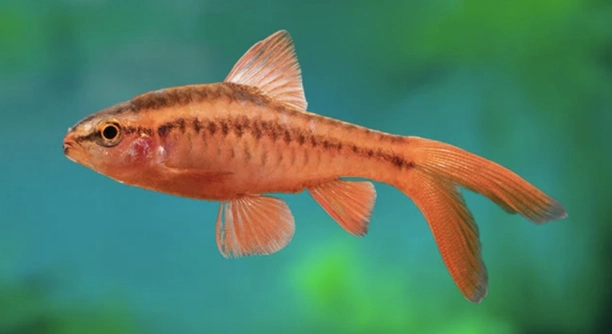
Cherry barbs are popular freshwater fish, known for their peaceful temperament and vibrant red coloration. If you’re looking to keep them in a community tank, it’s important to choose their tank mates carefully. Some species will coexist better than others.
The best tank mates for cherry barbs are peaceful species that won’t compete too aggressively for resources. Fish such as tetras, rasboras, and catfish make excellent companions due to their gentle nature and similar care needs.
Selecting the right tank mates will help create a harmonious environment. The next section will provide a list of fish that will thrive alongside your cherry barbs.
Tetras: A Peaceful Addition to Your Tank
Tetras are one of the most popular and peaceful fish to add to a tank with cherry barbs. They are small, vibrant, and easy to care for, making them an ideal match for these community fish. Tetras, like neon or cardinal tetras, have similar water requirements to cherry barbs, such as a temperature range between 72-80°F and a neutral pH. Their calm nature allows them to blend well with the barbs without causing stress or aggression.
Tetras swim in schools, so it’s a good idea to keep at least six together. They enjoy plenty of space to move around, making them perfect for a well-planted aquarium. Tetras and cherry barbs also feed on similar foods, like flakes and frozen foods.
While tetras are generally peaceful, some species like the larger ones may occasionally nip at fins, especially if they feel crowded. It’s important to choose the right species of tetras, such as neon or glowlight tetras, to ensure the harmony of your tank. Adding tetras to your cherry barb tank creates a visually appealing and peaceful environment that both species will enjoy.
Rasboras: Another Calm Choice
Rasboras, specifically species like the Harlequin Rasbora, make another good choice for tank mates. They share the same temperament as cherry barbs and enjoy similar water conditions.
Rasboras are social fish and should be kept in small schools. Their active and playful behavior, along with their bright colors, will add life to the tank. They are not aggressive and typically avoid conflict, making them easy to pair with cherry barbs. Additionally, rasboras are not picky eaters, so they can thrive on the same diet as the barbs, further simplifying care. The combination of these two species will give your tank a lively yet peaceful atmosphere.
Corydoras Catfish: The Bottom Dwellers
Corydoras catfish are excellent companions for cherry barbs. These peaceful bottom dwellers will not disturb the barbs and will help clean up leftover food. They are hardy and easy to care for, making them a great addition to a community tank.
Corydoras catfish are social and prefer to live in groups of at least three. They will spend most of their time at the bottom of the tank, scavenging for food. Since cherry barbs usually swim in the middle or top layers of the tank, these two species rarely conflict. Corydoras are also excellent at cleaning debris, keeping the tank cleaner for longer periods.
Their small size and calm nature make them a great choice for a tank with cherry barbs. They thrive in similar water conditions, such as a temperature range between 72-78°F, and will peacefully coexist in the same aquarium. Corydoras are also relatively low-maintenance, requiring only regular water changes and a proper diet of sinking pellets or small frozen foods.
Guppies: A Colorful Match
Guppies are another vibrant and peaceful tank mate for cherry barbs. These small fish come in various colors and patterns, adding an extra burst of beauty to your aquarium.
Guppies are hardy, adaptable, and easy to care for. They thrive in similar water conditions as cherry barbs, including a temperature range of 72-78°F. Their calm nature makes them ideal for a peaceful tank, and they will not compete aggressively for food. Guppies are also livebearers, meaning they give birth to free-swimming young, which can add an interesting dynamic to your tank. However, they should be kept in groups to prevent stress and avoid overpopulation.
Zebra Danios: Active and Friendly
Zebra danios are energetic and peaceful fish, making them great tank mates for cherry barbs. Their small size and active nature will not disrupt the barbs, and they share similar care needs.
Zebra danios are hardy and adaptable. They are not territorial, so they won’t compete with the cherry barbs for space or food. Their constant movement adds liveliness to the tank, while their calm behavior ensures no conflict with other species.
Swordtails: A Bold Option
Swordtails are peaceful and colorful fish that can be kept alongside cherry barbs. They thrive in the same water conditions, making them easy to care for in a shared tank.
Swordtails are generally calm, but males can sometimes show aggression toward each other, especially if space is limited. However, their peaceful nature towards other species makes them a suitable companion for cherry barbs. They enjoy a similar diet, consisting of flakes and live food, and are relatively low-maintenance. Their bright colors make them a great visual addition.
FAQ
Can cherry barbs live with other fish?
Yes, cherry barbs can live with a variety of other peaceful fish. They are non-aggressive and typically do well in community tanks. When choosing tank mates, it’s important to look for species with similar water requirements and calm temperaments. Fish like tetras, rasboras, guppies, and corydoras catfish make great companions.
What tank size is best for cherry barbs and their mates?
A tank size of at least 20 gallons is recommended for a small group of cherry barbs and their tank mates. This allows enough space for them to swim and for multiple species to coexist without feeling crowded. A larger tank will provide more room for fish to spread out and help maintain water quality.
Are cherry barbs easy to care for?
Yes, cherry barbs are relatively easy to care for. They are hardy fish that thrive in stable water conditions and require minimal maintenance. Providing them with a balanced diet, regular water changes, and a well-planted tank will ensure they stay healthy and vibrant.
How many cherry barbs should be kept together?
Cherry barbs are social fish and should be kept in groups of at least five to feel secure and comfortable. A small school helps prevent stress and encourages natural behavior, such as swimming in groups. The more barbs you keep, the more likely they are to display their best colors.
Do cherry barbs need a specific type of water?
Cherry barbs prefer slightly acidic to neutral water, with a pH range of 6.5 to 7.5. They also thrive in temperatures between 72-80°F. Regular water changes and maintaining stable water conditions are essential to keep cherry barbs healthy. A good filtration system will help maintain water quality.
Can cherry barbs live with bettas?
It’s not recommended to keep cherry barbs with bettas. While cherry barbs are peaceful, bettas can be aggressive, especially toward other fish with long fins or bright colors. However, if the tank is large enough and has plenty of hiding spots, it may be possible for them to coexist with careful monitoring.
What is the best diet for cherry barbs?
Cherry barbs are omnivores and will thrive on a varied diet. They enjoy high-quality flakes or pellets, along with occasional live or frozen foods like bloodworms, daphnia, or brine shrimp. Offering a mix of plant-based foods, such as spirulina, will also help maintain their health and vibrant color.
Are cherry barbs aggressive?
No, cherry barbs are generally not aggressive. They are peaceful, community fish that typically get along well with other non-aggressive species. However, like all fish, they may exhibit minor territorial behavior if kept in very small tanks or if they feel threatened, but this is rare.
How long do cherry barbs live?
Cherry barbs can live up to 5 years, sometimes even longer with proper care. Providing a stable environment, proper diet, and regular water changes can help ensure they live a long and healthy life. Keeping them in a group and avoiding overcrowding will also reduce stress and increase their lifespan.
Can cherry barbs breed in a community tank?
Yes, cherry barbs can breed in a community tank, although it may be challenging to raise the fry in a mixed species tank. To increase the chances of successful breeding, it’s best to provide plenty of plants and hiding spots for the eggs and fry. The adults may eat the eggs or fry, so be prepared to separate them if necessary.
Do cherry barbs get along with shrimp?
Cherry barbs can live with shrimp, but it’s important to choose shrimp species that are large enough not to be seen as food. Amano shrimp or ghost shrimp are good options as they are often too large for cherry barbs to bother. However, small shrimp or newly molted ones may be at risk of being eaten.
Can cherry barbs live with snails?
Yes, cherry barbs can coexist with snails without issue. Snails are peaceful creatures that will not compete with the cherry barbs for space or food. They also help with tank cleaning by eating algae and leftover food. Snails like mystery snails or Nerite snails are excellent tank mates for cherry barbs.
What decorations are best for a cherry barb tank?
Cherry barbs enjoy well-planted tanks with plenty of hiding spaces. Adding plants like Java ferns, Anubias, or moss will provide shelter for them and create a more natural environment. Rocks and driftwood can also be used to create hiding spots and enhance the tank’s visual appeal.
Are cherry barbs schooling fish?
Yes, cherry barbs are schooling fish. They feel more secure and comfortable when kept in groups. A small school of at least five cherry barbs will encourage natural social behavior and help display their brightest colors. Keeping them in a group also reduces stress and promotes overall health.
Can cherry barbs tolerate different water conditions?
Cherry barbs are adaptable to a range of water conditions, but they thrive in stable environments. They do best in slightly acidic to neutral water, with a pH range of 6.5 to 7.5, and temperatures between 72-80°F. Drastic changes in water quality or temperature can cause stress, so it’s important to maintain consistency.
How can I tell if my cherry barbs are healthy?
Healthy cherry barbs are active, have vibrant colors, and display natural behavior such as swimming in groups. Their fins should be intact and not show signs of damage, and they should eat regularly. If you notice lethargy, faded colors, or abnormal swimming behavior, it may indicate a health issue that requires attention.
Final Thoughts
Choosing the right tank mates for your cherry barbs is crucial for creating a peaceful and thriving aquarium. Cherry barbs are peaceful, social fish that do well with other calm species that have similar water requirements. Tetras, rasboras, corydoras catfish, and guppies are just a few examples of fish that will complement cherry barbs and help create a harmonious community. When selecting tank mates, it’s important to consider factors like size, temperament, and water conditions to ensure everyone thrives together.
Maintaining a balanced and stable environment is key to keeping your cherry barbs and their companions healthy. A well-planted tank with plenty of swimming space and hiding spots will help reduce stress and encourage natural behaviors. Regular water changes, proper filtration, and a varied diet are also essential for ensuring the long-term health of your fish. By providing the right environment, you can enjoy the beauty and peaceful nature of your cherry barbs and their tank mates for years to come.
In summary, cherry barbs are easygoing fish that can live peacefully with a variety of other species. By carefully selecting compatible tank mates and maintaining stable water conditions, you’ll be able to create a vibrant and thriving aquarium. Whether you choose tetras, rasboras, or other peaceful fish, cherry barbs can coexist with many species, bringing color and life to your tank. Just be sure to monitor the behavior of all your fish to prevent any conflicts and ensure they remain healthy and happy.

Hello,
If you enjoy the content that we create, please consider saying a "Thank You!" by leaving a tip.
Every little bit helps us continue crafting quality advice that supports the health, happiness, and well-being of pets around the world, for pets of all shapes, sizes, and species.
We really appreciate the kindness and support that you show us!