
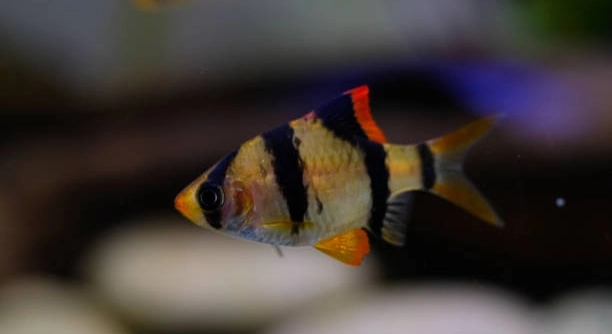
Tiger barbs are a popular choice for freshwater tanks due to their lively behavior and striking colors. Many hobbyists enjoy keeping them, but setting up the right environment can be tricky. Mistakes often happen, affecting both the fish and the tank’s balance.
Common tank setup failures include incorrect water parameters, overcrowding, lack of hiding spots, and unsuitable tank mates. These errors can cause stress, illness, and even death in tiger barbs, highlighting the importance of proper care and tank management from the start.
Knowing what to avoid will help you create a healthier and more stable home for your tiger barbs. This article will guide you through the most frequent setup problems and how to prevent them.
Incorrect Water Parameters
Maintaining the right water conditions is essential for tiger barbs. These fish prefer slightly acidic to neutral pH levels, around 6.0 to 7.5, and temperatures between 74°F and 79°F. When the water is too hard, too soft, or has extreme pH values, tiger barbs can become stressed and susceptible to diseases. Ammonia and nitrite levels must be kept at zero, as even small amounts can harm your fish. Regular testing and water changes help keep these parameters stable. Avoid sudden changes in water chemistry, as this can shock the fish and affect their health. Using a reliable water conditioner and proper filtration supports a safe environment. Many tank issues come from neglecting these factors, so consistent monitoring is key.
Poor water conditions often lead to stressed and unhealthy tiger barbs.
Testing water regularly and maintaining stable parameters will improve the health and longevity of your fish significantly.
Overcrowding the Tank
Tiger barbs are active swimmers and need enough space to move freely. Overcrowding leads to increased aggression and stress. A common recommendation is to have at least 10 gallons of water for every 6 tiger barbs. Keeping fewer fish than the tank can handle causes territorial fights and fin nipping. These fish do best in groups of six or more to spread out aggression evenly. Overcrowding also results in poor water quality due to waste buildup, which can quickly deteriorate the environment. Ensuring your tank size matches the number of fish will reduce conflicts and promote a peaceful community. Providing hiding spots and plants can help lessen tension, but space is the most important factor. Proper stocking prevents many behavioral and health problems before they start.
Lack of Hiding Spots
Tiger barbs need places to hide to feel secure. Without enough cover, they can become stressed and aggressive.
Adding live or artificial plants, caves, and decorations gives tiger barbs a chance to retreat. These hiding spots reduce stress and help break up lines of sight, lowering aggression. A well-planted tank with varied hiding places mimics their natural environment and improves their overall health. Lack of shelter can lead to constant chasing and fin damage. Even simple decorations can make a big difference in creating a peaceful atmosphere for the fish.
Providing enough hiding spots improves their comfort and reduces aggressive behavior, making the tank more enjoyable for everyone.
Incompatible Tank Mates
Tiger barbs are semi-aggressive and can nip fins, so tank mates must be chosen carefully. Avoid slow-moving or long-finned fish that can become targets.
Ideal tank mates include other fast, robust fish that can handle their energy and occasional nipping. Species like danios, rasboras, and some barbs work well. Introducing too peaceful or delicate fish often leads to stress or injury. Also, avoid keeping tiger barbs alone; their behavior can worsen without a proper group dynamic. Understanding the social nature of tiger barbs and choosing companions that match their temperament ensures a balanced and healthy tank. Mixing incompatible fish leads to constant fights and stress for all.
Poor Diet Choices
Tiger barbs need a balanced diet to stay healthy and colorful. Feeding only flakes or pellets can lead to nutritional gaps.
Including live or frozen foods like bloodworms and brine shrimp boosts their diet. Variety supports their immune system and natural behavior.
Insufficient Filtration
Good filtration is critical for maintaining water quality. Tiger barbs produce waste that can quickly pollute the tank.
A filter rated for your tank size ensures proper water circulation and removes harmful toxins. Regular cleaning and maintenance keep the system effective, preventing spikes in ammonia and nitrites. Poor filtration leads to stress and disease.
Ignoring Tank Maintenance
Skipping regular water changes and tank cleaning harms tiger barbs. Waste buildup causes unhealthy living conditions.
Frequent partial water changes and substrate cleaning prevent toxins from accumulating. Proper maintenance is essential to keep your fish thriving.
Neglecting Behavior Signs
Tiger barbs often show signs when stressed or sick. Ignoring changes in behavior can delay treatment.
Watching your fish closely helps catch problems early, improving chances of recovery.
How many tiger barbs should I keep together?
Tiger barbs are schooling fish and do best in groups of six or more. Keeping fewer than six can lead to increased aggression and stress, as the fish may target each other more often. A group helps spread out any chasing and creates a more balanced social dynamic. For a standard 20-gallon tank, six to eight tiger barbs is a good number to maintain peace and allow natural behavior.
What water parameters are ideal for tiger barbs?
Tiger barbs prefer a pH between 6.0 and 7.5, with water hardness ranging from 5 to 19 dGH. Temperatures should stay between 74°F and 79°F. Ammonia and nitrite levels must be zero, as these compounds are toxic to fish. Regular testing with aquarium kits helps keep the water stable. Sudden changes should be avoided to prevent stress.
Can tiger barbs live with other fish species?
Yes, but only with certain types. Tiger barbs are semi-aggressive and may nip fins, so choose fast and robust tank mates like danios, rasboras, or other barbs. Avoid slow or long-finned fish such as bettas or angelfish, which can be bullied. Matching temperaments and tank size is essential to maintain harmony.
What do tiger barbs eat?
They eat a varied diet of flakes, pellets, frozen, and live foods. High-quality flake or pellet food can form the base, but adding live or frozen options like bloodworms, brine shrimp, or daphnia boosts nutrition and simulates natural feeding. A varied diet supports their health and bright coloration.
How often should I clean the tank?
Regular maintenance is necessary. Perform partial water changes of about 20-30% weekly to keep waste and toxins low. Clean the substrate and decorations to prevent buildup of harmful substances. Filters need routine checks and cleaning but avoid full filter cleanings that remove beneficial bacteria. Keeping a consistent schedule improves water quality and fish health.
Why do tiger barbs nip each other’s fins?
Fin nipping often occurs from overcrowding or stress. When there isn’t enough space or hiding spots, aggressive behavior increases. Keeping a sufficient group size and providing plenty of plants or decorations helps reduce nipping. Incompatible tank mates or poor water quality can also cause this behavior.
How big do tiger barbs grow?
Tiger barbs typically grow up to 2.5 to 3 inches long. They reach full size within their first year. Proper diet and tank conditions contribute to healthy growth. Overcrowding or poor water quality can stunt their development.
Can tiger barbs jump out of the tank?
Yes, tiger barbs are known to be active swimmers and may jump, especially if startled or stressed. A tight-fitting lid is important to prevent escapes and protect them from outside dangers.
What diseases are common in tiger barbs?
They are susceptible to common freshwater fish diseases like ich, fin rot, and bacterial infections, often caused by poor water conditions or stress. Maintaining clean water and a balanced diet reduces risk. Quarantining new fish before introducing them to the tank helps prevent outbreaks.
Is it necessary to have plants in a tiger barb tank?
While not absolutely required, plants provide hiding spots and improve water quality by absorbing nitrates. They also create a natural environment that reduces stress and aggression. Live plants are preferable, but artificial ones can also offer shelter.
How long do tiger barbs live?
With proper care, tiger barbs can live between 5 and 7 years. Stable water conditions, good diet, and low stress are key factors in their lifespan.
What is the best tank size for tiger barbs?
A minimum 20-gallon tank is recommended for a small group of six tiger barbs. Larger tanks are better to provide more swimming space and reduce aggression. Bigger tanks also help maintain stable water conditions more easily.
Can tiger barbs live alone?
No, they are social fish and need to be kept in groups. Alone, tiger barbs become stressed and may develop aggressive or nervous behavior. Groups help them display natural schooling instincts and reduce stress.
How often should I feed tiger barbs?
Feeding twice a day is sufficient. Give only what they can eat in a few minutes to avoid overfeeding and water pollution. A balanced mix of flakes, pellets, and live or frozen foods keeps them healthy and active.
What should I do if my tiger barbs fight too much?
Check if the tank is overcrowded or if hiding spots are missing. Increasing space or adding decorations can reduce aggression. Also, ensure compatible tank mates and maintain good water quality. Sometimes adding more tiger barbs helps spread aggression evenly.
This FAQ covers the most common concerns about tiger barb care, helping you maintain a healthy and peaceful tank environment.
When keeping tiger barbs, paying attention to tank setup is very important. These fish are active and social, but they also need specific conditions to stay healthy and happy. Many common problems arise because of simple mistakes like poor water quality, overcrowding, or not providing enough hiding places. Taking care of these basics can make a big difference in how well your tiger barbs do. It’s important to remember that even small changes in the tank can affect the fish’s health and behavior.
A good tank setup means balancing several factors. Water parameters such as temperature, pH, and hardness must be kept within the right range for tiger barbs. Regular testing and water changes are necessary to avoid harmful build-up of waste and toxins. Overcrowding should be avoided by choosing the right tank size and number of fish. Also, providing hiding spots like plants and decorations helps reduce stress and aggression. The right combination of these elements creates a more natural and comfortable environment for the fish to thrive.
Finally, understanding the nature of tiger barbs helps in managing their behavior. They are semi-aggressive fish that do best in groups, which helps spread out their energy and reduces fighting. Selecting suitable tank mates and offering a varied diet also contribute to their wellbeing. Keeping a close eye on their health and behavior allows you to spot problems early and take action. By focusing on these key points, you can create a tank where tiger barbs live longer, stay healthier, and show their best colors.

Hello,
If you enjoy the content that we create, please consider saying a "Thank You!" by leaving a tip.
Every little bit helps us continue crafting quality advice that supports the health, happiness, and well-being of pets around the world, for pets of all shapes, sizes, and species.
We really appreciate the kindness and support that you show us!