
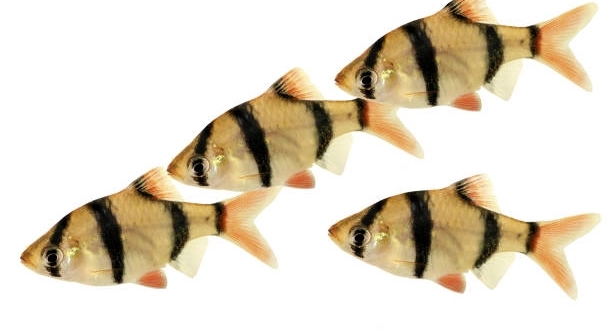
Are your Tiger Barbs constantly chasing other fish and stirring up trouble in your aquarium, making it hard to keep peace?
The most effective way to calm an aggressive Tiger Barb is by keeping them in a proper group of six or more. This schooling behavior reduces stress and helps balance their natural territorial instincts within the tank.
Creating a more peaceful environment starts with the right tank setup, balanced social dynamics, and a little patience.
Why Tiger Barbs Get Aggressive
Tiger Barbs can be aggressive when they’re kept in small groups or feel stressed in their environment. These fish are naturally active and social, but their behavior can quickly shift when their needs aren’t being met. A group of fewer than six can cause them to lash out at other tank mates or even each other. Tank size matters too. If their space is too cramped, it can lead to more chasing, nipping, and tension. Another factor is boredom. Without enough stimulation, they may redirect their energy in the wrong way. Poor water conditions can also increase aggression, especially if the fish feel unwell or irritated. Keeping their surroundings consistent and safe plays a big role in calming them down. When these needs are not balanced, Tiger Barbs can become difficult to manage, which is why it’s important to understand what triggers them.
Aggression often starts with small behaviors like fin nipping or chasing, then gradually increases over time.
Providing enough space, clean water, and a balanced group helps reduce stress and create a more peaceful tank. Small changes in setup and care can shift their mood noticeably. You don’t have to change everything at once—just focus on the basics.
How to Calm Them
Start by keeping at least six Tiger Barbs together. This spreads out aggression and keeps their energy balanced.
A tank of 20 to 30 gallons gives them the room they need to swim freely and establish a natural group structure. Choose decorations that break up sightlines to reduce tension between fish. Plants, driftwood, and rocks work well. Make sure the water is clean and the temperature stays between 74–79°F. Feeding a varied diet, including quality flakes and occasional frozen food, can improve their behavior too. Limit tank mates to similarly active fish that won’t be intimidated. Avoid slow swimmers or long-finned species like Bettas or Angelfish. Monitor their behavior daily. If one fish becomes unusually aggressive, you may need to separate it temporarily. Over time, a balanced environment will make them more relaxed and easier to care for. Patience is key—sometimes it takes a few adjustments before things calm down. Watching them become less aggressive can be very rewarding.
Other Tips That Help
Adding floating plants can make Tiger Barbs feel more secure. These plants reduce open space, helping lower tension in the tank. Dim lighting also helps calm their activity, especially if they tend to be hyper or aggressive during bright hours.
Tank layout matters more than most people think. Creating different zones with plants, rocks, and driftwood gives Tiger Barbs places to hide or claim as territory. This reduces the chances of constant chasing. Try to avoid overstocking the tank—too many fish in a small space increases stress and triggers aggressive behavior. Check your filtration, too. A strong filter that keeps the water clean without making the current too rough helps keep them relaxed. It’s a balance of space, cover, and stability. You’ll likely notice improvements within a week or two when changes are made thoughtfully. Keep observing their behavior and adjust your setup if needed.
Water changes should be regular—about 25% weekly. This keeps the tank clean and helps your fish feel better overall. Avoid sudden shifts in temperature or pH, as Tiger Barbs can be sensitive to rapid changes. Slow, steady care often makes the biggest difference. Adding new decorations every few weeks can also help keep them stimulated and less focused on picking fights.
Common Mistakes to Avoid
Keeping fewer than six Tiger Barbs often makes aggression worse. Small groups confuse their social structure and lead to more bullying. Mixing them with long-finned, slow-moving fish can also cause stress and injuries.
Avoid using tanks that are too small or overcrowded. Tiger Barbs need room to swim quickly and naturally. A cramped tank only adds to their stress and short tempers. Skipping regular water tests is another mistake—ammonia or nitrite spikes may not be visible, but they do affect behavior. Feeding them only one type of food can leave them bored or lacking nutrients. Variety in their diet helps keep them occupied and healthy. Also, avoid placing their tank in loud or high-traffic areas. Constant disturbance can raise their stress levels. Being mindful of these things helps prevent aggression before it starts. When their environment feels balanced, their behavior tends to follow.
Signs Your Tiger Barb Is Calming Down
They start schooling more calmly and spend less time chasing others. You may also notice them swimming in wider areas of the tank instead of staying near corners or decorations. These changes usually mean they feel more secure.
Their colors may become brighter, and they eat more consistently. Resting peacefully at times during the day is another good sign. Less fin nipping and more synchronized movement in their group show they’re adjusting well to the environment.
What to Do If Nothing Works
If your Tiger Barb stays aggressive despite changes, consider separating the fish for a few days. This can sometimes break the behavior cycle. You can also try rearranging the tank decorations to reset territories. Double-check your water parameters and group size. Stress from overcrowding or poor water quality may be the hidden issue. If the behavior continues, it may just be the fish’s personality. Some Tiger Barbs are naturally more dominant. In those cases, rehoming the aggressive one may be the best option. It’s not ideal, but it can restore peace for the rest of your tank.
Final Thought
A calmer Tiger Barb often comes down to group size, space, and water quality. Small changes can make a big difference.
FAQ
How many Tiger Barbs should I keep together?
The best number is six or more. Keeping a small group helps spread out aggressive behavior and creates a stable social structure. When they’re kept in groups of fewer than six, they often become more aggressive toward other fish and even each other. Larger groups allow them to school properly and feel secure, which helps calm them down. Always aim to give them enough space in the tank so they don’t feel cramped. A 20- to 30-gallon tank is usually a good place to start for a small group.
Can Tiger Barbs live with other fish?
Yes, but you have to choose carefully. Tiger Barbs do well with other active, semi-aggressive fish that can hold their own. Avoid slow or long-finned fish like Angelfish, Guppies, or Bettas, as Tiger Barbs tend to nip at their fins. Good tank mates include Zebra Danios, Rosy Barbs, or even other types of Barbs. Make sure the tank is large enough to reduce tension, and always monitor how the fish interact during the first few days. If things go wrong, be ready to separate them quickly.
What tank size is best for Tiger Barbs?
A minimum of 20 gallons is recommended, but 30 gallons is better, especially if you want to keep more fish. Tiger Barbs are active swimmers and need room to dart around. A cramped tank can lead to stress and aggression. The more space they have, the easier it is for them to establish their social pecking order without constant chasing. A bigger tank also helps maintain more stable water parameters, which is important for their health and behavior.
Why are my Tiger Barbs chasing each other so much?
Chasing is normal to some extent—it’s how they interact. But if the chasing is constant or seems aggressive, it usually means something’s off. They might be in too small of a group, or the tank could be too crowded or bare. Rearranging the tank decorations, adding more plants, or increasing the group size can help reduce this behavior. Sometimes, one fish might just be naturally more dominant. Keeping a close eye on their patterns helps you figure out what needs to change.
Do Tiger Barbs get bored?
Yes, they can. Boredom in fish often leads to increased aggression or strange behavior. Try adding new decorations, rotating tank plants, or even switching up their food now and then. Giving them things to explore helps keep them busy. You don’t have to make big changes—just small updates every week or two can make a difference.
What’s the best diet for keeping them calm?
A mix of high-quality flakes, pellets, and occasional frozen or live food works well. A varied diet keeps them healthy and less stressed. Feeding them only one type of food can lead to boredom or nutritional gaps. Offer food in small amounts two to three times a day. Watch to see if they eat it all within a few minutes. If food is left floating around, cut back a little next time. Overfeeding can also stress the fish and make the water dirty.
How often should I change the water in the tank?
Change about 25% of the water once a week. Clean, fresh water reduces stress and helps prevent illness. Make sure to treat tap water with a water conditioner before adding it to the tank. Avoid large water changes unless there’s a serious problem, as sudden shifts can upset your fish.
Is it normal for Tiger Barbs to fight during feeding time?
Yes, this can happen, especially if they’re very hungry or the food is too limited. Spread the food out across the tank so everyone gets a chance to eat. You can also try using sinking food or multiple feeding spots to lower competition. Once they’re used to a routine, feeding tends to go more smoothly.
Should I separate a really aggressive Tiger Barb?
If one fish is constantly bullying others, it might need to be separated. Sometimes, even in a proper group, one fish becomes too dominant. Moving it to a breeder box or temporary tank for a few days can reset its behavior. If aggression returns, rehoming may be the best option for the rest of your tank.
Do Tiger Barbs calm down with age?
They often do. Young Tiger Barbs are usually more active and nippy. As they grow and settle into a routine, their behavior tends to become more predictable. A stable group, clean water, and enough stimulation help them stay balanced as they age.
Final Thoughts
Tiger Barbs can be aggressive, but most of the time, their behavior is something you can manage with a few changes. Keeping them in groups of six or more makes a big difference. This helps spread out their energy and keeps them from picking on just one or two fish. A bigger tank also helps. It gives them room to swim around and reduces the stress that comes from being too crowded. If they have enough space and a good group size, they’re less likely to act out. Small things like adding plants or decorations to block their line of sight can also calm them down. These changes make the tank feel safer and give each fish its own space to retreat when needed.
It’s also important to watch how they interact. Some chasing is normal, but constant nipping or fighting is a sign something needs to change. Feeding them the right amount and giving them a mix of foods helps them stay busy and healthy. When they’re well-fed and active in a good way, they are less likely to be aggressive. Changing part of the tank water every week and keeping the temperature and pH steady helps their overall mood, too. Fish can get stressed just like any other animal, and they show it by being more aggressive or hiding. Regular care and attention can prevent most of those issues. If one fish stays aggressive even after you make changes, you may need to separate it or rehome it to protect the others.
Tiger Barbs aren’t the easiest fish to keep, but they’re not the hardest either. They just need the right conditions to stay balanced. Once you learn what makes them feel safe and comfortable, they usually settle down. Watching them school peacefully and interact with each other in a healthy way can be very rewarding. Like many aquarium fish, their behavior is a reflection of their environment. The better their setup, the better they’ll act. It may take some trial and error, but with time and effort, most people can create a peaceful tank where Tiger Barbs and other fish live together without problems. Small adjustments can make a big difference, and over time, these changes can lead to a calmer and healthier aquarium overall.

Hello,
If you enjoy the content that we create, please consider saying a "Thank You!" by leaving a tip.
Every little bit helps us continue crafting quality advice that supports the health, happiness, and well-being of pets around the world, for pets of all shapes, sizes, and species.
We really appreciate the kindness and support that you show us!