
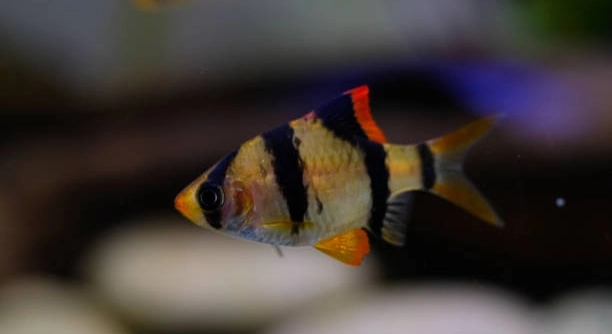
Many fish owners notice their tiger barbs rubbing against rocks in their aquariums. This behavior can seem unusual or concerning at first. Understanding why it happens can help maintain your fish’s health and comfort.
Tiger barbs rub on rocks primarily to relieve irritation caused by parasites, skin infections, or poor water conditions. This behavior, known as “flashing,” helps the fish reduce discomfort and may indicate underlying health or environmental issues.
Recognizing the reasons behind this behavior is important for keeping your tiger barbs healthy and happy in their tank.
Common Causes of Tiger Barb Rubbing
Tiger barbs often rub against rocks when they experience irritation on their skin. One common reason is the presence of external parasites, such as ich or flukes, which cause discomfort. Another factor is poor water quality. High levels of ammonia, nitrites, or nitrates can stress the fish and damage their protective slime coat, leading to itching and rubbing behavior. Injuries or minor abrasions from tank decorations or aggressive tank mates can also cause them to rub. Additionally, fungal or bacterial infections can make their skin sensitive, prompting them to scrape against surfaces. Regular monitoring of water parameters and observing the fish closely for other signs of illness can help identify these issues early. Ensuring the tank is clean and well-maintained reduces the chances of infections and irritants. A balanced diet also supports the immune system, making fish less vulnerable to skin problems.
Maintaining good tank conditions and health care reduces the need for your fish to rub on rocks.
When tiger barbs rub on rocks, it often signals a problem in their environment or health. Treating water quality issues by performing regular water changes and testing parameters can prevent irritation. If parasites or infections are suspected, quarantine and proper medication are important. Using smooth tank decorations reduces injury risk. It’s also helpful to keep the tank stable, avoiding sudden changes in temperature or chemistry. Observing your fish daily helps catch issues before they worsen. By addressing these factors, you improve their comfort and overall well-being, minimizing the rubbing behavior.
How to Help Your Tiger Barb
Improving water quality is the first step in helping your tiger barb stop rubbing against rocks. Regular water changes and using a reliable filtration system keep harmful chemicals low.
Besides water care, adding aquarium salt can reduce stress and aid healing, but only in recommended amounts. Feeding a nutritious diet strengthens your fish’s immune system, making it easier for them to fight infections. Avoid overcrowding, as stress from too many fish increases susceptibility to illness. If rubbing continues, consider consulting a veterinarian or aquatic specialist for accurate diagnosis and treatment. Sometimes, targeted medication is necessary to clear parasites or infections. Creating a calm and clean environment helps your tiger barb feel safe and healthy, which reduces rubbing and promotes natural behavior. Patience and consistent care are key to seeing improvement.
Signs to Watch For
If your tiger barb is rubbing on rocks, look for other signs like clamped fins, loss of appetite, or visible spots. These signs can help identify if the issue is health-related.
Behavior changes, such as hiding or sluggish swimming, often accompany skin irritation. White spots or redness on the body may indicate parasites or infections. Also, watch for excessive scratching, which can lead to skin damage. These signs help pinpoint the cause and guide treatment decisions.
Early detection is important. If you notice these symptoms along with rubbing, act quickly to test water quality and consider treatment. Ignoring the signs can lead to worsened health or even death. Regular observation makes a big difference in your fish’s well-being.
Preventing Skin Irritation
Keeping your aquarium clean and stable is key to preventing rubbing caused by skin irritation. Frequent water tests and regular partial water changes maintain safe water conditions.
Avoid overcrowding by limiting the number of fish in the tank, which reduces stress and competition. Use smooth decorations to prevent injury and choose tank mates carefully to avoid aggression. Providing a varied diet with quality flakes or pellets supports skin health. Finally, quarantining new fish before adding them to the main tank helps prevent disease introduction. Taking these steps creates a healthier environment and reduces rubbing behaviors caused by irritation.
Parasite Infestations
Parasites like ich and flukes cause intense itching, making tiger barbs rub against rocks to relieve discomfort. These infestations can spread quickly if left untreated.
Early treatment is crucial to stop parasites from damaging your fish’s skin and causing stress.
Water Quality Issues
Poor water quality is a common reason for rubbing behavior. Ammonia, nitrite, or nitrate spikes irritate the skin and weaken the immune system. Regular testing and maintenance keep these chemicals at safe levels. Stable water conditions are essential for preventing skin problems and promoting overall health.
Injuries from Tank Environment
Rough or sharp decorations can cause abrasions, prompting your tiger barb to rub against surfaces. Smooth and rounded decorations reduce this risk and keep your fish safe.
Stress Factors
Stress from overcrowding or aggressive tank mates increases rubbing behavior by weakening the immune response and causing discomfort.
Why is my tiger barb rubbing against rocks constantly?
Constant rubbing usually signals discomfort caused by skin irritation. This can be due to parasites, poor water quality, or minor injuries. Parasites like ich cause itching, making fish scrape themselves to relieve irritation. Water with high ammonia or nitrite levels can also damage the fish’s protective slime coat, leading to frequent rubbing. Injuries from sharp tank decorations or aggressive tank mates may cause the fish to rub against surfaces to soothe wounds. Monitoring water parameters and observing your fish’s behavior can help identify the underlying cause.
How can I tell if my tiger barb has parasites?
Parasites often cause visible signs like white spots, redness, or inflamed patches on the fish’s skin. You may also notice clamped fins, lethargy, and loss of appetite. The fish may scratch itself against rocks or other surfaces frequently. If you see any of these symptoms, it’s important to act quickly. Testing the water and isolating the affected fish for treatment can prevent the parasite from spreading to others. Quarantine tanks and appropriate medication are often needed to clear infestations.
What water parameters should I maintain to keep my tiger barb healthy?
Tiger barbs thrive in water with a temperature between 74 and 79°F (23-26°C), a pH of 6.5 to 7.5, and low ammonia, nitrite, and nitrate levels. Ammonia and nitrites should always be zero, and nitrates should be kept below 20 ppm. Regular water testing helps ensure these levels stay safe. Frequent partial water changes and proper filtration are necessary to maintain stable water quality, which reduces stress and prevents skin irritation.
Can tank decorations cause my fish to rub on rocks?
Yes, rough or sharp decorations can cause abrasions or cuts on your fish’s skin. These injuries make your tiger barb rub against surfaces to try to relieve discomfort. Using smooth, rounded decorations minimizes the risk of injury. Always check new tank décor for sharp edges and avoid overcrowding the tank with decorations that could harm your fish.
How can I reduce stress for my tiger barb?
Stress weakens your fish’s immune system and can lead to rubbing behavior. Avoid overcrowding by limiting tank population according to size recommendations. Choose compatible tank mates to reduce aggression and competition. Maintain stable water conditions without sudden changes in temperature or chemistry. Providing hiding spots and a calm environment helps reduce stress and promotes healthier behavior.
What diet supports my tiger barb’s skin health?
A balanced diet rich in vitamins and nutrients supports your fish’s immune system and skin health. High-quality flakes or pellets designed for tropical fish are a good base. Adding occasional live or frozen foods, like bloodworms or brine shrimp, provides variety and extra nutrients. Avoid overfeeding, as excess food can pollute the tank and reduce water quality, which harms skin health.
When should I seek professional help for my fish?
If your tiger barb continues rubbing despite improving water quality and removing irritants, it may require medical treatment. Persistent skin damage, visible parasites, or other signs of illness should be evaluated by an aquatic veterinarian or experienced fish specialist. Professional advice helps ensure proper diagnosis and treatment, which can save your fish’s life. Don’t hesitate to get help if you’re unsure about your fish’s condition.
Is rubbing behavior always a sign of illness?
Not always. Sometimes fish rub to remove algae or dead skin or as part of natural behavior. However, frequent rubbing combined with other symptoms like color changes or lethargy usually indicates a problem. Observing your fish’s overall health and environment helps determine whether rubbing is normal or a warning sign.
How long does it take for a tiger barb to recover from skin irritation?
Recovery time depends on the cause and treatment. Minor irritation from water quality issues may improve within a few days after correcting the problem. Parasite or bacterial infections usually take one to two weeks of treatment. Injuries heal over several weeks if the tank environment remains safe and clean. Consistent care and monitoring are essential for full recovery.
Can I prevent rubbing by keeping a quarantine tank?
Yes. Quarantining new fish before adding them to your main tank helps prevent the introduction of parasites and diseases. This step reduces the risk of skin problems that cause rubbing. A quarantine tank also allows you to observe and treat new fish if needed before mixing them with others. It’s a simple and effective way to protect your tiger barbs from health issues.
Tiger barbs rubbing on rocks is usually a sign that something in their environment or health needs attention. This behavior often points to irritation caused by parasites, poor water quality, or minor injuries. While occasional rubbing can be normal, frequent or intense rubbing suggests the fish is uncomfortable. Paying attention to other signs like changes in color, appetite, or swimming habits can help identify if there is a bigger problem. Regularly checking the tank’s water quality and observing your fish closely are important steps in keeping them healthy.
Maintaining a clean and stable aquarium environment is key to preventing rubbing caused by irritation. This means doing regular water changes, testing water parameters, and using proper filtration. Avoiding overcrowding and selecting compatible tank mates reduces stress, which can also affect skin health. Smooth decorations that do not harm the fish’s skin help prevent injuries. Feeding your tiger barbs a balanced diet supports their immune system, helping them resist infections and recover faster. Small changes in care can make a big difference in reducing rubbing behavior.
If rubbing continues despite good care, it may be necessary to seek advice from a professional or use treatments for parasites or infections. Early detection and action improve the chances of full recovery. Being patient and consistent with care will help your tiger barbs feel more comfortable and thrive in their aquarium. Understanding the causes of rubbing and responding properly ensures your fish stay healthy and enjoy a good quality of life.

Hello,
If you enjoy the content that we create, please consider saying a "Thank You!" by leaving a tip.
Every little bit helps us continue crafting quality advice that supports the health, happiness, and well-being of pets around the world, for pets of all shapes, sizes, and species.
We really appreciate the kindness and support that you show us!