
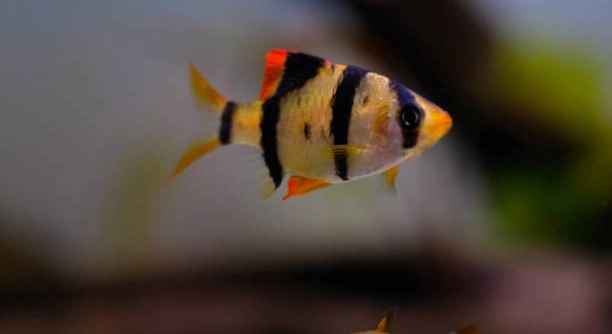
Have you ever found yourself unsure about how to keep your tiger barbs healthy and active in their tank environment? Understanding water quality plays a big role in making sure your fish stay happy and well.
Monitoring tiger barb tank chemistry requires regular testing of pH, ammonia, nitrite, and nitrate levels. Maintaining stable conditions through water changes and filtration helps ensure a healthy environment for these active freshwater fish.
Learning how to check and balance water parameters can prevent many common issues and keep your tank in good shape over time.
Why Tank Chemistry Matters for Tiger Barbs
Tiger barbs are active fish that thrive in clean, well-balanced water. When tank chemistry is off, it can lead to stress, illness, or even death. These fish need specific water parameters to stay healthy: a pH between 6.0 and 7.5, temperatures around 74–79°F, and low ammonia and nitrite levels. Even small changes can impact their behavior or appetite. Poor water quality weakens their immune system, making them more prone to disease. That’s why staying on top of your tank’s chemistry is important. It’s not only about keeping the water clear — it’s about keeping your fish alive and well. Regular maintenance, testing, and small adjustments can go a long way in supporting your tiger barbs’ health and activity levels. A well-maintained tank helps reduce aggressive behavior and promotes a calm, balanced environment for all your fish. It might take a little effort, but it’s worth it.
Water quality issues don’t always show up right away. By the time your fish act differently, the damage might already be done.
Keeping a small notebook or using an app to log test results can help you track changes over time. This makes it easier to spot patterns and catch problems before they get serious. If you see rising nitrate levels or a drop in pH, you can take action early. Stable water conditions support strong immune systems and make it easier for tiger barbs to grow, swim, and interact. They’re known for being energetic and sometimes nippy, and poor water can make these behaviors worse. Clean, balanced water keeps their colors bright and their movements sharp. It also supports tank mates by keeping the shared space safe for everyone. Try setting a weekly reminder for testing day, and make it part of your routine. The more consistent you are, the more confident you’ll feel about managing your tank.
Tools You Need to Test the Water
You don’t need expensive tools to monitor your tank. A basic test kit and thermometer are enough to get started.
A liquid test kit is one of the best options for measuring your tank’s chemistry accurately. These kits usually test pH, ammonia, nitrite, and nitrate. They come with color charts and dropper bottles that are easy to use. You’ll also need a reliable thermometer to keep an eye on water temperature. Digital thermometers give fast and accurate readings, but stick-on strips can also work for quick checks. Having a gravel vacuum and water conditioner on hand helps with regular cleaning and safe water changes. If you’re often busy, automatic feeders and timers for lighting can reduce daily tasks and help stabilize the environment. Using these tools regularly means fewer surprises and healthier tiger barbs. Once you get into the habit, testing becomes a simple part of your weekly routine. Keeping a clean, stable tank is more about consistency than complexity.
How Often to Test Your Tank
Testing your tiger barb tank once a week is a good routine. This helps catch small changes in water chemistry before they cause problems. Always test after water changes or if your fish start acting differently.
Weekly tests let you monitor trends like rising nitrate levels or sudden pH drops. If you’re cycling a new tank, you’ll need to test more often—every 2 to 3 days—until things stabilize. During this phase, ammonia and nitrite levels can spike quickly, and catching these early can protect your fish. After your tank is established, weekly testing is enough to keep things balanced. If you add new fish, increase feedings, or notice cloudy water, test again. These changes can affect water quality fast. Keeping track of your test results can help you notice small shifts and take action early. A stable environment keeps tiger barbs more active, colorful, and stress-free.
Don’t forget to test the water right before and after a water change. This helps you measure the effect of your maintenance routine. If parameters are off, you may need to adjust how much water you replace or how often you clean the tank. Overfeeding and skipping water changes are two of the most common reasons for unstable water. When waste builds up, ammonia and nitrates increase, which can lead to cloudy water or even fish loss. Weekly testing helps prevent this. It also helps you understand how your tank responds to changes, like temperature shifts or new decorations. If your test kit ever gives unclear results, repeat the test and compare with past data. Over time, you’ll learn what’s normal for your setup, making it easier to notice when something’s wrong.
Understanding Your Test Results
Each part of the test tells you something different. Ammonia and nitrite should always be zero. Nitrate should stay below 40 ppm. pH should remain stable. Sudden changes usually mean something in the tank has shifted or isn’t working properly.
High ammonia levels usually mean there’s too much waste or the tank is overcrowded. Even a small amount can burn the gills of your fish and make them struggle to breathe. Nitrite is just as dangerous and builds up when your tank isn’t cycled properly or the filter isn’t doing its job. If nitrates are too high, your fish may appear dull, eat less, or act tired. Low pH can stress tiger barbs, while a sharp rise may indicate contamination. Water changes help correct most problems, but sometimes you may need to adjust your filter or feeding habits. Keep a log of your numbers so you know what normal looks like for your tank.
Common Mistakes to Avoid
Skipping water changes too often leads to rising nitrate levels and poor water quality. Even if the tank looks clean, waste builds up quickly and affects fish health. Stick to a regular schedule, even when things seem fine.
Using untreated tap water can introduce chlorine or heavy metals. This can harm your fish and beneficial bacteria. Always use a water conditioner before adding new water to your tank. It’s a simple step that makes a big difference over time.
What to Do When Results Are Off
If your test results are off, start with a partial water change. Replacing 25–50% of the water can help lower ammonia, nitrite, or nitrate levels safely. Make sure the new water is treated and matches the temperature of your tank. Check your filter to make sure it’s running well and not clogged. Cut back on feeding if you’ve been giving your fish too much. Uneaten food turns into waste and worsens water conditions. If ammonia or nitrite remains high for more than a few days, consider using a product that detoxifies those compounds. Keep testing daily until levels return to normal. Avoid making too many changes at once, as this can cause more stress.
When to Ask for Help
If your fish are acting sick and your test results still seem confusing, it may be time to ask for help. A local fish store or online aquarium group can offer advice based on your setup.
FAQ
How often should I test water parameters for tiger barbs?
Once a week is enough for most established tanks. However, if you’re cycling a new tank or notice your fish acting differently, test more often—every 2–3 days until things stabilize. Always test after water changes, adding new fish, or adjusting feeding routines.
What should my tank’s ammonia level be?
Ammonia should always be at 0 ppm. Any amount is toxic and can stress or harm your tiger barbs. If ammonia appears in your test, do a partial water change immediately and reduce feeding. Also check your filter and make sure it’s working properly.
Why are nitrites dangerous for tiger barbs?
Nitrites interfere with a fish’s ability to absorb oxygen, which can make them gasp at the surface or appear sluggish. Even a small amount is harmful. Like ammonia, nitrite should always read 0 ppm. High levels mean the tank isn’t fully cycled or the filter needs attention.
How high can nitrate levels get before they’re unsafe?
Keep nitrates under 40 ppm. Levels between 0–20 ppm are ideal. If nitrates climb higher, it usually means too much waste has built up. Perform a partial water change and make sure you’re not overfeeding. Regular maintenance helps prevent buildup over time.
Is it normal for pH to change?
Some slight fluctuation is normal, but large or sudden changes can stress your fish. Tiger barbs prefer a pH between 6.0 and 7.5. If your pH keeps swinging, test your tap water and check for hidden issues like dirty substrate or old filter media.
What can I do if my pH is too high or too low?
If your pH is too high, try using driftwood or Indian almond leaves, which can naturally lower it. If it’s too low, crushed coral or a commercial buffer can help raise it gradually. Make any changes slowly to avoid shocking your fish.
Do I need to test for water hardness?
Tiger barbs are fairly adaptable, but they do best in soft to moderately hard water. While hardness isn’t as critical as ammonia or pH, it can affect long-term health and breeding. You only need to test it occasionally unless you’re having ongoing issues.
Should I test my water before or after a water change?
It’s best to test both. Testing before shows you what needs to be fixed. Testing after confirms your changes worked. This also helps you adjust how much water to replace next time. If parameters stay off, you may need to clean more often.
How can I make water changes easier?
Use a gravel vacuum to remove debris while you siphon water. Keep a bucket and conditioner nearby so you’re always ready. Mark the water level on your tank to avoid removing too much. Doing small, regular changes is easier than big ones less often.
Why do my test results keep changing?
Inconsistent feeding, overstocking, or irregular cleaning can all cause test results to shift. Check your equipment too—old filters, expired test kits, or faulty heaters can affect the water. Log your readings to spot patterns and adjust your routine as needed.
Can poor water quality cause aggression in tiger barbs?
Yes. Stress from bad water conditions can make tiger barbs more irritable or aggressive toward tank mates. Clean, stable water helps keep their behavior more balanced. When things are off, they may chase or nip more than usual.
What should I do if test colors are unclear?
Repeat the test and read it in natural light if possible. Shake the bottles well and follow the timing instructions exactly. If results still look off, compare with older data. Sometimes it’s best to get a second opinion from your local fish store.
Do I need both strip tests and liquid kits?
Liquid kits are more accurate, especially for ammonia and nitrite. Strips are faster but can give vague results. If you use strips, double-check with a liquid kit when levels seem unusual. It’s helpful to have both on hand, but the liquid kit should be your main tool.
What’s the best time of day to test water?
Test at the same time each day or week, preferably before feeding. This gives more consistent results. Testing after feeding or after lights have been on for hours can affect pH slightly. A regular schedule helps track trends more easily.
Can I skip a week of testing if my fish look fine?
It’s better not to skip. Fish can seem healthy even when something’s wrong with the water. Testing regularly helps you catch small issues early. Skipping tests for too long can lead to larger problems that take more time and effort to fix.
Final Thoughts
Keeping your tiger barb tank healthy doesn’t have to be complicated. With regular testing and a few simple tools, you can stay ahead of most water-related problems. Weekly checks for pH, ammonia, nitrite, and nitrate give you a clear picture of your tank’s condition. If something changes, you’ll be able to catch it early and take action before it affects your fish. Consistency is more important than having expensive equipment. A basic test kit, a reliable filter, and regular water changes go a long way in keeping your fish happy and active. If you stick to a routine, maintaining water quality becomes just another part of caring for your tank.
Every fish tank is a little different. The more time you spend observing your tiger barbs and testing your water, the more you’ll understand what “normal” looks like in your setup. You’ll begin to notice small shifts—whether that’s a change in fish behavior or a slightly different test result—and know when something needs attention. That awareness makes tank care easier and less stressful. It also helps your fish thrive. Healthy water means stronger immune systems, better color, and more active swimming. It also means fewer issues with aggression or illness. A well-maintained tank creates a stable home not just for tiger barbs, but for any tank mates sharing the space.
Water chemistry can seem confusing at first, but it becomes more manageable with practice. You don’t have to be perfect, and it’s okay to make adjustments along the way. The key is to stay patient and keep learning from what your tank shows you. When in doubt, test the water. If your results don’t look right, try a water change and see if things improve. Reach out to other hobbyists or your local fish store when needed. There’s always support if you’re unsure. In the end, keeping your tiger barbs healthy is about being observant and consistent. With the right care and attention, your tank can stay balanced, clear, and full of life.

Hello,
If you enjoy the content that we create, please consider saying a "Thank You!" by leaving a tip.
Every little bit helps us continue crafting quality advice that supports the health, happiness, and well-being of pets around the world, for pets of all shapes, sizes, and species.
We really appreciate the kindness and support that you show us!