
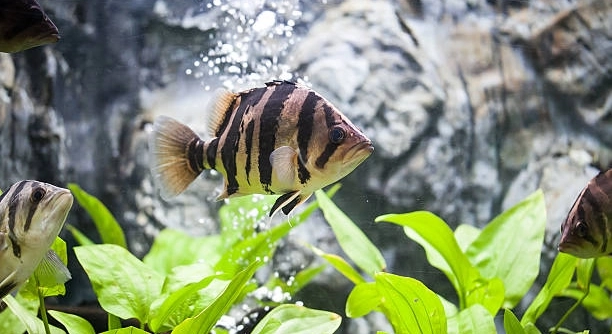
Tiger barbs are popular aquarium fish known for their lively behavior and striking appearance. However, they can sometimes act out in ways that puzzle their keepers. Understanding what causes their misbehavior is important for a peaceful tank environment.
Tiger barbs misbehave mainly due to stress, overcrowding, poor water quality, inadequate diet, lack of hiding spots, incompatible tank mates, and sudden changes in their environment. These factors disrupt their natural behavior and lead to aggression or restlessness.
Knowing what triggers these issues can help maintain harmony in your aquarium. The following points explain the key reasons behind tiger barbs’ misbehavior and how to manage them effectively.
Stress and Overcrowding
Tiger barbs become stressed when their environment is too crowded or noisy. They are active fish that need enough space to swim freely. Overcrowding causes competition for food and territory, which leads to aggression and fin nipping. Stress weakens their immune system, making them more prone to disease. It is important to provide at least 20 gallons of water for a small group of tiger barbs, ideally keeping them in groups of six or more. This helps distribute aggression and lets them express natural schooling behavior. Regular tank maintenance and avoiding sudden changes also reduce stress levels. Observing their behavior can help you spot signs of stress early, such as hiding, loss of appetite, or unusual aggression.
Stress often appears as erratic swimming or chasing other fish.
Keeping your tiger barbs in a well-maintained tank with enough space and company reduces stress. Proper stocking limits and peaceful tank mates can create a calm environment, improving their overall behavior.
Poor Water Quality
Water quality directly impacts tiger barbs’ health and behavior. Ammonia, nitrites, and nitrates build up quickly in crowded tanks or without regular cleaning. High toxin levels irritate fish and cause discomfort, leading to erratic or aggressive behavior. Maintaining stable water parameters is crucial. Test water weekly and perform partial water changes of 20-30% regularly to keep toxins low. Use a reliable filtration system to remove waste efficiently. Temperature fluctuations can also stress tiger barbs, so keep the water between 74°F and 78°F consistently. Clean substrate and avoid overfeeding to reduce waste buildup. Clean water supports immune health and helps prevent diseases that can worsen behavior problems.
Proper water care keeps tiger barbs active and healthy. Monitoring water quality is one of the easiest ways to prevent misbehavior before it starts. Consistency is key to maintaining a peaceful aquarium environment.
Inadequate Diet
A poor diet can cause tiger barbs to become restless and aggressive. They need a balanced diet rich in proteins and nutrients to stay healthy. Feeding low-quality flakes or neglecting variety leads to deficiencies and behavioral issues.
Feeding tiger barbs only basic flakes is not enough. They require a diet that includes live or frozen foods like brine shrimp, bloodworms, and daphnia to mimic their natural diet. Variety keeps them interested and reduces boredom, which can trigger aggression. Avoid overfeeding, as excess food causes water quality problems, worsening stress and misbehavior. Feeding small portions two to three times daily ensures they get enough nutrients without polluting the tank. A well-fed tiger barb is calmer and more active, showing less aggression towards tank mates.
Providing a balanced diet supports their immune system and vibrant colors. Regularly supplementing their food with healthy options improves overall well-being and behavior.
Lack of Hiding Spots
Tiger barbs need places to hide and rest. Without enough hiding spots, they feel exposed and stressed, which increases aggression. Decorations, plants, and caves help create a secure environment.
A tank without sufficient cover forces tiger barbs to compete for safe spaces, leading to fights and chasing. Live or artificial plants, driftwood, and rocks offer shelter and break up lines of sight. This helps reduce tension among fish and lets shy individuals escape harassment. Providing hiding places mimics their natural habitat and promotes a sense of security. It also encourages natural behavior like exploring and resting calmly. Ensure hiding spots are well distributed so all fish have access. Rearranging decorations occasionally can keep the environment stimulating and prevent territorial disputes.
Creating a balanced habitat with enough cover improves tiger barbs’ comfort and decreases stress-related misbehavior.
Incompatible Tank Mates
Tiger barbs are semi-aggressive and do best with fish that can handle their energy. Mixing them with very passive or slow-moving species often leads to bullying.
Choosing tank mates requires matching activity levels and temperament. Avoid slow fish like angelfish or bettas, which may get nipped or stressed by tiger barbs’ constant chasing.
Sudden Environmental Changes
Sudden changes in water temperature, pH, or lighting can unsettle tiger barbs. Stability is important to keep their behavior calm.
Gradually introduce any changes to avoid shocking the fish. Rapid shifts cause stress, leading to erratic swimming or aggression. Maintaining consistent tank conditions promotes peaceful behavior and fish health.
Lack of Stimulation
Tiger barbs need mental and physical stimulation. A dull, empty tank makes them bored and prone to aggression or restlessness.
Adding plants, rocks, and varying tank layout can keep their environment interesting. Regular interaction during feeding and tank maintenance also encourages natural activity.
FAQ
Why do tiger barbs nip at other fish?
Tiger barbs naturally display fin-nipping behavior, especially when stressed or overcrowded. They chase and nip to establish dominance within their group. Insufficient hiding spots or incompatible tank mates can increase this behavior. Providing enough space, proper companions, and hiding places usually reduces fin-nipping significantly.
How many tiger barbs should be kept together?
Keeping tiger barbs in groups of at least six helps spread out their aggression. Smaller groups often result in more bullying and stress. A group of six or more allows them to school naturally, which reduces fighting and promotes healthier behavior.
What tank size is suitable for tiger barbs?
A minimum of 20 gallons is recommended for a small group of tiger barbs. Larger tanks provide enough space to swim and reduce territorial aggression. Overcrowding in smaller tanks leads to stress, poor water quality, and misbehavior.
Can tiger barbs live with other species?
Yes, but tank mates should be active and able to handle their semi-aggressive nature. Avoid slow or long-finned fish like bettas or angelfish, as tiger barbs tend to nip their fins. Good companions include danios, mollies, or other similarly sized schooling fish.
What is the ideal water temperature for tiger barbs?
Tiger barbs thrive in water temperatures between 74°F and 78°F (23°C to 26°C). Sudden temperature changes can stress them, so it is important to maintain a stable environment with gradual adjustments when needed.
How often should I feed tiger barbs?
Feed tiger barbs small portions two to three times daily. Their diet should be varied, including high-quality flakes, pellets, and live or frozen foods like bloodworms and brine shrimp. Overfeeding can pollute the water and cause health issues.
Why do tiger barbs hide often?
Frequent hiding is usually a sign of stress or illness. Lack of hiding spots, aggressive tank mates, or poor water conditions can make them feel unsafe. Providing ample cover and maintaining good water quality helps reduce this behavior.
How do I reduce aggression among tiger barbs?
Ensure enough space, keep a proper group size, provide hiding places, and choose compatible tank mates. Regular water changes and a nutritious diet also lower stress levels, reducing aggressive behaviors.
What signs show that tiger barbs are stressed?
Signs include erratic swimming, loss of appetite, hiding excessively, or increased fin-nipping. Stress can result from overcrowding, poor water quality, or sudden changes in their environment. Monitoring these behaviors helps identify problems early.
Is it necessary to rearrange the tank?
Occasionally changing the layout keeps tiger barbs mentally stimulated and reduces territorial fights. Rearranging plants or decorations every few weeks encourages exploration and natural behavior, preventing boredom and aggression.
Tiger barbs are lively and beautiful fish that bring energy to any aquarium. However, their behavior can sometimes be challenging to manage. Understanding the main reasons behind their misbehavior, such as stress, overcrowding, poor water quality, and diet, helps in creating a better environment for them. By addressing these issues, you can reduce aggression and improve their overall health. Consistency in care is key. Regular water changes, proper feeding, and suitable tank mates all play a role in keeping tiger barbs calm and happy.
Providing enough space and hiding spots is also very important. Tiger barbs feel safer when they have places to retreat to. This reduces their stress and prevents fights among themselves. A well-planned tank setup that includes plants, rocks, and decorations helps create a natural environment. It allows the fish to display natural behaviors like schooling and exploring. Paying attention to their tank conditions and behavior daily makes it easier to spot problems before they get worse.
Taking care of tiger barbs requires patience and attention to detail. Small changes in the environment or care routine can have a big impact on their behavior. Avoiding sudden changes and keeping their tank stable helps minimize stress. When you meet their basic needs, tiger barbs are less likely to act out. They will be more active, colorful, and peaceful. Proper care not only benefits the fish but also makes your aquarium more enjoyable to watch.

Hello,
If you enjoy the content that we create, please consider saying a "Thank You!" by leaving a tip.
Every little bit helps us continue crafting quality advice that supports the health, happiness, and well-being of pets around the world, for pets of all shapes, sizes, and species.
We really appreciate the kindness and support that you show us!