
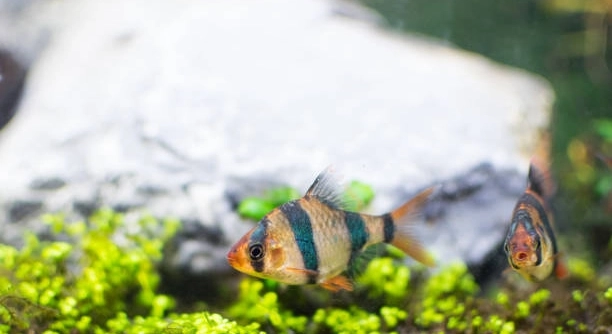
Caring for tiger barbs means keeping their tanks healthy and clean to avoid common illnesses. Proper tank maintenance and attention to water quality are essential for these lively fish. Many fish owners want to prevent disease before it even starts.
Preventing disease in tiger barb tanks requires maintaining clean water, monitoring fish health regularly, providing a balanced diet, avoiding overcrowding, quarantining new fish, and ensuring proper filtration and temperature control. These steps reduce stress and limit harmful bacteria growth.
Knowing how to keep your tank environment safe will protect your fish and make your hobby more enjoyable and rewarding.
Keep the Water Clean and Stable
Regular water changes are the key to preventing diseases in tiger barb tanks. Dirty water can quickly build up toxins that stress your fish and weaken their immune systems. I usually change about 20-30% of the water every week to keep conditions steady. Using a good water conditioner is important to remove chlorine and other harmful chemicals from tap water. Testing the water regularly for ammonia, nitrites, and nitrates helps me catch problems early. Maintaining a stable pH level around 6.5 to 7.0 also supports the health of tiger barbs. Stability is more important than chasing perfect numbers, so I avoid sudden changes. Clean water lowers the risk of bacterial and fungal infections that can harm your fish.
Cleaning your tank’s substrate and decorations during water changes removes leftover food and waste, reducing disease risks. It’s simple but effective.
Routine water care creates a safe and healthy environment where your tiger barbs can thrive and show their natural behavior.
Feed a Balanced Diet
Feeding your tiger barbs a varied diet helps keep their immune systems strong.
A mix of high-quality flakes, pellets, and occasional live or frozen foods like brine shrimp or bloodworms provides essential nutrients. Avoid overfeeding, as leftover food can pollute the water. Feeding small amounts two to three times a day works well. I’ve noticed my fish are more active and vibrant when their diet is varied. Vitamins and proteins in good food support their natural defenses against disease. Consistent feeding habits reduce stress, which is a major factor in illness. Including vegetable matter like spirulina flakes or blanched spinach offers fiber and helps digestion. Balanced nutrition also supports bright coloration and healthy growth. Keep food fresh and store it properly to maintain quality. Over time, this simple care keeps your tank’s community happy and disease-free.
Avoid Overcrowding
Too many fish in one tank increases stress and disease risk. Tiger barbs are active swimmers and need space.
A crowded tank leads to poor water quality and aggressive behavior among fish. Each tiger barb requires about one gallon of water, so a group of six needs at least a 20-gallon tank. Overcrowding makes it harder to maintain stable water conditions and puts pressure on the filtration system. Stress from limited space weakens their immune systems, making them more vulnerable to infections. Proper stocking helps keep a peaceful and healthy environment where each fish can thrive without competition for food or territory.
Monitoring tank population regularly helps catch problems early and maintain balance.
Quarantine New Fish
Quarantining new fish prevents introducing diseases into your tank.
A separate quarantine tank for at least two weeks allows you to observe new arrivals closely for any signs of illness. This practice stops potential parasites, bacteria, or viruses from spreading to your established tiger barbs. Even healthy-looking fish can carry hidden infections. During quarantine, feeding and water care should match the main tank to reduce stress. Treatment for common diseases can be started quickly if symptoms appear. Quarantine is a small step that saves a lot of trouble and protects your entire tank community. I always set up a quarantine tank before adding new fish to avoid unexpected health issues.
Maintain Proper Filtration
A good filter keeps the water clean and removes harmful waste. It also provides oxygen for your tiger barbs.
Choose a filter rated for your tank size and clean it regularly. Avoid over-cleaning to preserve beneficial bacteria that help break down toxins naturally.
Monitor Water Temperature
Tiger barbs do best in water between 74°F and 79°F. Temperature fluctuations can stress your fish.
Use a reliable heater and thermometer to keep the temperature stable. Sudden changes make fish more vulnerable to disease, so consistent warmth supports their health and activity.
Watch for Signs of Illness
Early detection of disease helps prevent its spread and improves treatment success.
Look for changes like faded colors, clamped fins, or unusual swimming patterns. Remove sick fish promptly to protect the rest of the tank.
Regular Tank Maintenance
Routine care keeps the environment healthy and disease-free.
Clean the tank surfaces and remove debris often to reduce harmful bacteria and algae buildup.
FAQ
How often should I change the water in my tiger barb tank?
Changing about 20-30% of the water weekly is a good rule of thumb. This keeps toxins like ammonia and nitrates low and supports a healthy environment. More frequent changes may be needed if the tank is heavily stocked or if water tests show poor quality.
Can I keep tiger barbs with other fish species?
Yes, but choose tank mates carefully. Tiger barbs can be fin nippers, so avoid slow-moving or long-finned fish like bettas or angelfish. Good companions include fast, similarly sized fish like danios, barbs, or some tetras. Always monitor behavior to avoid aggression.
What are common signs of disease in tiger barbs?
Look for faded colors, clamped fins, loss of appetite, white spots, or unusual swimming patterns. Rapid breathing or lethargy can also indicate illness. Early detection is key to successful treatment.
Is overfeeding harmful to tiger barbs?
Yes, overfeeding leads to excess waste, which pollutes water and causes stress. Feed small portions two to three times daily and remove any uneaten food after a few minutes to keep the tank clean.
How important is quarantine for new fish?
Quarantine is very important. It helps prevent diseases from entering your main tank. Even healthy-looking fish can carry infections. A quarantine period of two weeks allows you to observe and treat new fish if needed.
What is the ideal water temperature for tiger barbs?
Maintain the tank between 74°F and 79°F (23°C to 26°C). Sudden temperature changes stress the fish and make them more susceptible to disease. Using a reliable heater and thermometer helps keep conditions stable.
Can I use tap water directly in my tank?
No, tap water contains chlorine and other chemicals harmful to fish. Always treat tap water with a water conditioner before adding it to the tank. This removes chlorine, chloramines, and heavy metals.
How do I prevent fin nipping among tiger barbs?
Providing plenty of space, hiding spots, and keeping the school size at six or more helps reduce aggression. Overcrowding or boredom can increase nipping. Keeping a peaceful environment lowers stress and aggressive behavior.
What kind of filter should I use?
A filter rated for your tank size that provides mechanical, biological, and chemical filtration is best. Avoid filters that create too strong a current, as tiger barbs prefer moderate water flow. Regular filter maintenance is essential.
How can I tell if my tank is overcrowded?
If fish constantly chase or nip each other, or if water quality deteriorates quickly, your tank may be overcrowded. A general guideline is one gallon per tiger barb, but providing more space is always better.
These answers cover many common concerns and help you care for tiger barbs confidently. Keeping their environment stable and stress-free is the best defense against disease.
Final Thoughts
Keeping tiger barbs healthy requires regular attention and care. Simple habits like changing the water regularly, feeding a balanced diet, and avoiding overcrowding can make a big difference. These basic steps help create a stable environment where your fish can live without stress, which is key to preventing disease. Taking time to monitor water quality and watch your fish closely will catch problems early before they get worse. Consistency is more important than doing everything perfectly all at once. Even small efforts add up over time to keep your tank safe and your tiger barbs happy.
Quarantining new fish before adding them to your main tank is a practice worth adopting. It protects your existing fish from diseases that might be hidden in new arrivals. Although it may seem like an extra step, quarantine tanks give you peace of mind and reduce the risk of outbreaks that could harm your entire fish community. Along with proper filtration and temperature control, these actions form the foundation of good fishkeeping. It’s better to prevent problems than to treat sickness later, especially since some diseases can be difficult or costly to manage.
In the end, healthy tiger barbs show their well-being through vibrant colors and active swimming. By maintaining clean water, feeding well, and keeping stress low, you encourage their natural behaviors and longevity. Every tank is different, so learning from your own experience and adjusting your care routine is part of the process. Staying observant and patient helps you enjoy watching your fish thrive. With steady care and attention, disease prevention becomes easier, and your tiger barbs will bring life and energy to your aquarium for a long time.

Hello,
If you enjoy the content that we create, please consider saying a "Thank You!" by leaving a tip.
Every little bit helps us continue crafting quality advice that supports the health, happiness, and well-being of pets around the world, for pets of all shapes, sizes, and species.
We really appreciate the kindness and support that you show us!