
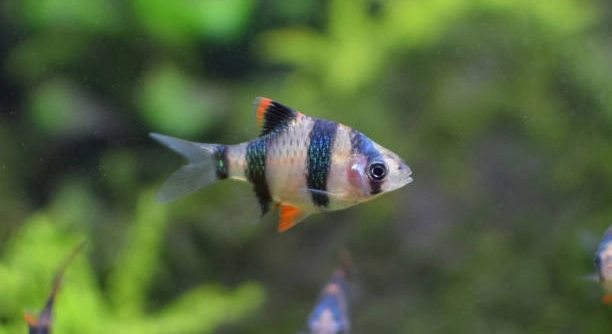
Tiger barbs are popular freshwater fish, admired for their bright colors and lively behavior. Keeping them healthy requires attention to their environment, especially the water temperature. Overheating can cause serious stress and health problems for these fish.
Tiger barbs show signs of overheating through rapid breathing, lethargy, and faded colors. Water temperatures consistently above 78°F (25.5°C) increase their risk of heat stress, affecting their metabolism and overall well-being. Immediate steps to lower the temperature can prevent harm.
Recognizing these signs early helps maintain a safe habitat for your tiger barbs and supports their long-term health.
Common Signs of Overheating in Tiger Barbs
When tiger barbs overheat, their behavior changes noticeably. They may swim near the water surface more often, trying to access cooler oxygen-rich water. Their breathing rate speeds up, making their gill movements quick and shallow. You might also see them become less active or hide more than usual. Color fading is another sign; their vibrant stripes can become dull. Sometimes, they lose their appetite and show signs of stress such as erratic swimming or rubbing against objects. These changes usually happen when the tank temperature stays above their comfort range for extended periods. Watching for these behaviors can help you take quick action before the fish suffer serious health effects.
Monitoring your tiger barbs closely during warm days or when your aquarium heater malfunctions can prevent overheating. It’s important to know these signs early.
Temperature affects the fish’s metabolism. Warmer water lowers oxygen levels, making it harder for tiger barbs to breathe. This can weaken their immune system, increasing their risk of disease. Keeping the temperature stable is crucial for their survival and comfort.
How to Manage Tank Temperature Effectively
Keeping the tank temperature steady is key to preventing overheating. A reliable aquarium thermometer helps track changes accurately. When temperatures rise, simple steps can cool the water quickly. Turning off aquarium lights or moving the tank away from direct sunlight reduces heat gain. Adding a fan that blows across the water surface helps with evaporation, lowering temperature safely. Partial water changes with cooler water also bring relief. In some cases, using an aquarium chiller is necessary for larger tanks or very warm climates. Avoid sudden temperature drops, as they can shock the fish. Regular maintenance and monitoring prevent problems before they start.
Maintaining proper filtration and aeration improves oxygen levels, which support fish health in warmer water. Consistent care ensures your tiger barbs remain comfortable, active, and healthy in their environment.
Preventing Overheating in Tiger Barb Tanks
Controlling the environment is essential to prevent overheating. Keep the tank out of direct sunlight and monitor room temperature regularly. Adjust heater settings to maintain a steady temperature below 78°F (25.5°C).
A good filtration system helps maintain water quality and oxygen levels, which are vital when temperatures rise. Avoid overcrowding the tank, as too many fish increase stress and oxygen demand. Regular water changes also keep the environment healthy. If you live in a hot climate, consider using a small aquarium fan or chiller to cool the water during heatwaves. These simple steps reduce the risk of overheating and keep your tiger barbs comfortable.
Tank placement matters. Avoid placing tanks near heat sources like radiators or windows. Insulating the tank with a cover can prevent temperature fluctuations. Staying consistent with these practices supports your fish’s health and helps them thrive without heat stress.
Common Mistakes That Cause Overheating
Many overheating problems stem from not monitoring temperature closely. Ignoring signs like unusual behavior or skipping thermometer checks lets the water get too warm unnoticed. Using faulty or uncalibrated heaters can also cause spikes in temperature, stressing the fish. Another mistake is poor ventilation or inadequate aeration, which lowers oxygen levels in warmer water. Overfeeding contributes indirectly by increasing waste, which can raise ammonia levels and reduce water quality. Lastly, placing the tank near windows or under strong aquarium lights without adjustments can lead to excessive heat buildup. Preventing these mistakes is easier with regular tank maintenance and temperature monitoring.
By maintaining a proper setup and watching for early signs, you ensure your tiger barbs stay in a healthy, stable environment. Avoid overstocking, test your equipment regularly, and manage light exposure to protect your fish from heat-related issues. Consistency in care is the best defense against overheating.
Adjusting Aquarium Equipment to Prevent Overheating
Regularly check your heater’s settings to ensure the temperature stays below 78°F (25.5°C). Consider upgrading to a heater with an accurate thermostat for better control.
Use an aquarium fan or cooler during hot weather to reduce water temperature gradually without stressing the fish.
Importance of Proper Aeration in Warm Water
Warm water holds less oxygen, making aeration crucial when temperatures rise. Proper aeration helps maintain oxygen levels, supporting fish breathing and reducing stress. Using an air pump or increasing surface agitation improves oxygen exchange. These small adjustments can make a big difference for tiger barbs in warmer tanks, keeping them healthy and active. Ensuring good water movement also helps prevent the buildup of harmful gases and maintains overall water quality, which supports the fish’s immune system during heat stress.
Recognizing Heat Stress Early
Spotting early signs of heat stress helps protect your tiger barbs before serious damage occurs.
How can I tell if my tiger barbs are overheating?
Overheating in tiger barbs shows through several clear signs. You may notice rapid breathing or quick gill movements. The fish might become less active or hide more often. Their bright stripes can fade, and they might lose interest in food. Erratic swimming or rubbing against tank surfaces are also common. Watching for these behaviors regularly can help you catch overheating early and take action before the fish get too stressed or sick.
What is the ideal temperature range for tiger barbs?
Tiger barbs thrive best between 74°F and 78°F (23°C to 25.5°C). Temperatures consistently above this range increase the risk of overheating and stress. Keeping the tank temperature stable within this range supports their metabolism and overall health. Avoid sudden temperature changes, as these can shock the fish and weaken their immune system.
What should I do if I suspect my tiger barbs are overheating?
First, measure the tank temperature with a reliable thermometer. If it is above 78°F, start cooling the water gradually. Turn off aquarium lights, move the tank away from windows or heat sources, and increase ventilation. Using a fan to blow across the water surface or performing partial water changes with cooler water can help reduce temperature. Avoid sudden drops to prevent shocking the fish. If overheating continues, consider using an aquarium chiller.
Can tank size affect how easily tiger barbs overheat?
Yes, smaller tanks tend to heat up faster and experience larger temperature swings, which can stress the fish. Larger tanks hold temperature more steadily, offering a more stable environment. In smaller tanks, it is especially important to monitor temperature regularly and take quick steps to cool the water when needed.
Are there any equipment recommendations to prevent overheating?
A quality aquarium thermometer is essential for accurate temperature monitoring. Using a heater with a precise thermostat prevents overheating caused by faulty equipment. In warmer climates, a small aquarium chiller or cooling fan can be very helpful. Air pumps or strong filtration systems improve aeration, which supports fish health during warmer periods.
How often should I check the temperature of my tiger barb tank?
Temperature should be checked daily, especially during hot weather or if the aquarium is near windows or heating sources. Frequent checks help catch temperature changes early before the fish become stressed. Regular maintenance of heating and cooling equipment also helps keep the environment stable.
Can overheating cause long-term health issues for tiger barbs?
Yes, prolonged exposure to high temperatures weakens the immune system and can make tiger barbs more prone to diseases. Heat stress also reduces oxygen availability, which can damage organs and cause chronic fatigue. Preventing overheating protects your fish from these risks and promotes a longer, healthier life.
Does water quality affect how tiger barbs handle heat?
Good water quality is critical, especially in warmer tanks. Higher temperatures speed up fish metabolism, producing more waste and ammonia. Poor water quality adds stress and increases disease risk. Regular water changes, proper filtration, and avoiding overfeeding help maintain water quality, supporting your fish’s ability to cope with heat.
Can I use ice or very cold water to cool the tank quickly?
Using ice or very cold water is not recommended, as sudden temperature drops shock the fish and can cause serious health problems. Instead, cool the tank gradually by turning off lights, increasing surface agitation, and performing small partial water changes with slightly cooler water.
What is the best way to improve oxygen levels in warm water?
Increasing surface agitation with an air stone, air pump, or filter output helps oxygen enter the water. Good aeration is important because warm water holds less oxygen. Regular water circulation also prevents pockets of low oxygen and removes harmful gases, making the tank environment safer for your tiger barbs.
Taking care of tiger barbs means paying close attention to their environment, especially the water temperature. Overheating can cause serious problems for these fish, making it important to keep the tank cool and stable. Watching for signs like rapid breathing, dull colors, and unusual behavior helps catch heat stress early. Making small adjustments to the tank, such as moving it away from sunlight and using fans or cool water changes, can make a big difference. Consistent care is key to keeping tiger barbs healthy and active.
Using the right equipment also plays an important role in preventing overheating. A reliable thermometer and heater with a good thermostat allow you to control the temperature more precisely. If you live in a warm area, additional cooling tools like aquarium chillers or fans may be necessary. Aeration is equally important because warmer water holds less oxygen, which the fish need to stay healthy. Improving water movement with air pumps or filters supports better oxygen levels and reduces stress on the fish.
Maintaining a clean tank with regular water changes and avoiding overcrowding are other essential steps. Overfeeding and poor water quality can add extra stress to tiger barbs, especially when the water is warm. By combining careful temperature control, good filtration, and proper tank management, you create a safe home for your fish. This approach helps tiger barbs live longer and stay more comfortable, making your aquarium a pleasant and healthy place for them.

Hello,
If you enjoy the content that we create, please consider saying a "Thank You!" by leaving a tip.
Every little bit helps us continue crafting quality advice that supports the health, happiness, and well-being of pets around the world, for pets of all shapes, sizes, and species.
We really appreciate the kindness and support that you show us!