
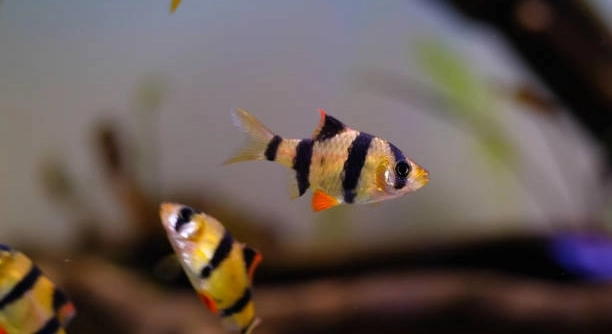
Tiger barbs are popular freshwater fish known for their bright colors and active nature. Many fishkeepers enjoy having them in home aquariums. However, several common ideas about tiger barbs can be misleading or incorrect.
Many beliefs about tiger barbs stem from misunderstandings or outdated information. Clarifying these myths helps promote better care and appreciation of the species. Accurate knowledge is essential for ensuring the fish’s health and well-being in captivity.
Knowing the truth behind these myths can improve how you care for tiger barbs and help create a healthier environment for them. This article will clarify common misconceptions and provide helpful insights.
Tiger Barbs Are Always Aggressive
Many people believe tiger barbs are constantly aggressive and will attack any tank mate. While tiger barbs do have a tendency to nip fins, this behavior is often related to how they are kept. When kept in small groups or alone, they may become more aggressive out of stress or boredom. However, when kept in proper schools of six or more, their aggression usually lessens. Providing plenty of space and hiding spots can also reduce aggressive behavior. It’s important to know that aggression isn’t a fixed trait but influenced by environment and care. Understanding this can help create a peaceful aquarium where tiger barbs thrive alongside other fish.
Keeping a proper group and environment helps control aggression. Small tanks and few companions often lead to problems.
A well-planned setup reduces aggression and helps tiger barbs stay social. Group size and tank conditions are key factors in their behavior.
Tiger Barbs Need a Large Tank
Many people think tiger barbs require very large tanks to stay healthy and happy. While space is important, tiger barbs do not need huge aquariums if properly maintained. A 20-gallon tank is usually enough for a small school of tiger barbs, allowing enough room to swim and interact. Overcrowding can cause stress and increase aggression, so keeping a balanced number of fish is more important than simply increasing tank size. Regular cleaning and good filtration also help maintain water quality in moderate-sized tanks. Proper tank size depends on the number of fish and the other species housed with them.
A 20-gallon tank is sufficient for a small group of tiger barbs.
Balancing tank size with stocking levels is essential. Oversized tanks are not necessary if care standards are met. Proper filtration and regular maintenance support a healthy environment, allowing tiger barbs to thrive without excessive space. Choosing compatible tank mates further promotes harmony and reduces stress. This approach makes caring for tiger barbs manageable for many aquarium keepers.
Tiger Barbs Are Hard to Care For
Tiger barbs are often seen as difficult fish to care for, but this is not true. With basic aquarium knowledge and proper setup, they are quite manageable. They do best in stable conditions with regular maintenance.
Keeping tiger barbs healthy mainly involves maintaining good water quality and feeding them a balanced diet. They need a tank with a proper filter, regular water changes, and a temperature around 74-79°F (23-26°C). Their diet should include flakes, pellets, and occasional live or frozen foods to keep them vibrant. With these simple steps, they are hardy and adapt well to most home aquariums.
Regular observation helps catch any health issues early. Paying attention to their behavior and appearance ensures they stay lively. Overall, tiger barbs require consistent care, but nothing too complicated for most fishkeepers willing to learn.
Tiger Barbs Can Live Alone
Tiger barbs are social fish that prefer groups, but some believe they can live well alone. While a single tiger barb can survive, it usually won’t thrive. Isolation can lead to stress and increased aggression towards itself or others.
Keeping tiger barbs in groups of at least six helps reduce aggression and encourages natural schooling behavior. In a group, they focus on each other, reducing fin-nipping directed at other species. A single fish may become shy or hide constantly, which is a sign of poor welfare. Group living also encourages more active swimming and natural behaviors. Overall, while a lone tiger barb can live, it will be much happier and healthier in a well-sized school with enough companions.
Tiger Barbs Are Always Bright Orange
Tiger barbs are often thought to be only bright orange, but their colors can vary. They display shades from orange to red with black stripes, and some even show paler or darker tones depending on age and health.
Lighting and diet also affect their color vibrancy. A well-balanced diet rich in carotenoids helps maintain their bright hues. Stress or poor water conditions can cause colors to fade. Observing these changes can indicate the fish’s overall well-being.
Tiger Barbs Are Jumpers
Tiger barbs can jump, but not as frequently as some other species. Jumping usually happens when they feel stressed or if the tank is overcrowded.
Providing a secure lid helps prevent escapes. A calm, well-maintained environment reduces their tendency to jump.
Tiger Barbs Can Live With Any Fish
Tiger barbs are not suitable for every tank mate. They may nip fins of slow-moving or long-finned fish.
Choosing fast, robust species helps maintain harmony in the tank. Proper tank mates reduce stress and aggression.
How many tiger barbs should be kept together?
Tiger barbs do best in groups of six or more. Keeping fewer than six can lead to increased aggression because they have no peers to focus their energy on. A proper school helps balance their social behavior and reduces fin-nipping. When they swim in groups, they feel more secure and less stressed, making the tank environment calmer for all fish.
Are tiger barbs suitable for beginners?
Yes, tiger barbs are often recommended for beginners due to their hardiness and adaptability. They tolerate a range of water conditions and are less demanding than many other species. Regular tank maintenance, proper feeding, and group care are enough to keep them healthy. However, beginners should be aware of their social needs and aggressive tendencies to avoid problems with other fish.
What do tiger barbs eat?
Tiger barbs are omnivores and thrive on a varied diet. Quality flake or pellet food designed for tropical fish forms the base of their diet. Supplement this with frozen or live foods like bloodworms, brine shrimp, or daphnia to enhance their color and health. Feeding small amounts two to three times a day helps prevent overfeeding and water pollution.
Do tiger barbs need a heater?
Yes, tiger barbs need stable water temperatures between 74°F and 79°F (23°C to 26°C). In cooler climates or homes with fluctuating temperatures, an aquarium heater is necessary to maintain this range. Sudden temperature changes can stress them and cause illness, so a reliable heater and thermometer are important parts of their tank setup.
Can tiger barbs live with goldfish?
Tiger barbs and goldfish are not good tank mates. Goldfish prefer cooler water and have slower movements, making them easy targets for tiger barbs’ fin-nipping behavior. Additionally, their different water temperature needs create a challenging environment to maintain. It’s best to house tiger barbs with other tropical, active fish that can tolerate their energy levels.
How long do tiger barbs live?
With proper care, tiger barbs typically live 5 to 7 years. Their lifespan depends on water quality, diet, tank conditions, and stress levels. Providing a stable environment and avoiding overcrowding will help them live a full and healthy life. Regular observation can catch health issues early, which improves their chances of longevity.
Why do tiger barbs nip fins?
Fin-nipping is a common behavior, especially when tiger barbs are kept in too small groups or overcrowded tanks. They nip fins as part of social interaction and sometimes to establish dominance. Keeping at least six tiger barbs helps spread this behavior within the group, reducing stress on other fish. Proper tank size and hiding spots also help minimize fin-nipping.
Do tiger barbs breed in home aquariums?
Breeding tiger barbs in home tanks is possible but requires specific conditions. They need a separate breeding tank with soft, slightly acidic water and plenty of plants or spawning mops. Males display brighter colors and chase females during spawning. Eggs hatch quickly, but fry require special food like infusoria or baby brine shrimp for survival. Breeding can be challenging for beginners but rewarding with patience.
What tank decorations do tiger barbs prefer?
Tiger barbs enjoy tanks with plenty of plants, hiding places, and open swimming areas. Plants provide shelter and reduce aggression by breaking the line of sight between fish. Rocks, driftwood, and caves also create safe spots. Avoid overcrowding decorations to leave enough space for their active swimming behavior. A well-decorated tank mimics their natural environment and helps reduce stress.
Can tiger barbs tolerate different water conditions?
Tiger barbs are fairly adaptable but prefer slightly acidic to neutral pH between 6.0 and 7.5. They can tolerate a range of hardness levels but thrive best in soft to moderately hard water. Sudden or extreme changes in water parameters should be avoided to prevent stress. Regular water testing and maintenance ensure conditions stay stable and suitable for tiger barbs.
Is it normal for tiger barbs to jump out of the tank?
Jumping can happen if tiger barbs feel stressed or if water quality is poor. They are not known as frequent jumpers, but it can occur. A tight-fitting lid on the aquarium is important to prevent escapes. Keeping water parameters stable and providing a calm environment reduces the chance of jumping.
How often should I change the water for tiger barbs?
Regular water changes are vital for tiger barbs’ health. Changing about 20-30% of the water weekly keeps nitrate levels low and water clean. More frequent changes may be necessary in heavily stocked tanks. Always use dechlorinated water at the correct temperature to avoid shocking the fish. Consistent water changes support their immune system and overall vitality.
Can tiger barbs live with shrimp or snails?
Tiger barbs may see small shrimp as food and can nip at snails, especially slow-moving species. While some hardy snails like nerites can coexist, shrimp are usually at risk in a tank with tiger barbs. If you want to keep shrimp, it’s best to provide dense plants and hiding places or choose a different tank setup.
What is the best way to introduce tiger barbs to a community tank?
Introduce tiger barbs to a community tank slowly and with enough space. Add them in groups of six or more to reduce aggression. Ensure tank mates are fast and sturdy enough to handle occasional nipping. Monitor the tank closely during the first weeks to watch for signs of stress or bullying. Proper introduction helps keep peace and balance.
Do tiger barbs need special lighting?
Tiger barbs do not need special lighting, but moderate lighting enhances their color and supports plant growth if live plants are used. Avoid overly bright lights that may stress the fish. A natural day-night cycle helps regulate their behavior. Timers can make lighting consistent without extra effort.
These answers address common concerns and help provide better care for tiger barbs. Understanding their needs allows for a happier, healthier aquarium environment.
Tiger barbs are popular fish that many people enjoy keeping in their aquariums. They are colorful, active, and can add life to a tank. However, there are many myths about them that can make caring for them seem harder than it really is. Understanding the truth behind these myths helps make sure the fish stay healthy and happy. It also helps avoid mistakes that could lead to stress or harm. Knowing the right group size, tank setup, and diet makes a big difference in their well-being.
Caring for tiger barbs does not require advanced skills, but it does need some attention and regular maintenance. Keeping them in groups of six or more reduces aggression and encourages natural behavior. A 20-gallon tank with clean, well-filtered water and a steady temperature is enough for a small school of tiger barbs. Feeding them a balanced diet and observing their behavior regularly will help catch any problems early. Providing hiding places and enough swimming space also helps reduce stress. These simple steps are enough to create a good environment for tiger barbs.
By learning about what tiger barbs really need, it is easier to provide proper care. Avoiding common myths allows fishkeepers to enjoy watching these lively fish without unnecessary worries. Remember, good care is about creating a stable, comfortable environment and paying attention to their social needs. With the right approach, tiger barbs can live long, healthy lives and bring enjoyment to any aquarium. Keeping them happy and healthy becomes simple when based on facts and good habits.

Hello,
If you enjoy the content that we create, please consider saying a "Thank You!" by leaving a tip.
Every little bit helps us continue crafting quality advice that supports the health, happiness, and well-being of pets around the world, for pets of all shapes, sizes, and species.
We really appreciate the kindness and support that you show us!