
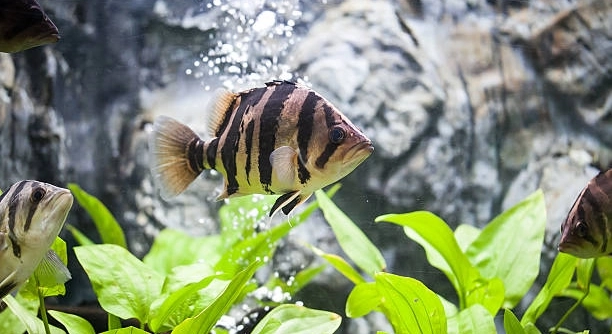
Tiger barbs are popular freshwater fish known for their lively behavior and striking colors. Many aquarium owners wonder how these fish respond when their surroundings change. Understanding their preference for stable or varied environments is important for their care.
Tiger barbs generally prefer stable environments with consistent water conditions. Frequent or sudden changes in their habitat can cause stress, which may lead to health issues and behavioral problems. Maintaining a steady environment supports their well-being and natural behavior.
Knowing how tiger barbs react to changes helps improve their care. This article explores key factors that influence their comfort and health in home aquariums.
How Tiger Barbs Adapt to New Environments
When tiger barbs face changes in their environment, their initial reaction is often cautious. They rely on consistent water temperature, pH levels, and tank setup to feel secure. Sudden shifts can lead to stress, making them hide or become more aggressive. Over time, some tiger barbs may adjust if changes are gradual and stable. Introducing new plants or rearranging tank decorations slowly helps them explore without feeling threatened. Quick or frequent changes, however, disrupt their routine and can impact their health. These fish are sensitive to water quality, so maintaining clean conditions during any adjustment is essential. Tank mates and lighting also play a role in how comfortable tiger barbs feel when their environment changes. The key is balance: enough variation to keep their space interesting but not so much that it overwhelms them. Observing their behavior closely during transitions gives important clues about their stress levels and well-being.
Stress can reduce tiger barbs’ immune response and increase vulnerability to diseases. Keeping water stable is essential.
Changes to a tiger barb’s environment must be managed carefully to avoid stress. Gradual adjustments allow these fish to become familiar with new surroundings without fear. Consistency in water parameters and tank setup supports their health. Adding decorations one at a time and maintaining routine feeding schedules further reduce anxiety. Watching how tiger barbs interact with their habitat helps identify any issues early. By providing a stable yet engaging environment, owners can help their fish thrive and show their natural behaviors over time.
Signs of Stress in Tiger Barbs
Tiger barbs display clear signs when stressed by environmental changes. Restlessness, hiding, and aggression are common reactions. Their colors may also dull.
Recognizing stress early helps prevent health problems. Maintaining steady conditions and avoiding sudden changes keeps tiger barbs calm and healthy.
Ideal Tank Conditions for Tiger Barbs
Maintaining consistent water temperature, between 74°F and 79°F, is crucial. pH levels should stay around 6.5 to 7.0. Frequent water changes help keep the tank clean and reduce toxins. These conditions create a comfortable environment for tiger barbs.
Stable water quality reduces stress and prevents illness. Avoid sudden temperature shifts or major chemical changes. Regular testing ensures the water remains within the ideal range. Decorations and plants should be arranged to provide hiding spots, which help tiger barbs feel secure. Overcrowding causes stress, so the tank size must be appropriate for the number of fish. A properly maintained tank supports their activity and natural behavior, making them more vibrant and less aggressive.
Lighting should mimic natural daylight but avoid intense brightness that can cause discomfort. Consistent light cycles help regulate their daily patterns. Keeping the tank quiet and free from sudden disturbances also reduces stress. These factors combined create a balanced habitat that promotes health and well-being in tiger barbs.
Feeding and Environmental Changes
Feeding schedules should remain consistent during environmental changes. Sudden alterations in diet or feeding times can add stress. Balanced nutrition supports their immune system, helping tiger barbs handle adjustments better.
When changing the tank environment, avoid altering multiple factors at once. Gradual introduction of new plants, decorations, or tank mates allows tiger barbs to adapt without overwhelming them. Observe their reactions carefully to detect any signs of stress. Overfeeding or underfeeding during changes can weaken their health. Using high-quality food with proper nutrients is essential. A calm, steady routine during environmental shifts promotes recovery and comfort, helping tiger barbs maintain good health and behavior despite changes.
Managing Tank Decorations and Layout
Changing tank decorations too often can unsettle tiger barbs. They prefer familiar hiding spots and territories. Keeping the layout stable helps them feel secure.
When adjustments are needed, introduce changes gradually. Move one item at a time to minimize stress. This approach encourages exploration without fear.
Effects of Water Quality on Behavior
Poor water quality directly affects tiger barbs’ health and mood. High ammonia or nitrite levels cause stress and aggression. Clear, well-filtered water promotes calm behavior and vibrant colors. Regular water testing and maintenance are essential to keep the environment safe and stable for these sensitive fish.
Importance of Tank Size
A spacious tank reduces territorial disputes and stress. Overcrowding increases aggression and competition for resources. Providing ample space allows tiger barbs to swim freely and establish peaceful social interactions.
FAQ
Do tiger barbs tolerate sudden changes in water temperature?
Tiger barbs do not tolerate sudden water temperature changes well. Rapid shifts can stress them, making them more vulnerable to illness. It’s best to keep water temperature stable between 74°F and 79°F. If changes are necessary, adjust the temperature gradually over several hours to avoid shocking the fish.
How often should I change the water in a tiger barb tank?
Regular water changes are vital to maintain good water quality. Changing about 20-25% of the water weekly helps remove waste and toxins. Avoid doing large water changes all at once, as this can stress the fish. Consistency in water changes supports their health and reduces stress.
Can tiger barbs live with other fish if their environment changes?
Yes, but it depends on the species and tank conditions. Tiger barbs can be aggressive, especially when stressed by changes. Keeping them with peaceful, fast-swimming fish in a well-sized tank reduces conflict. Introduce new tank mates slowly and monitor behavior closely.
What signs show that tiger barbs are stressed due to environmental changes?
Common signs include hiding more than usual, reduced appetite, faded colors, and increased aggression. Restlessness or frantic swimming can also indicate stress. Watching for these behaviors early helps address issues before they worsen.
Is it necessary to rearrange the tank decorations often for tiger barbs?
No, frequent rearranging can cause unnecessary stress. Tiger barbs thrive in a stable environment where they recognize hiding spots and territories. When changes are needed, do so slowly, moving one item at a time to let them adjust.
How does water quality affect tiger barb behavior during environmental changes?
Poor water quality can increase stress and aggression in tiger barbs. High ammonia, nitrites, or nitrates irritate them and weaken their immune systems. Maintaining clean, filtered water is crucial, especially during environmental changes, to keep them healthy and calm.
What is the ideal tank size for tiger barbs to handle changes well?
A tank of at least 20 gallons is recommended for a small group of tiger barbs. More space reduces stress and territorial aggression, especially during environmental shifts. Overcrowding in a small tank makes adjustments harder for them to tolerate.
How should feeding routines be managed during tank changes?
Keep feeding routines consistent to avoid adding stress. Sudden changes in diet or feeding times can upset their balance. Provide high-quality food and avoid overfeeding, which can worsen water quality. Regular feeding supports their strength through transitions.
Can adding plants help tiger barbs cope with environmental changes?
Yes, live plants provide shelter and reduce stress by creating hiding spaces. Plants also improve water quality by absorbing nitrates. Introducing plants gradually helps tiger barbs get used to the change without feeling threatened.
What should I do if my tiger barbs show signs of stress after a change?
Start by checking water parameters to ensure they are within safe limits. Reduce any further changes and provide hiding spots for the fish. Avoid handling or disturbing them unnecessarily. Monitoring their behavior closely helps determine if additional steps, like partial water changes or medication, are needed.
Are tiger barbs sensitive to lighting changes during environmental shifts?
Yes, sudden changes in lighting can cause stress. Keep light levels steady, mimicking natural day and night cycles. If you need to adjust lighting, do it slowly to allow the fish time to adapt without discomfort.
How can I introduce new tank mates without stressing tiger barbs?
Introduce new fish slowly, ideally quarantined beforehand to prevent disease. Add new tank mates during calm periods, not immediately after other changes. Provide plenty of space and hiding spots to minimize territorial disputes. Observing all fish closely helps ensure a smooth integration.
Does the type of substrate affect tiger barbs’ response to environmental changes?
Tiger barbs are not highly sensitive to substrate type but prefer smooth gravel or sand. Sudden changes to rough or unfamiliar substrates may cause hesitation or stress. Keeping the substrate consistent helps maintain their comfort during other environmental adjustments.
Final Thoughts
Tiger barbs are lively and active fish that respond best to stable environments. Sudden or frequent changes in their habitat can cause stress, which affects their health and behavior. Maintaining consistent water quality, temperature, and tank setup plays a key role in keeping them comfortable. Gradual adjustments are important when changes are necessary, allowing the fish time to adapt without feeling threatened. Providing familiar hiding spots and a balanced routine helps reduce anxiety and supports their natural behavior.
Water quality is one of the most critical factors for tiger barbs. Poor water conditions quickly lead to stress and illness. Regular testing and partial water changes keep toxins low and maintain a healthy environment. Feeding schedules should also remain consistent, with nutritious food to support their immune system. This steadiness in care makes it easier for tiger barbs to handle any changes around them. Even simple actions like slowly introducing new decorations or plants can make a big difference in their comfort level.
Understanding how tiger barbs react to environmental changes helps improve their care and well-being. They need space to swim freely and social interactions without overcrowding. Watching their behavior closely during any adjustments allows timely responses to stress signs. By creating a balanced and calm environment, owners can ensure their tiger barbs live healthy, vibrant lives. Taking the time to respect their needs makes caring for these fish rewarding and successful.

Hello,
If you enjoy the content that we create, please consider saying a "Thank You!" by leaving a tip.
Every little bit helps us continue crafting quality advice that supports the health, happiness, and well-being of pets around the world, for pets of all shapes, sizes, and species.
We really appreciate the kindness and support that you show us!