
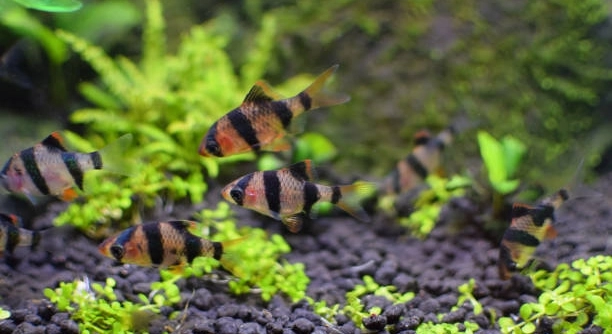
Tiger barbs are popular freshwater fish known for their vibrant colors and lively behavior. Many fishkeepers enjoy watching them swim and wonder about their breeding habits. Understanding how to encourage tiger barbs to breed can enhance your aquarium experience.
Tiger barbs can breed in home aquariums when conditions such as water quality, temperature, and diet are optimized. Providing a separate breeding tank with fine-leaf plants or spawning mops increases the chances of successful spawning and fry survival.
Learning the right environment and care techniques can help you support tiger barb breeding in your tank. This guide will offer clear steps to create ideal conditions for your fish to reproduce.
Understanding Tiger Barb Breeding Behavior
Tiger barbs usually start breeding when they reach about six months old. In the wild, they spawn during the rainy season, which brings fresh water and cooler temperatures. In captivity, mimicking these conditions helps trigger breeding. They prefer shallow areas with plants or fine-leaf spawning mops where they can lay eggs. Males become more colorful and may chase females around the tank as part of their courtship. Spawning often happens in the early morning. After the female releases eggs, the male fertilizes them quickly. Tiger barbs do not care for their eggs or fry, so it’s important to remove adults from the breeding tank to prevent them from eating the eggs. Keeping water clean and stable is essential for the eggs to hatch, usually within one to two days. The fry will become free-swimming after about three days and need special food like infusoria or finely crushed flakes.
Breeding behavior depends heavily on good water conditions and proper tank setup to succeed.
A breeding tank should be separate from the main aquarium to protect eggs and fry. Use a sponge filter to keep water clean without sucking up tiny fry. The temperature should stay around 78°F to 80°F, and soft, slightly acidic water encourages spawning. Avoid strong water currents because eggs and fry are delicate. Adding live plants or spawning mops offers hiding places. Feeding the adult tiger barbs a high-quality diet rich in protein boosts their breeding readiness. Once eggs hatch, the fry need small, frequent feedings to grow strong. Patience and attention to detail are key when raising tiger barb fry, but watching them grow is rewarding.
Preparing Your Aquarium for Breeding
Before breeding, set up a separate tank to create the right environment. A 10-20 gallon tank is enough for a pair or small group. Soft, slightly acidic water with a pH around 6.5 to 7.0 works best. Keep the temperature steady between 78°F and 80°F. Use fine-leaf plants or spawning mops for egg laying, and a gentle sponge filter to protect the eggs and fry.
Diet plays a major role in encouraging breeding. Feed your tiger barbs a mix of live, frozen, and high-quality pellet foods to improve their health. Live foods like brine shrimp or daphnia increase the fish’s energy and breeding instinct. Avoid overfeeding, but maintain a consistent feeding schedule to keep fish in good condition. Healthy adults are more likely to spawn successfully. Regular water changes keep the tank clean, supporting egg development. Keep lighting moderate—too bright can stress the fish. Monitoring these factors closely creates an ideal setting for tiger barb breeding.
By managing these environmental and nutritional needs, you improve the chances of seeing your tiger barbs spawn and raise healthy fry.
Signs Your Tiger Barbs Are Ready to Breed
Tiger barbs show clear signs when they are ready to breed. Males become brighter, with more intense orange on their fins. They swim actively, chasing females around the tank. Females appear fuller and rounder, especially when carrying eggs. This behavior usually happens in the morning.
When males chase females, it’s part of courtship. Males flare their fins and display colors to attract females. Females respond by swimming near plants or spawning mops. If conditions are right, females will start laying eggs. Timing matters, so keep the environment stable.
It’s important to watch these signs closely. Not every chase leads to spawning, but frequent displays mean the fish are ready. Make sure the breeding tank is clean and prepared before they start.
Caring for Tiger Barb Eggs and Fry
After spawning, eggs stick to plants or spawning mops and hatch within 24-48 hours. The eggs are tiny and transparent, making them easy to miss. Once hatched, fry stay attached to the surface for a few days before swimming freely. Keep water clean and stable during this time to prevent fungus and other issues.
Fry need special food like infusoria or crushed flakes because they are too small for regular pellets. Feed small amounts often to avoid fouling the water. Use a sponge filter to protect them and keep oxygen levels steady. Avoid sudden changes in temperature or water chemistry.
Adult tiger barbs can eat their eggs and fry, so separate the adults quickly after spawning. Maintaining good water quality, gentle filtration, and proper feeding will help fry grow healthy and strong. Regular observation helps catch problems early.
Common Challenges in Breeding Tiger Barbs
Breeding tiger barbs can be tricky because adults often eat their eggs and fry. This makes it important to separate them quickly after spawning. Water quality is another challenge, as poor conditions can harm eggs and fry development.
Temperature swings and strong currents may stress the fish, reducing breeding success. Maintaining stable conditions helps avoid these problems.
Feeding Tiger Barb Fry
Tiger barb fry need very small, nutritious food to grow. Infusoria or liquid fry food is ideal during their first week. After that, finely crushed flakes or baby brine shrimp work well. Feed small amounts several times a day to keep fry healthy without polluting the tank.
Water Conditions for Successful Breeding
Stable water temperature around 78°F to 80°F encourages spawning. Soft, slightly acidic water with pH between 6.5 and 7.0 supports egg and fry development. Regular water changes and gentle filtration maintain cleanliness without stressing the fish.
When to Separate Fry from Adults
Remove adults immediately after spawning to protect eggs and fry. Once fry start swimming freely, keep them in a safe tank with gentle filtration until they grow larger.
FAQ
How long does it take for tiger barb eggs to hatch?
Tiger barb eggs usually hatch within 24 to 48 hours after spawning. The exact time depends on water temperature; warmer water speeds up development. After hatching, the fry remain attached to surfaces for a few days before they start swimming freely.
Can tiger barbs breed in a community tank?
Breeding in a community tank is difficult because adult fish, including tiger barbs themselves, often eat the eggs and fry. It’s best to use a separate breeding tank to protect the eggs and young fish. This increases the chances of successful breeding and fry survival.
What is the best diet to encourage breeding?
A high-protein diet encourages breeding. Feed tiger barbs a mix of live or frozen foods like brine shrimp, daphnia, and bloodworms along with high-quality pellets. Healthy, well-fed adults are more likely to breed than those on a poor diet.
How many eggs does a female tiger barb lay?
A female tiger barb can lay between 100 to 200 eggs during a spawning session. The number varies depending on her age, health, and environmental conditions. Most eggs are laid on plants or spawning mops and stick to these surfaces.
Do tiger barbs care for their eggs or fry?
No, tiger barbs do not care for their eggs or fry. In fact, adults often eat the eggs and young fish. This is why separating the adults from the breeding tank right after spawning is important to protect the eggs and fry.
What water parameters are best for breeding tiger barbs?
Stable water temperature around 78°F to 80°F is ideal. Soft, slightly acidic water with a pH between 6.5 and 7.0 encourages spawning. Regular water changes help maintain clean water, and gentle filtration protects delicate eggs and fry.
How do you tell the difference between male and female tiger barbs?
Males are usually brighter with more intense orange coloring on their fins. Females tend to be rounder and fuller, especially when carrying eggs. Behavior-wise, males chase females during courtship and flare their fins to attract attention.
What should I feed tiger barb fry?
Fry need very small, nutritious food. Infusoria or liquid fry food works best during the first week. After that, you can gradually switch to finely crushed flakes or baby brine shrimp. Feeding small amounts frequently helps them grow without fouling the water.
How often should I change the water in the breeding tank?
Change about 20% of the water every two to three days to keep the environment clean without stressing the fish. Use dechlorinated water at the same temperature to avoid sudden changes. Clean water is key for healthy eggs and fry.
Can tiger barbs breed multiple times a year?
Yes, tiger barbs can breed multiple times if the conditions are right. Keeping the water stable, feeding well, and providing a proper environment encourages repeated spawning throughout the year. However, giving fish time to recover between spawnings is important.
Breeding tiger barbs can be a rewarding experience for fishkeepers who want to expand their aquarium or learn more about these lively fish. While tiger barbs are not the easiest fish to breed, understanding their natural behavior and providing the right environment can increase the chances of success. Key factors like water quality, temperature, diet, and tank setup all play important roles. Keeping these conditions stable and suitable will help the fish feel comfortable enough to spawn.
Separating adults from eggs and fry is an important step in the breeding process. Tiger barbs do not care for their young and may eat their eggs or baby fish if left together. Using a dedicated breeding tank with fine plants or spawning mops gives eggs a safe place to develop. Once the fry hatch, they need special care with appropriate food and gentle filtration to ensure healthy growth. Feeding small amounts often and maintaining clean water can help fry survive their vulnerable early days.
Patience and attention to detail are essential when breeding tiger barbs. It may take several attempts before spawning occurs and fry successfully grow into adult fish. Watching the fish display breeding behavior and carefully monitoring water conditions are useful ways to know when they are ready. With consistent care and the right setup, breeding tiger barbs can be a satisfying way to deepen your connection with your aquarium and enjoy watching your fish thrive from eggs to lively adults.

Hello,
If you enjoy the content that we create, please consider saying a "Thank You!" by leaving a tip.
Every little bit helps us continue crafting quality advice that supports the health, happiness, and well-being of pets around the world, for pets of all shapes, sizes, and species.
We really appreciate the kindness and support that you show us!