
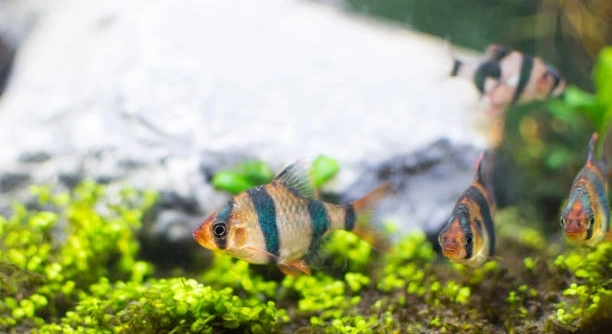
Do you ever find yourself watching your tiger barbs and wondering if there’s more behind their fast movements and group dynamics?
Tiger barbs do exhibit distinct personalities, influenced by their social hierarchy, environment, and individual behavior patterns. Some are bold and active, while others display more cautious or submissive tendencies. These differences often become clearer in a well-maintained aquarium.
From playful interactions to subtle behavioral shifts, these fish reveal more than just instinct—they show individuality that’s fascinating to observe.
Understanding Tiger Barb Behavior
Tiger barbs are active, social fish known for their energy and group interactions. They thrive in schools, often swimming in unison and establishing a clear social order. This pecking order influences how each fish behaves in the tank. Some barbs may become leaders, confidently exploring new spaces, while others might follow along more cautiously. Their behaviors can also shift depending on their environment. A well-planted, spacious tank encourages more natural, confident movements. They often nip fins when bored or stressed, which is why group size and enrichment matter. Observing them regularly helps you see who’s more dominant, curious, or shy.
Not all tiger barbs behave the same, even within the same tank. Each fish can show different traits, from boldness to timidity.
Paying attention to subtle differences in movement and interaction can reveal their unique personalities. Some prefer chasing others, while some enjoy hiding behind plants or decorations.
Influences on Their Personalities
Several factors can shape how your tiger barbs behave daily.
Tank size, group composition, and layout can all influence behavior. When housed in groups of six or more, they are less likely to act aggressively. This larger group dynamic helps spread out any tension, making individual personalities easier to observe. A small, overcrowded tank, on the other hand, can heighten stress levels and bring out more aggressive tendencies. Water quality and consistent maintenance also play a part. Poor conditions can affect health and behavior, making active fish appear sluggish or withdrawn. Diet and feeding routines are important too—offering variety can lead to more energetic and curious behavior. Over time, you may notice certain barbs approaching during feeding or exploring new tank items first. These patterns are signs of individuality shaped by both nature and environment. Creating a balanced setup lets those differences shine.
Recognizing Individual Traits
Some tiger barbs may chase others more often, while a few keep to themselves or linger near specific spots in the tank. These repeated patterns are small signs of individuality.
A tiger barb that always swims near the filter might be more comfort-driven, while another constantly exploring new decorations may be naturally curious. Over time, you’ll start to notice which ones initiate group movements or stay behind. Fin nipping is often linked to dominant fish, while others avoid confrontation. During feeding, some race to the top, while a few wait at the bottom. These habits become more obvious when the tank is stable and consistent. Understanding their roles in the group helps you manage behavior and make informed choices when adjusting the setup.
By watching your fish regularly, you’ll start to recognize small personality clues. These might show in how they rest, interact, or react to changes in lighting and tank objects.
Helping Their Personalities Flourish
Tiger barbs need consistency and space to express their natural behaviors. Group size, tank design, and minimal stress help bring out their unique traits. Observing them regularly in a calm environment will make their personalities clearer.
A tank with open swimming areas and sheltered spots gives tiger barbs choices. Group size matters most—at least six keeps aggression balanced and encourages social interaction. Adding live plants and occasional changes in decor keeps them engaged. Avoid sudden changes in lighting or loud noises near the tank, as they may retreat or become more aggressive. Stick to a consistent feeding schedule with varied foods to maintain energy and interest. Some barbs may react strongly to food changes, while others remain unfazed. With time, you’ll see patterns emerge that reflect their comfort levels, social tendencies, and curiosity. A stable and enriched tank environment gives each tiger barb space to develop its own way of interacting.
Social Dynamics in the Tank
Tiger barbs rely heavily on social interaction. Their behavior is shaped by how they relate to others in the group, especially in larger schools. Group harmony helps reduce stress and encourages more balanced behavior.
Dominant barbs may lead chases or claim certain areas, while quieter ones follow or keep their distance.
Environmental Cues and Reactions
Lighting, temperature, and tank layout can affect how tiger barbs behave. A sudden shift in light might cause darting or hiding. Warmer temperatures often increase activity levels. Tank objects like plants, rocks, and decorations offer security and exploration spaces. Small environmental changes can trigger new behaviors or highlight individual tendencies over time.
Feeding Habits and Preferences
Some tiger barbs rush to the surface when food appears, while others wait and nibble later. These patterns reflect comfort and personality.
Do tiger barbs show different personalities?
Yes, tiger barbs can show distinct personalities. Some are bold and active, often leading or chasing others, while some are shy and prefer to stay hidden or on the outskirts of the group. These differences become more noticeable when the fish are kept in stable, comfortable conditions.
How can I tell if a tiger barb is dominant?
Dominant tiger barbs usually swim confidently and may chase other fish. They often claim certain areas of the tank and are more aggressive during feeding times. You might notice them nipping fins or pushing others aside to get to food first.
Can the size of the group affect their behavior?
Yes, group size has a strong impact on their behavior. Keeping at least six tiger barbs helps balance aggression. In smaller groups, dominant fish can become overly aggressive, stressing the others. A larger group spreads out this behavior and creates a more stable social environment.
Do tiger barbs get stressed easily?
They can get stressed from overcrowding, poor water quality, or sudden changes in their environment. Stress might make them hide more or become aggressive. Regular tank maintenance, stable water parameters, and a proper group size help reduce stress.
How does the environment influence their personality?
The tank setup, lighting, and decorations affect how tiger barbs act. A tank with plenty of hiding spots and swimming space encourages natural behavior. Bright or sudden changes in lighting may cause them to dart or hide, while plants and rocks offer comfort and exploration.
Do feeding habits reveal personality traits?
Feeding times often highlight different behaviors. Some tiger barbs rush to the top quickly and eat eagerly, showing confidence. Others may wait and feed more cautiously. These patterns can indicate a fish’s comfort level and social rank within the group.
Is it normal for tiger barbs to nip fins?
Yes, fin nipping is common in tiger barbs, especially in smaller groups or when they are bored or stressed. Providing enough space, keeping groups larger, and offering enrichment helps reduce this behavior.
Can personality differences affect their health?
Personality alone usually doesn’t impact health directly, but stress from social pressure or poor tank conditions can. Aggressive interactions or hiding may lead to injuries or weakened immune systems. A balanced environment supports both behavior and health.
Do tiger barbs bond with their owners?
While tiger barbs don’t bond in the way mammals do, they can recognize their owner’s presence. Some may approach the tank during feeding or react to movements outside. Their recognition is more about routine and food than emotional attachment.
How long does it take to notice their personalities?
Personality differences usually become clear after a few weeks once the fish settle into the tank. Observing their daily interactions and feeding habits over time reveals consistent patterns of behavior.
Can changing the tank setup affect their personalities?
Yes, altering the tank environment can change how tiger barbs behave. Adding new plants or decorations might encourage exploration, while removing hiding spots could increase stress or aggression. Keeping changes gradual helps fish adjust more easily.
What is the best group size for observing their personalities?
A group of six or more is ideal. This size allows natural social behaviors to develop without too much aggression. It also makes individual differences easier to spot, as fish take on different roles within the group.
Are some tiger barbs naturally more aggressive?
Yes, some individuals tend to be more aggressive than others. This is part of their social structure. Aggressive fish often become leaders or dominant members of the group, but keeping the group large helps keep aggression in check.
How important is tank maintenance for behavior?
Maintaining clean water and stable conditions is crucial. Poor water quality or fluctuating temperatures can cause stress, making fish act out of character. Regular water changes and monitoring help keep behavior consistent and healthy.
Can personality traits change over time?
Personality traits may shift slightly due to age, health, or changes in the group. For example, a shy fish might become bolder as it grows, or a dominant fish may lose status if challenged. These changes are part of their natural social dynamics.
Tiger barbs are more than just colorful fish swimming in a tank. Their behavior often shows clear differences, revealing unique personalities among individuals. These fish interact with each other in ways that reflect confidence, curiosity, or caution. Some lead their group with bold movements, while others prefer to stay back and observe quietly. Watching their behavior closely can provide insight into these differences, showing that tiger barbs are not all the same. Recognizing this variety can help in understanding their needs and creating an environment where they feel comfortable and can thrive.
Providing a well-maintained tank with enough space and hiding places is essential for these personalities to develop naturally. Group size matters a lot; having six or more tiger barbs encourages balanced social interactions and reduces aggressive behavior. Tank decorations like plants and rocks give fish options to explore or retreat, which suits different personality types. Consistent feeding routines and clean water conditions support their health and reduce stress, allowing natural behaviors to shine through. With the right setup, their social dynamics become clearer, and their individual traits become easier to notice.
Overall, caring for tiger barbs involves more than just meeting basic needs. It requires attention to how they behave and interact, which can vary widely between individuals. Understanding these differences helps in managing the tank better and ensuring all fish live peacefully. Paying attention to personality traits also makes the experience more rewarding, as you get to know each fish’s unique habits and preferences. This awareness leads to a healthier, more balanced aquarium where tiger barbs can express themselves fully.

Hello,
If you enjoy the content that we create, please consider saying a "Thank You!" by leaving a tip.
Every little bit helps us continue crafting quality advice that supports the health, happiness, and well-being of pets around the world, for pets of all shapes, sizes, and species.
We really appreciate the kindness and support that you show us!