
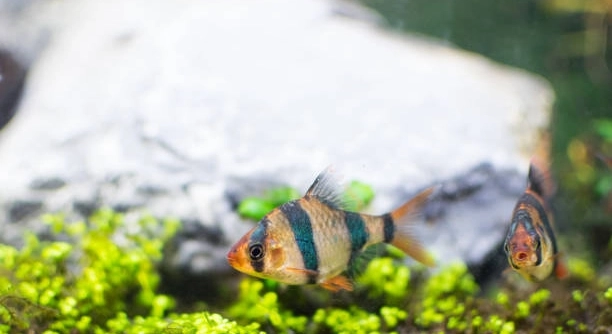
Tiger barbs are popular freshwater fish known for their lively behavior and striking colors. Many aquarium owners notice them interacting with their surroundings in interesting ways. This has sparked curiosity about how they respond to reflections in their tanks.
Research indicates that tiger barbs can recognize reflections but do not fully understand them as their own images. They often perceive reflections as other fish, leading to territorial or social behaviors rather than self-recognition.
Exploring how tiger barbs respond to reflections helps fish owners better understand their pets’ behavior and improve their care environment.
How Tiger Barbs React to Their Reflections
Tiger barbs often respond to reflections in ways that show curiosity or aggression. When they see their image in a mirror or a shiny surface, they may swim toward it and display fin flaring or biting behavior. This happens because the fish mistakes the reflection for a rival. The reaction is a natural response to perceived competition in their territory. Some tiger barbs may circle around the reflection, trying to assert dominance or engage with what they think is another fish. Over time, some fish might lose interest, realizing the reflection does not act like a real opponent. However, many tiger barbs continue to react strongly, especially if the reflection appears suddenly or changes with movement. This behavior can be both entertaining and stressful for the fish, so it’s important to observe and limit mirror exposure if needed.
Repeated exposure to reflections can increase stress levels in tiger barbs, affecting their well-being.
Understanding these responses helps in creating a peaceful tank environment that respects the fish’s natural instincts.
The Science Behind Fish Self-Recognition
Fish self-recognition requires complex cognitive skills that many species, including tiger barbs, do not possess. While some animals can recognize themselves in mirrors, tiger barbs typically do not. Instead, they interpret reflections as other fish because their brains are wired to react to external stimuli based on survival needs. This means they rely on visual cues for territory defense or social interaction rather than self-awareness. Experiments with mirrors have shown that fish may exhibit aggressive or exploratory behavior toward their reflection but fail to pass the classic mirror test used to assess self-recognition. The test usually involves marking the animal in a way that is only visible via the mirror; tiger barbs do not show behaviors indicating they recognize the mark on themselves. These findings highlight how fish perceive their environment and interact with it, mainly through instinct and conditioned responses rather than conscious recognition.
This knowledge is important for fish owners to avoid causing unnecessary stress and to understand the natural limits of fish cognition.
Effects of Reflections on Tiger Barb Behavior
Reflections can cause stress or excitement in tiger barbs. Their reactions vary depending on the individual fish and tank conditions. Some may become aggressive, while others ignore the reflection after some time.
When tiger barbs see their reflection, they often display territorial behavior. They may flare their fins, chase the reflection, or nip at the glass. This reaction is driven by instinct, as they interpret the image as an intruder. Prolonged exposure to reflections can increase stress levels, potentially affecting their health and social balance. To reduce stress, it’s advisable to limit mirror or reflective surface exposure in their environment.
In some cases, reflections can stimulate activity and playfulness. A few tiger barbs may appear curious or engage with their reflections without showing aggression. This interaction can provide temporary mental stimulation but should be monitored to prevent stress or injury.
Managing Reflections in Your Aquarium
Placing the tank away from direct light sources reduces strong reflections. Covering parts of the tank or using non-reflective backgrounds also helps minimize mirror effects. These steps create a calmer environment for tiger barbs.
Using plants or decorations inside the aquarium can break up reflections and limit fish focus on their images. Rearranging the tank layout occasionally can reduce stress caused by repeated exposure to the same reflective spots. Regular observation will help identify if reflections cause distress, allowing timely adjustments to tank setup.
Maintaining stable social groups is important as well, since tiger barbs rely on interaction with other fish rather than reflections. By managing these factors, owners can promote a healthy and balanced aquarium environment.
Signs Your Tiger Barb Is Stressed by Reflections
Stress from reflections can cause changes in behavior. Look for signs like increased aggression, hiding, or loss of appetite. These symptoms may indicate that your fish is uncomfortable.
Other signs include rapid breathing, lethargy, or excessive fin clamping. Monitoring these behaviors helps ensure your tiger barb’s well-being and allows you to adjust the environment if needed.
Alternatives to Mirrors for Fish Stimulation
Providing varied tank decorations and plants can offer mental stimulation without causing stress. Moving objects around occasionally keeps the environment interesting for tiger barbs.
Introducing compatible tank mates also encourages natural social behaviors. This interaction provides mental engagement and reduces the need for the fish to react to reflections or perceived threats.
When Reflections Are Beneficial
Reflections can sometimes encourage natural behaviors like chasing and exploring. Controlled exposure can help maintain activity levels without causing harm or stress.
Monitoring your fish’s reactions ensures that reflections remain a positive stimulus rather than a source of anxiety.
FAQ
Can tiger barbs truly recognize themselves in a mirror?
No, tiger barbs do not recognize themselves in mirrors. They respond to their reflection as if it were another fish, often showing territorial or social behaviors. Their brains do not process the reflection as an image of themselves, so self-recognition is not present.
Why do tiger barbs act aggressively toward their reflection?
Tiger barbs see their reflection as a rival intruding on their territory. This triggers natural instincts to defend their space, causing fin flaring, chasing, and nipping behaviors. It is a survival mechanism rather than actual aggression toward themselves.
Is it harmful for tiger barbs to see their reflection?
Occasional exposure to reflections is generally not harmful, but prolonged or frequent reflections can cause stress. Stress can weaken their immune system and affect behavior. It is important to monitor their reactions and reduce reflective surfaces if signs of distress appear.
How can I reduce reflections in my aquarium?
Positioning the tank away from direct light sources helps reduce reflections. Using non-reflective backgrounds, adding plants, and rearranging decorations also minimizes mirrored images. These steps help create a calmer environment for tiger barbs.
Can reflections provide any benefits to tiger barbs?
Reflections can stimulate activity and natural behaviors like chasing or exploring, which can keep tiger barbs mentally engaged. Controlled and limited exposure to reflections may offer mild enrichment without causing stress.
Do all tiger barbs react the same way to reflections?
No, individual tiger barbs vary in their reactions. Some may show strong aggression, others curiosity, and some may ignore reflections altogether. Tank conditions and the fish’s temperament influence their response.
What are signs that my tiger barb is stressed by reflections?
Signs include increased aggression, hiding, reduced appetite, rapid breathing, lethargy, and fin clamping. If these behaviors appear after exposure to reflections, it may be necessary to adjust the tank setup.
Is it better to use mirrors to entertain tiger barbs?
Using mirrors as entertainment is not recommended due to the risk of stress. Instead, providing live tank mates, plants, and varied decorations offers safer and more natural mental stimulation.
Can tiger barbs get used to their reflections over time?
Some tiger barbs may lose interest after repeated exposure, but others remain reactive. The level of habituation depends on the individual fish and tank environment.
How important is social interaction compared to reflections?
Social interaction with other fish is more important for tiger barbs. They rely on companionship and natural group behavior rather than reacting to reflections for stimulation or comfort. Maintaining appropriate tank mates supports their health and happiness.
Tiger barbs are active and social fish that display a range of interesting behaviors. Their reaction to reflections is one example of how their instincts guide their actions. While they do not recognize themselves in mirrors, their responses can reveal much about their natural tendencies, such as territorial defense and social interaction. Understanding these behaviors helps fish owners provide better care and create a suitable environment for their tiger barbs.
Reflections in an aquarium can sometimes cause stress for tiger barbs if they are exposed for long periods or too frequently. The fish may become aggressive or anxious, which can affect their overall health. It is important to observe how your tiger barbs respond to reflections and adjust the tank setup accordingly. Using plants, decorations, or non-reflective backgrounds can help reduce stressful reflections and promote a calmer space for the fish. Limiting the exposure to mirrors or shiny surfaces also protects their well-being.
Overall, tiger barbs thrive best in environments that respect their natural behavior and needs. Providing social companions, varied surroundings, and minimizing stressors like strong reflections will contribute to their health and happiness. Being mindful of how tiger barbs interact with their environment makes it easier to enjoy their lively presence and keep them healthy for the long term. Taking these steps supports a balanced aquarium where the fish can live comfortably and display their natural behaviors.

Hello,
If you enjoy the content that we create, please consider saying a "Thank You!" by leaving a tip.
Every little bit helps us continue crafting quality advice that supports the health, happiness, and well-being of pets around the world, for pets of all shapes, sizes, and species.
We really appreciate the kindness and support that you show us!